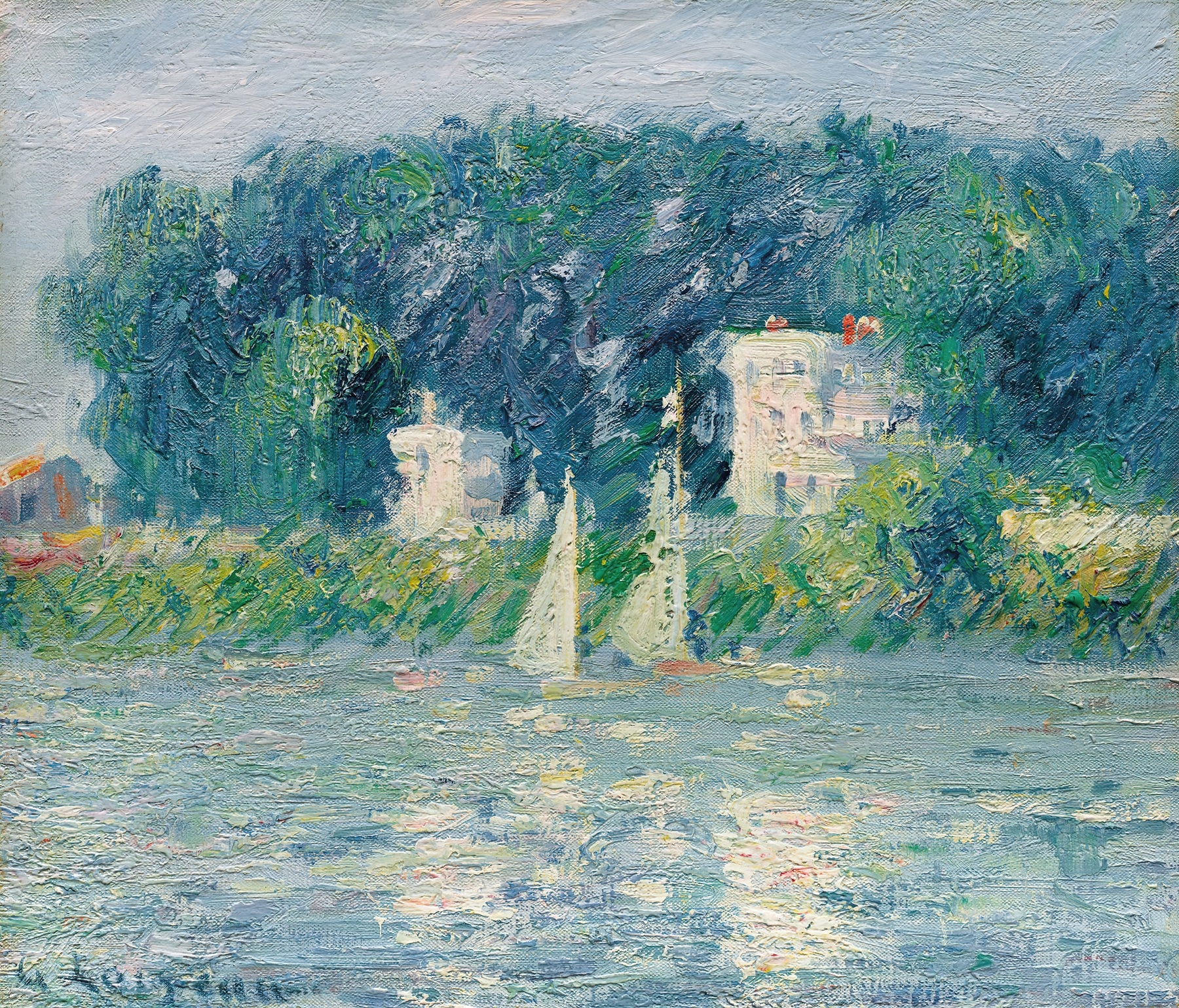
Les toits de l’Hôtel des Roches Noires, Trouville — History & Analysis
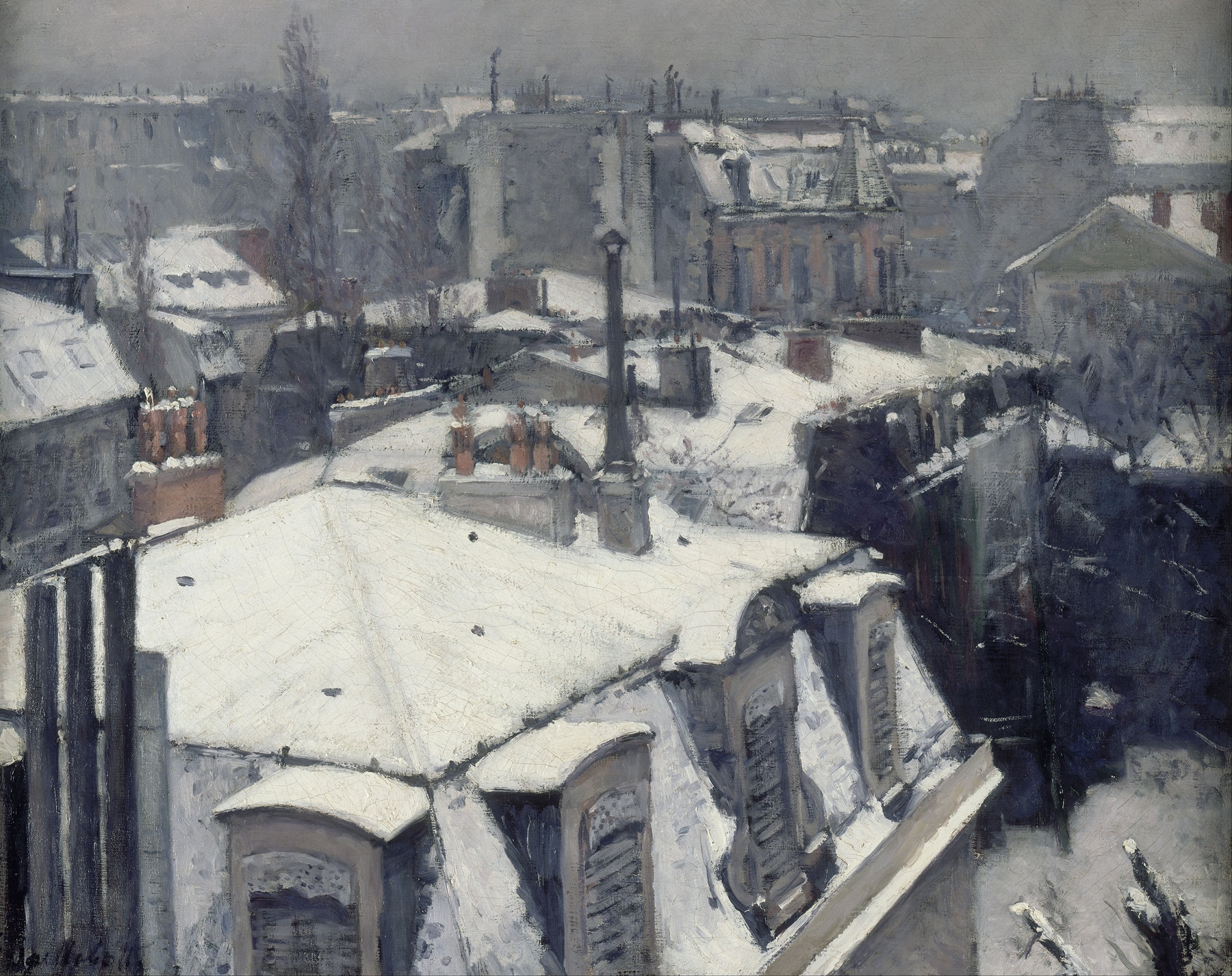
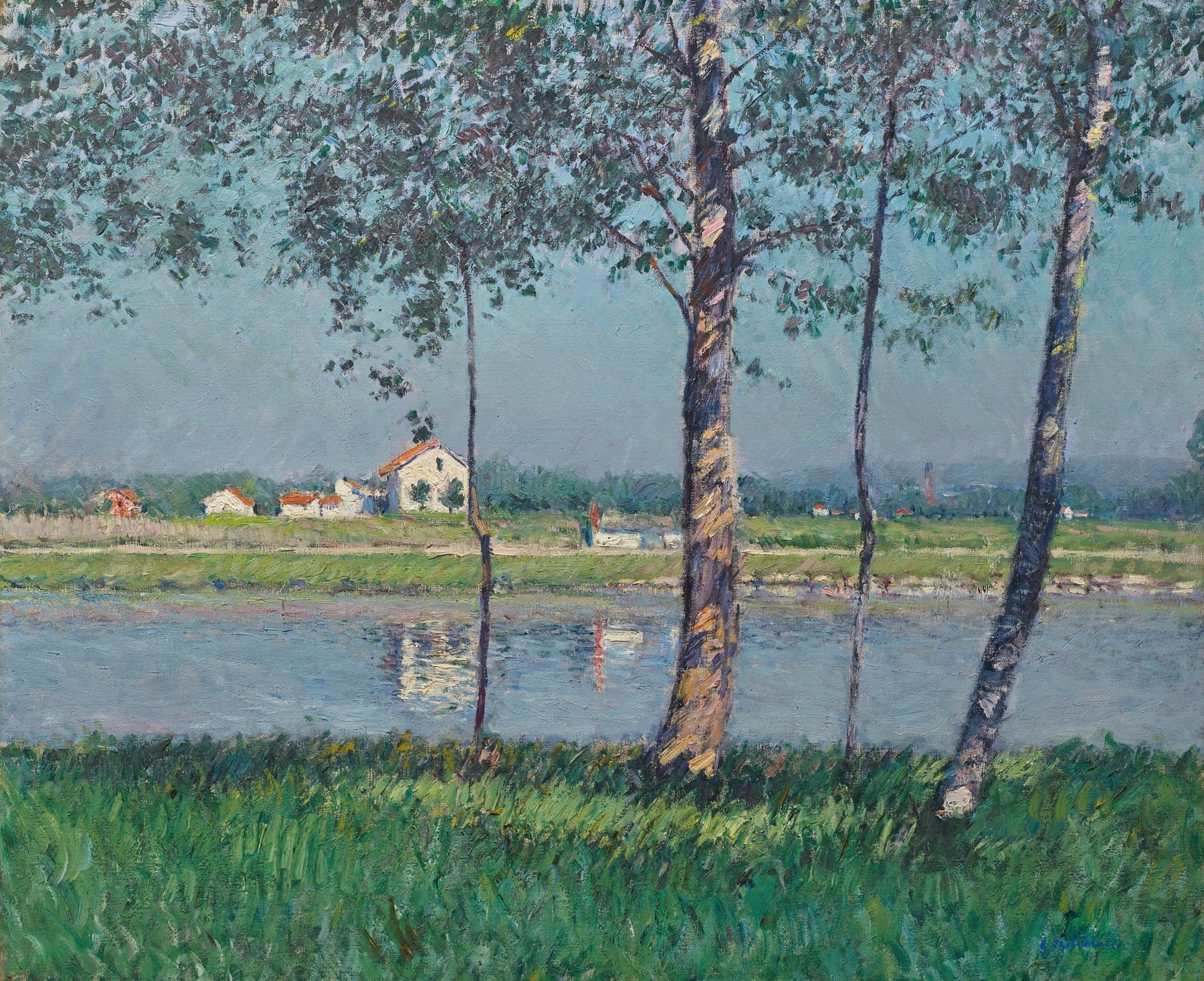
“Art reveals the soul when the world turns away.” In the fleeting moments of memory, art captures what we often forget, rendering emotion into color and light. Focus on the rooftops in Les toits de l’Hôtel des Roches Noires, Trouville, where the interplay of gray and blue conveys a quiet intimacy. The gentle curves and sharp angles of the rooftops converge under a soft sky, inviting you to trace the lines that define the architecture. Notice how the light bathes the scene, casting delicate shadows that dance across the tiles, revealing the meticulous brushwork that breathes life into this sun-soaked day.
Beneath the serene surface lies a contrast between serenity and transience. The rooftops stand as a testament to human existence, resilient yet temporary, juxtaposing the natural beauty of the surrounding landscape with the man-made structure. The muted color palette evokes nostalgia, whispering of summers past and memories that linger like the gentle breeze. Each brushstroke is a reminder of the passage of time, as if the artist captured a fleeting moment forever suspended in eternity.
In 1882, Gustave Caillebotte painted this scene during a period when Impressionism was flourishing, marking a pivotal time in his career as he sought to blend realism with a modern aesthetic. Residing in Paris, he was surrounded by fellow artists who challenged traditional conventions, and he, too, contributed to this dialogue, exploring new perspectives and the interplay of light. This artwork reflects not just a place but a moment in time, a quiet pause in the hustle of life.