Rive de la Seine au Petit-Gennevilliers — History & Analysis
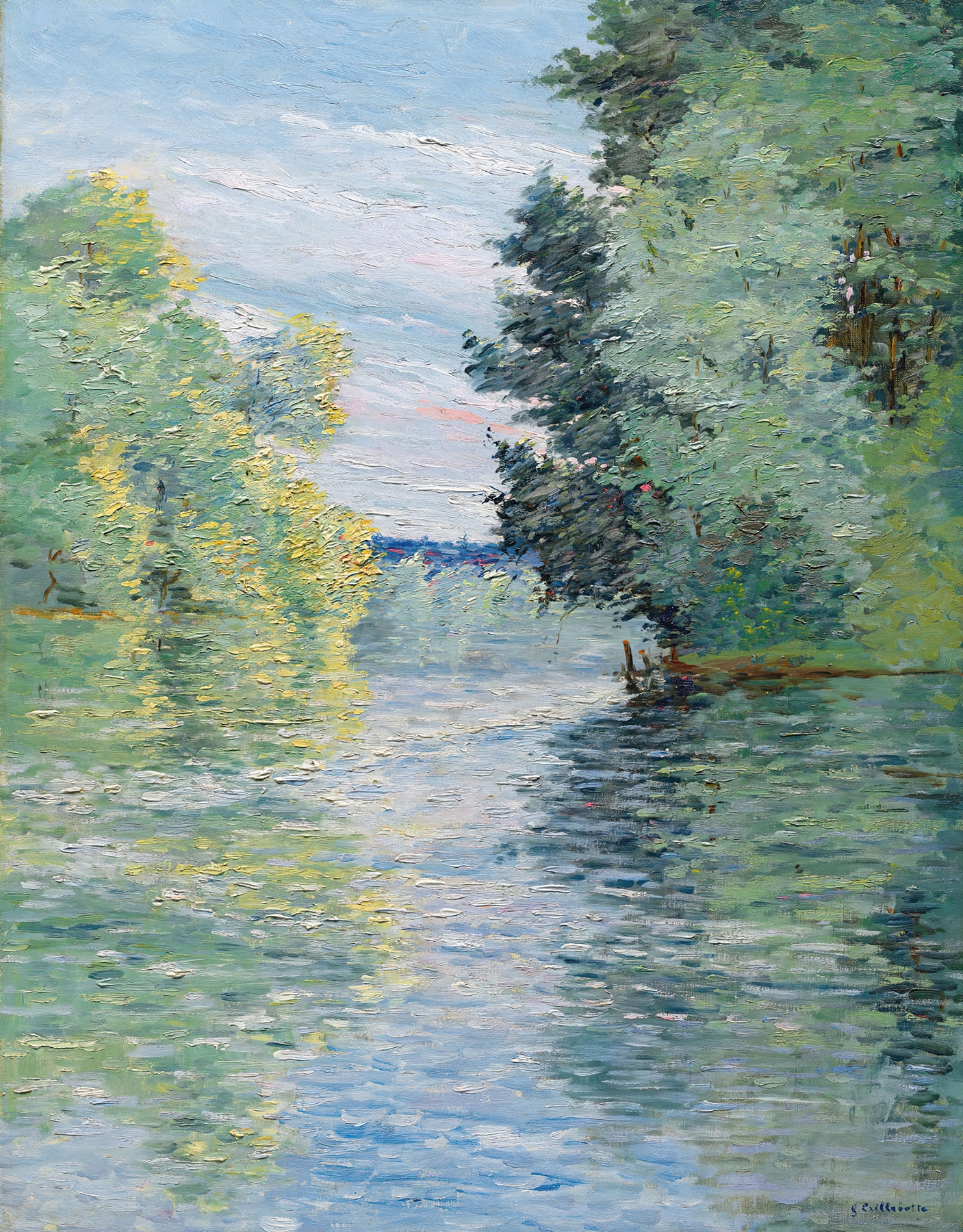
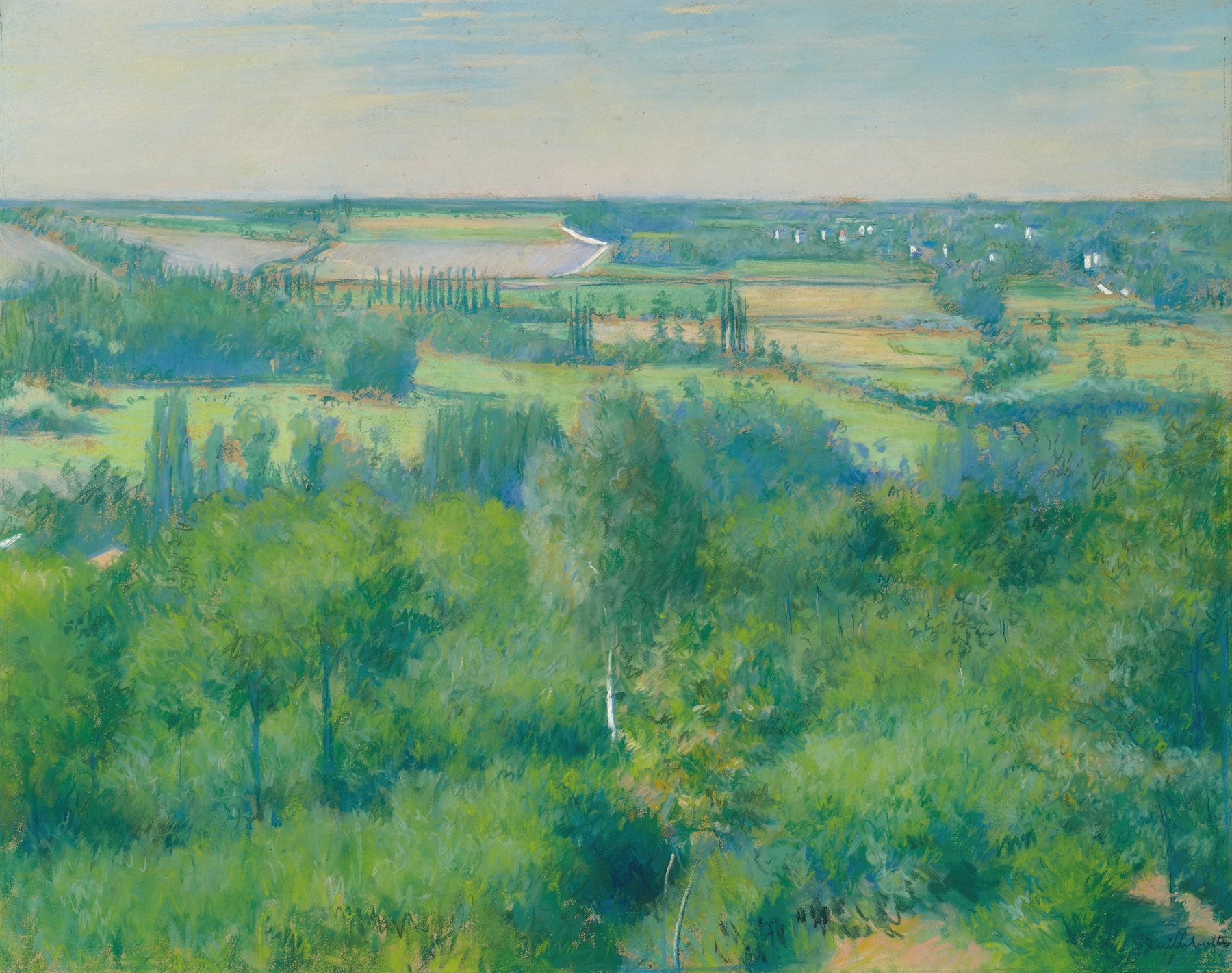
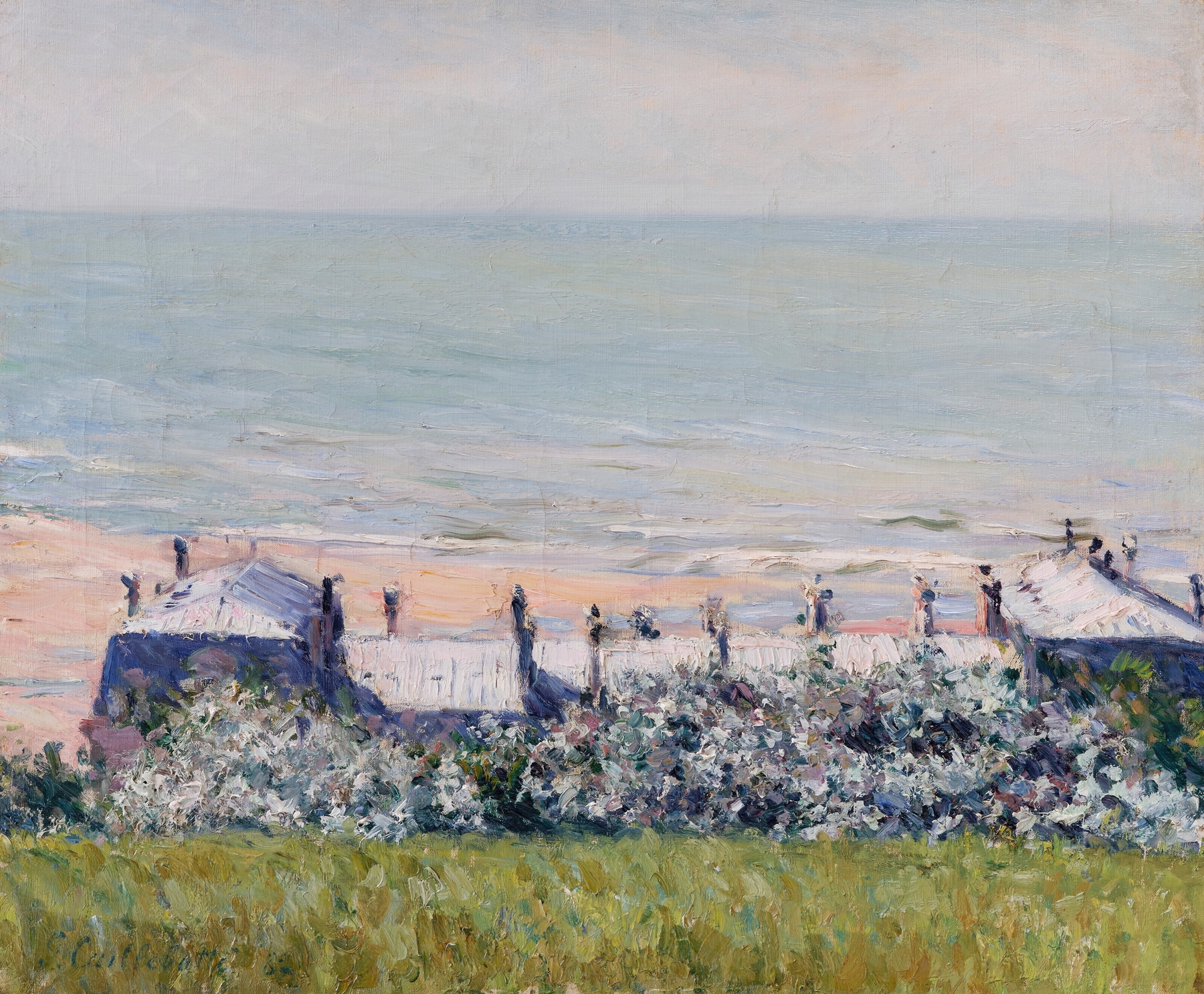
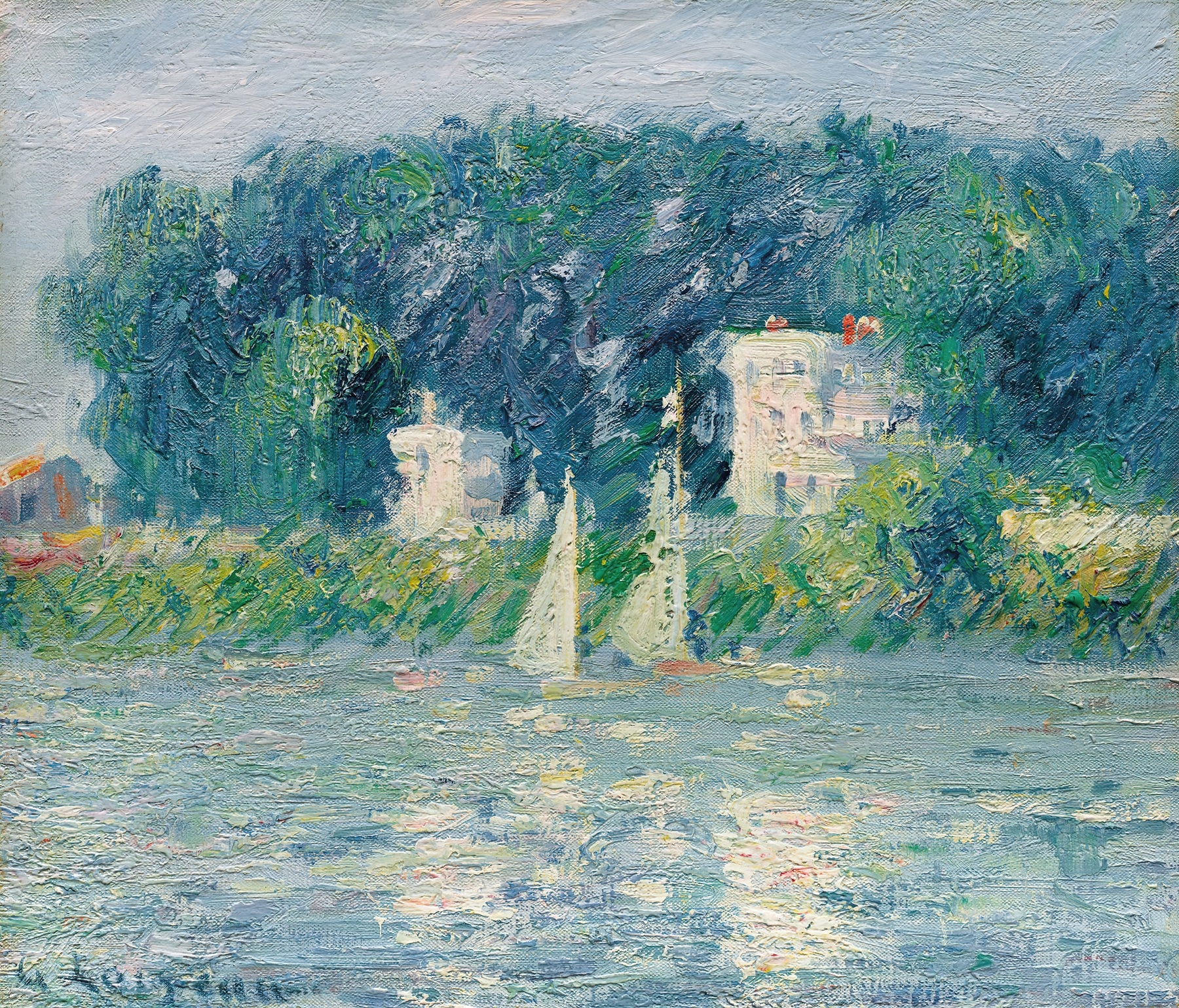
Is this a mirror — or a memory? The reflection of the Seine, shimmering like a fragile thread between the past and present, invites us to ponder the transient nature of life. Look to the foreground; a gentle slope leads your eye down to the water's edge, where the soft green of the grass meets a subtly rippling river. Notice how the light dances across the surface, creating a mosaic of blues and silvers that ripple beneath the weight of the clouds above.
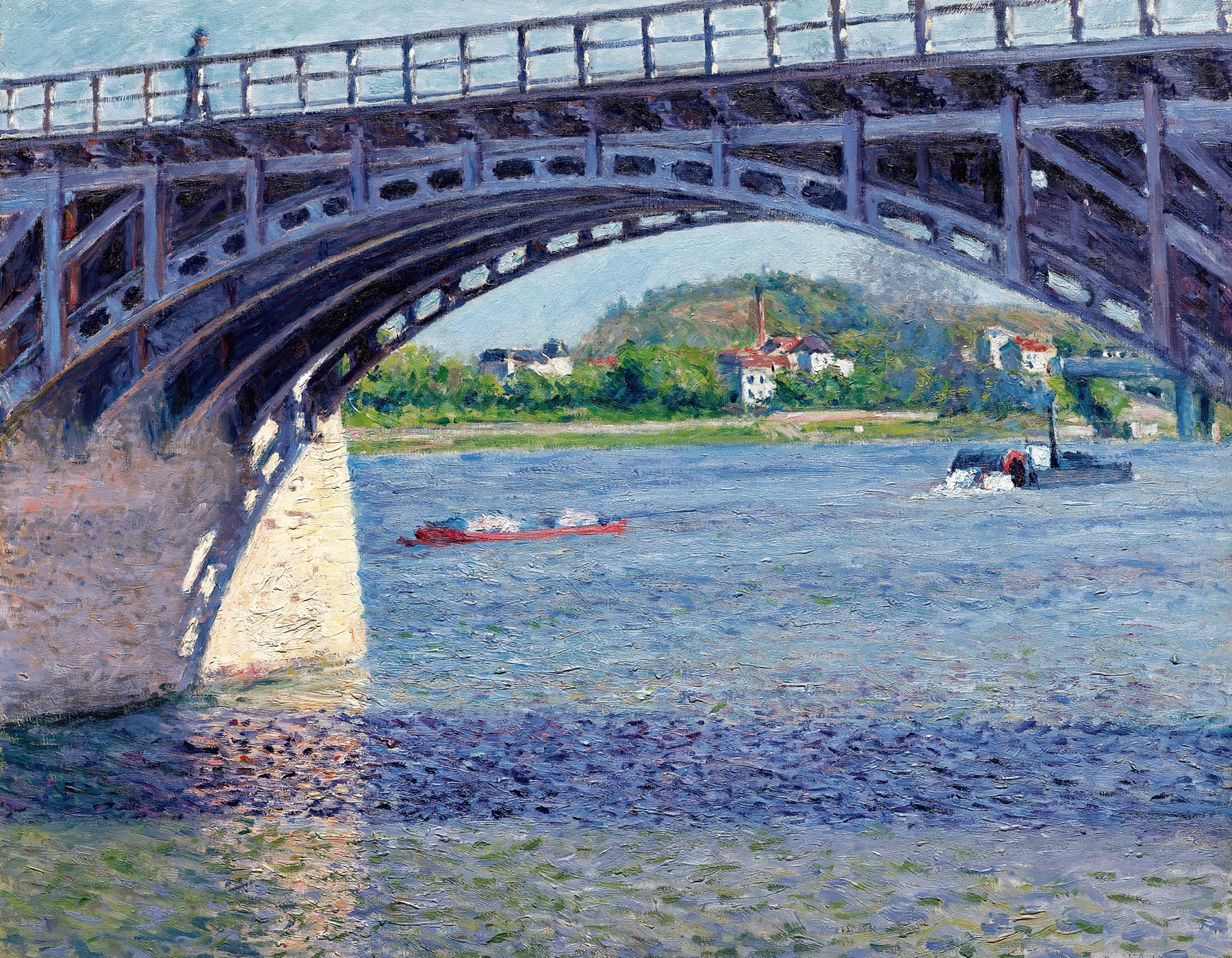
The careful brushwork captures the scene’s intimate serenity, while the deliberate choice of a muted palette evokes a sense of nostalgia and yearning. The contrast between the stillness of the water and the hints of movement in the distant boats speaks to life’s duality — a moment frozen in time, yet full of potential. The small figures dotting the landscape suggest the presence of human stories, each one a fleeting glimpse into the lives unfolding beyond the canvas. This delicate balance between solitude and connection weaves a tapestry of fragility, as if the very act of seeing could shatter the moment.
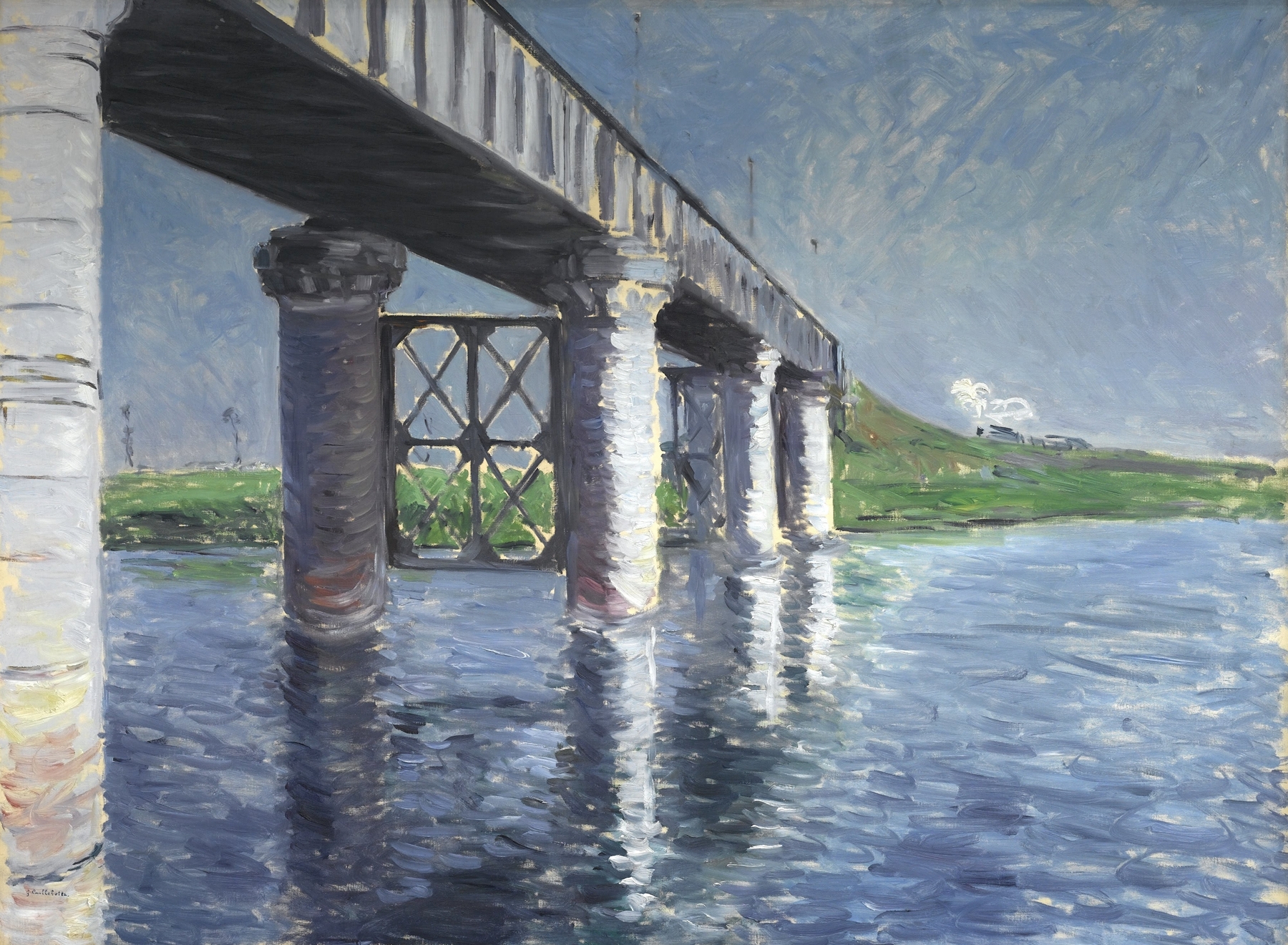
In 1888, the artist painted this work while living in Paris, a period marked by experimentation and shifting artistic movements. Amidst the rise of Impressionism, Caillebotte sought to capture not just the physical world but the emotional resonance of urban life. Influenced by the changing landscape of the Seine and its blending with personal reflection, this piece embodies the artist's commitment to portraying the beauty and vulnerability of his environment.