The Seine and the Railroad Bridge at Argenteuil — History & Analysis
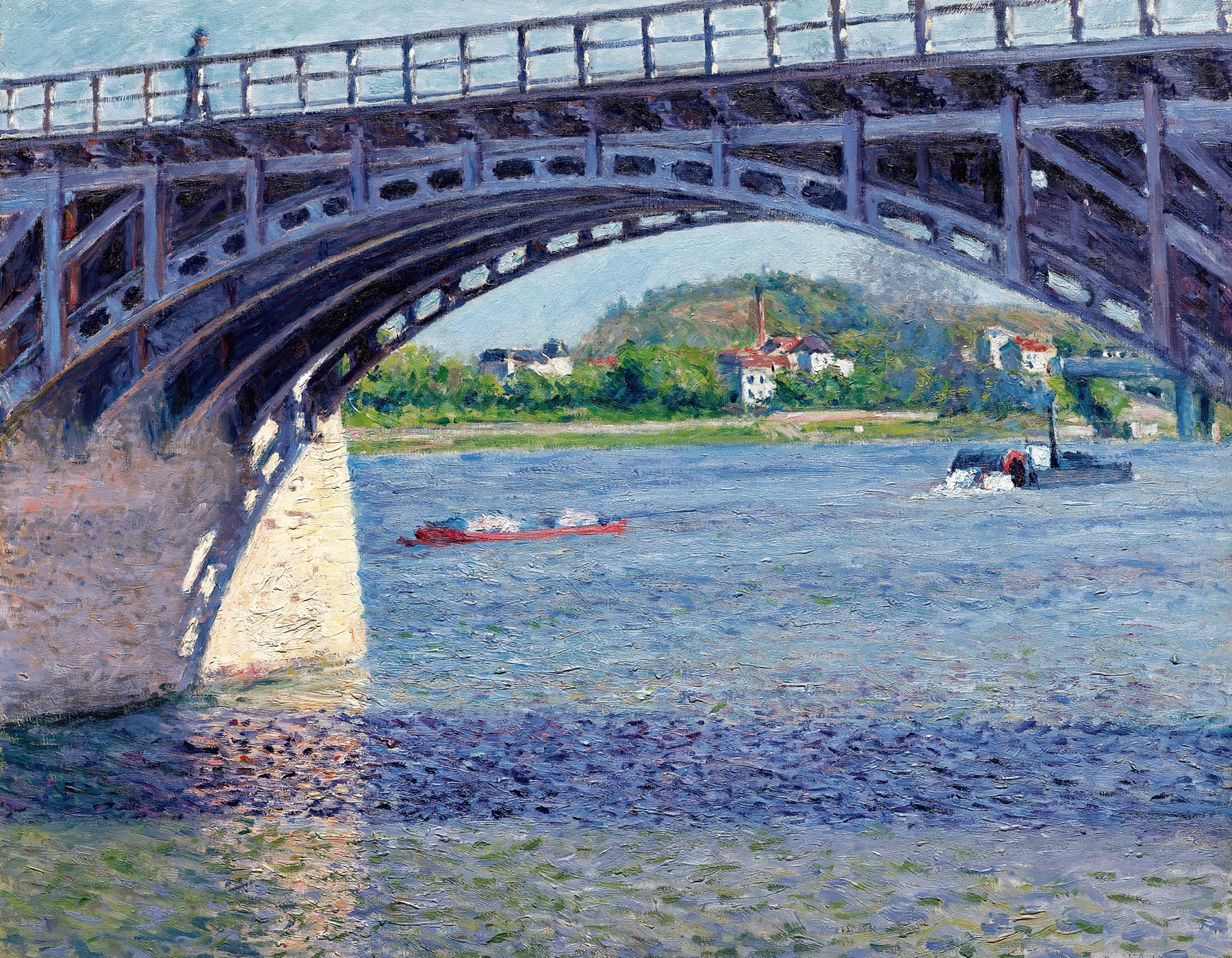
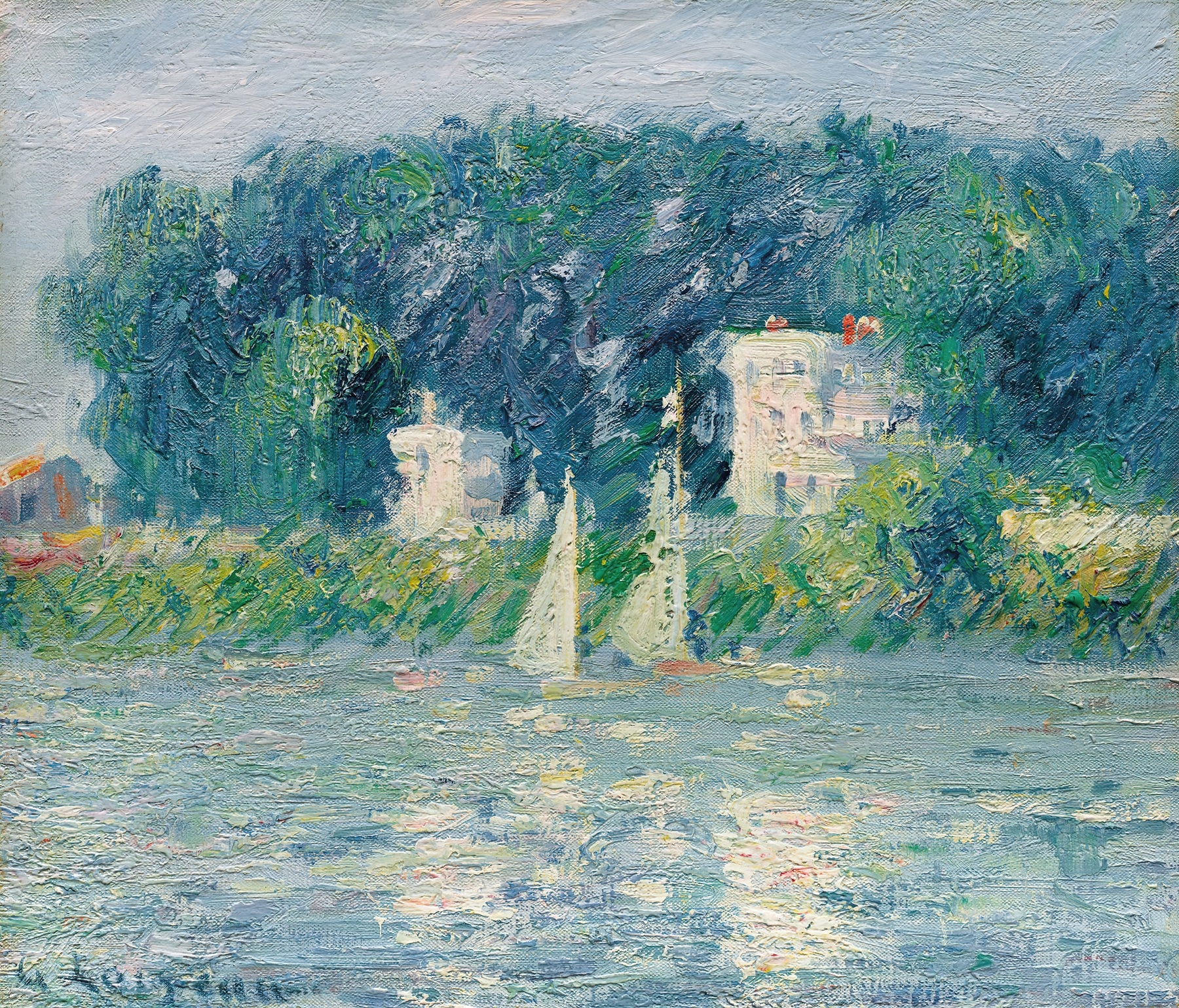
“Every silence here is a confession.” Beneath the tranquil expanse of sky, the scene whispers of divinity amid the mundane. The river flows with a serene grace, a sacred route where life and nature intertwine, yet the presence of the iron bridge marks a confrontation with human ingenuity. It invites the viewer to reflect on what is divine in the intersection of the natural world and industrial progress. Look to the center, where the railroad bridge arches over the Seine, dominating the composition. Notice how the soft blues and greens of the water contrast sharply with the stark metallic grays of the bridge.
The painter’s brushwork bathes the land in gentle light, illuminating the ripples of the water and the delicate foliage that frames the scene. This thoughtful interplay of color and form guides the gaze, evoking a sense of calm contemplation amidst the interplay of manmade structure and the flowing river. Yet, behind this tranquil surface lies a tension—the juxtaposition of nature’s beauty and the encroachment of modernity. The bridge, a symbol of progress, disrupts the idyllic landscape, hinting at humanity's relentless forward march. The distant figures, small and absorbed in their activities, evoke a sense of isolation amid the grand tableau, capturing the delicate balance between connection and solitude.
Here, every brushstroke carries the weight of history and the silent prayers of the past. In 1874, Caillebotte painted this piece during a pivotal moment in France's Impressionist movement, capturing a snapshot of a rapidly industrializing society. At this time, he was living in Paris, surrounded by a burgeoning art scene that challenged traditional representations. His work, often overshadowed by his contemporaries, reflects a deep awareness of both the beauty and the stark realities of modern life, inviting viewers to ponder their own relationship with the world around them.