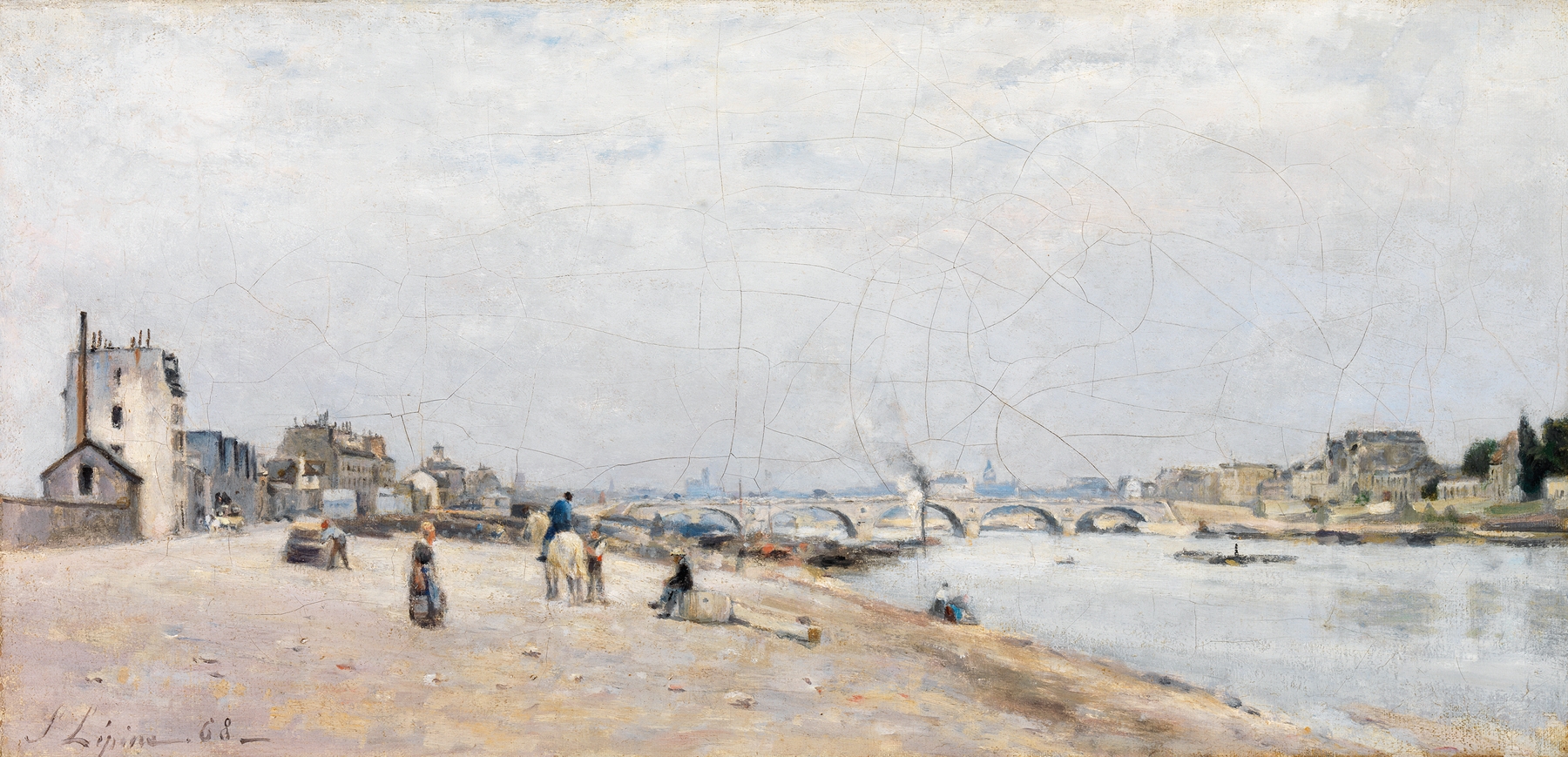
Le pont d’Austerlitz au quai de la Rapée, Paris — History & Analysis
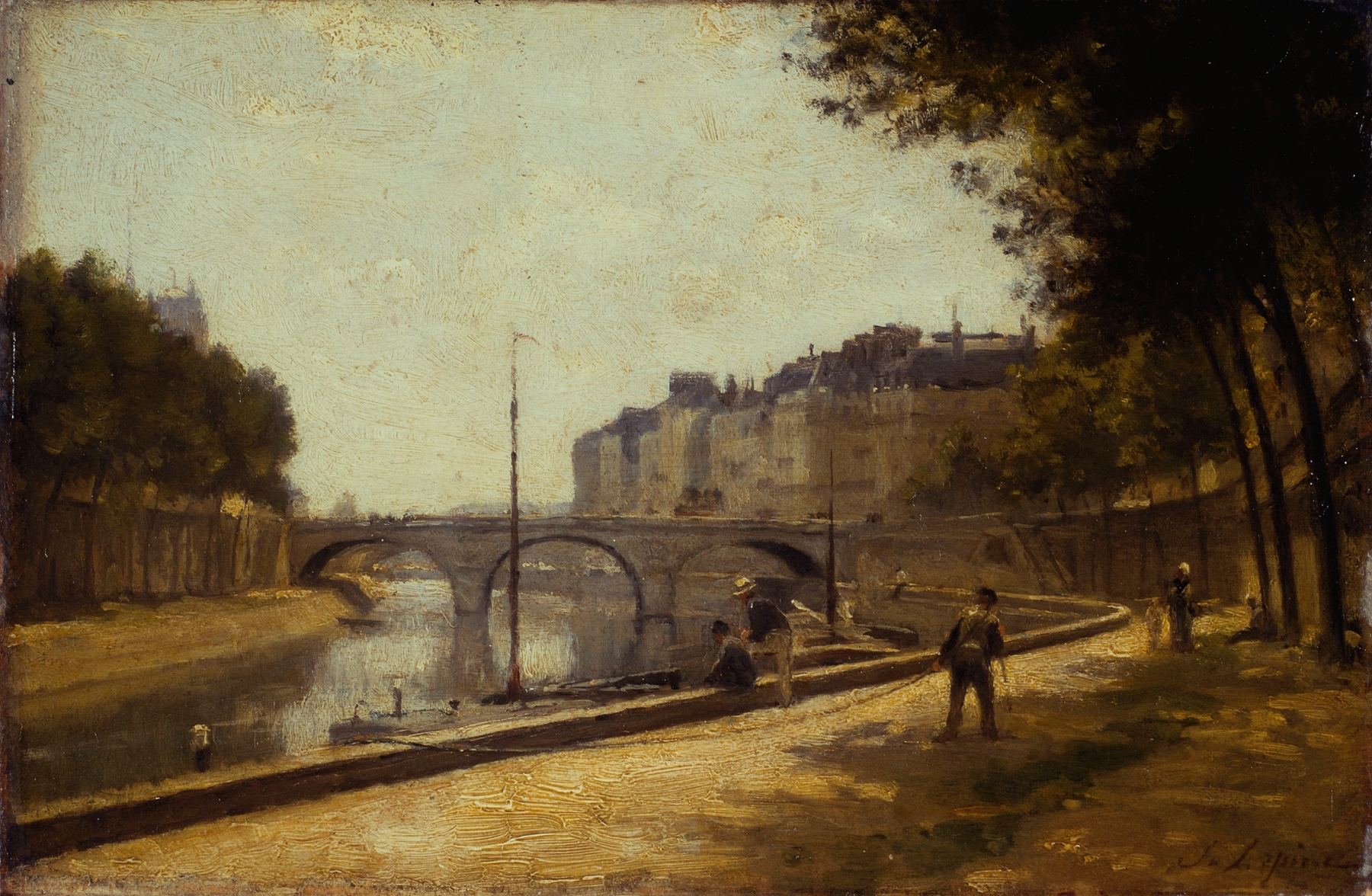
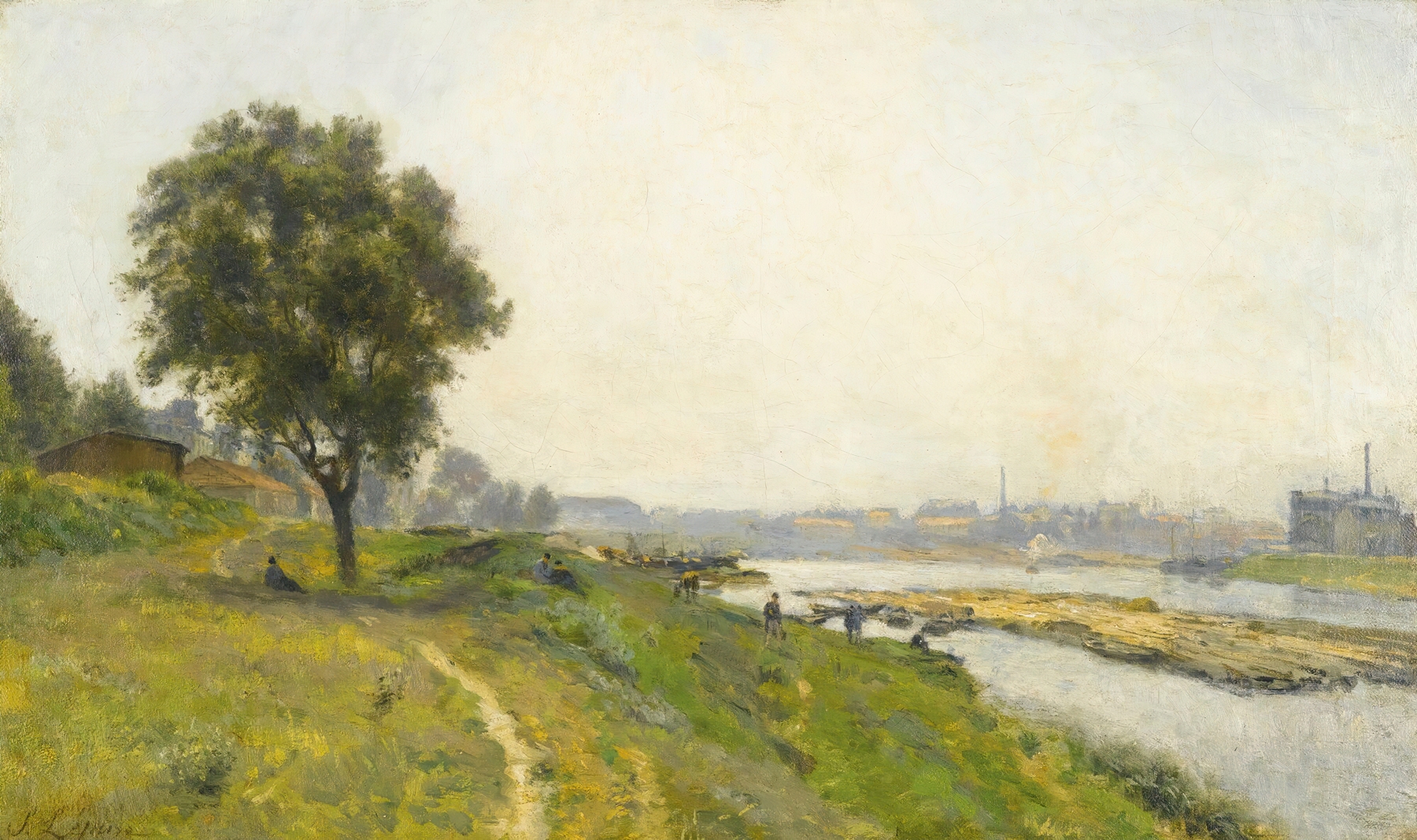
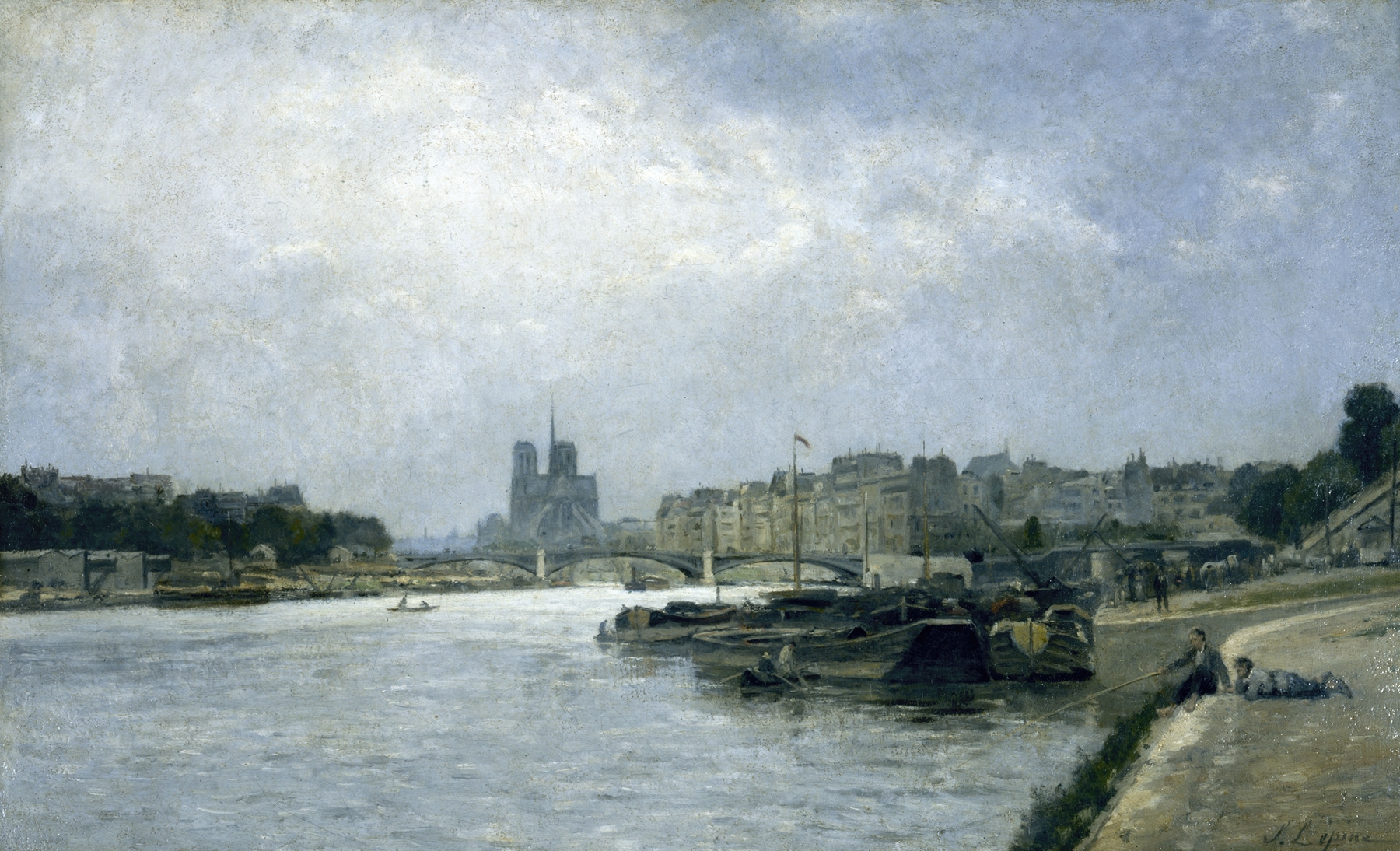
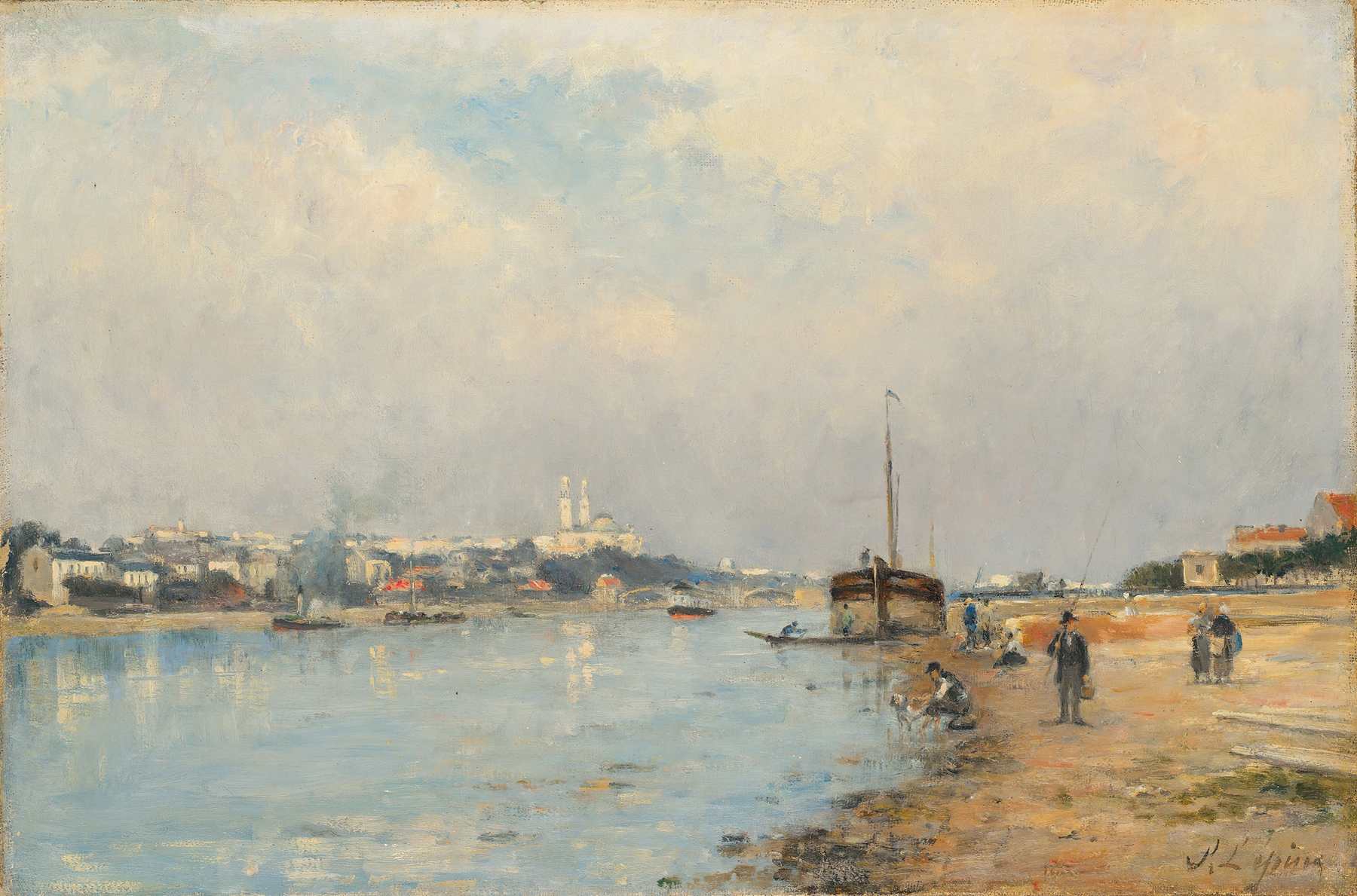
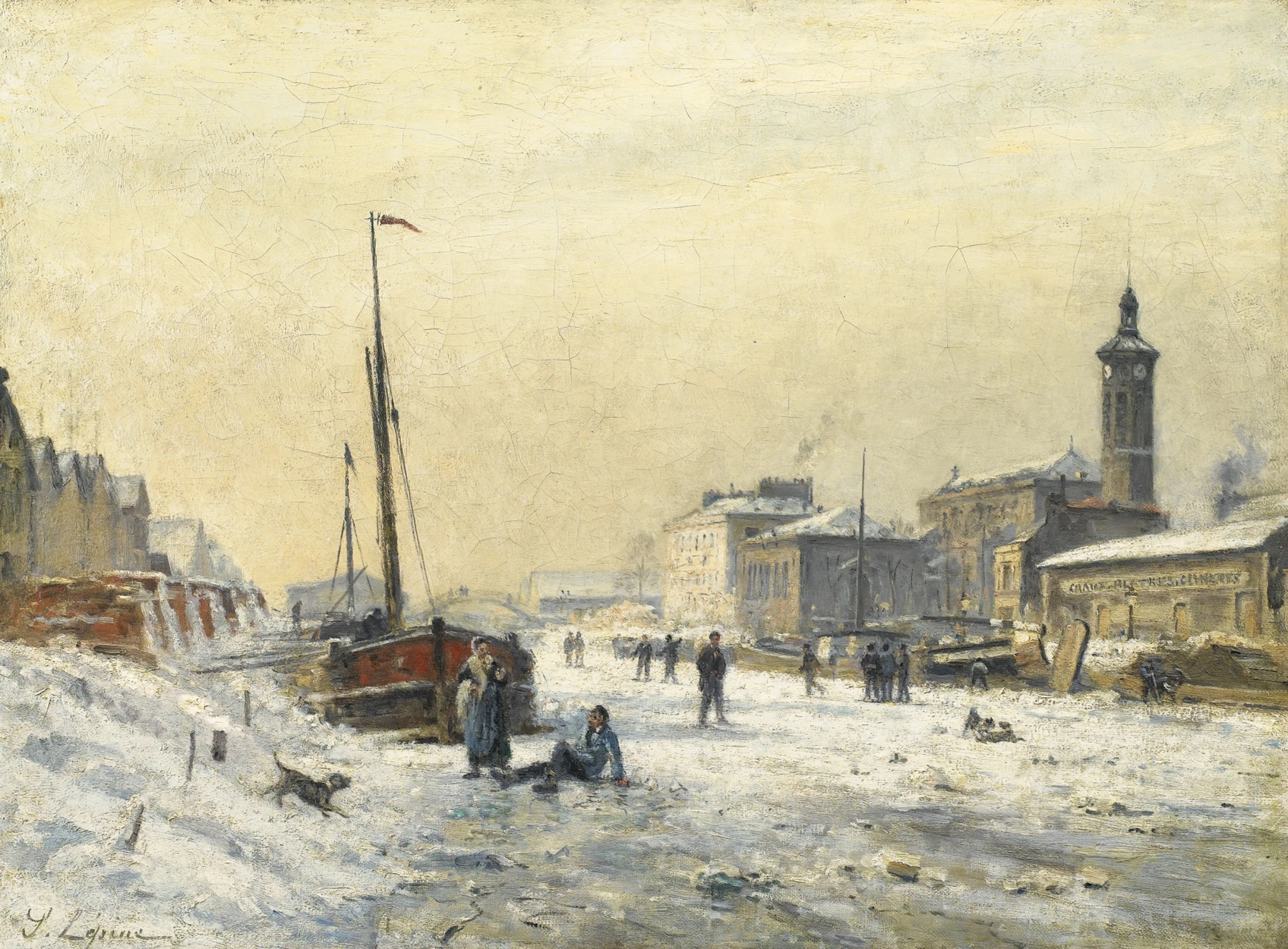
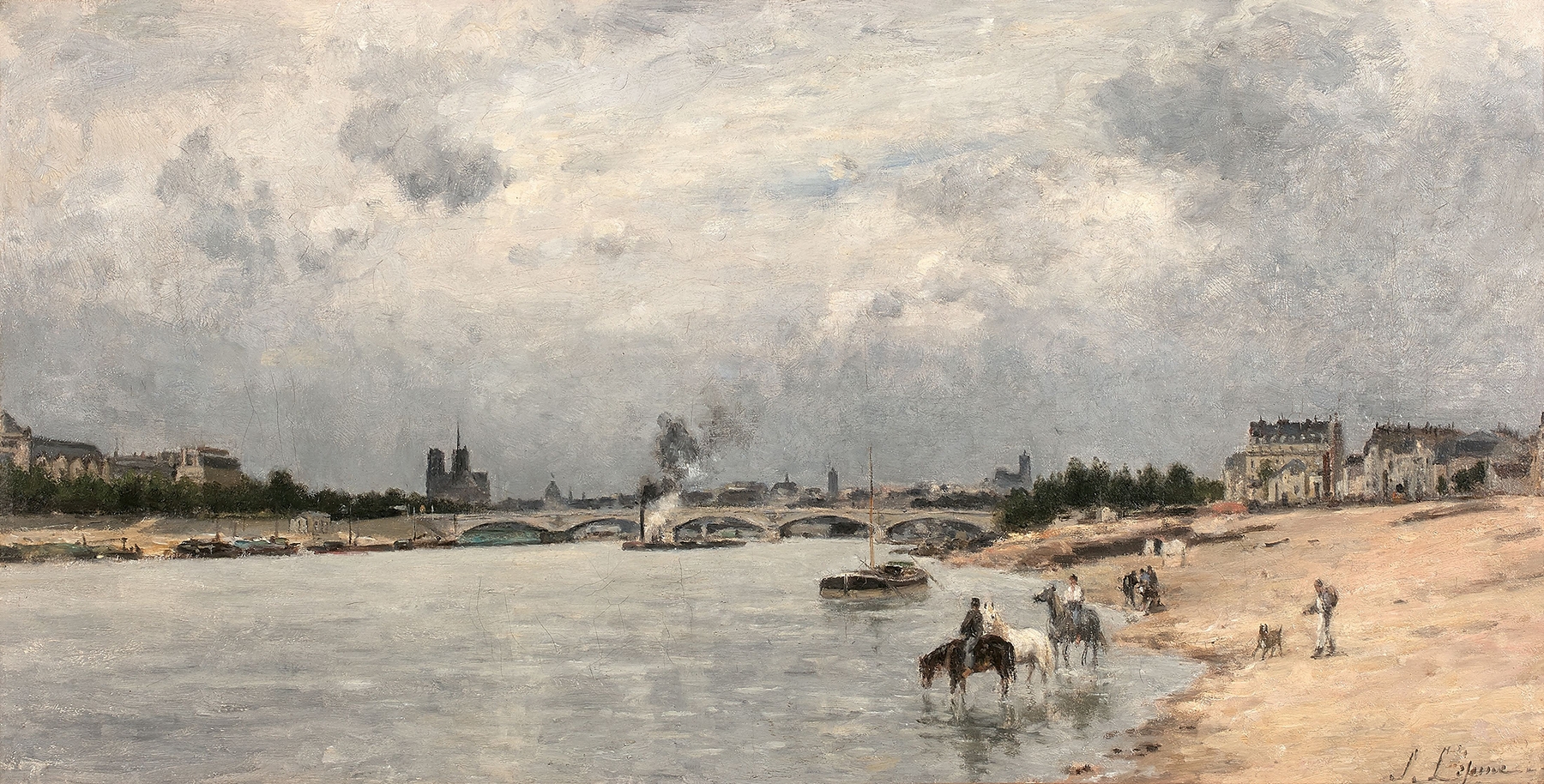
“Between color and silence, truth hides.” This sentiment resonates deeply within the stillness of a moment captured, where the absence of bustling life evokes a haunting emptiness that invites reflection. Look to the left of the canvas, where the muted hues of the bridge create a gentle contrast against the pale sky. The soft strokes of blues and grays flow seamlessly, guiding the eye towards the quiet waters below. Notice how the painting’s composition draws you into a reflective space; the bridge’s arching form invites contemplation, almost as if it’s a threshold beckoning the viewer to step into this serene yet desolate scene.
Beneath this calm surface, emotional tensions simmer. The still water mirrors the bridge, yet the lack of activity suggests isolation, evoking feelings of solitude. The absence of figures conveys a haunting silence, emphasizing a sense of fleeting time and the weight of history lingering within the empty space.
Each brushstroke seems to whisper secrets of what once was, capturing a poignant blend of emptiness and the quiet beauty of forgotten moments. Stanislas Lépine painted this work during a time when Paris was evolving, the mid-19th century marked by shifting artistic movements and the burgeoning impressionist ethos. Though the exact date remains unknown, Lépine was known for his urban landscapes that often explored themes of solitude against the backdrop of a bustling city, reflecting both personal introspection and the broader changes occurring in the world around him.