Le pont des Arts, vue du pont Royal — History & Analysis
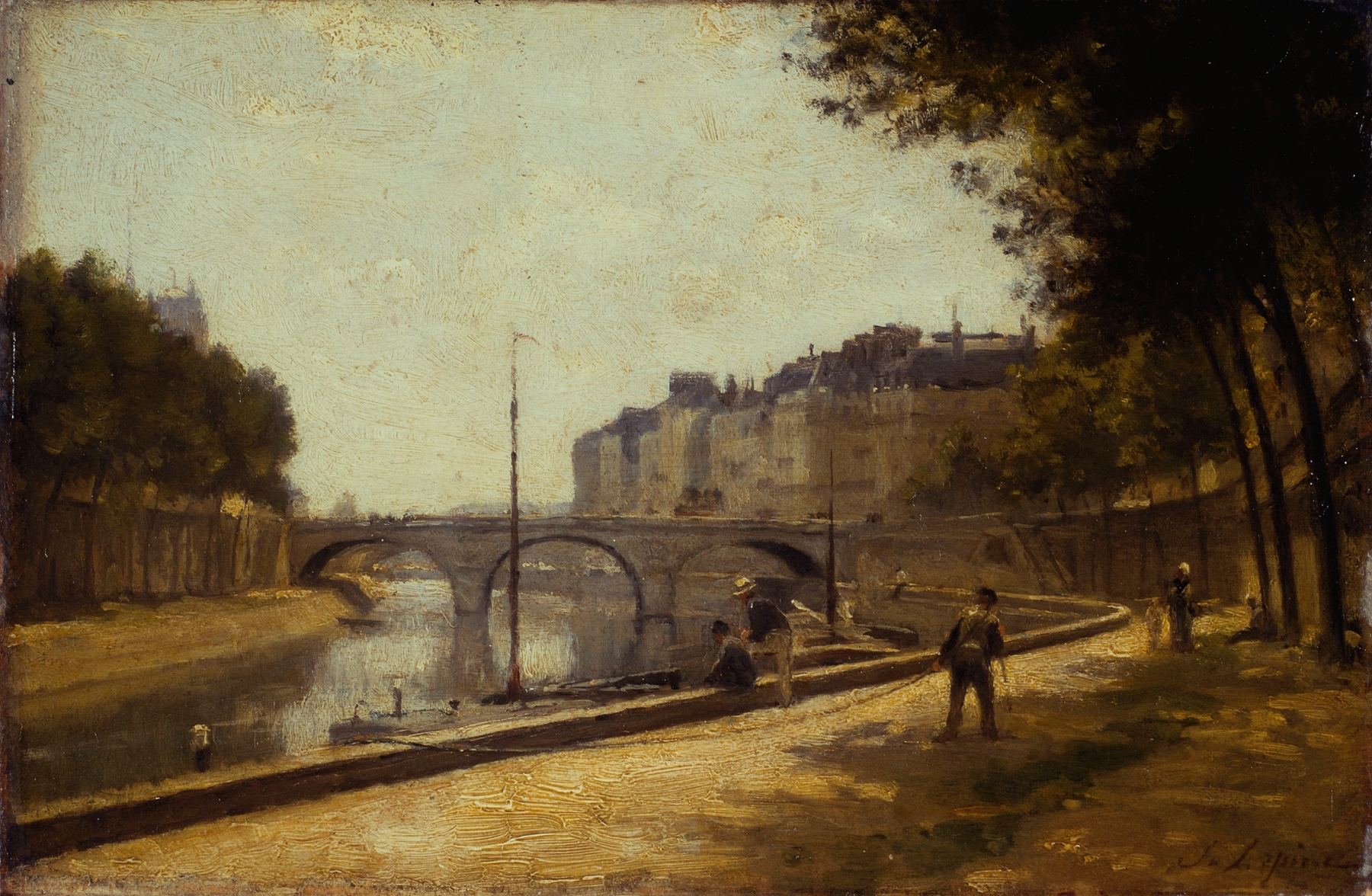
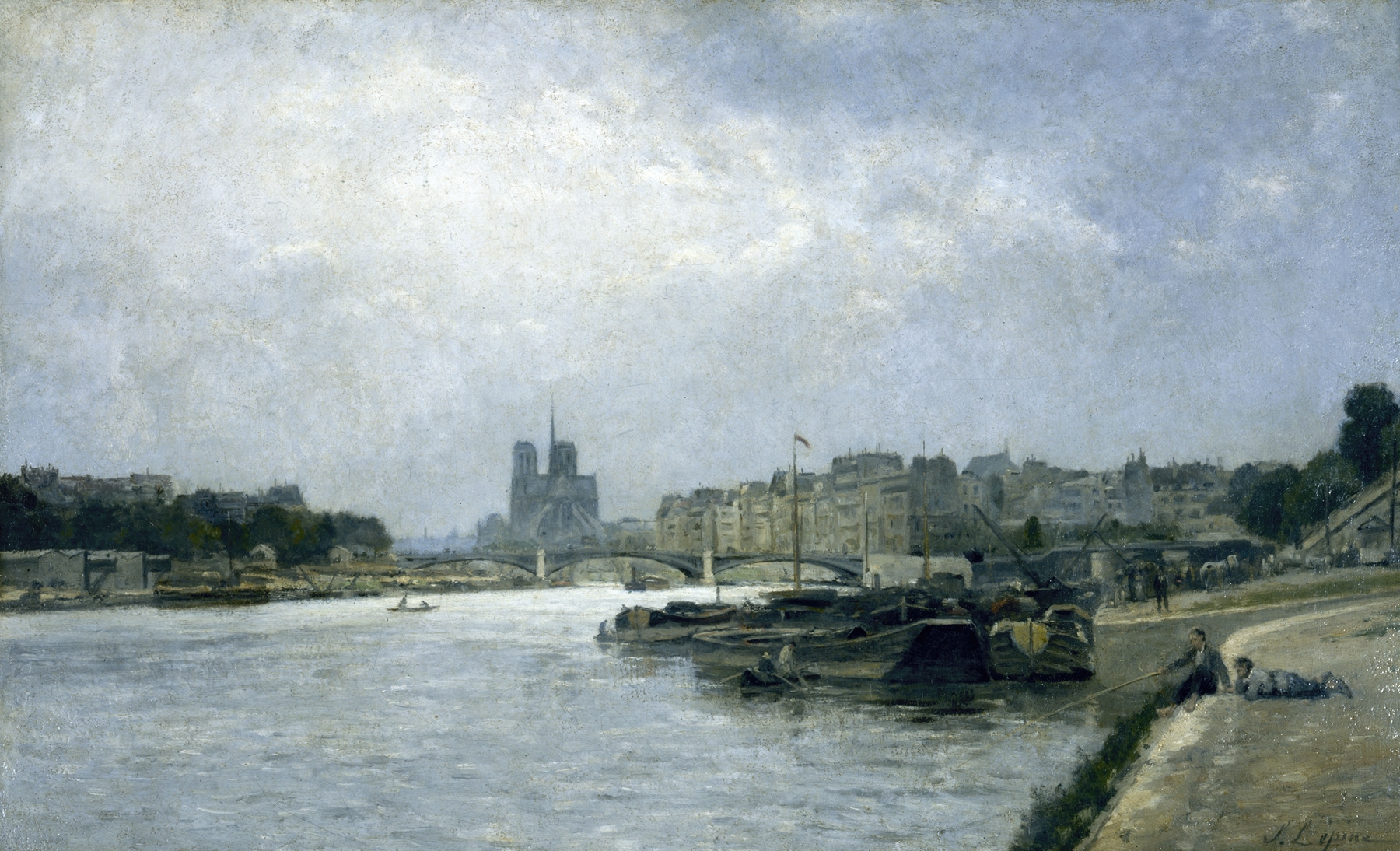
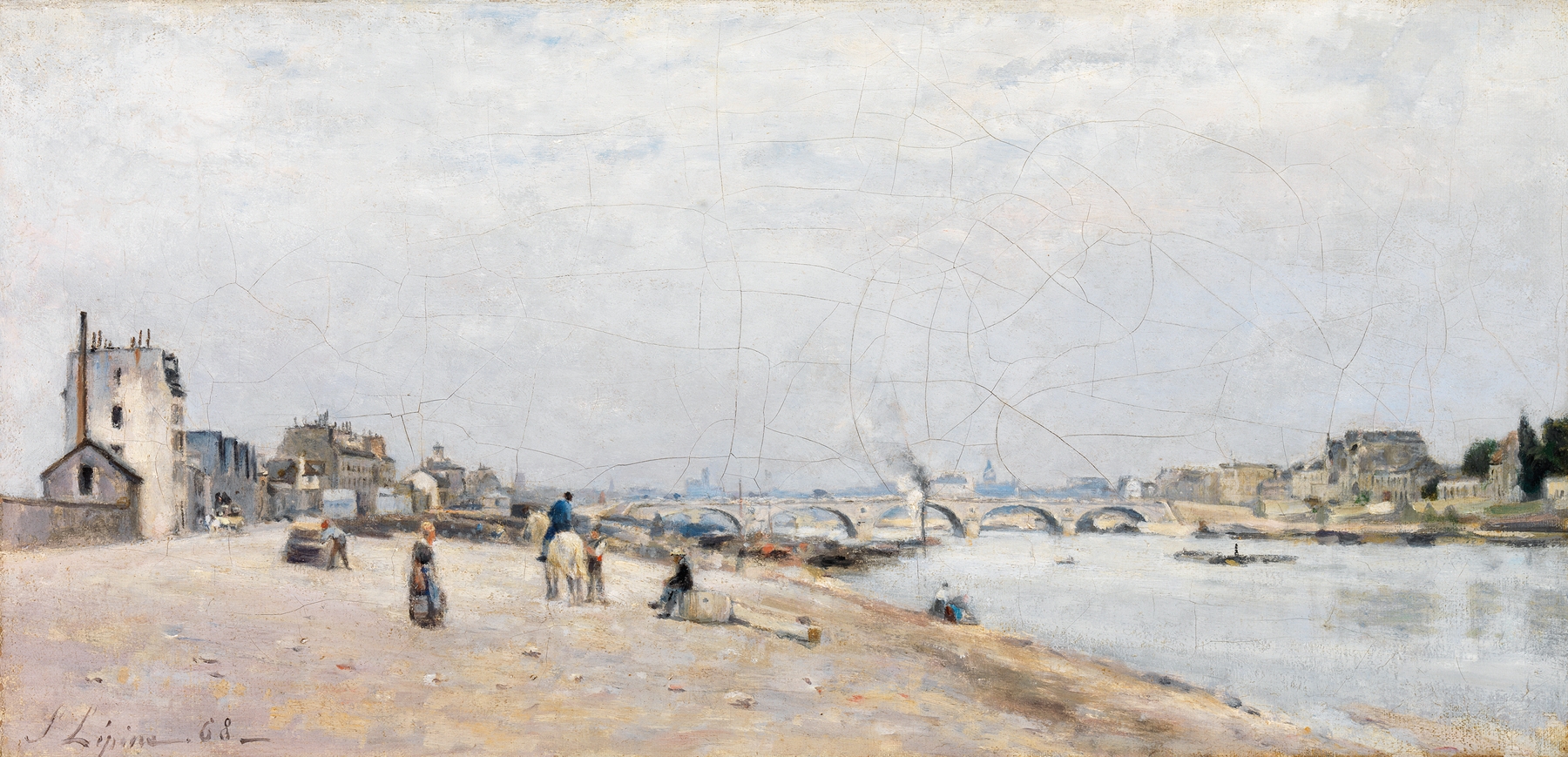
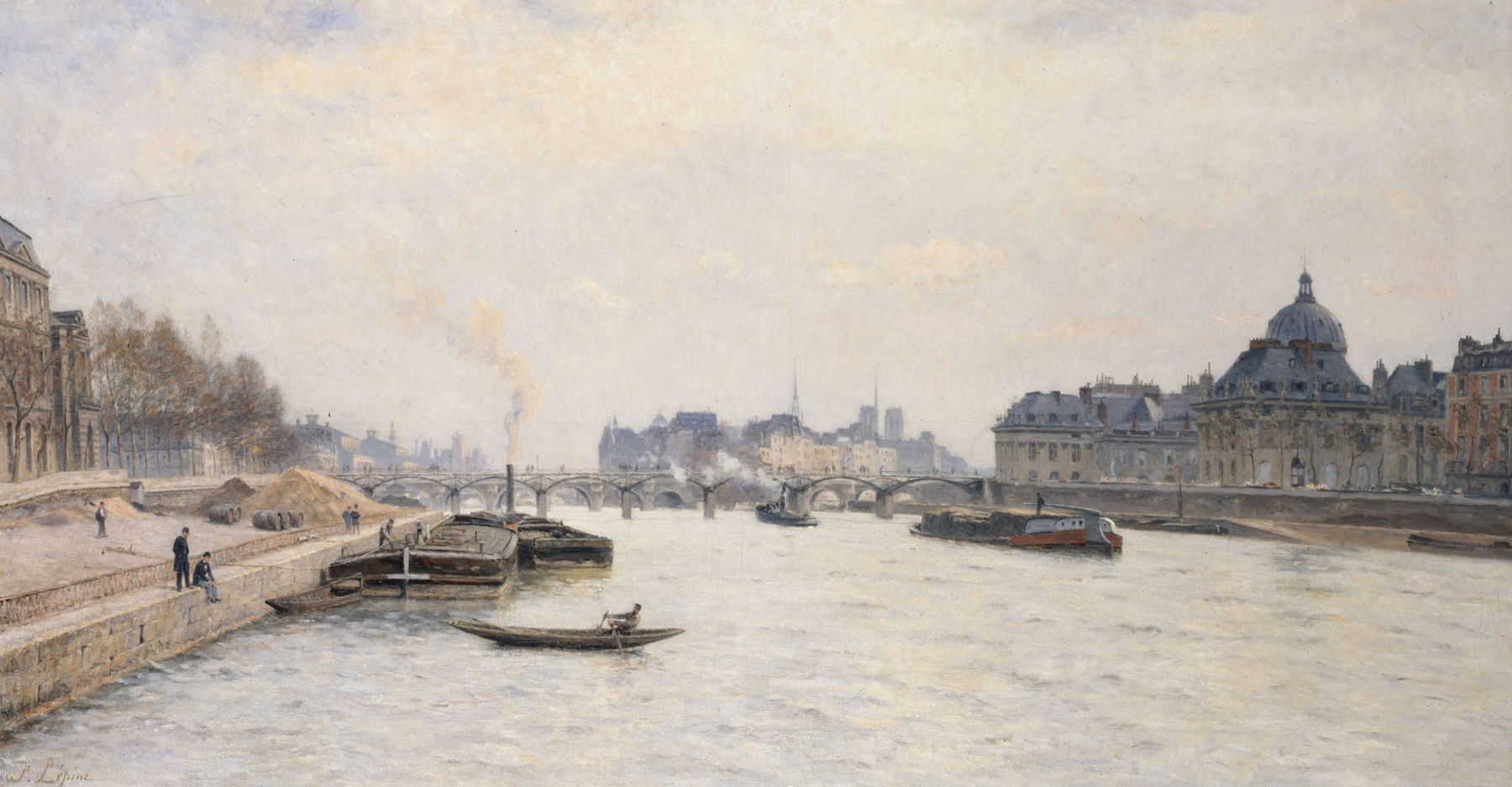
“To paint is to remember what time wants us to forget.” In the quiet stillness of Le pont des Arts, vue du pont Royal, a moment captures the delicate dance between time and memory, whispering of mortality amidst the grandeur of Parisian life. Look to the center where the bridge stretches gracefully, an elegant invitation connecting past and present. The soft hues of lavender and gold reflect the tranquil water below, while the sky above blushes with the last light of day. Shadows stretch across the bridge, hinting at the passage of time, while the figures stroll obliviously, lost in their own narratives.
The brushstrokes are both fluid and assured, as if Lépine sought to blend reality with an ethereal layer of remembrance. Beneath the surface, the painting speaks to the ephemeral nature of existence. Each figure, though engaged in their moment, remains a mere echo against the permanence of the bridge, symbolizing the fleeting nature of life. The contrast of stillness and motion evokes a sense of nostalgia, as the tranquil scene also serves as a reminder that time will inevitably carry all things away.
Lépine's choice of palette heightens this tension, where warm tones clash with the cool undertones of the water, reflecting life’s dualities. Stanislas Lépine painted this work in 1884 during a period marked by an evolving Paris, where the Industrial Revolution began to reshape the city's landscape. At this time, he was establishing himself within the Impressionist movement, drawing inspiration from both the natural beauty surrounding him and the vibrancy of urban life. The painting embodies his transitional journey, capturing not just a scene but the very essence of memory and transience that permeates existence.