Le pont Saint-Michel et le quai des Orfèvres — History & Analysis
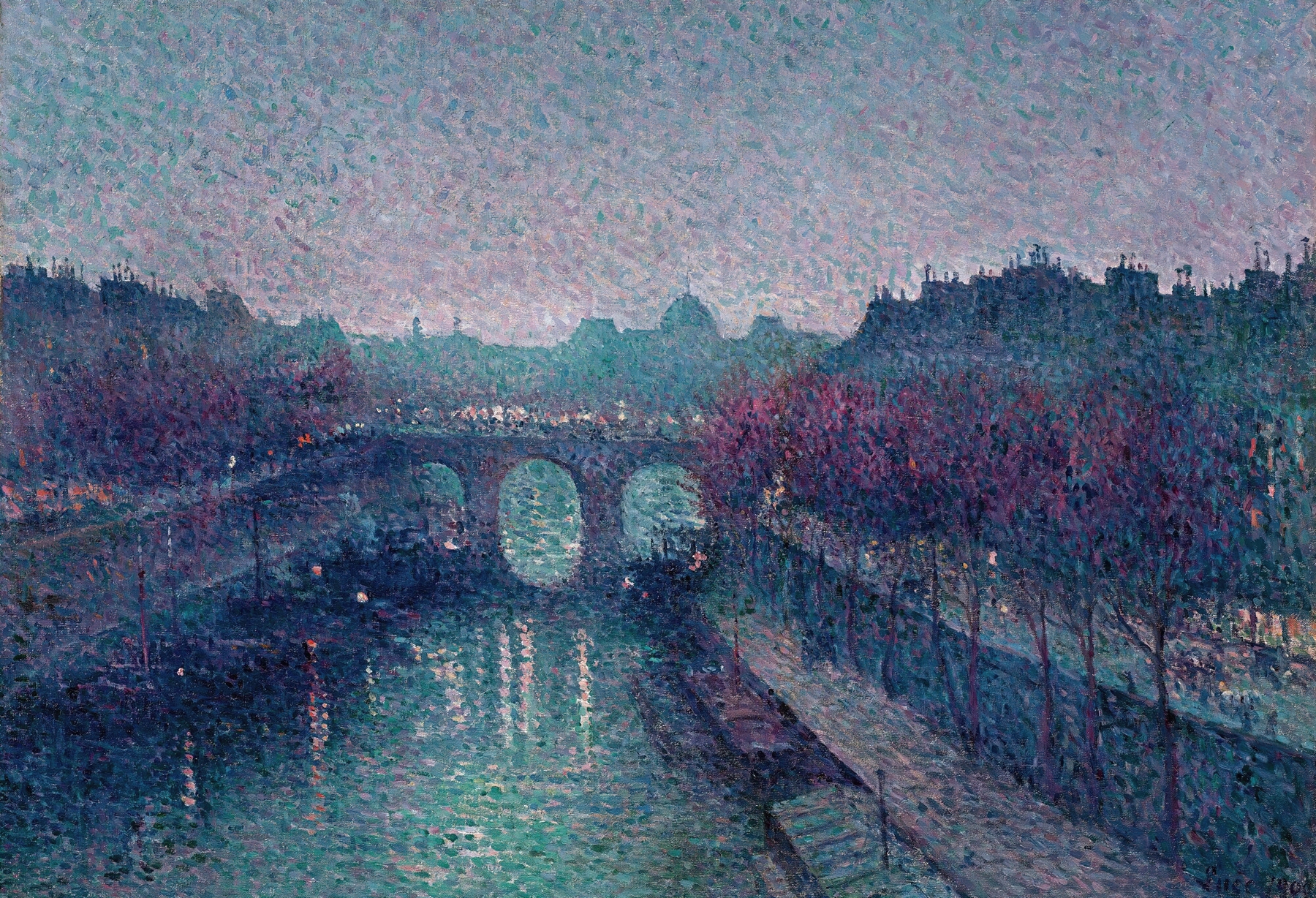
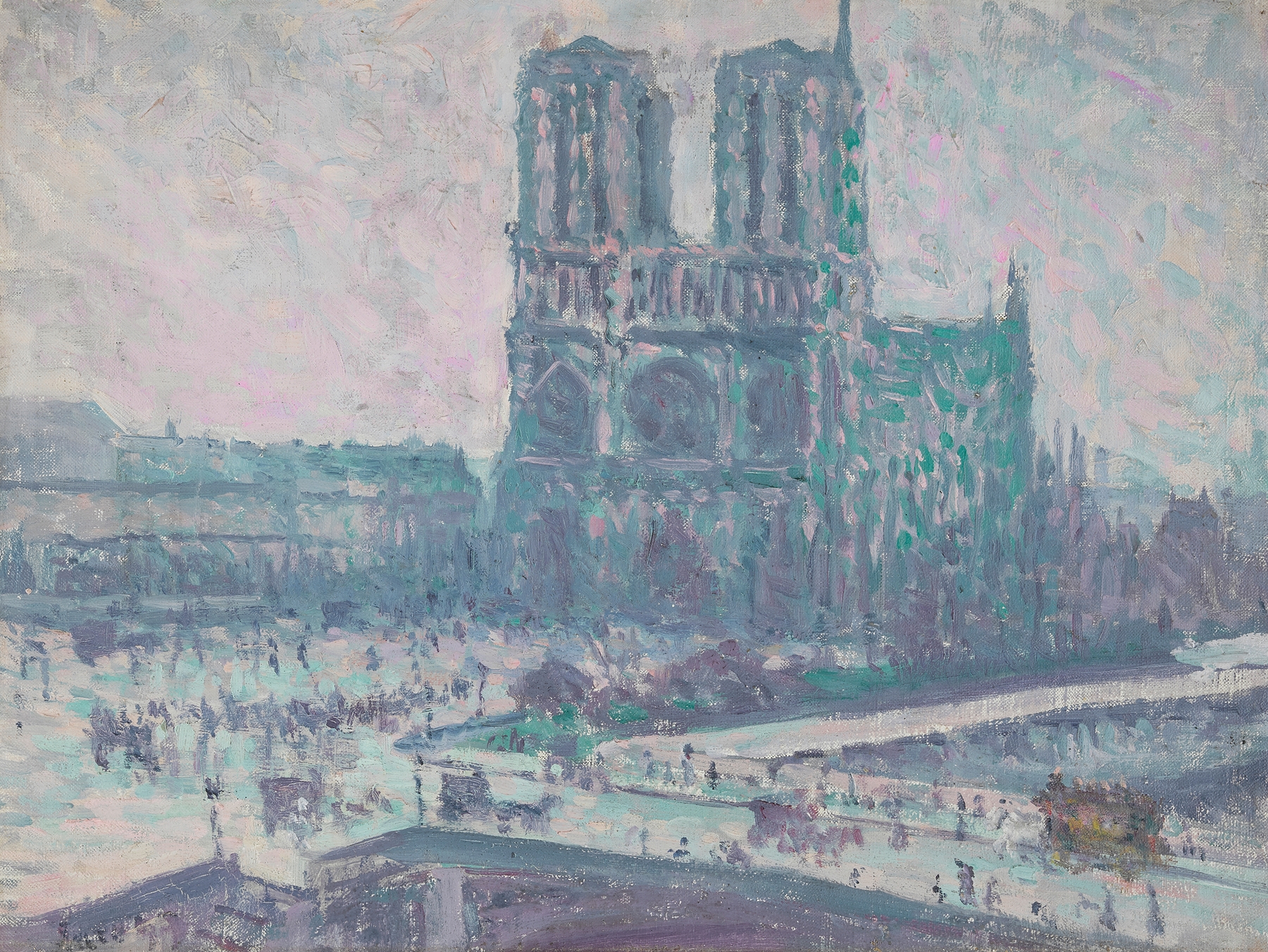
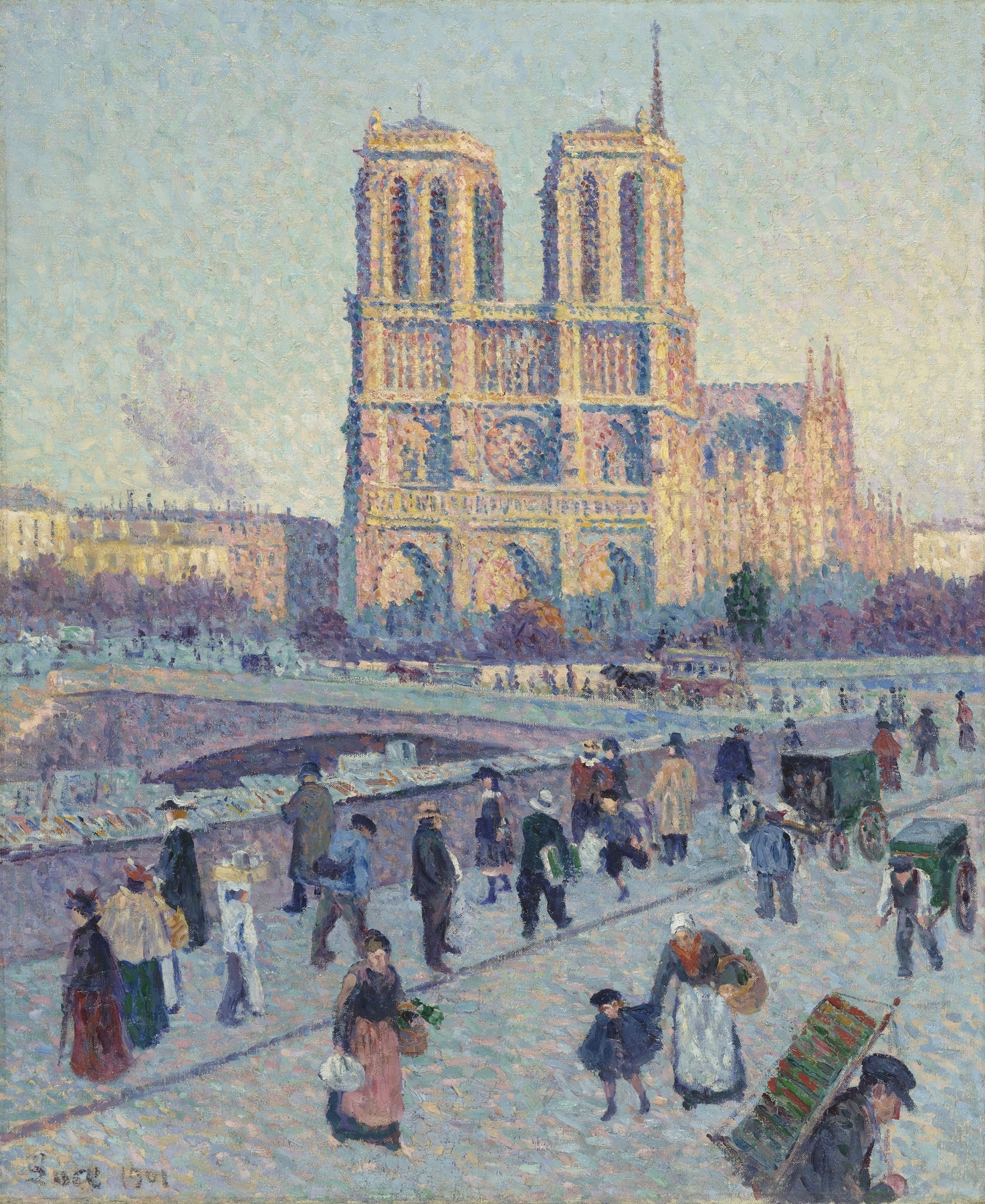
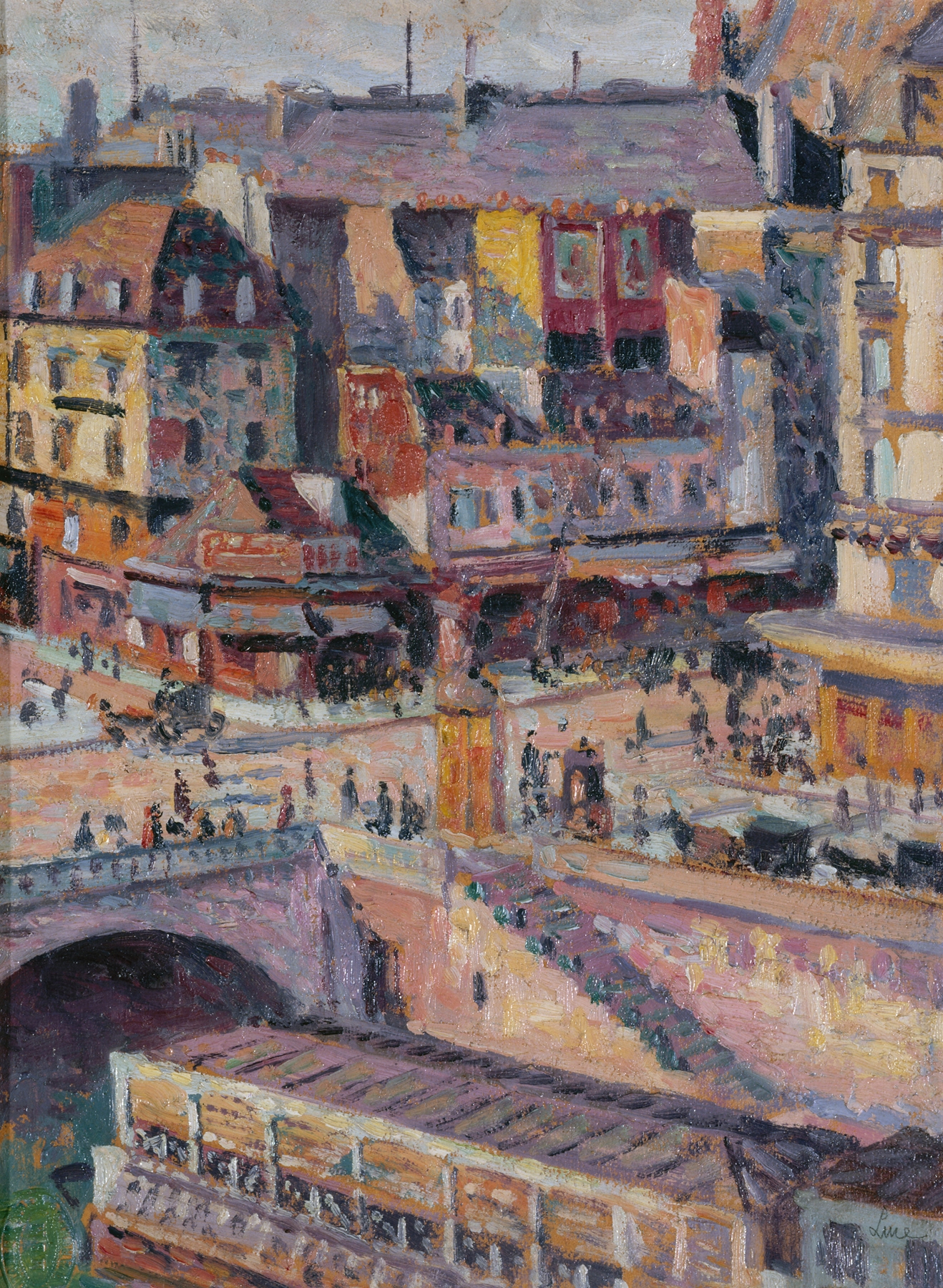
Can paint confess what words never could? In *Le pont Saint-Michel et le quai des Orfèvres*, a world unfurls that speaks directly to the soul, where illusion dances with reality. Look closely at the vibrant strokes that form the bridge, the very heart of the scene. The bold blues and greens suggest a life pulsing beneath the surface, while dappled sunlight flickers across the water, illuminating the activity on the quay with an ethereal warmth. Notice how the figures blend into the landscape, their gestures caught in moments of quiet contemplation or lively exchange, yet their features remain elusive, inviting us to explore the depths of their emotions. In this painting, the tension between the serene landscape and the human figures reveals a profound commentary on the nature of existence. The luminous water reflects not only the physical world but also an emotional undercurrent, suggesting that beneath the calm facade of daily life lies a complexity of feelings. The illusion of movement and stillness creates a paradox, urging the viewer to ponder how moments can encapsulate both joy and melancholy. Maximilien Luce created this piece before 1936, during a time of significant social change in France. As a member of the Post-Impressionist movement, he was influenced by the evolving artistic landscape that sought to capture the essence of modern life. Having experienced the vibrant energy of Paris, this work reflects his desire to depict the connection between humanity and the environment, eloquently showcasing a city that thrives both in its physicality and its spirit.