Le port, temps clair — History & Analysis
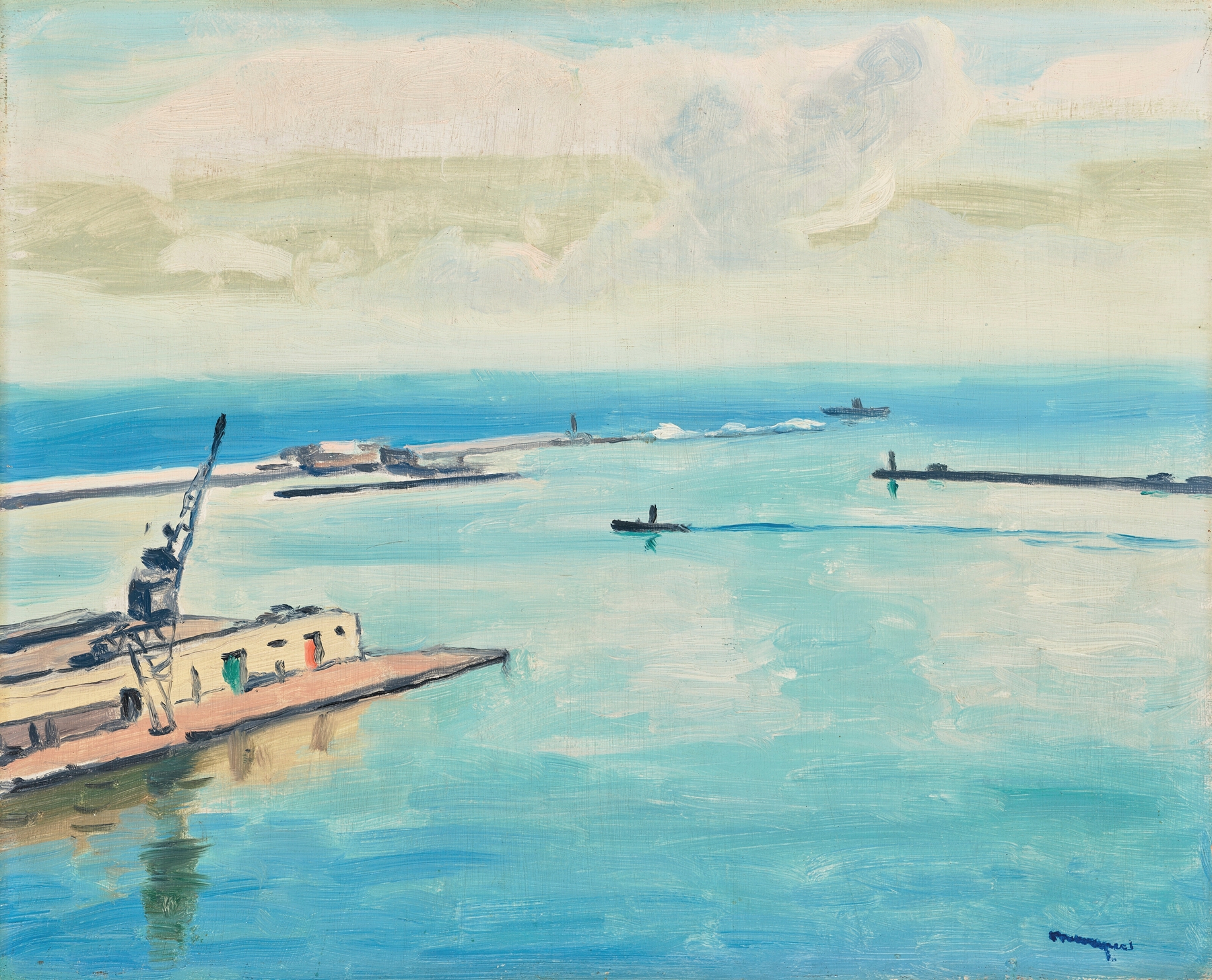
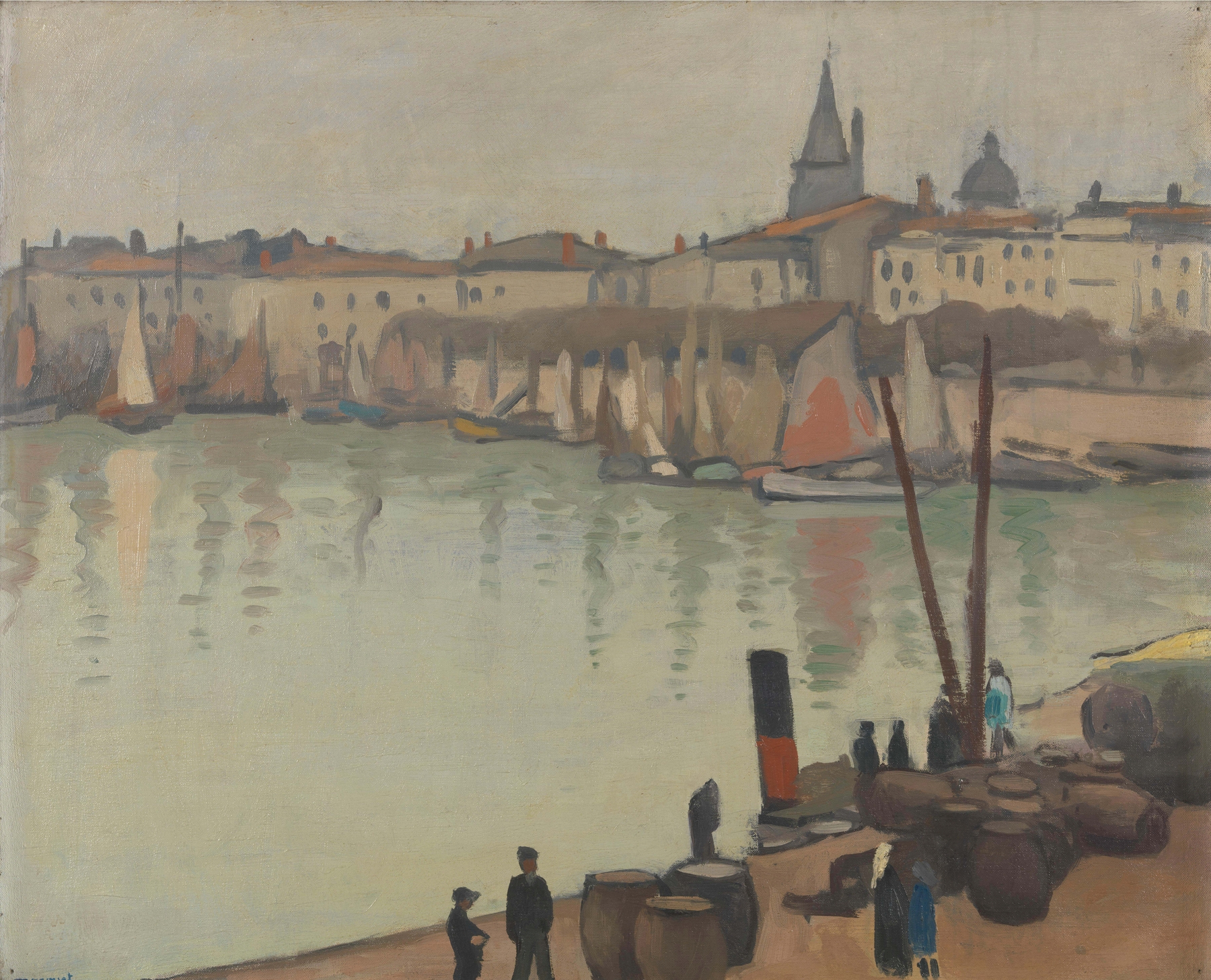
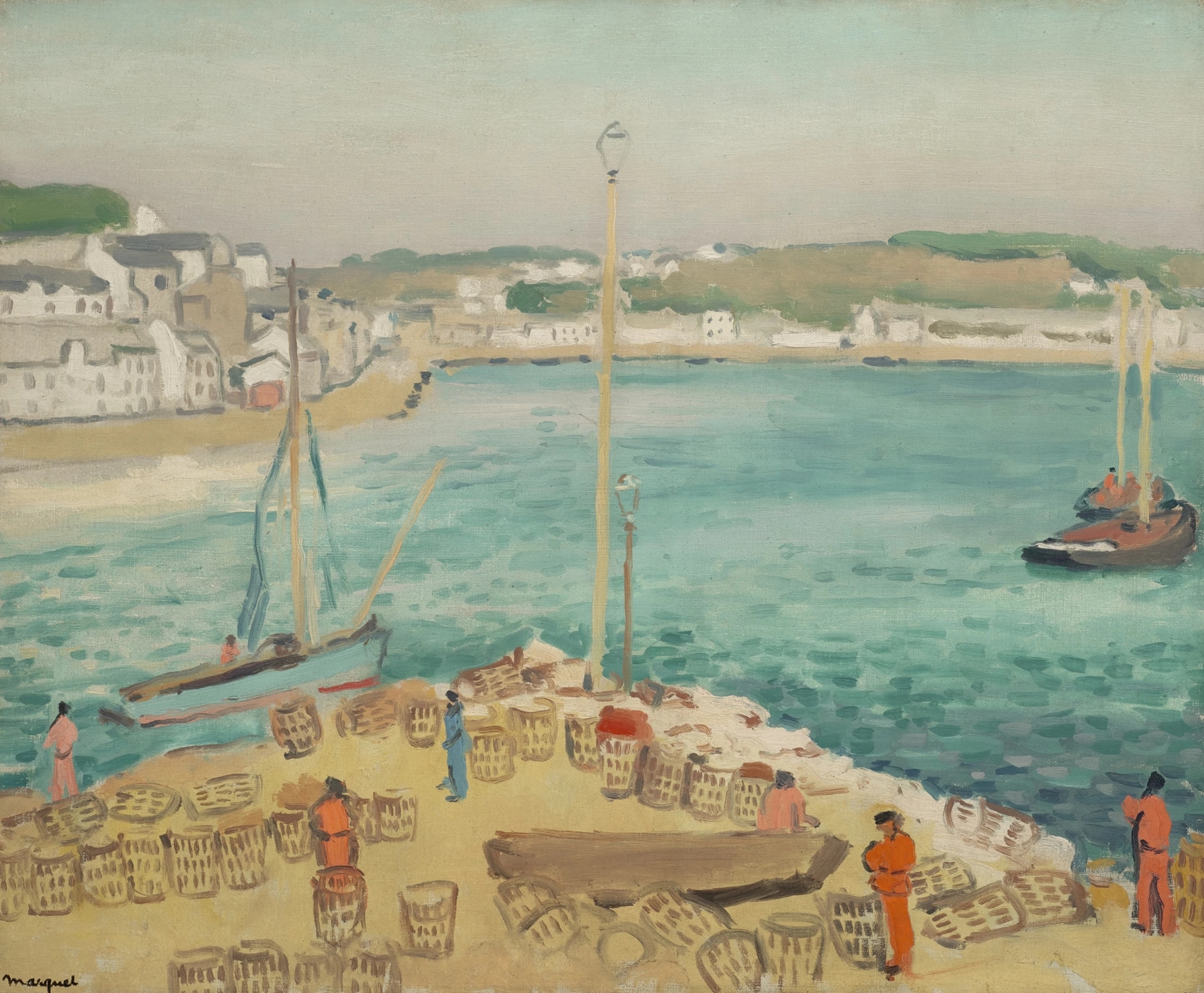
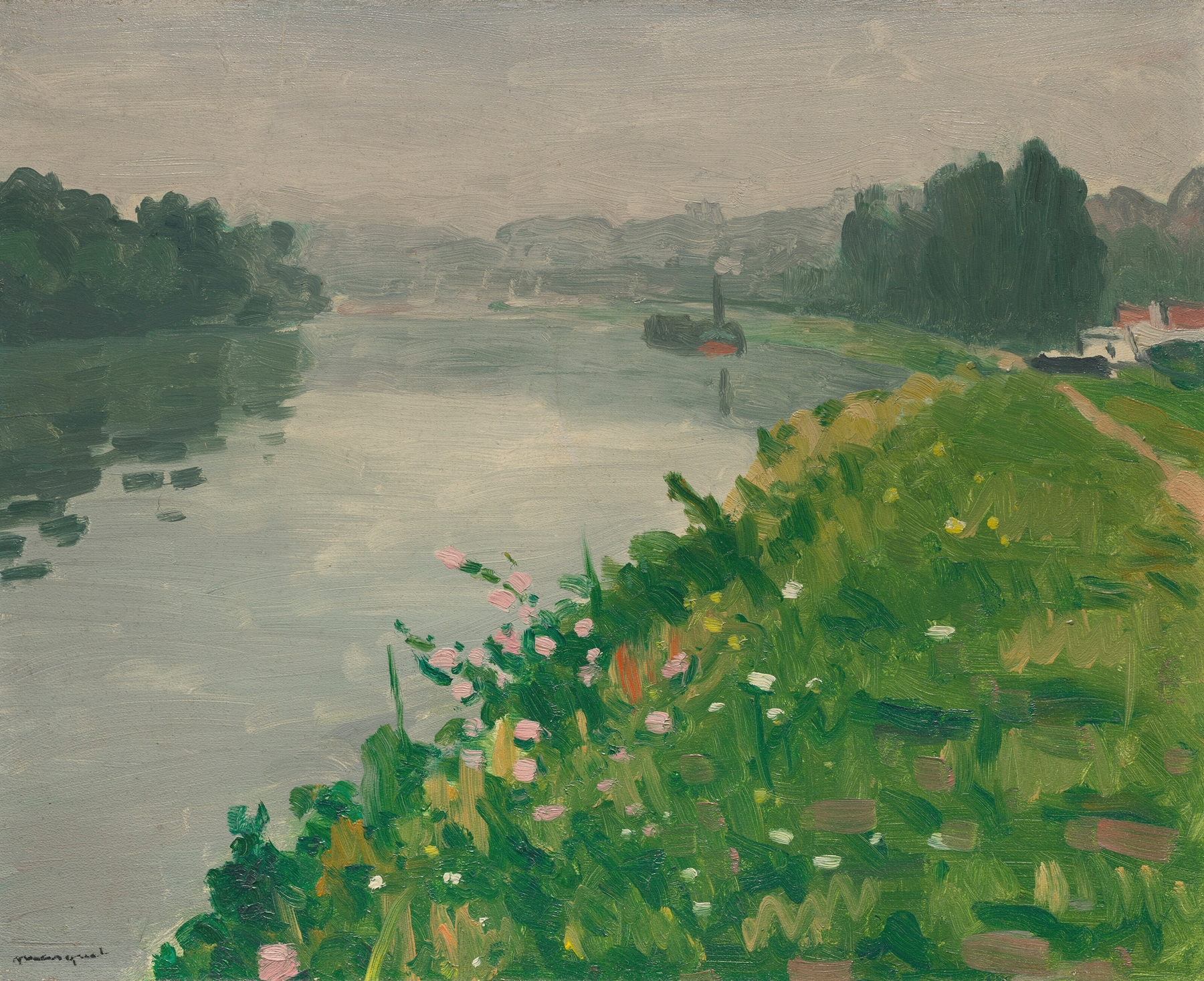
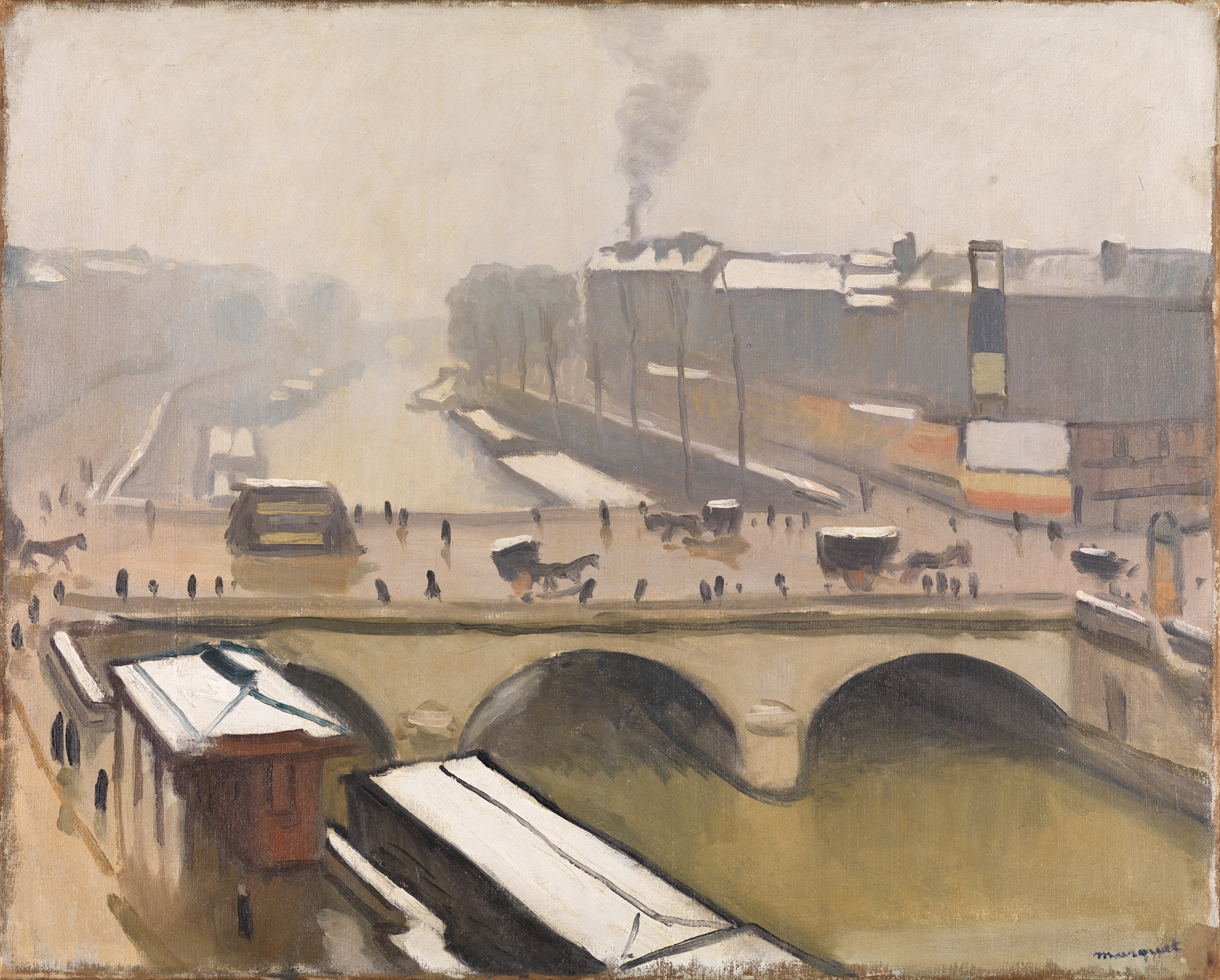
Is this a mirror — or a memory? In Le port, temps clair, the serene maritime vista transforms time and space, inviting viewers to delve into a world suspended between the tangible and the ethereal. Look to the left at the tranquil harbor, where boats gently sway against the soft lap of the water. The play of light dances upon their hulls, creating a shimmering reflection that draws your gaze.
Notice how the palette of blues and whites evokes a sense of calm, while the brushwork hints at the artist’s deft ability to capture both stillness and movement. The composition is balanced yet dynamic, with the horizon suggesting an infinite expanse—an invitation to contemplate the divine nature of the scene. Deeper insights emerge as you explore the juxtaposition of shadow and light within this tranquil setting. The boats, stark against the luminous sky, symbolize both freedom and vulnerability, their presence eliciting thoughts of journeys yet to be taken.
There’s a pulse of life woven into the fabric of the painting, where every wave and cloud seems to whisper secrets of the past and dreams of the future, blurring the lines between reality and memory. During the years 1942-1943, Albert Marquet painted this piece while living in France, a time overshadowed by World War II. Amidst political turmoil and personal challenges, he sought solace in landscapes that epitomized tranquility and beauty. In a world rife with chaos, his brush offered a refuge, expressing a yearning for divinity through simplicity and harmony.