Le Quai des Orfèvres et le Pont Saint Michel — History & Analysis
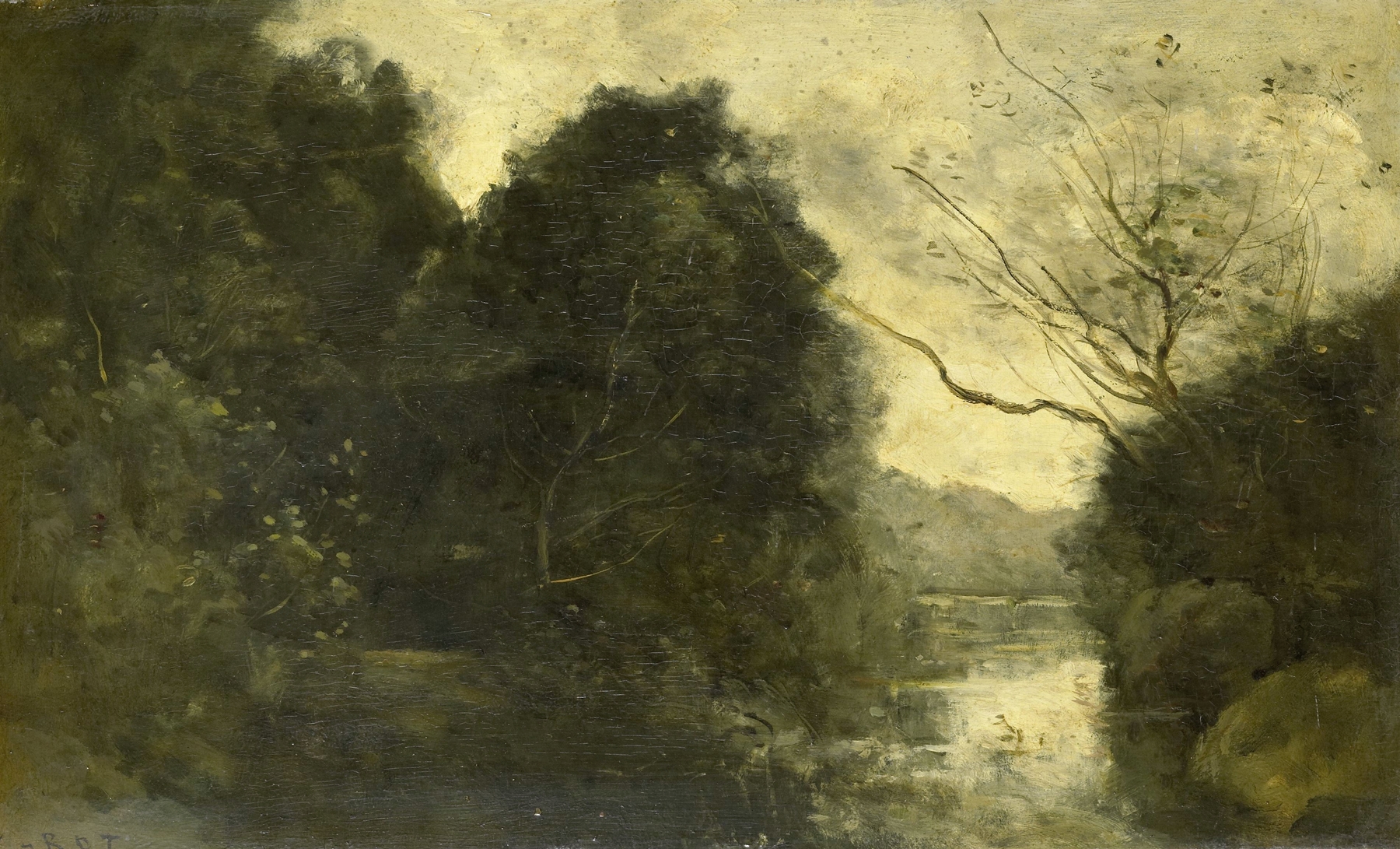
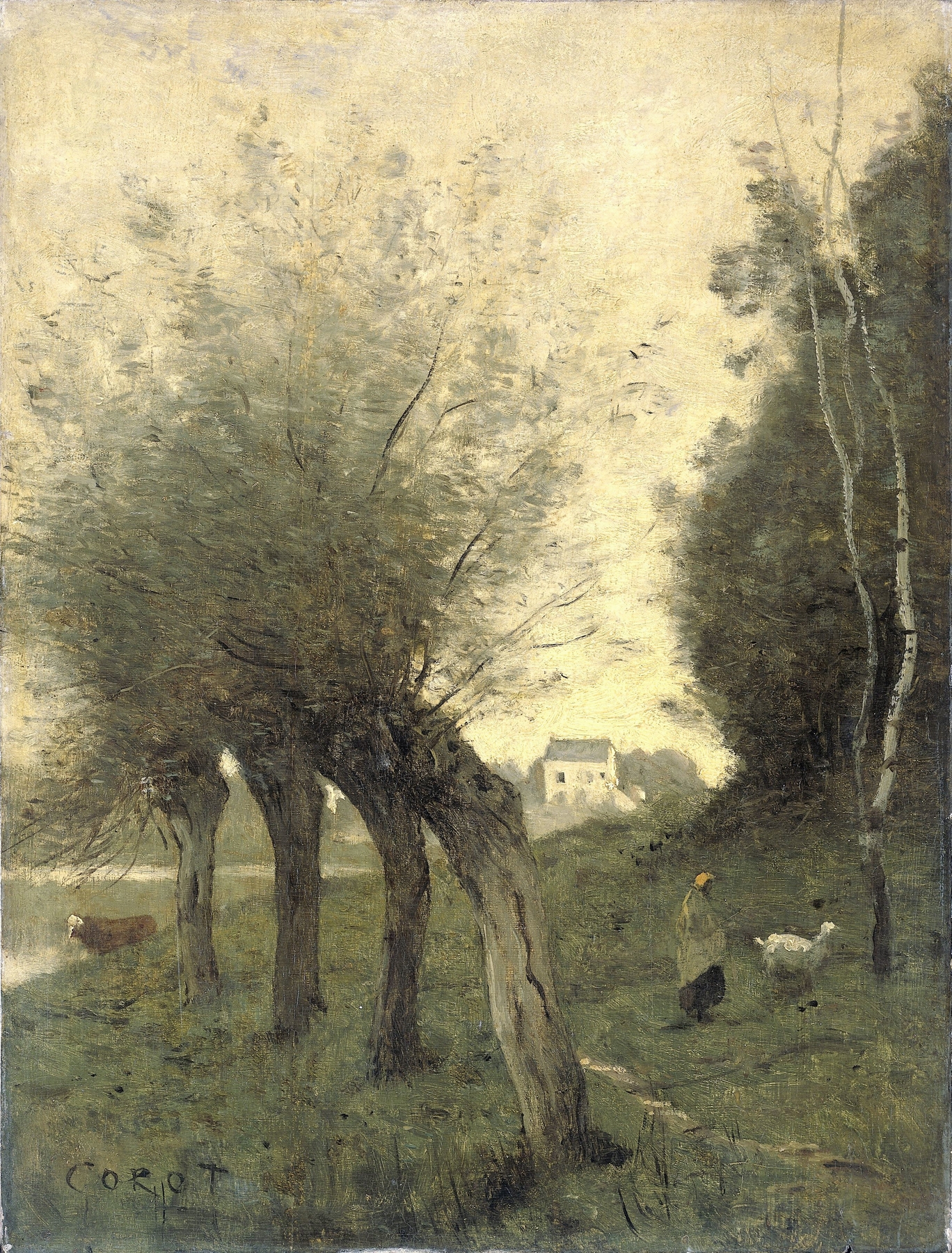
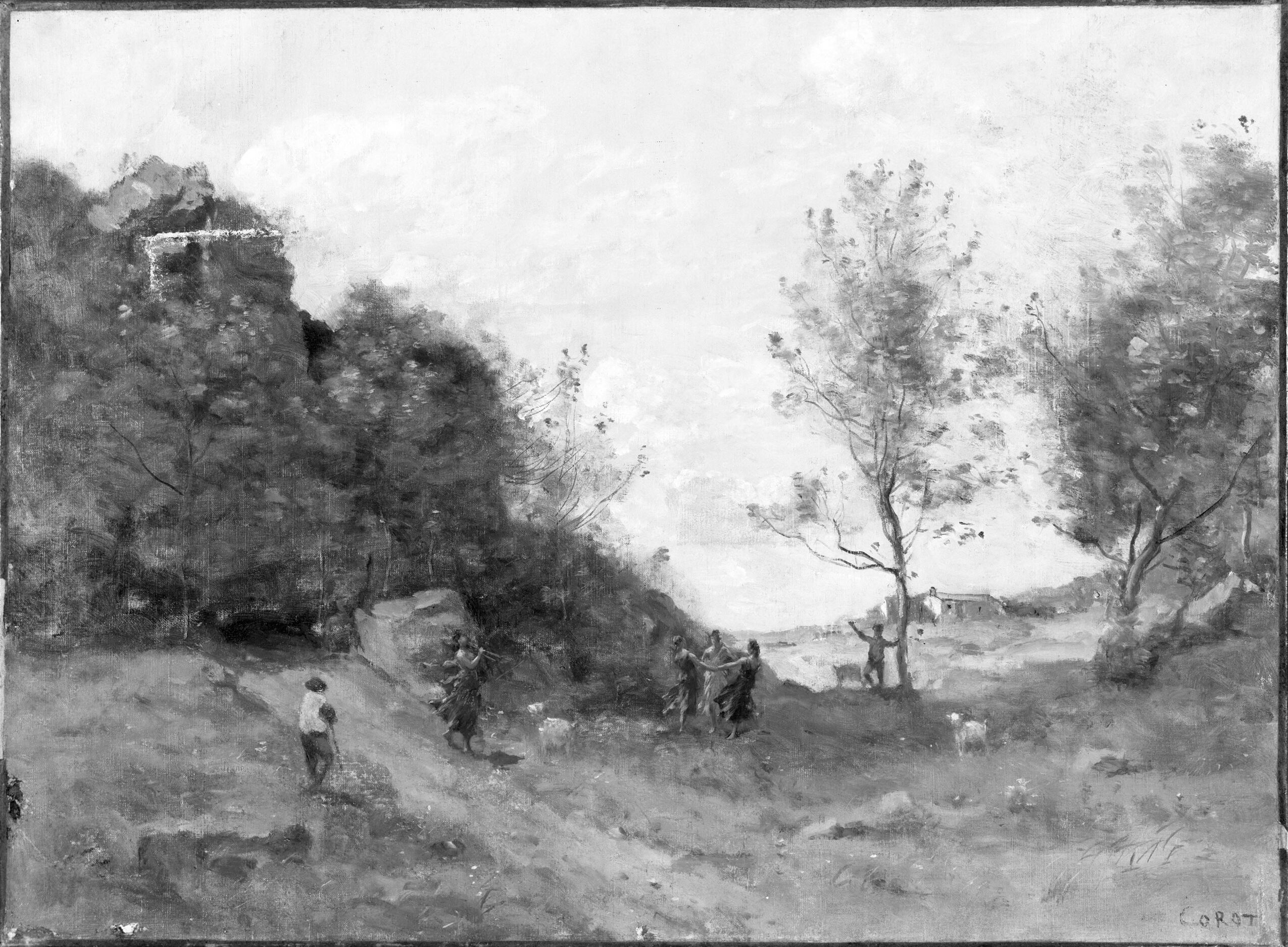
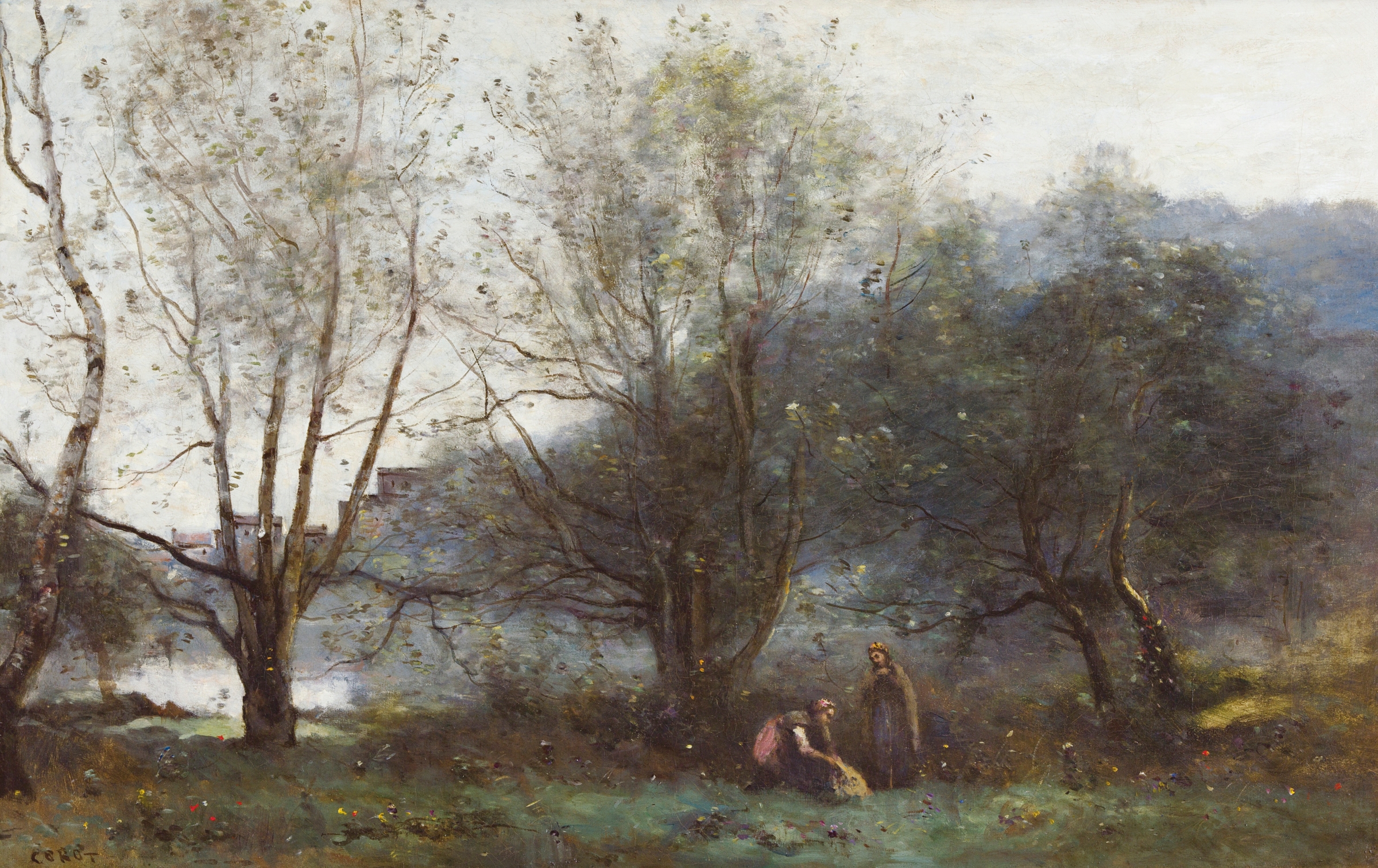
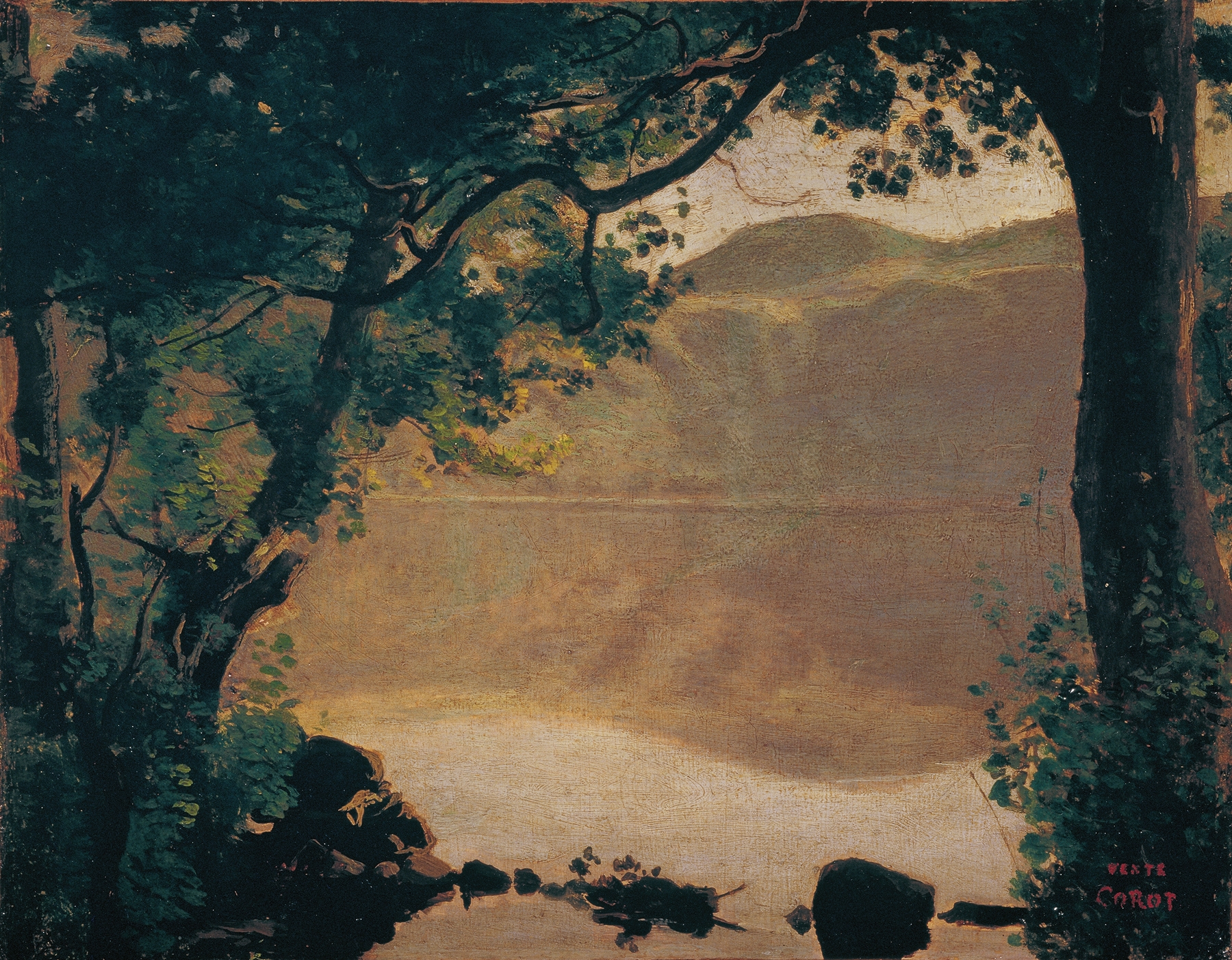
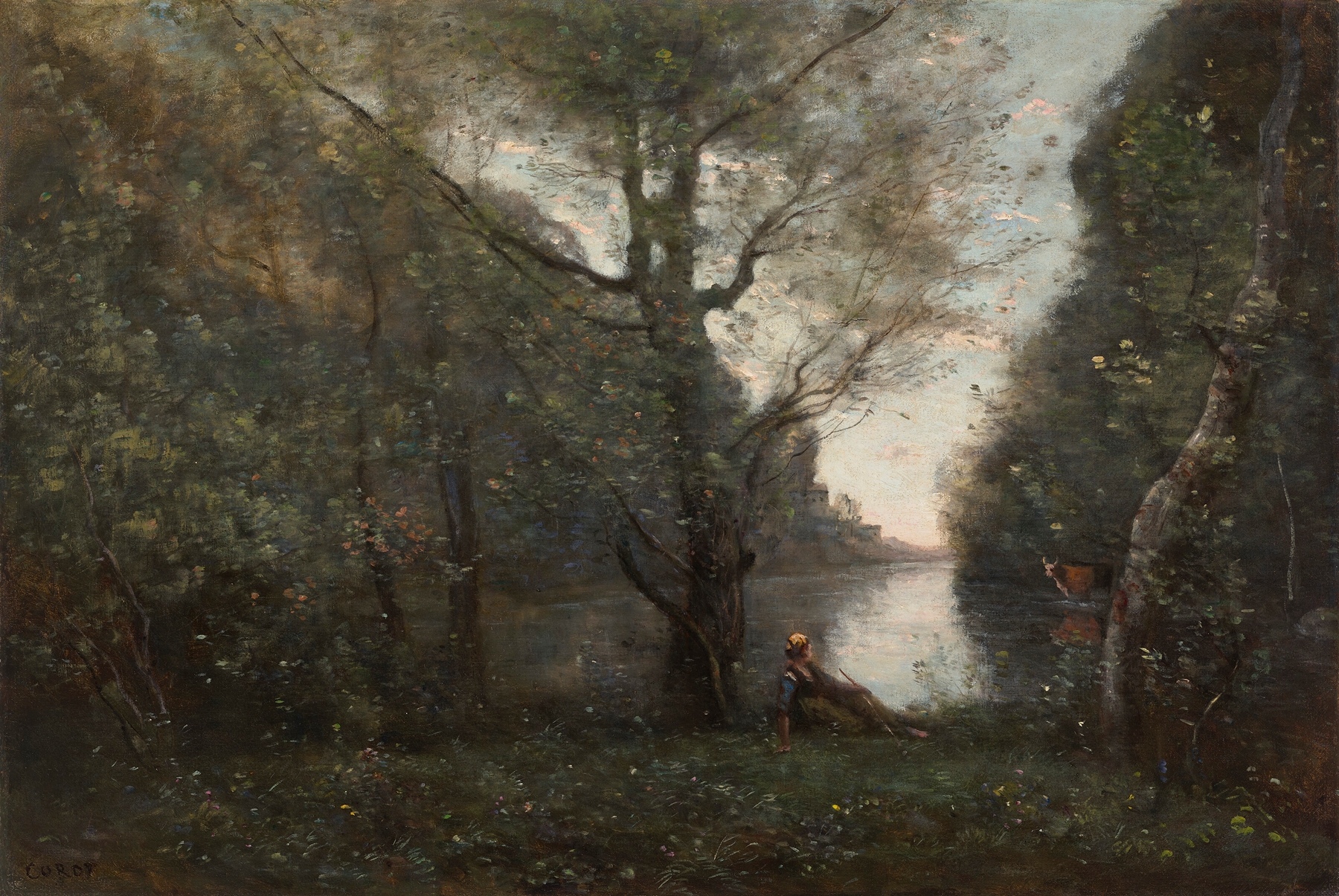
Did the painter know this moment would outlive them? In Le Quai des Orfèvres et le Pont Saint Michel, the stillness of the river reflects time itself, echoing the fleeting nature of life as it moves quietly beneath the bridges of Paris. Look to the left at the gentle arch of the Pont Saint Michel, where soft hues of blue and gray blend seamlessly into the warm, golden light of the setting sun. Notice how the reflections in the water shimmer like memories, stirring beneath the surface, inviting you to ponder what lies beneath the calm exterior.
The composition draws the eye through the painting—bridges leading to unknown destinations, while figures on the quay blend into the backdrop, emphasizing the harmony between humans and nature. The delicate interplay of light and shadow reveals contrasts between permanence and transience. The sturdy architecture of the bridge stands resolute against the ephemeral ripples of the water, suggesting the tension between the manmade and the natural. The quiet presence of the onlookers, absorbed in their own thoughts, heightens the sense of introspection.
Each brushstroke resonates with the beauty of ordinary moments that define human experience—the soft whispers of the past captured in an instant. In 1833, Corot was immersed in the evolving world of Romanticism, painting in Paris where the city was a hub of artistic innovation. This work reflects his fascination with the interplay of light and atmosphere, a hallmark of his style, as he sought to capture not just a scene, but the essence of time and place. At this moment, Corot was establishing his reputation, navigating the complex relationships within the art community, and redefining landscape painting with his unique perspective.