Leicht bewegte See mit Schiffen — History & Analysis
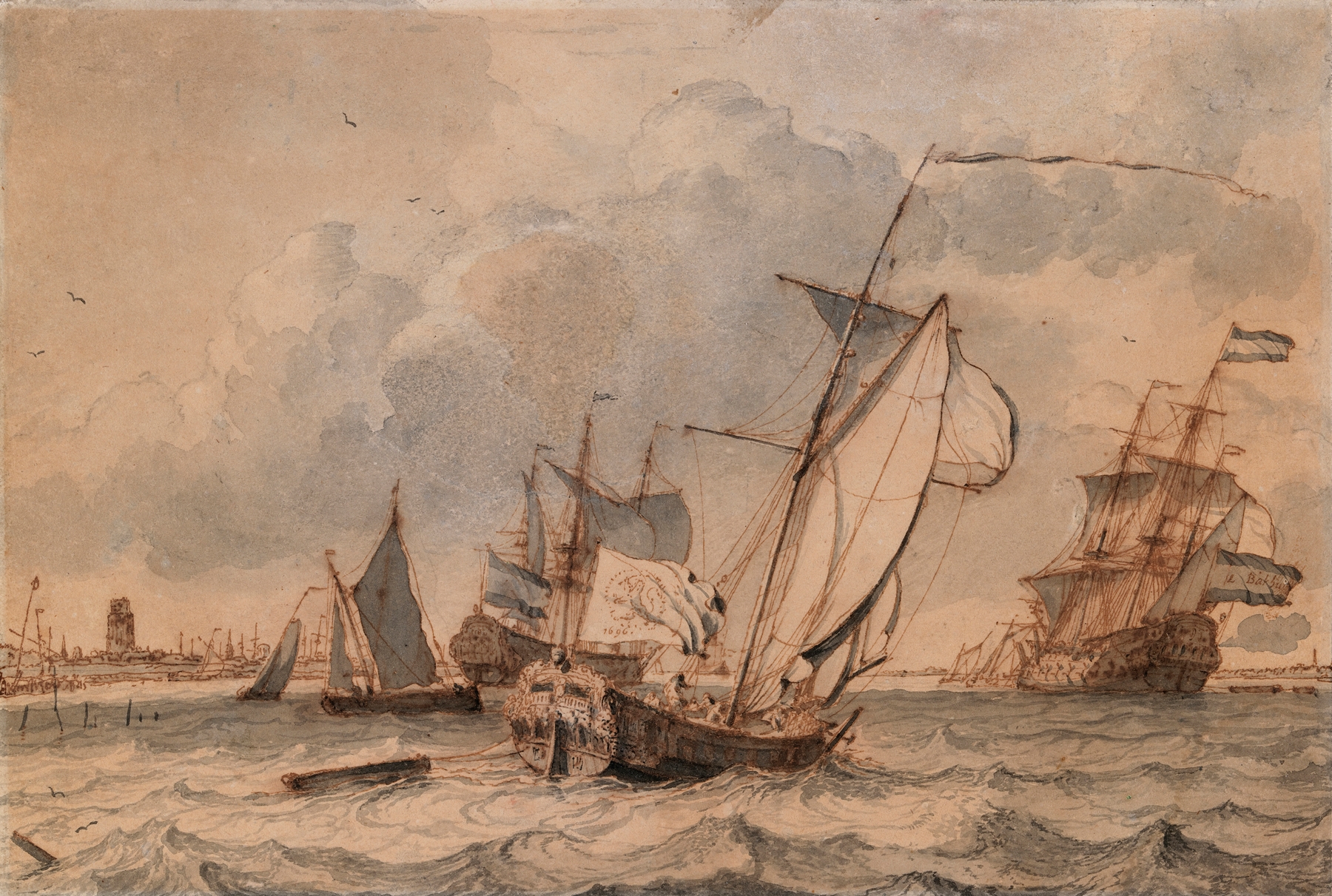
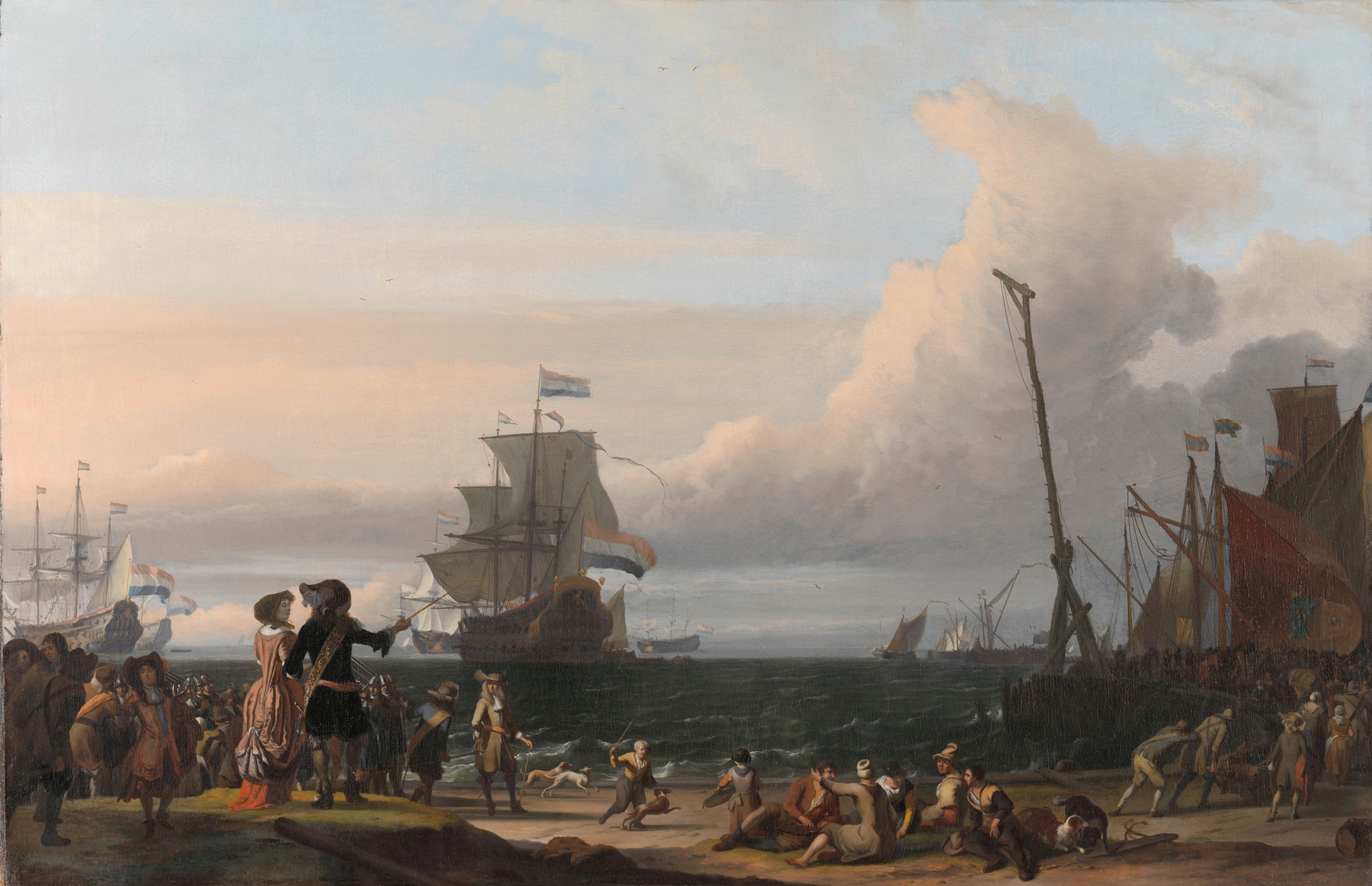
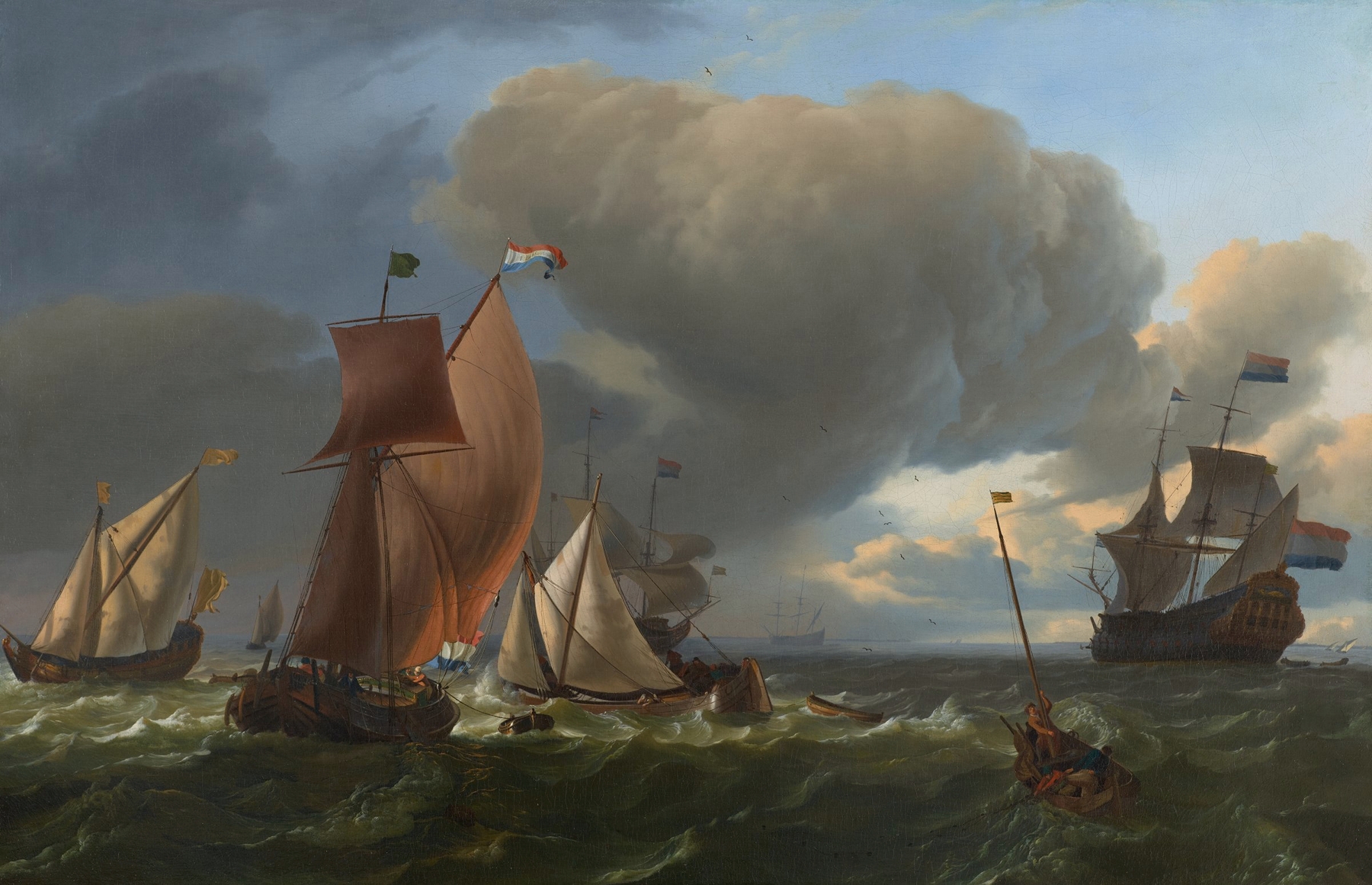
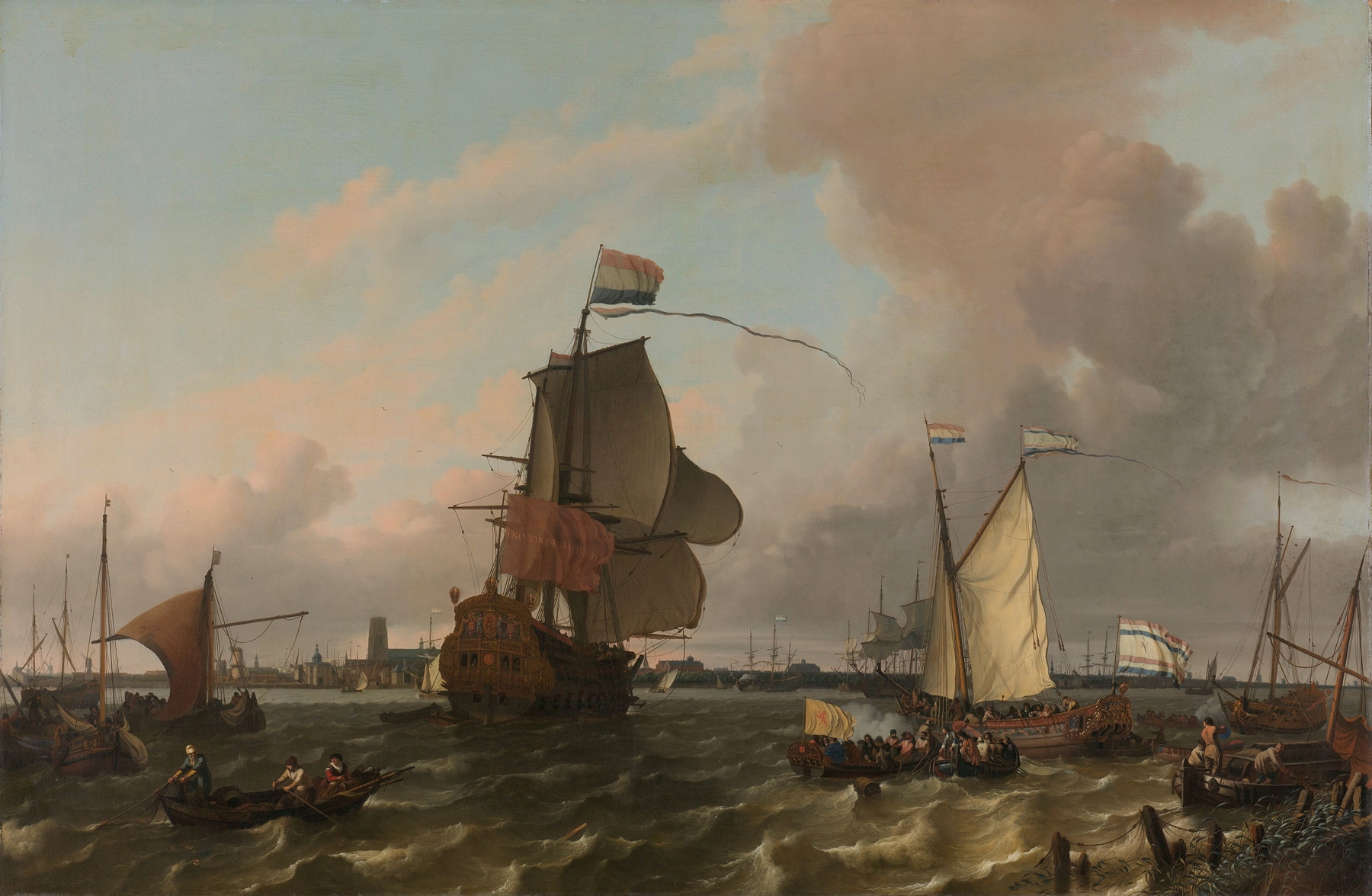
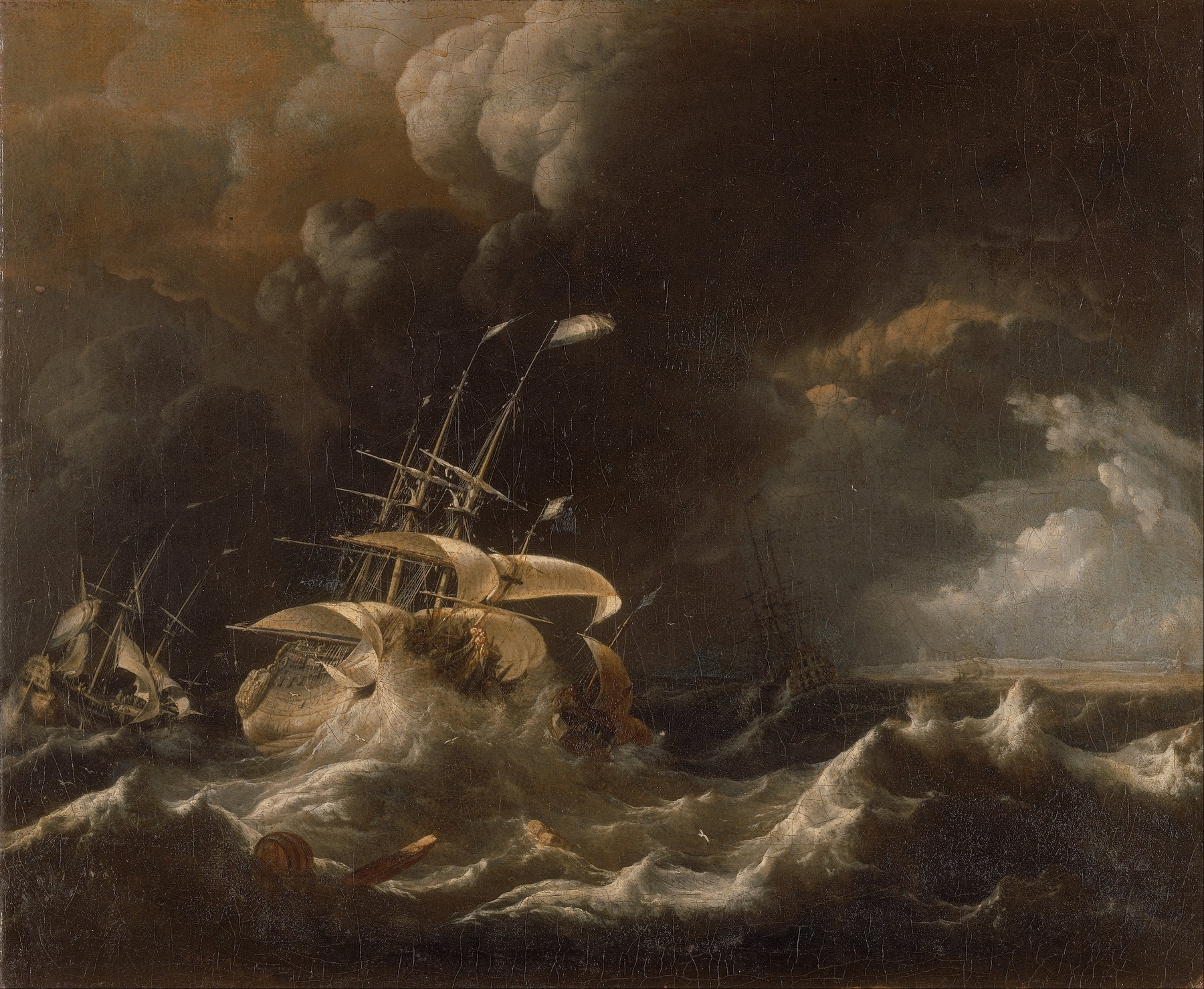
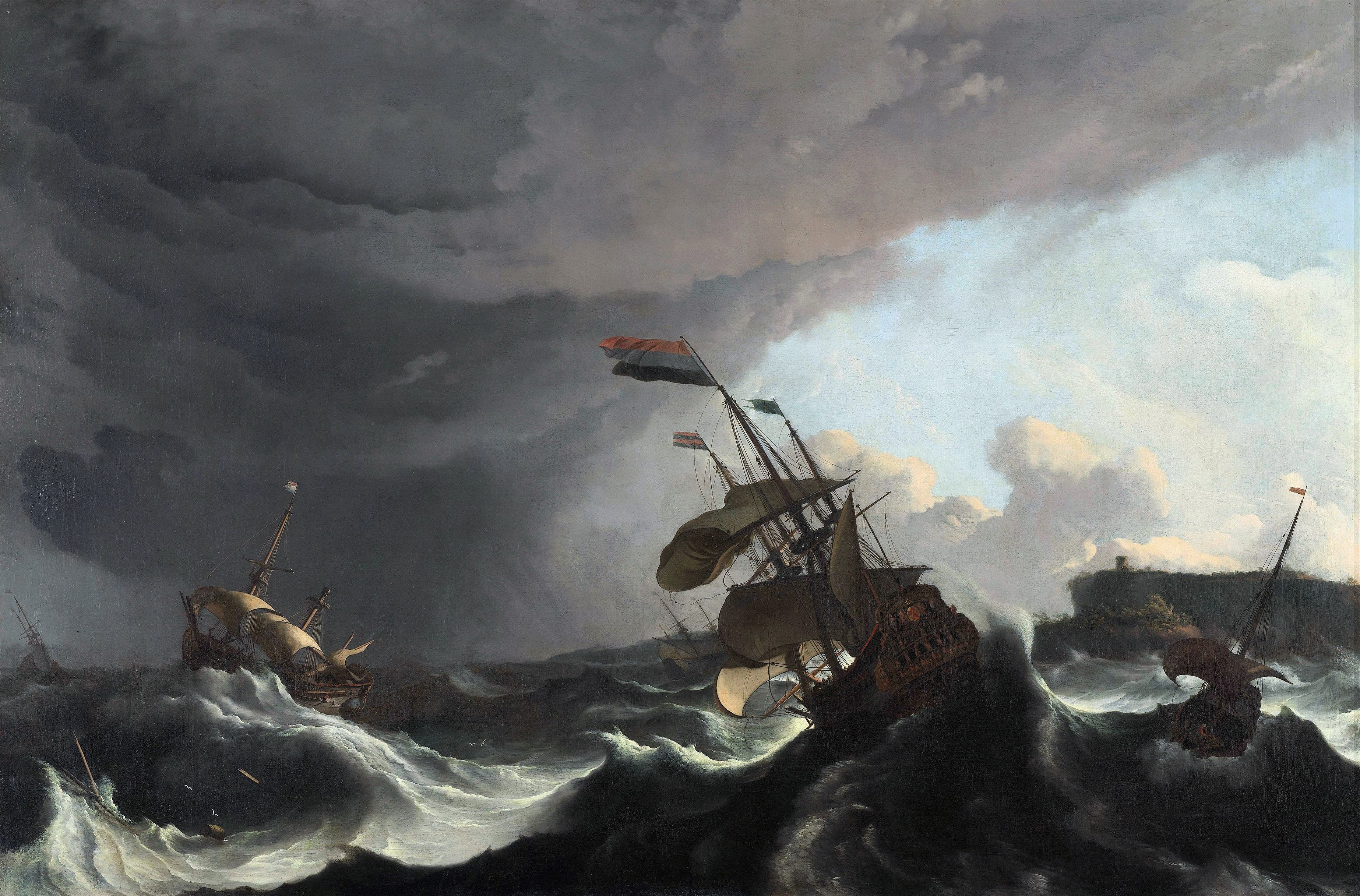
What if beauty was never meant to be finished? The delicate balance between the serene and the tempestuous is captured in a fleeting moment on the canvas. Look to the center of the painting, where a trio of ships glides across the water. Their billowing sails catch the light, a vivid contrast against the swirling hues of the sky, blending cerulean with shades of ochre.
Notice how the gentle waves reflect this interplay of color, creating a dynamic harmony that feels almost alive. The artist’s deft brushwork emphasizes the fluidity of water, inviting you to consider the fragility of life and nature, as the vessels navigate their path. As you draw closer, subtle details emerge: the ripples that suggest unseen currents beneath the surface, and the distant horizon that hints at a world beyond reach. This tension between tranquility and motion speaks volumes; it mirrors the transient nature of beauty itself.
The painting evokes a sense of vulnerability amidst the grandeur, encouraging contemplation on how quickly these moments can pass, leaving only echoes in their wake. Ludolf Backhuysen painted this work during a time when maritime scenes were becoming increasingly popular in 17th-century Dutch art. Working primarily in Amsterdam, he was well-known for his powerful seascapes and skillful depiction of light on water. This period marked a flourishing of landscape painting, reflecting not only the beauty of nature but also the human experience intertwined with it, as trade and exploration opened new horizons for both the artist and society.