View of the Amsterdam Harbour at the IJ River — History & Analysis
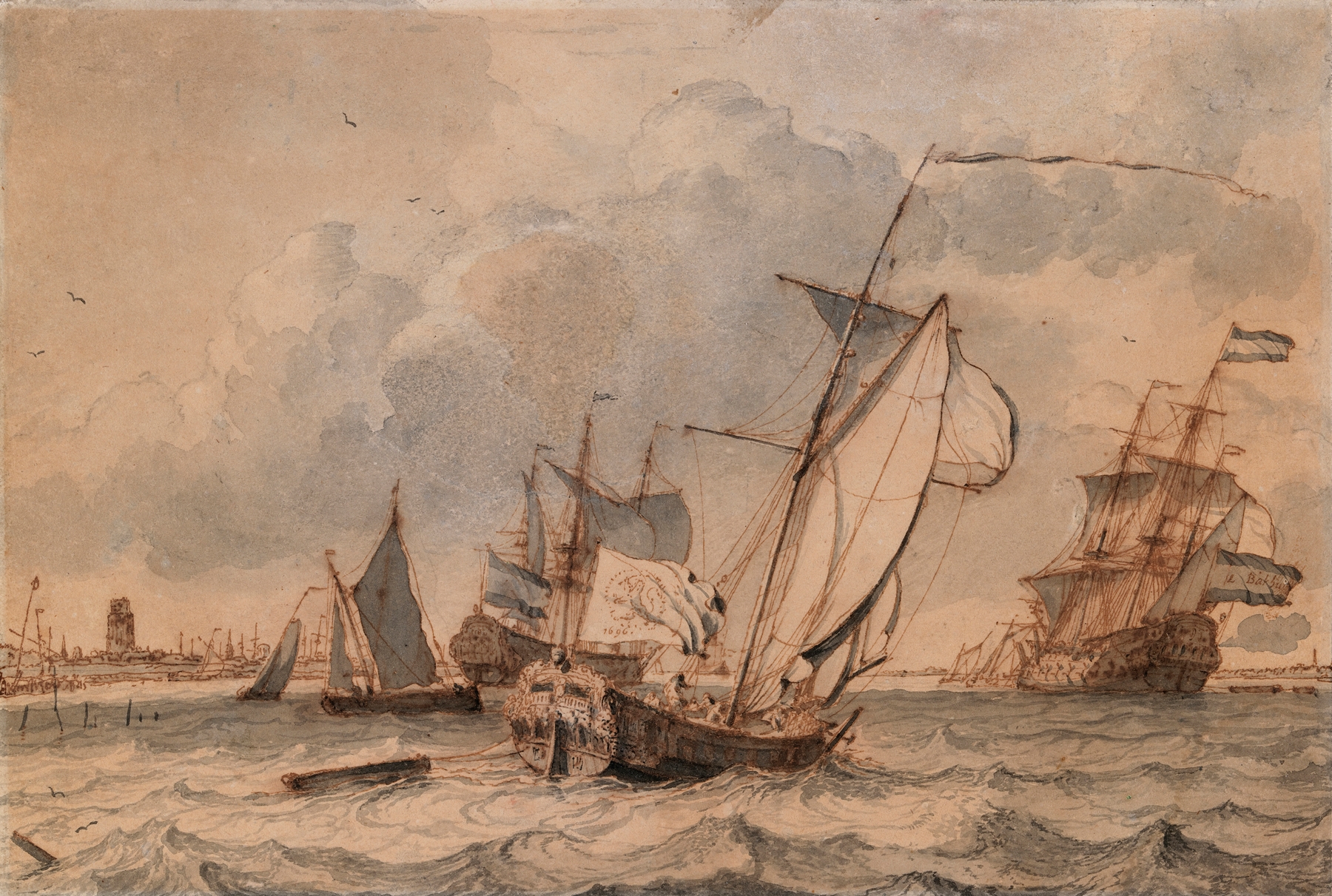
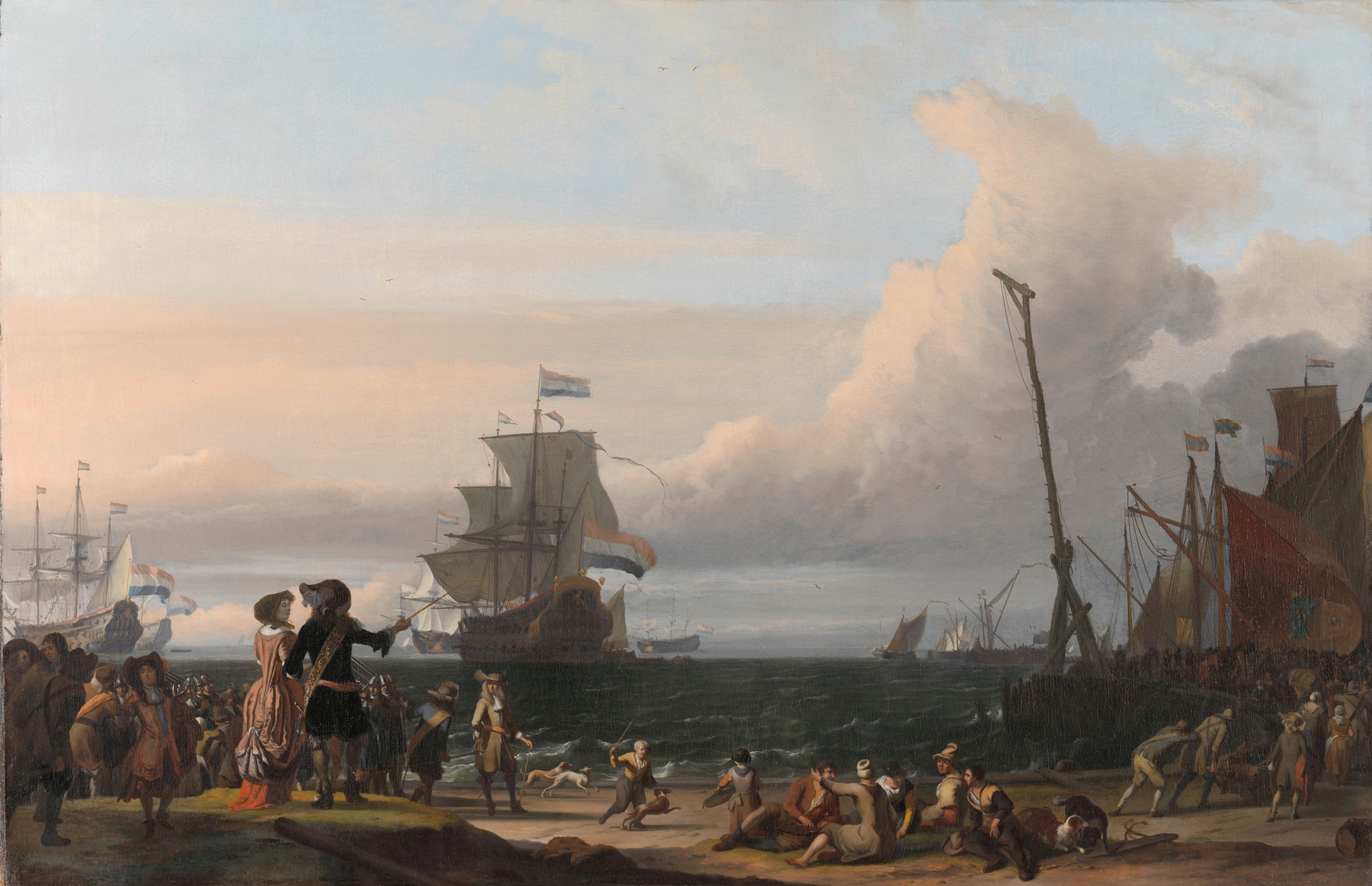
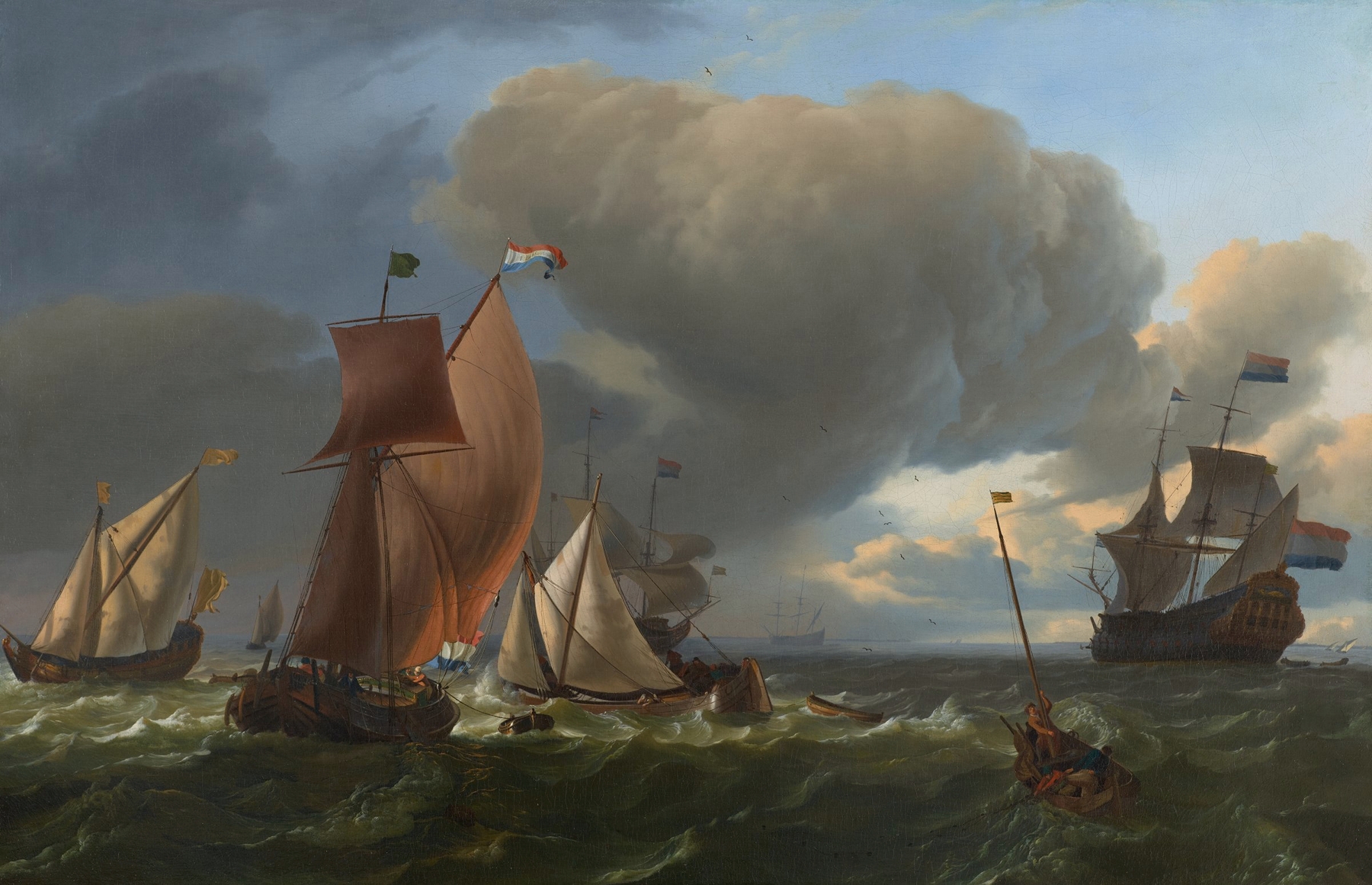
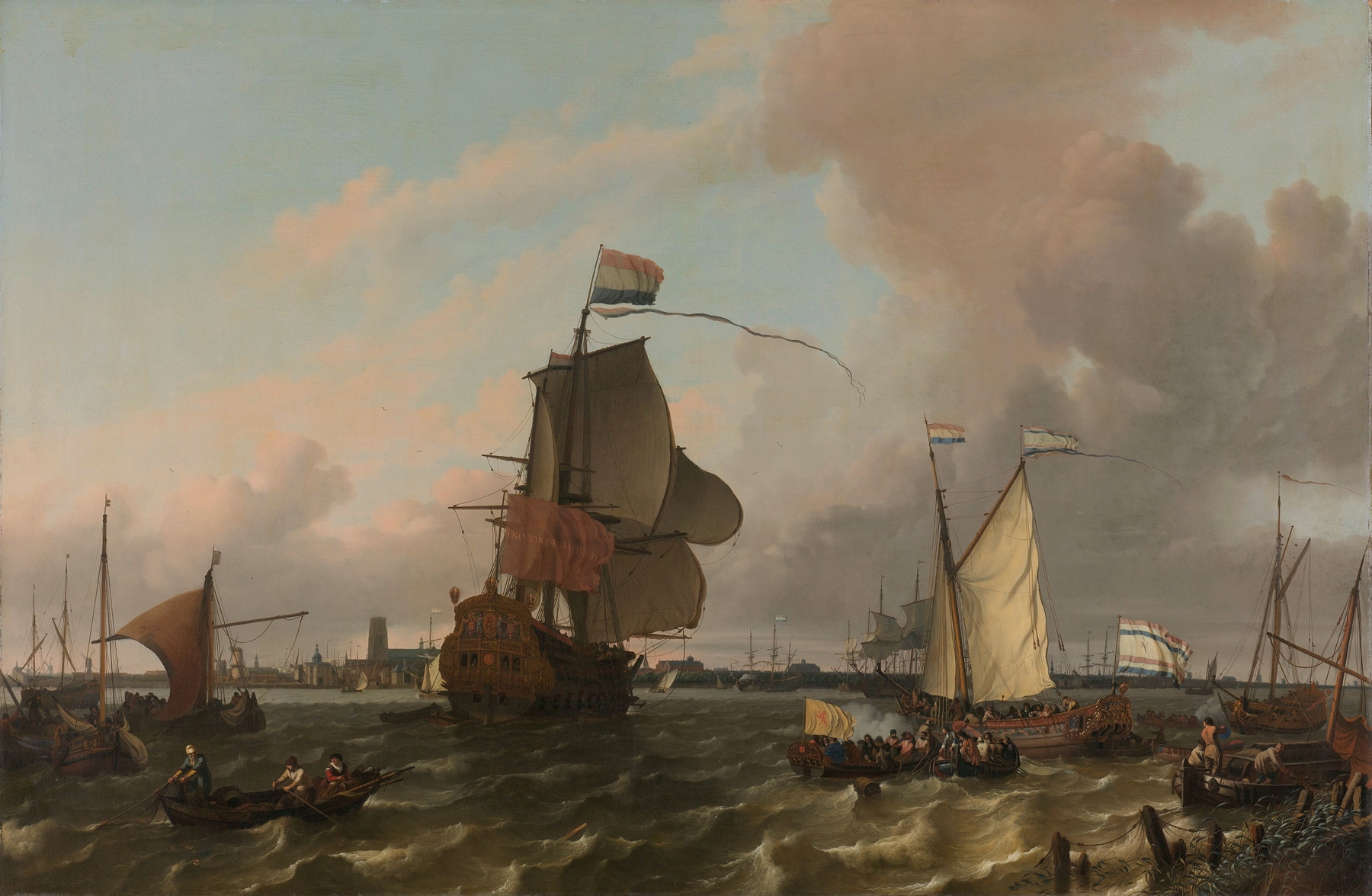
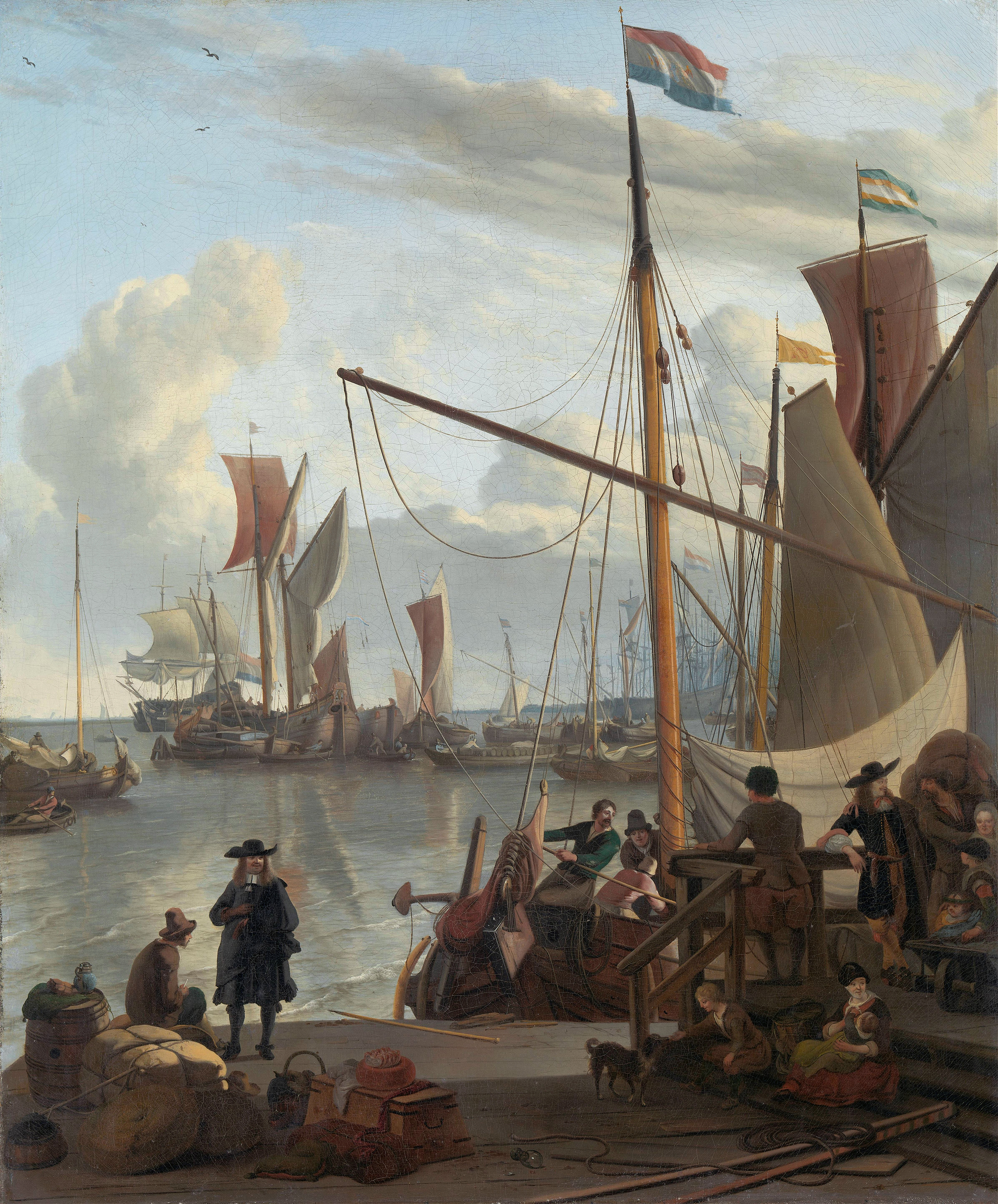
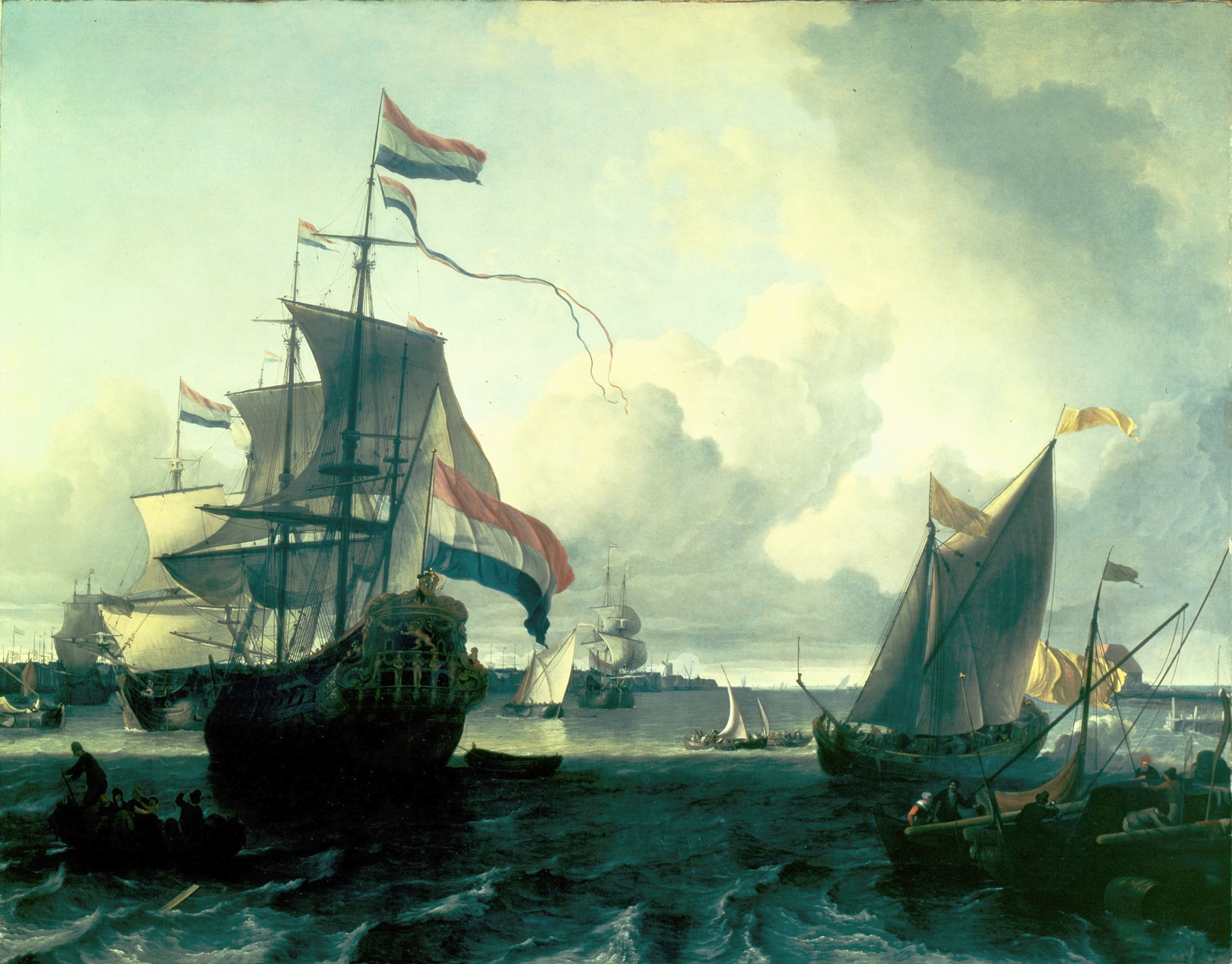
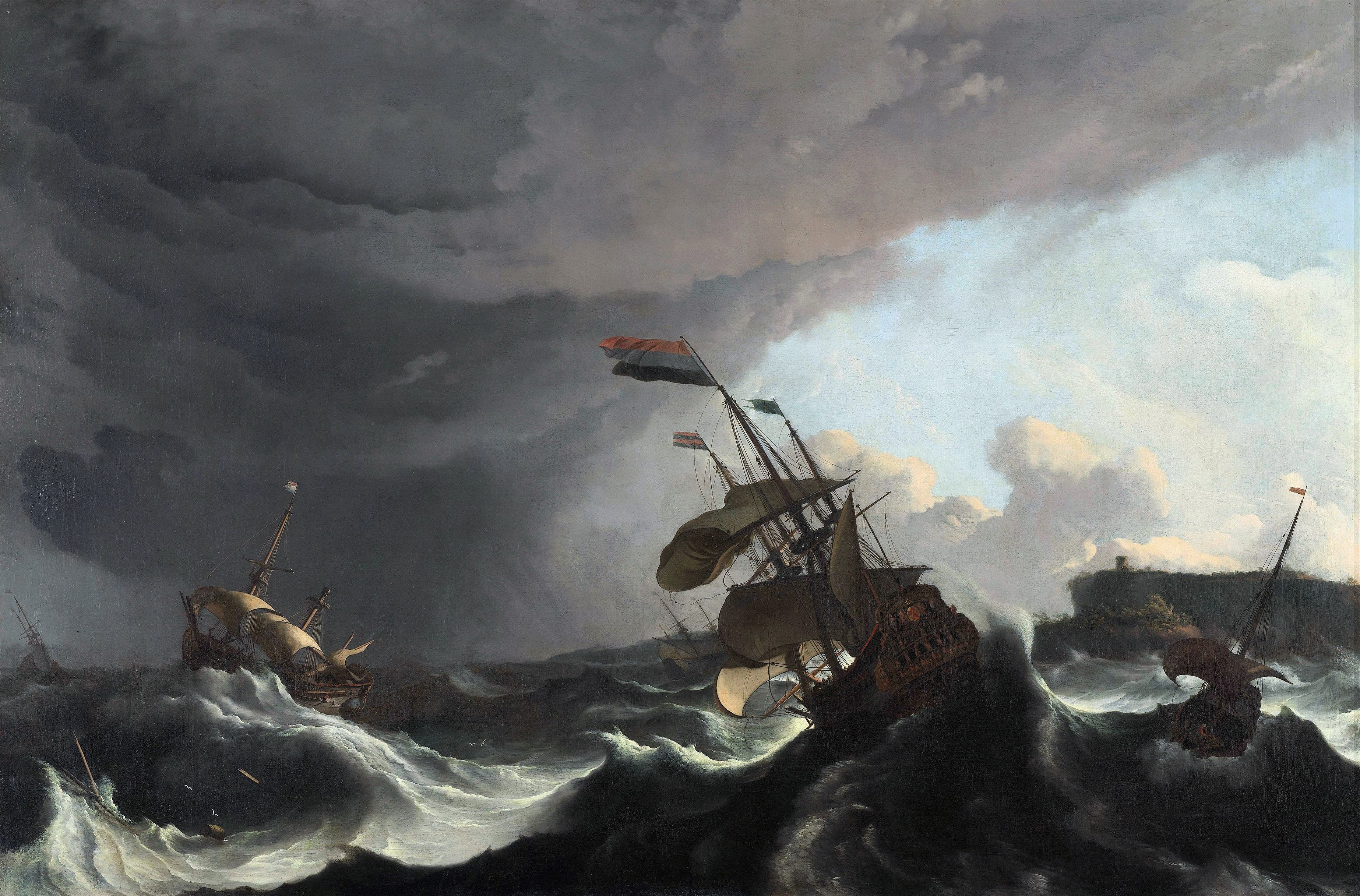
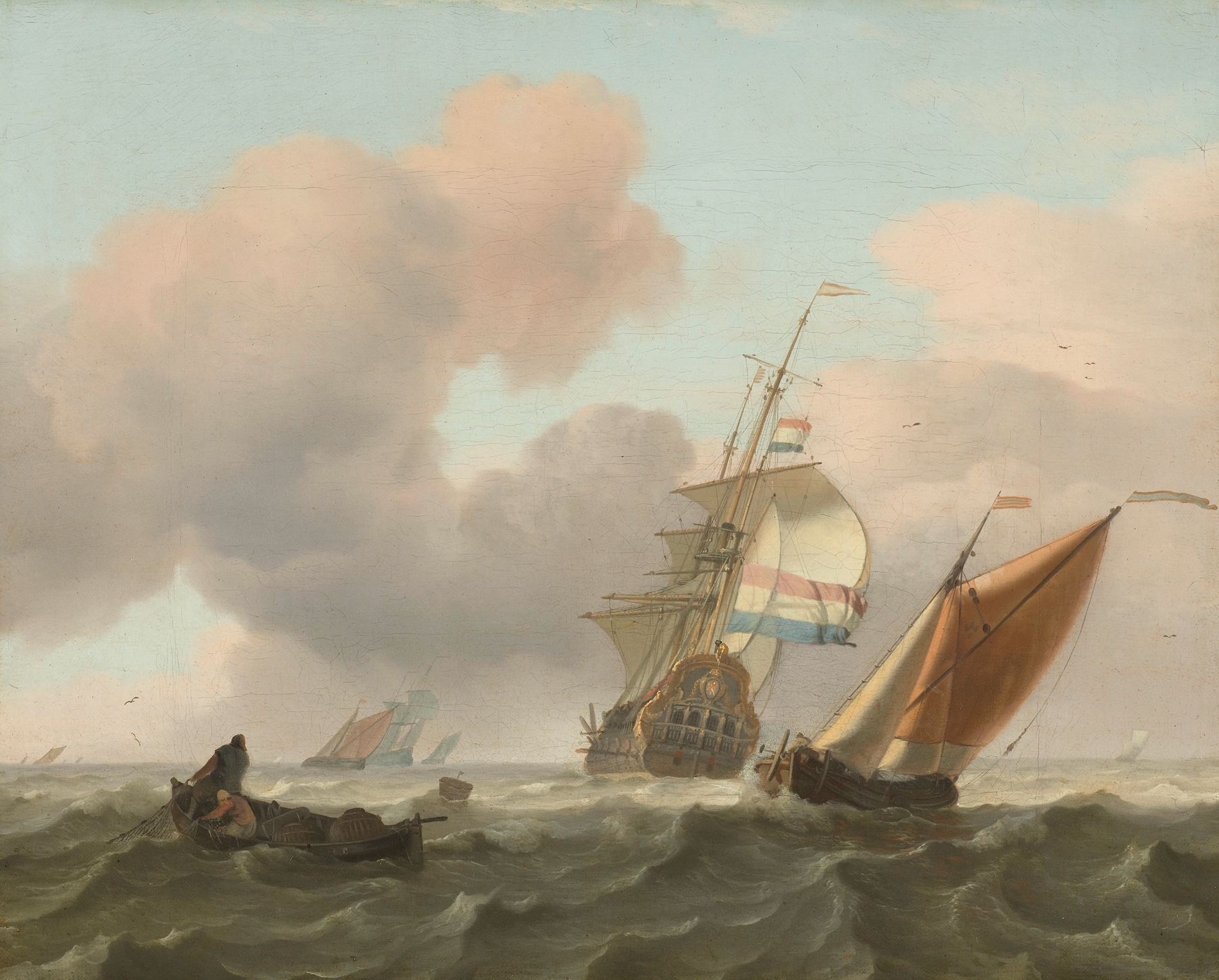
“The canvas doesn’t lie — it simply waits.” In the stillness of a moment captured in time, destiny hovers over the rippling waters, seemingly inviting us to plunge into its depths. Look to the left at the bustling vessels moored along the quayside, their sails taut against the gentle breeze. The artist’s meticulous brushwork and vibrant palette breathe life into the scene, capturing the gleam of sunlight dancing on the IJ River. Notice how the interplay of light and shadow delineates the figures engaged in their daily labor, embodying the spirit of 17th-century maritime trade. Each element, from the delicate reflections in the water to the warmly painted buildings in the background, works harmoniously to envelop the viewer in the atmosphere of the harbor.
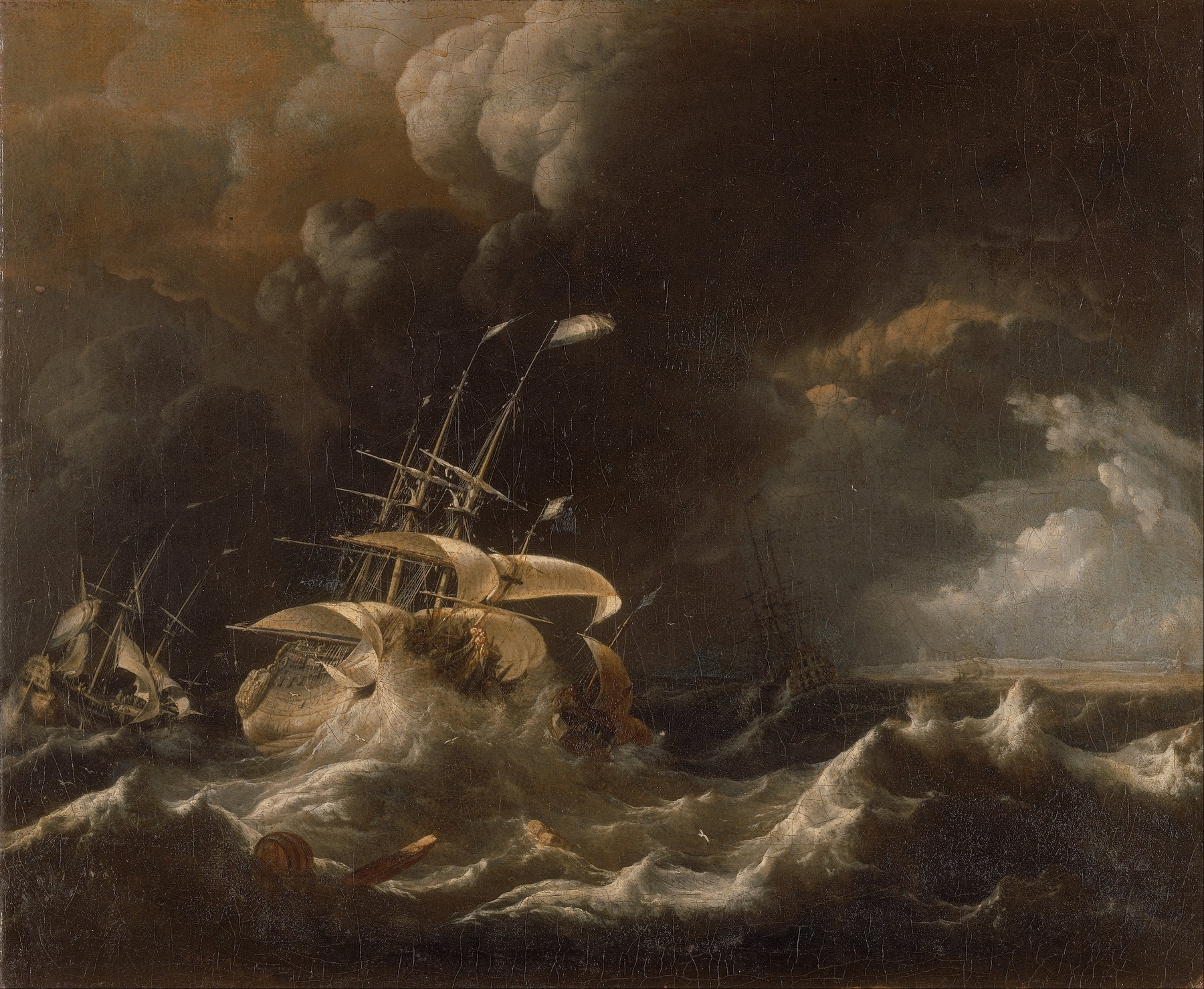
Delve deeper, and you'll uncover the contrasts that define this work — the balance between human industriousness and the vast, untamable nature of the water. The boats, symbols of both commerce and adventure, rest in a state of poised stillness, hinting at the tension between ambition and the unpredictable currents of fate. The distant horizon, shrouded in mist, evokes a sense of mystery, suggesting the allure and challenges that await beyond the harbor. Here, Backhuysen captures not just a moment, but the essence of life's ebb and flow, encompassing both hope and uncertainty.
In 1700, while residing in Amsterdam, Backhuysen created this masterpiece amidst a flourishing Dutch Golden Age of art. The harbor was a bustling hub of trade and cultural exchange, reflecting the economic prosperity of the time. This work emerged during a period when the artist was at the peak of his career, known for his exquisite seascapes. The city, alive with the hum of commerce and the beauty of the natural world, offered endless inspiration, shaping not only his art but the very soul of a nation.