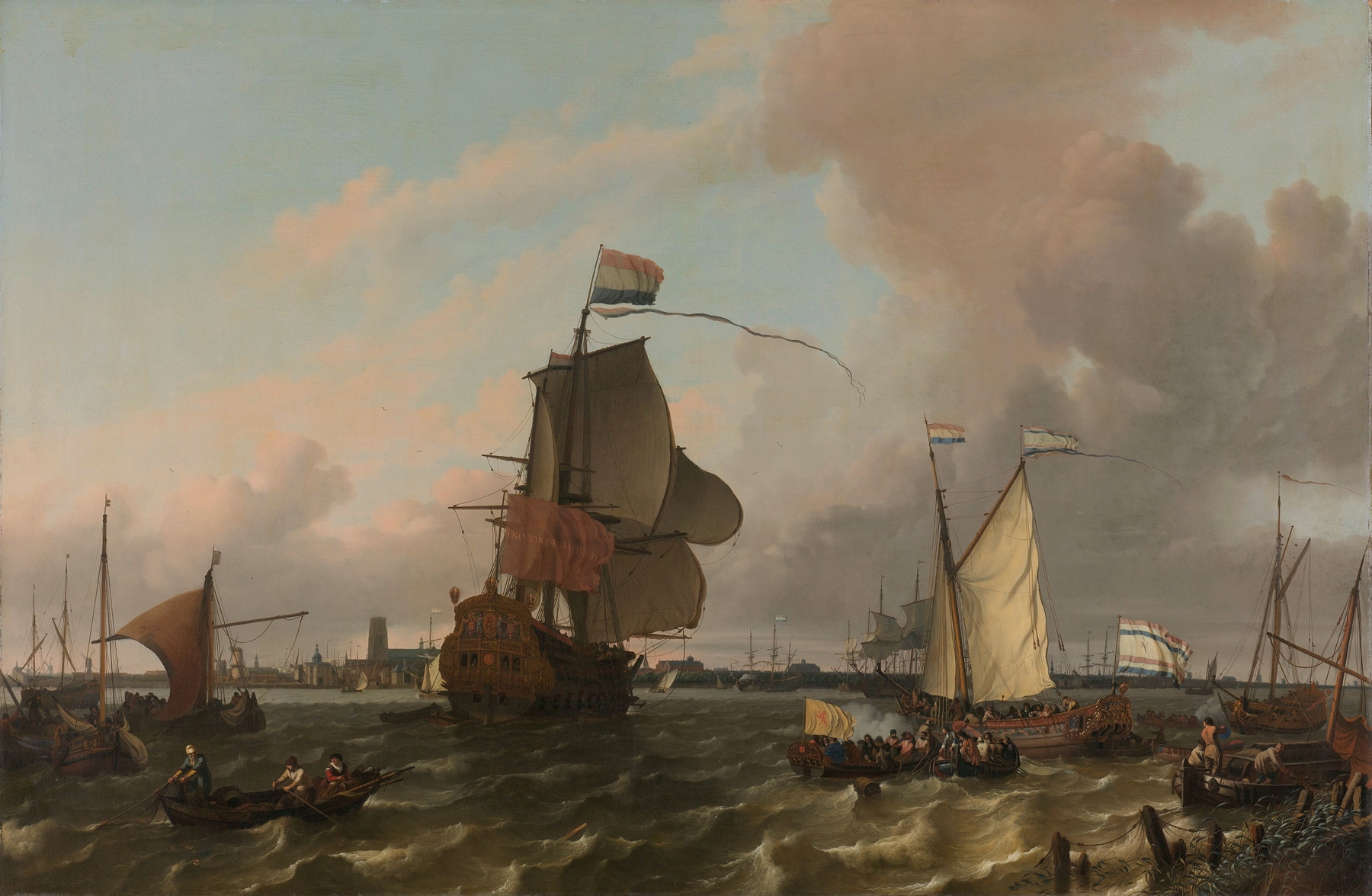
The Man-o’-War ‘Bruinvisch’ and Other Ships in Rough Sea — History & Analysis
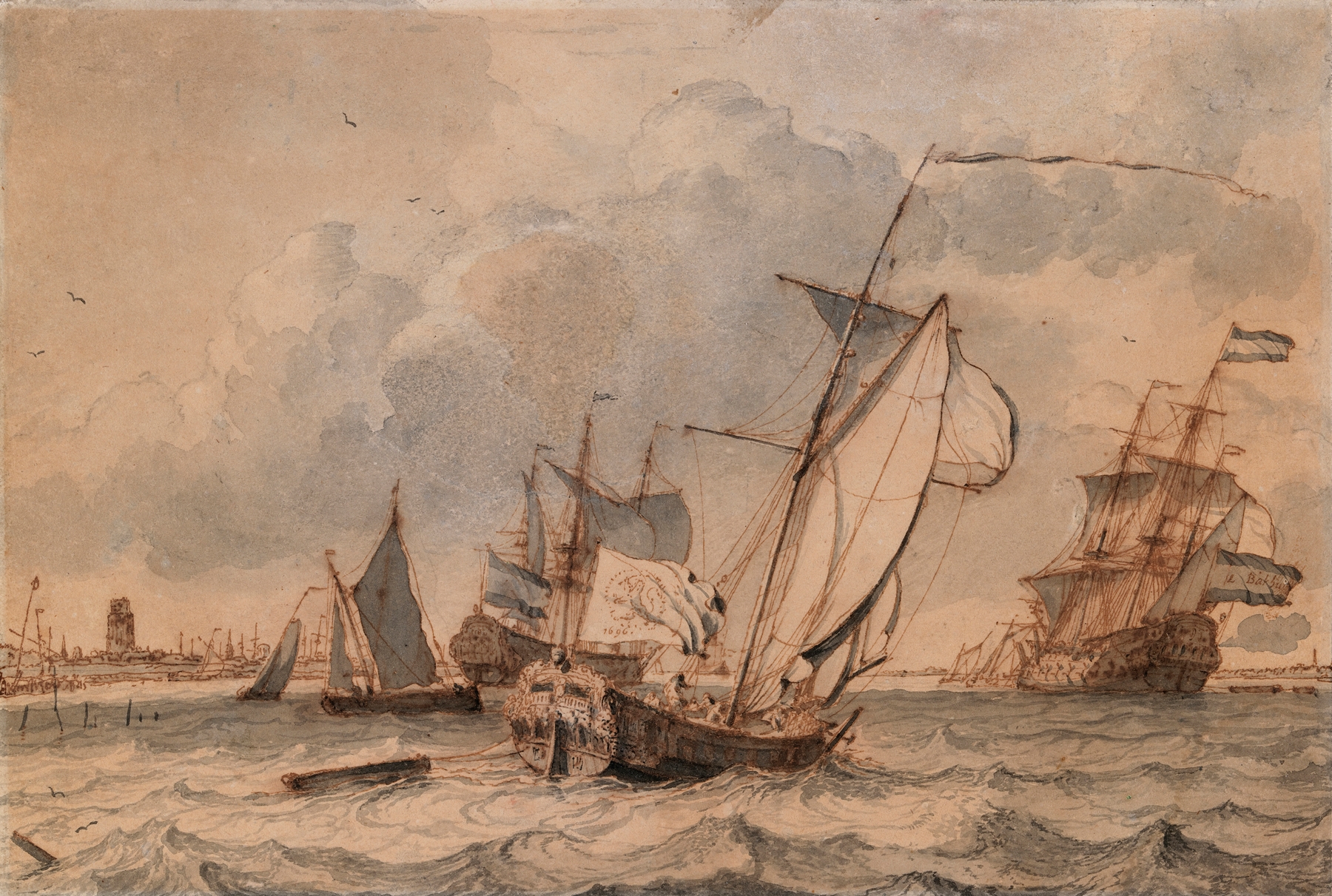
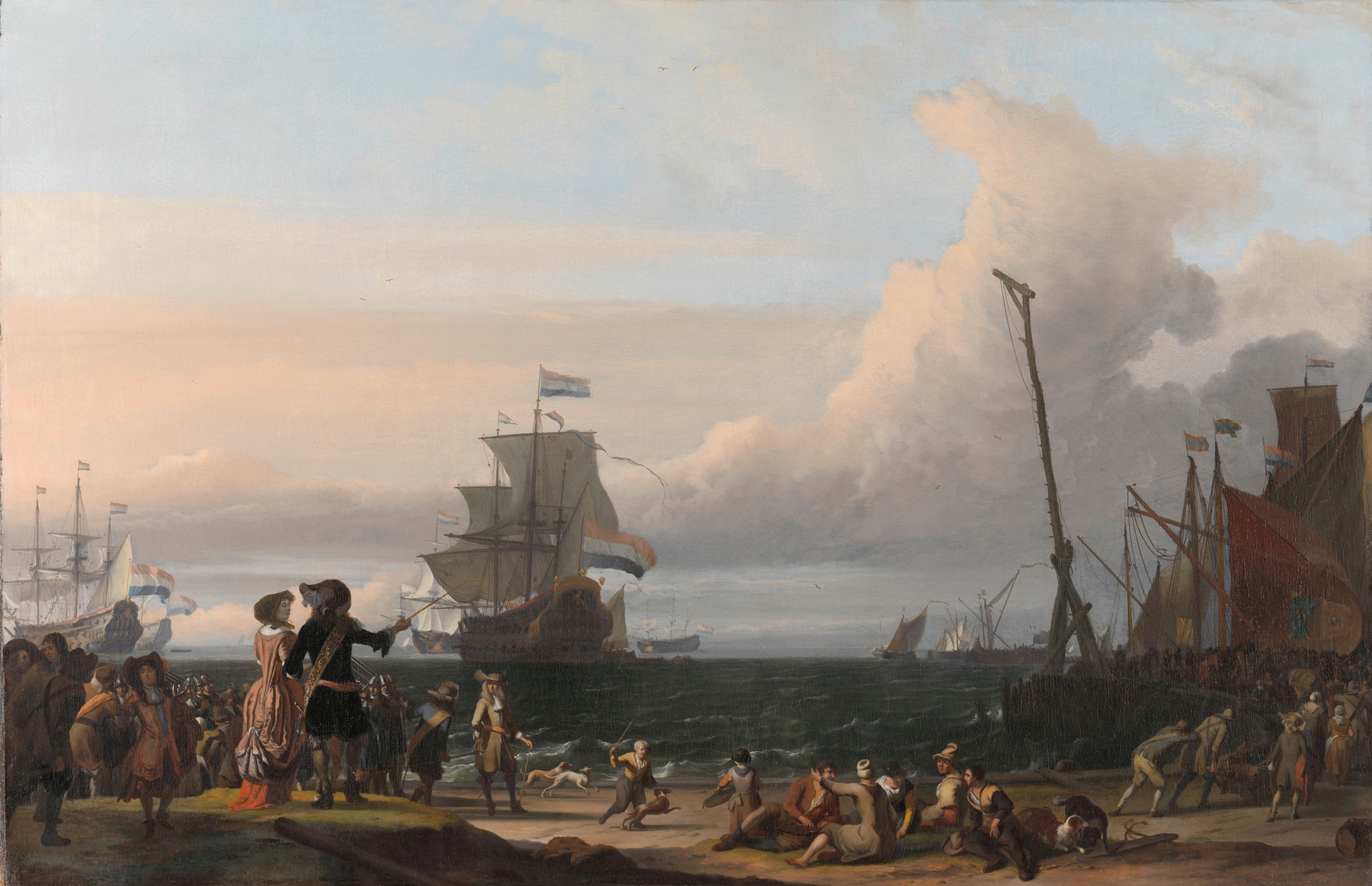
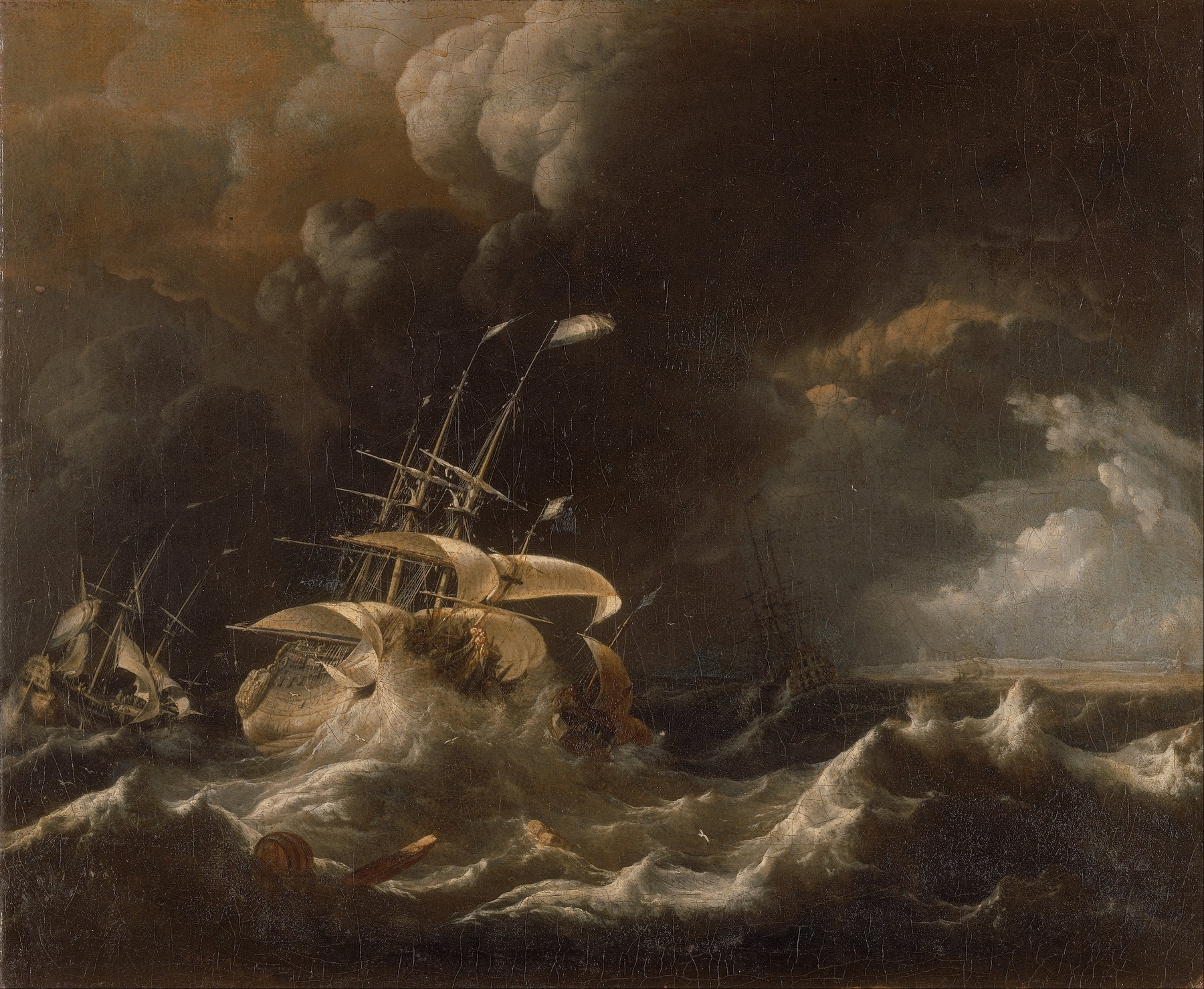
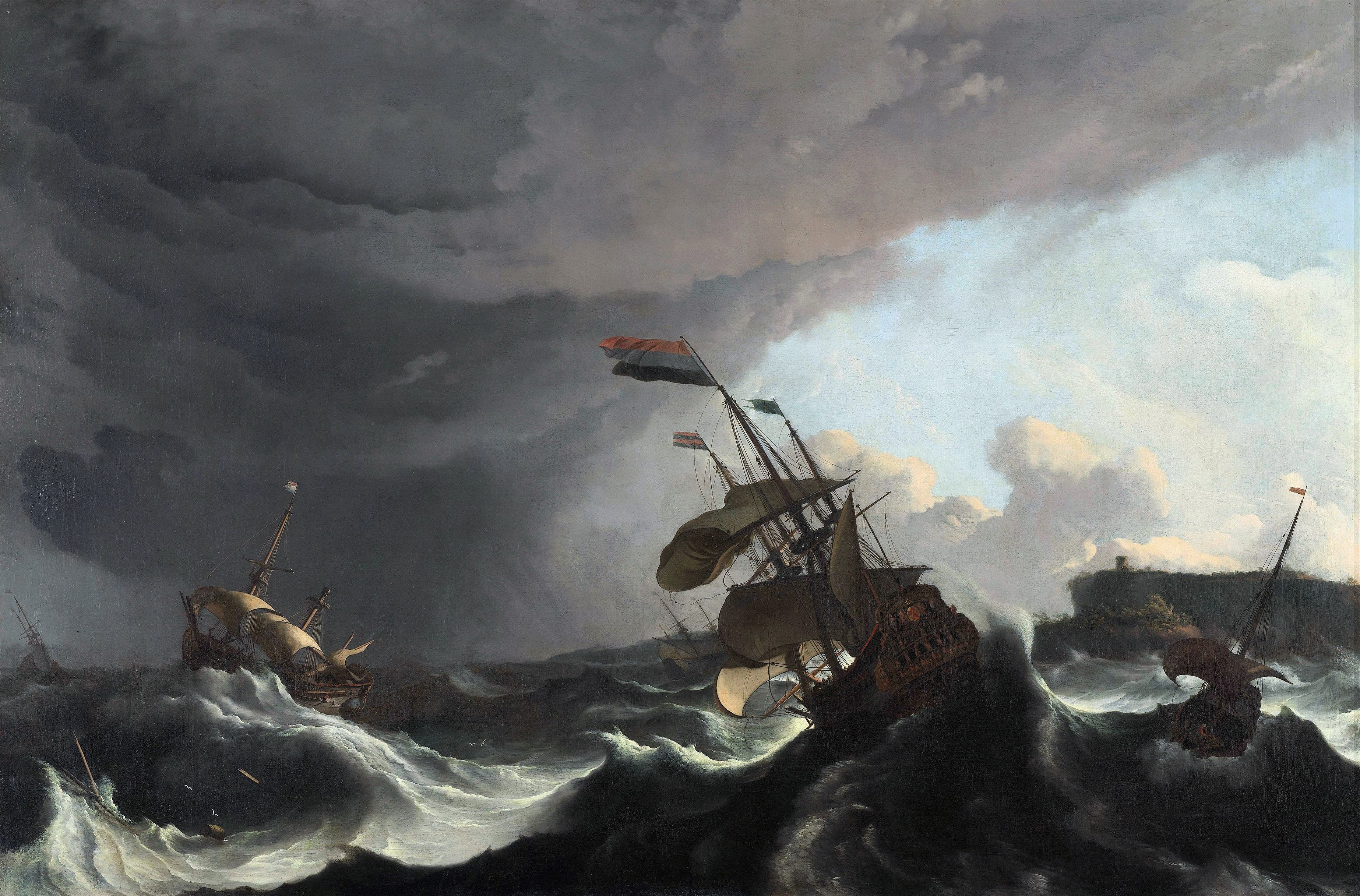
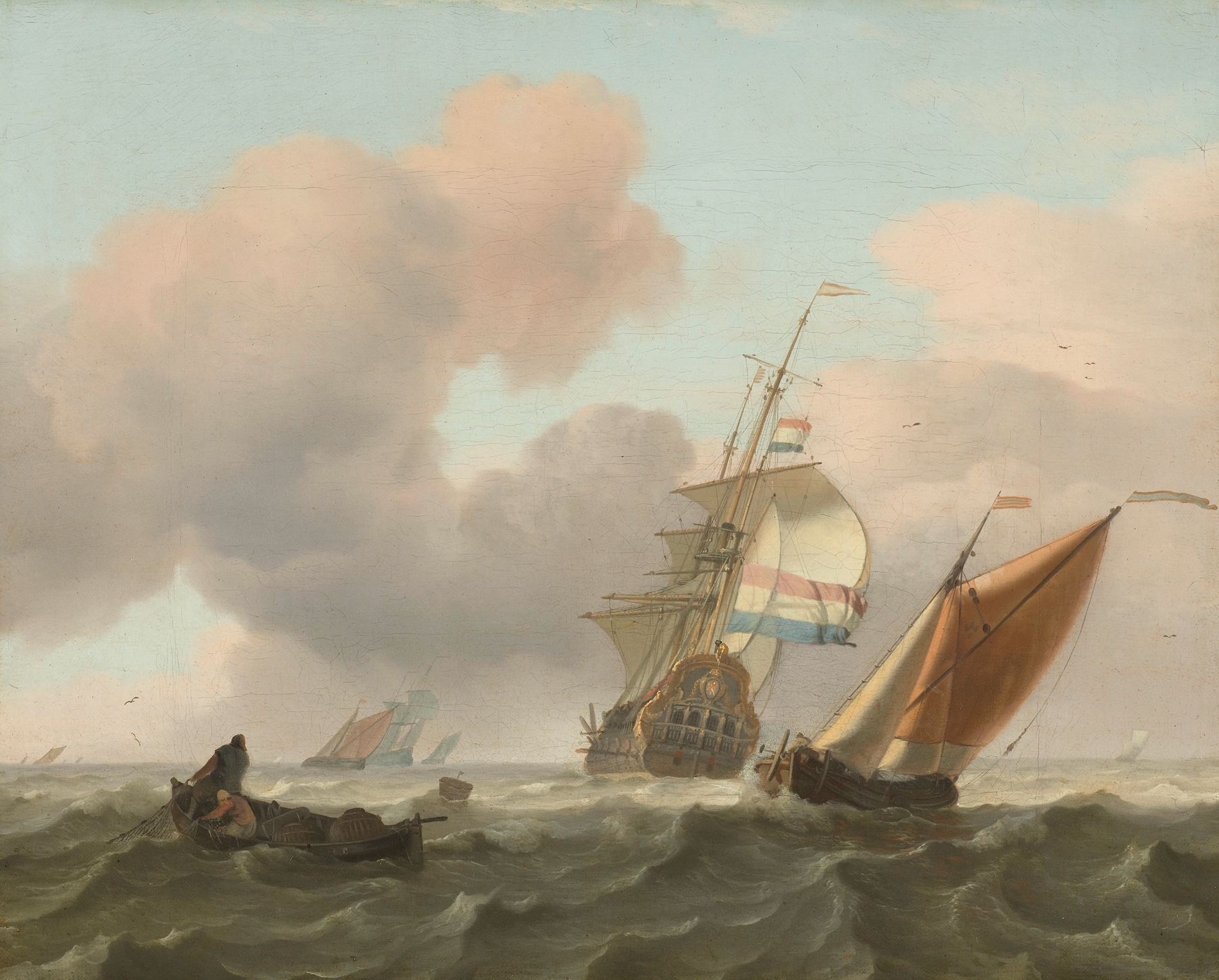
“Every brushstroke is a heartbeat remembered.” In the tumultuous embrace of the sea, movement reigns supreme, reflecting the struggles and triumphs of mankind against nature's raw power. Look to the left at the crested waves crashing against the hull of the Man-o’-War, its sails taut and straining. Notice how the dark, swirling clouds loom ominously overhead, casting shadows on the churning water below. The artist’s masterful use of chiaroscuro highlights the dynamic interplay between light and dark, creating a visceral sense of turbulence.
The palette of deep blues and grays punctuated by the stark white foam of the waves encapsulates the chaotic beauty of the maritime scene. As you delve deeper, observe the tension between the ships—some appear to courageously ride the tempest while others struggle against the onslaught, embodying the eternal conflict between human ambition and nature's might. The interplay of light on water not only suggests movement but also evokes a sense of fleeting moments, as if the painting captures a transitory struggle against the relentless force of the sea. Each ship, though distinct, contributes to a greater narrative of resilience and vulnerability.
Ludolf Backhuysen painted this masterpiece around 1675-1680 during a period marked by the Dutch Golden Age of maritime power. Living in Amsterdam, he was deeply influenced by the flourishing sea trade and the nation’s naval prowess. As artists sought to capture the essence of life at sea, Backhuysen became renowned for his ability to portray the majesty and terror of oceanic adventures, marking a significant moment in the evolution of maritime art.