The Man-of-War Brielle on the River Maas off Rotterdam — History & Analysis
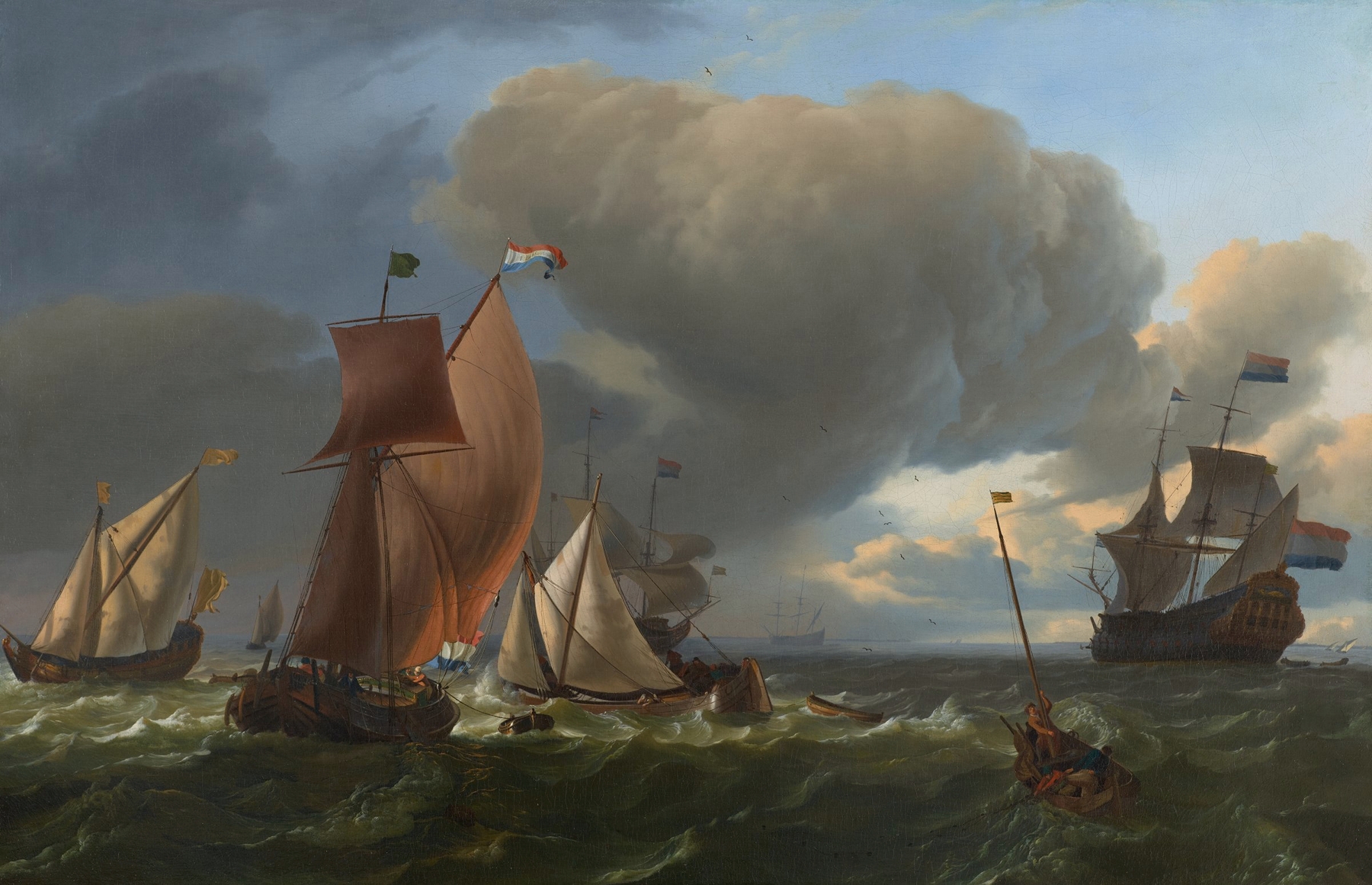
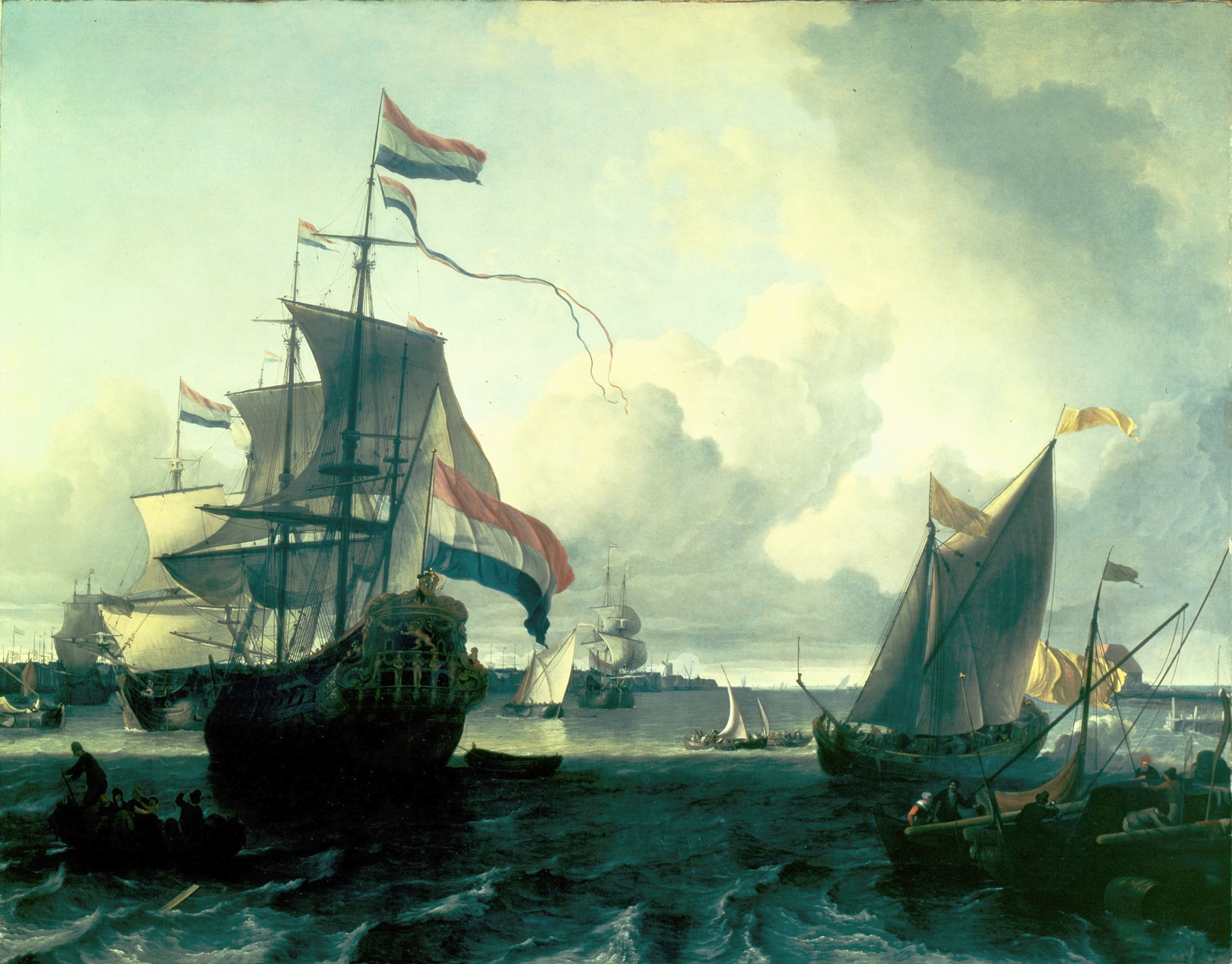
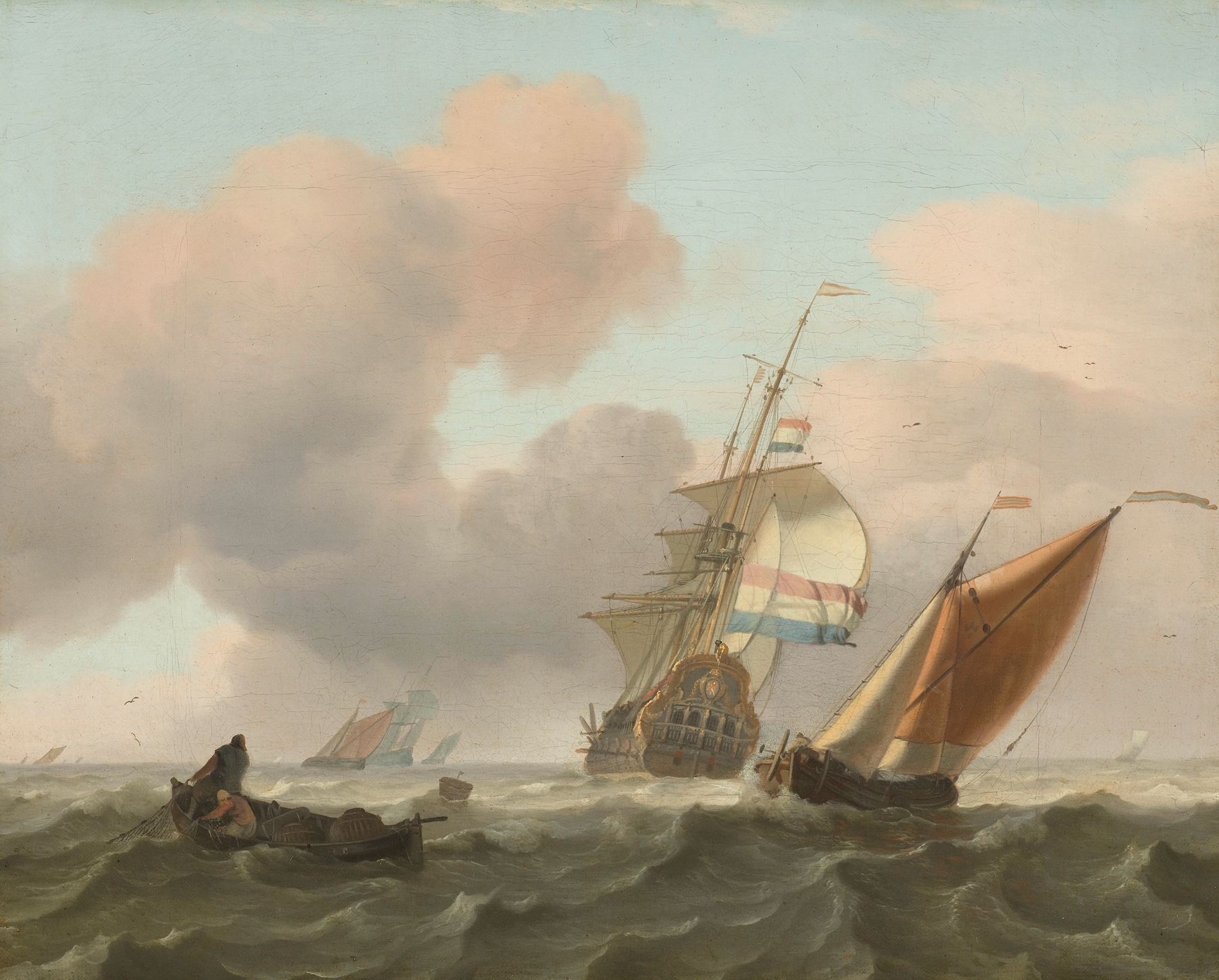
Can paint confess what words never could? In The Man-of-War Brielle on the River Maas off Rotterdam, the vast expanse of the river and the majestic ship converge to evoke a sense of rebirth amid the ever-flowing currents of history. Here, the artistry transcends simple representation; it invites us to contemplate the interplay of nature and human achievement. Look to the right at the grand ship, under full sail, proudly navigating the river’s gentle waves. The intricate details of the ship’s rigging contrast dramatically with the tranquil blue of the sky, a brilliant backdrop that envelops the scene.
Notice how the light plays upon the sails—flickering highlights that suggest movement and vitality. The subtle blending of earthy tones in the water reflects a sense of harmony, bridging the separation between man-made and natural worlds. Beneath the surface, the painting conveys deeper layers of meaning—the unity of human ingenuity and the transience of nature. The ship, symbolizing maritime power and exploration, stands as a testament to the era’s ambition, captured in a moment of serene dominance. Meanwhile, the soft ripples in the water echo the passage of time, whispering stories of those who have traversed these waters before.
This balance between strength and vulnerability adds emotional depth, inviting viewers to reflect on their own journeys. In 1689, Backhuysen painted this dramatic scene in the Netherlands, a time of significant maritime expansion and national pride. The Dutch Republic was emerging as a formidable sea power, staking its claim in the world through commerce and naval prowess. The artist, known for his masterful seascapes, encapsulated this spirit of rebirth and ambition, immortalizing a moment when humanity and nature coexisted in harmony.