L’Estaque — History & Analysis
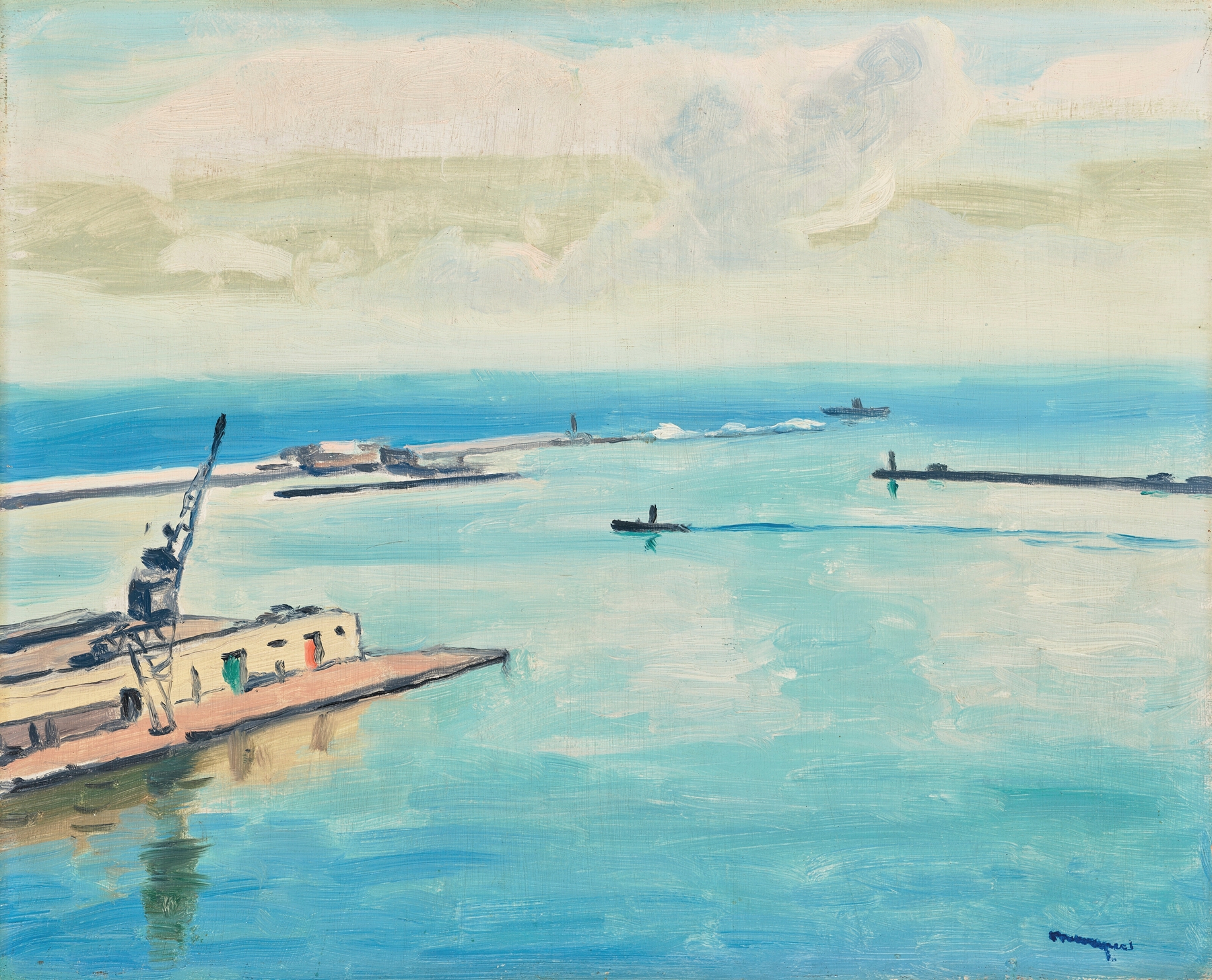
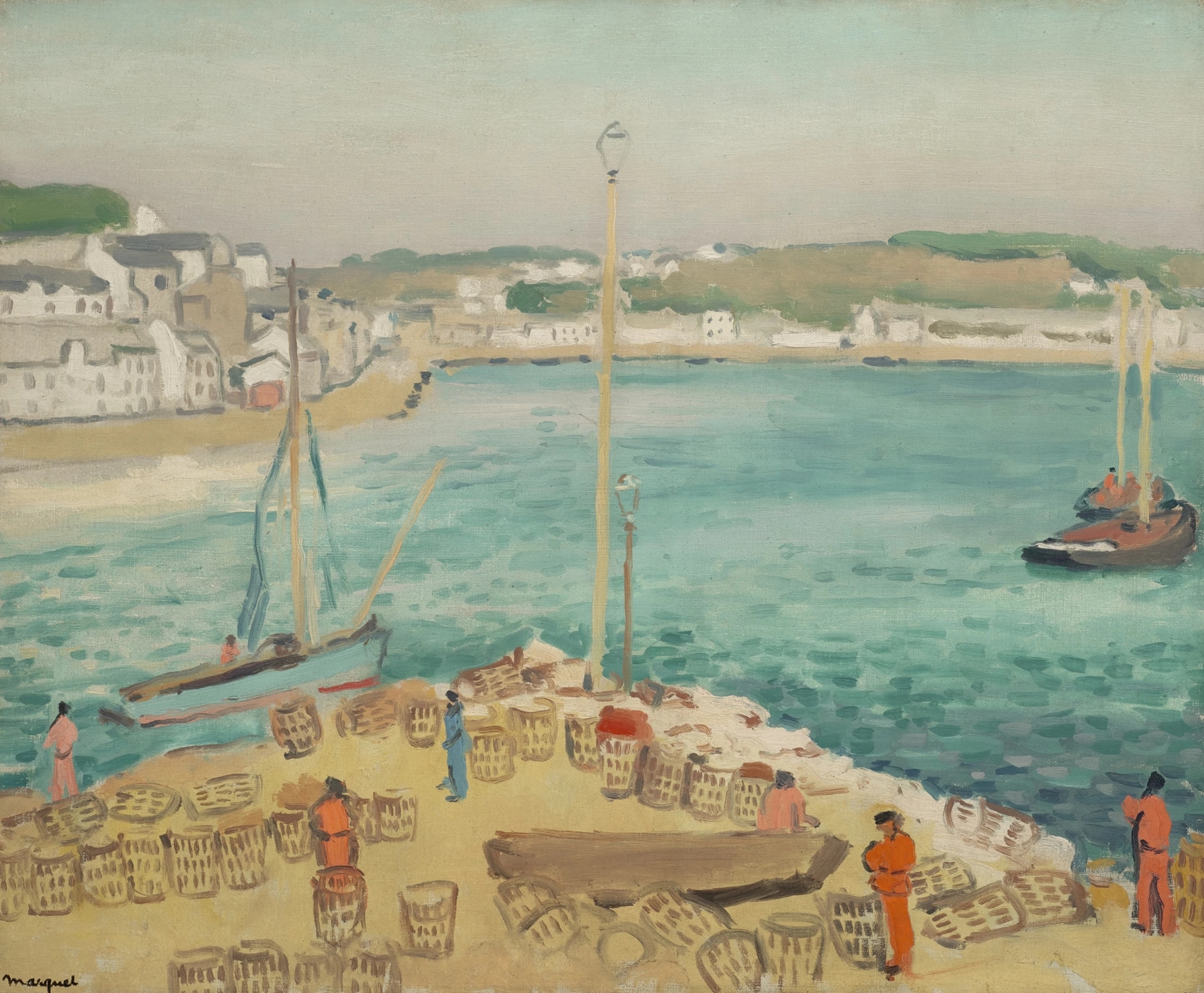
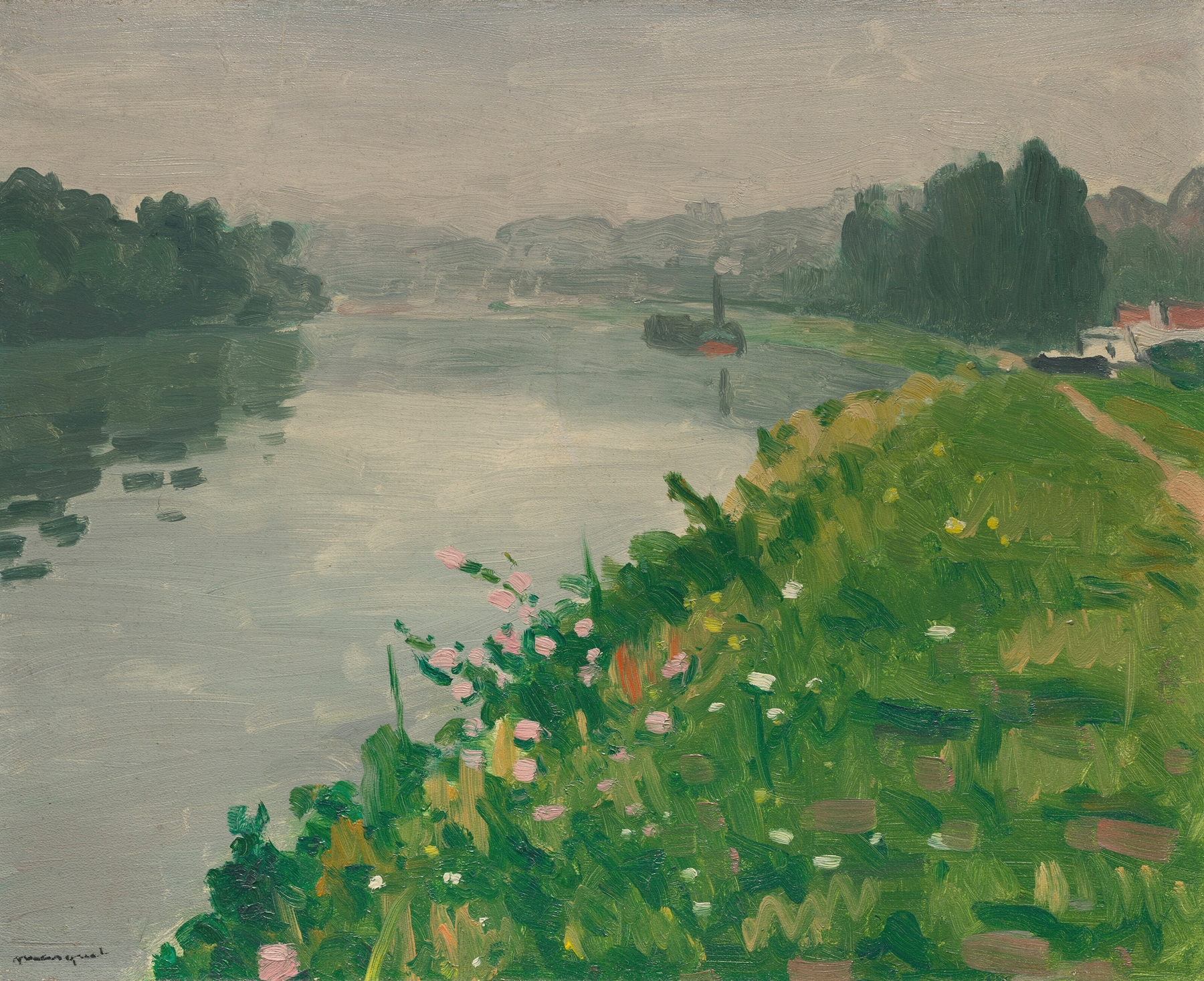
Who listens when art speaks of silence? In Albert Marquet’s L’Estaque, the stillness of a coastal village unravels the quiet tension of a world on the brink of revolution. Look to the horizon, where the azure sea meets the soft, muted colors of the sky. The warm terracotta roofs of the houses bask in golden light, their simplicity accentuated by the gentle brushstrokes that evoke a sense of serenity. Notice how the colors blend into one another, creating a harmonious balance that draws you deeper into the scene, almost inviting you to step into that tranquil moment.
The composition, with its emphasis on horizontal lines, evokes the resting pulse of an untouched landscape and the peaceful rhythm of coastal life. Yet, beneath the tranquil surface, this artwork whispers of profound contrasts. The vibrancy of the colors belies the weight of a world emerging from the chaos of war. Marquet captures not just a moment, but the stillness before change — a testament to resilience amidst turmoil.
The juxtaposition of the lively village against the expansive, empty sea suggests a longing for freedom and new beginnings, hinting at the tumultuous shifts that history will soon usher in. Created in 1918, L’Estaque reflects Marquet’s commitment to fauvism while stepping into a post-war world. Living in Paris, he was surrounded by a rapidly transforming art scene filled with innovations and challenges. This painting marks a moment of personal and artistic evolution, as Marquet navigated the post-war landscape, capturing the essence of hope and renewal in an era defined by upheaval.