L’impasse Traînée à Montmartre — History & Analysis
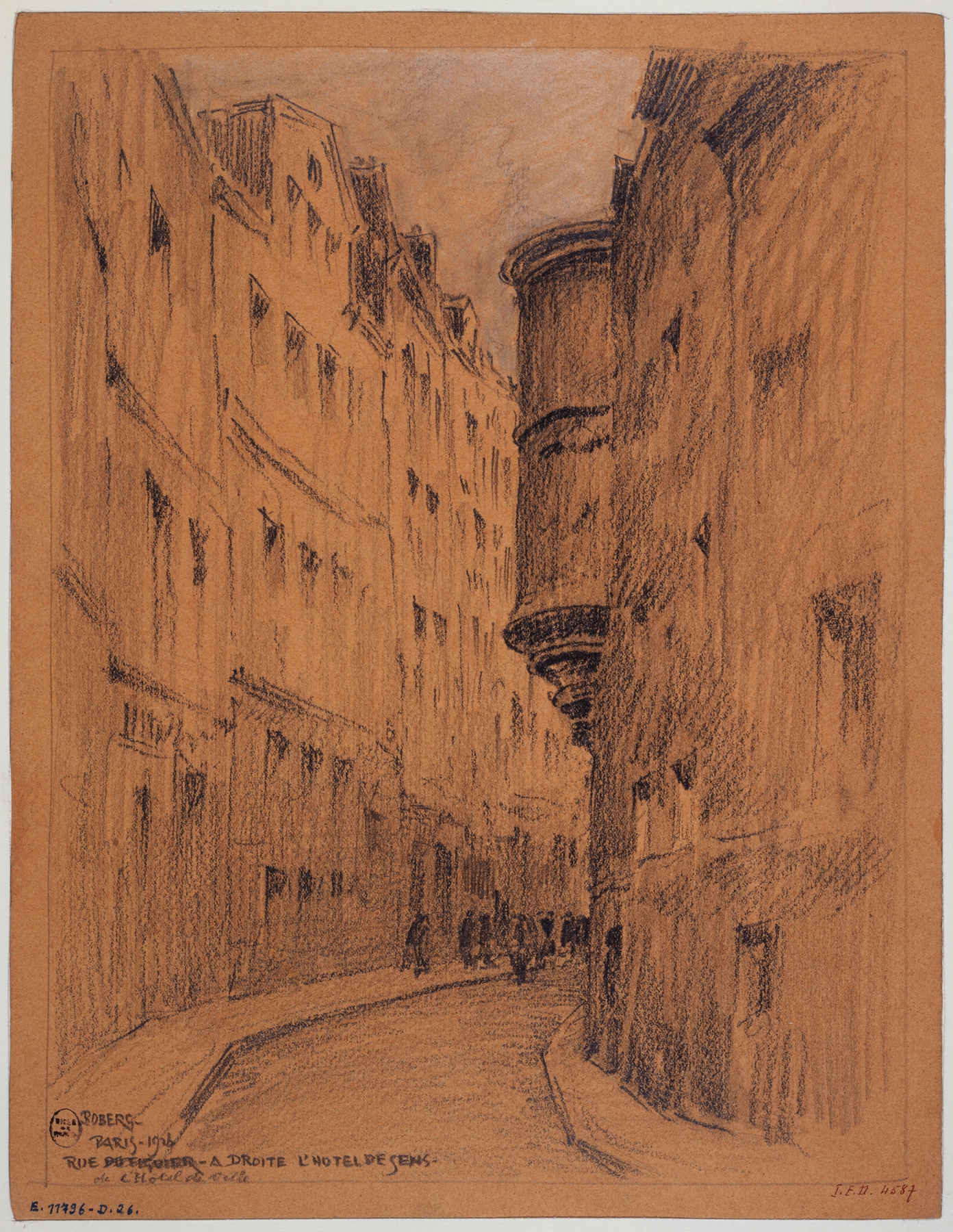
Can beauty exist without sorrow? In L’impasse Traînée à Montmartre, the answer lies in the delicate balance struck between the two, inviting viewers to contemplate the coexistence of joy and melancholy within the heart of Paris. Look to the left, where a cobblestone path meanders through shadows, inviting wanderers into the embrace of a hidden alley. The muted tones of blue and gray dominate the canvas, evoking the late afternoon light that filters through the buildings, casting long, ghostly shadows.
The contrasting warm hues of ochre and rust from the building facades breathe life into the scene, suggesting warmth and history beneath the surface. This interplay of light and shadow creates a palpable tension, hinting at stories untold and lives intertwined. As you explore the artwork, notice the subtle details: a weathered door slightly ajar, perhaps revealing a secret world within, and the distant presence of figures, evoking a sense of longing and connection. The artist juxtaposes the vibrancy of the street life with the eerie quietude of the passageway, embodying the paradox of bustling Paris contrasted with the solitude one might feel in its shadows.
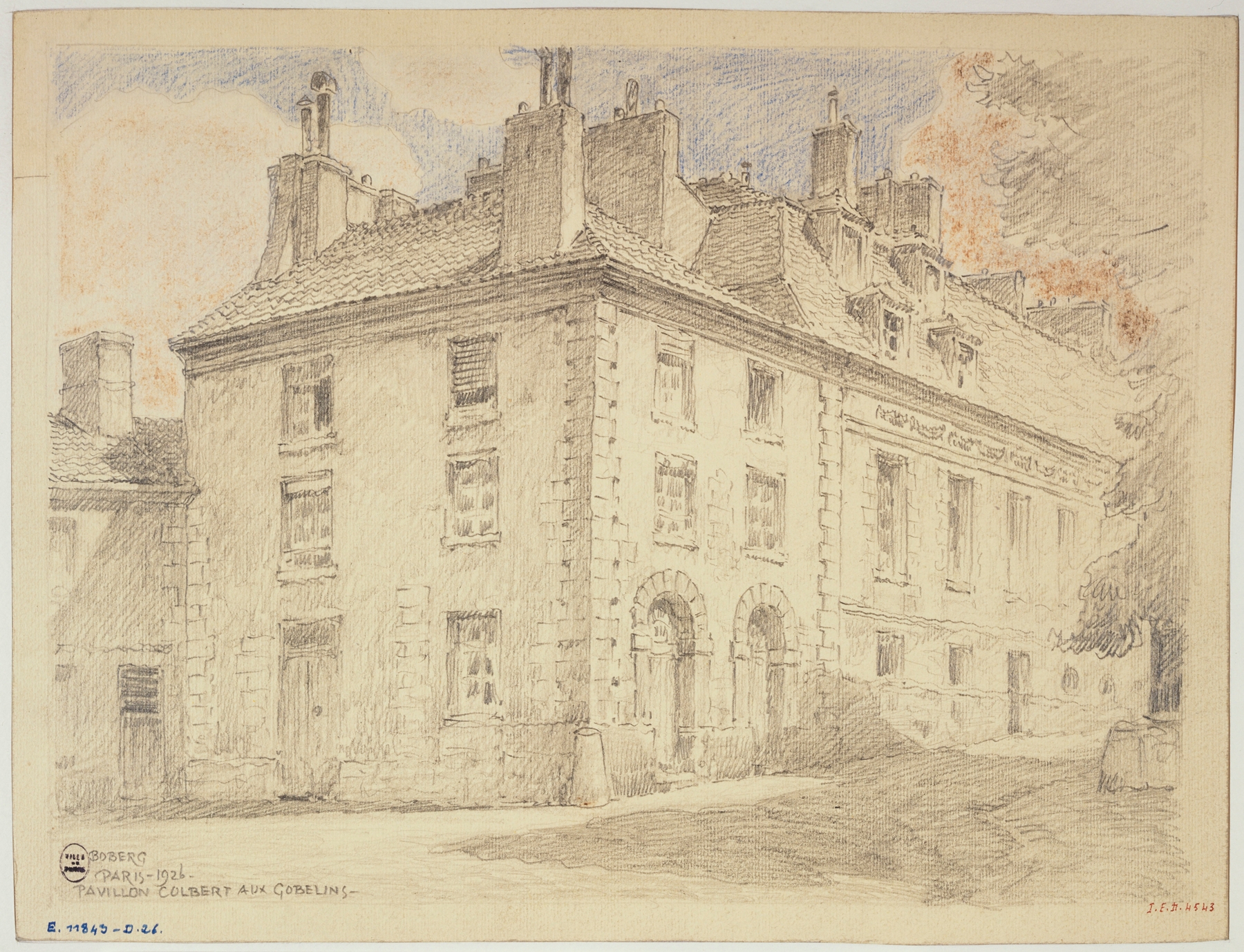
This internal struggle between presence and absence resonates throughout the composition, inviting an emotional response. Ferdinand Boberg created this piece in 1926 while living in the artistic hub of Montmartre, a neighborhood steeped in history and creativity. During this period, Paris was a melting pot of innovation, with artists exploring new styles and ideas. Boberg, inspired by the complexities of urban life, used his brush to capture the essence of this iconic locale, reflecting both its allure and its hidden depths.