Lindenallee — History & Analysis
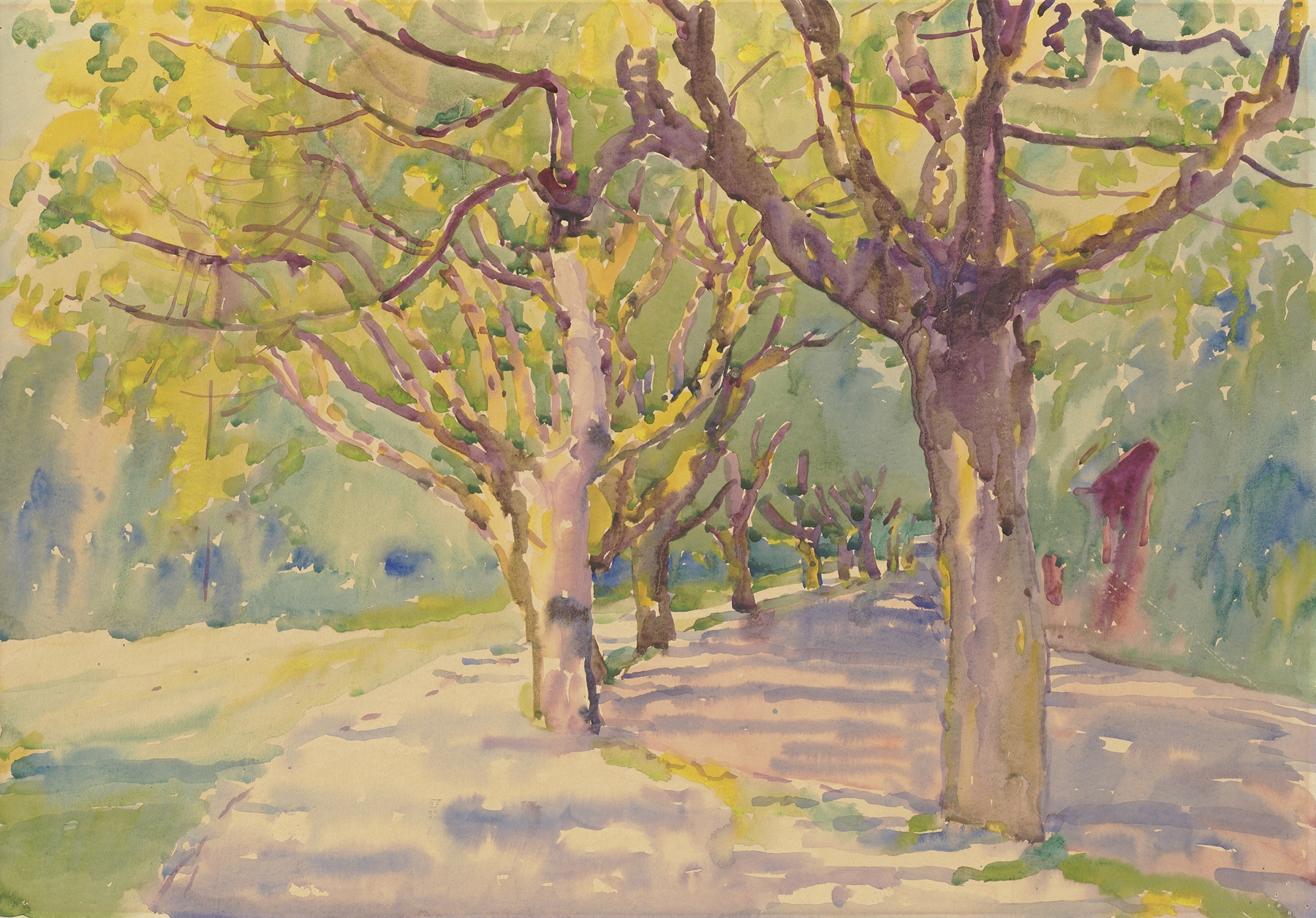
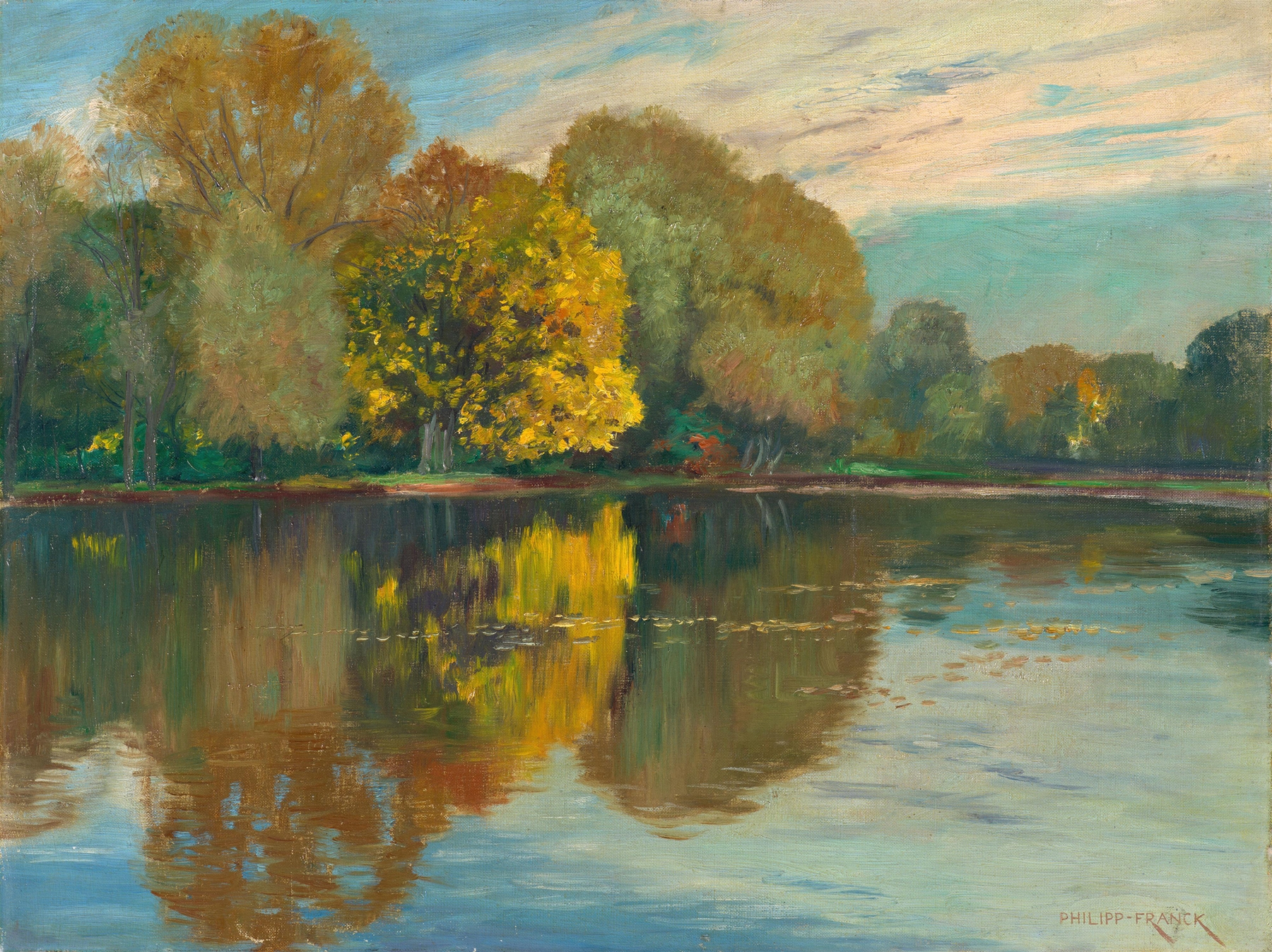
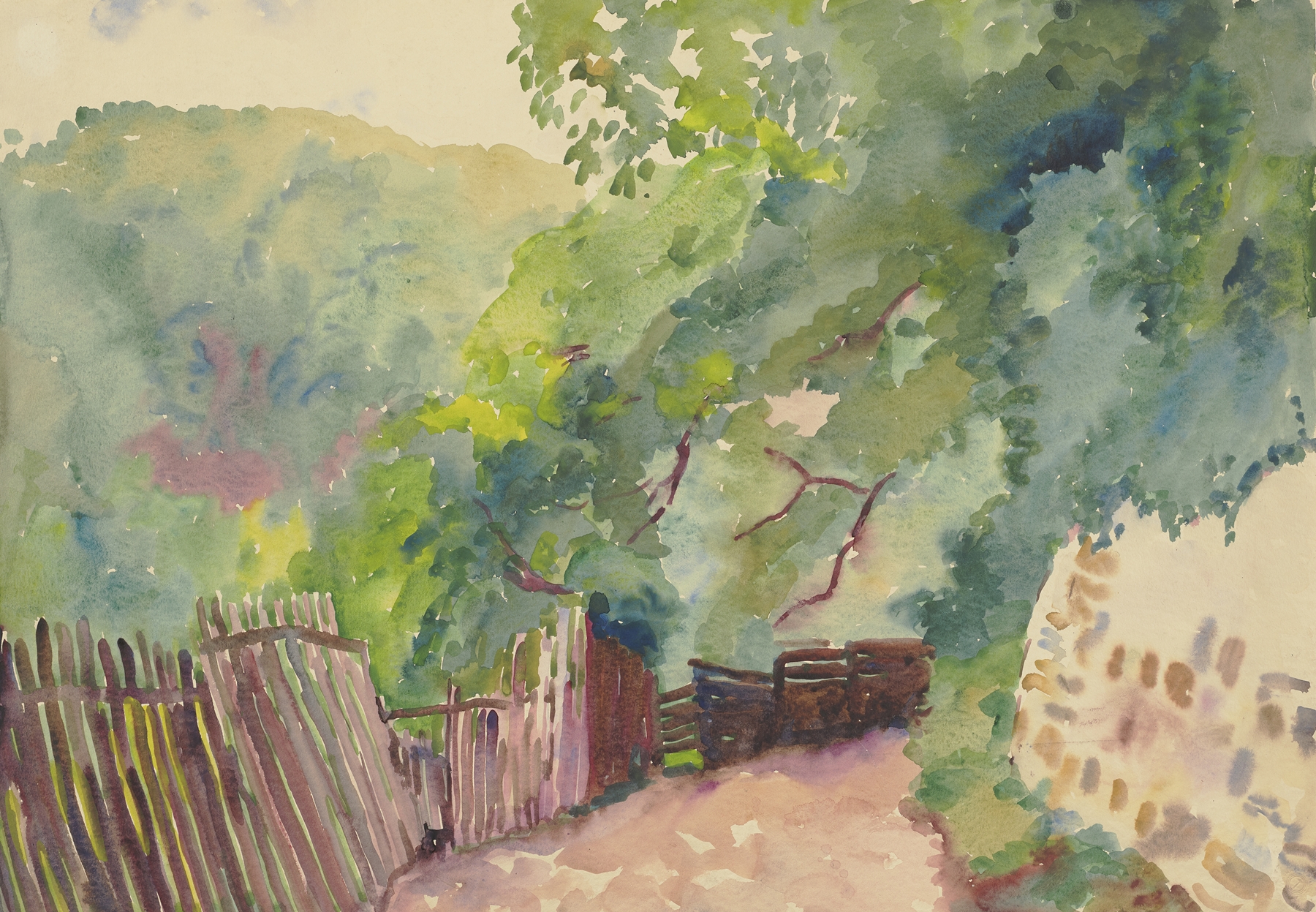
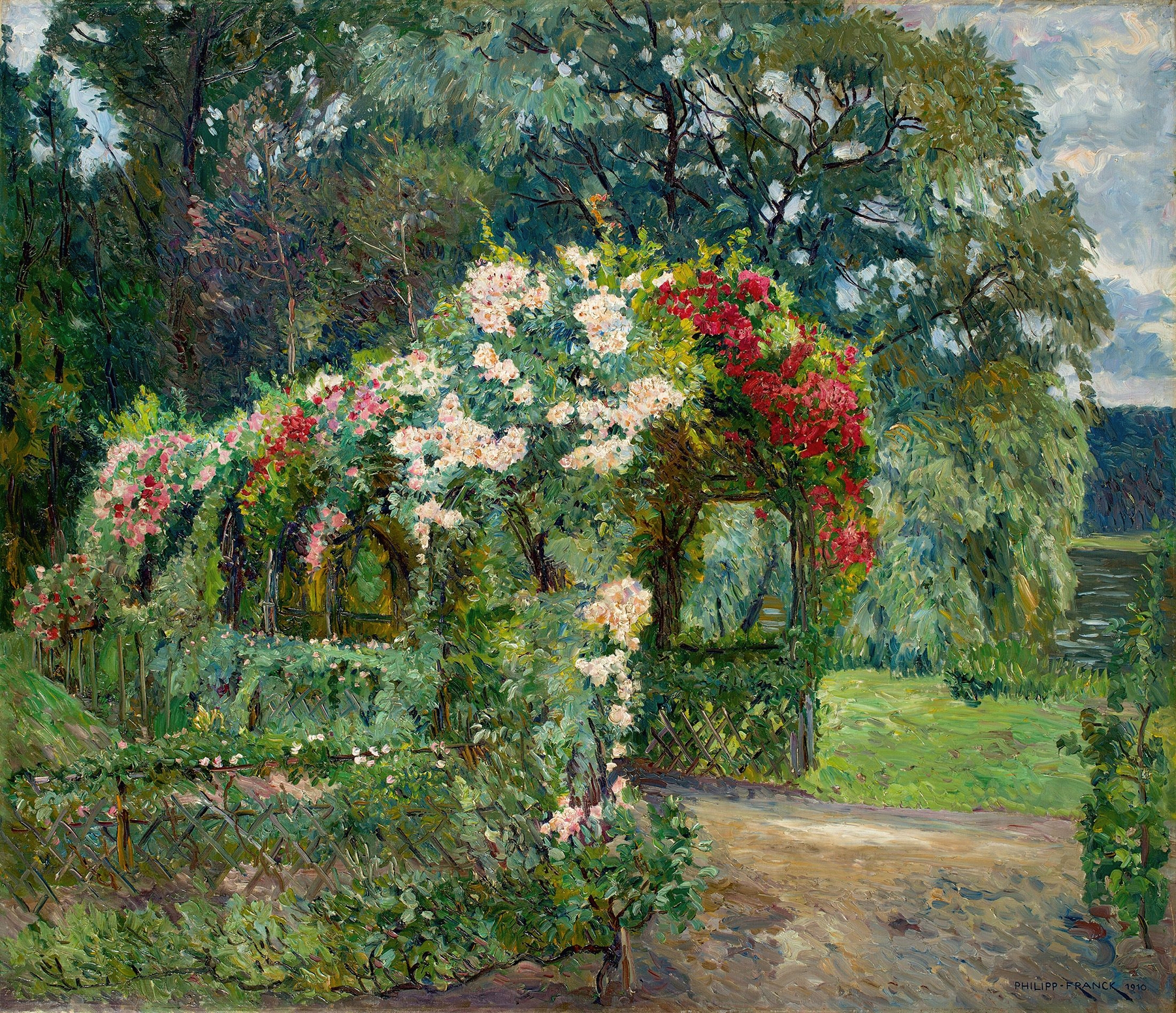
“Every brushstroke is a heartbeat remembered.” In Lindenallee, the viewer is drawn into a world where memories linger like the scent of blooming linden trees, evoking a sense of transcendence that stretches beyond the canvas. Focus your gaze on the lush canopy of green that arches overhead, where dappled sunlight filters through leaves, creating a play of light and shadow. Notice the soft, swirling brushstrokes that blend hues of emerald and gold, inviting the eye to wander along the path that beckons into the distance. The gentle curves of the pathway guide you deeper into this serene landscape, suggesting a journey both physical and contemplative.
Beneath the surface, the contrast between the vibrant foliage and the calm earth tones of the path serves as a metaphor for the duality of life—a celebration of nature's beauty and the quiet solitude found within it. The fading light hints at the passage of time, evoking feelings of nostalgia and the inevitable transience of all things. This interplay of light and shadow captures not just the aesthetic of the scene, but also the emotional weight of memory, urging viewers to reflect on their own moments of stillness.
In 1938, Philipp Franck created this piece during a turbulent time in Europe, marked by political unrest and the impending shadows of war. Living in Berlin, he was part of a vibrant artistic circle that faced increasing challenges under the Nazi regime. Despite these difficulties, Franck’s work remained rooted in the beauty of the natural world, serving as a poignant reminder of the solace and transcendence found in art amidst chaos.