Liverpool Lights — History & Analysis
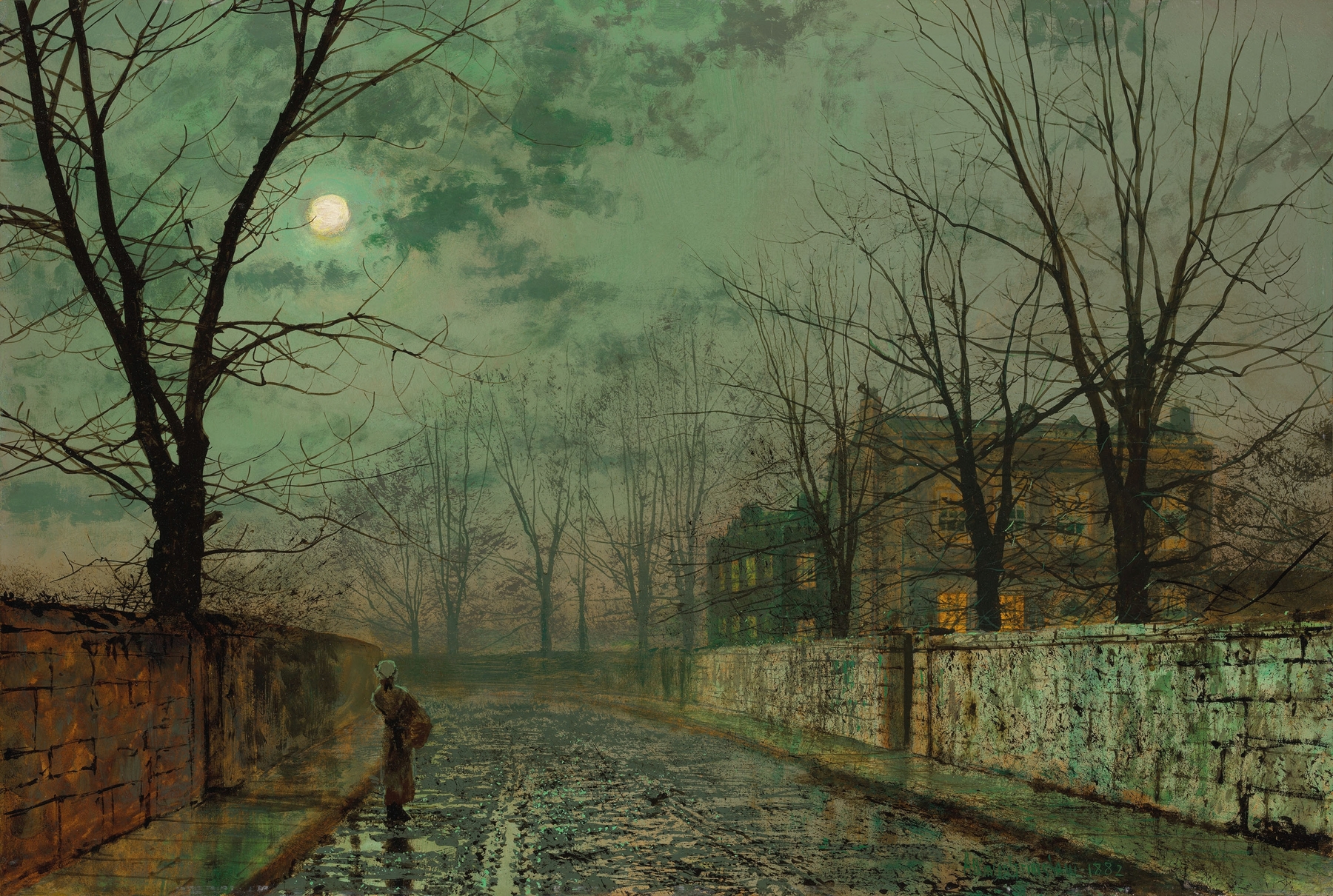
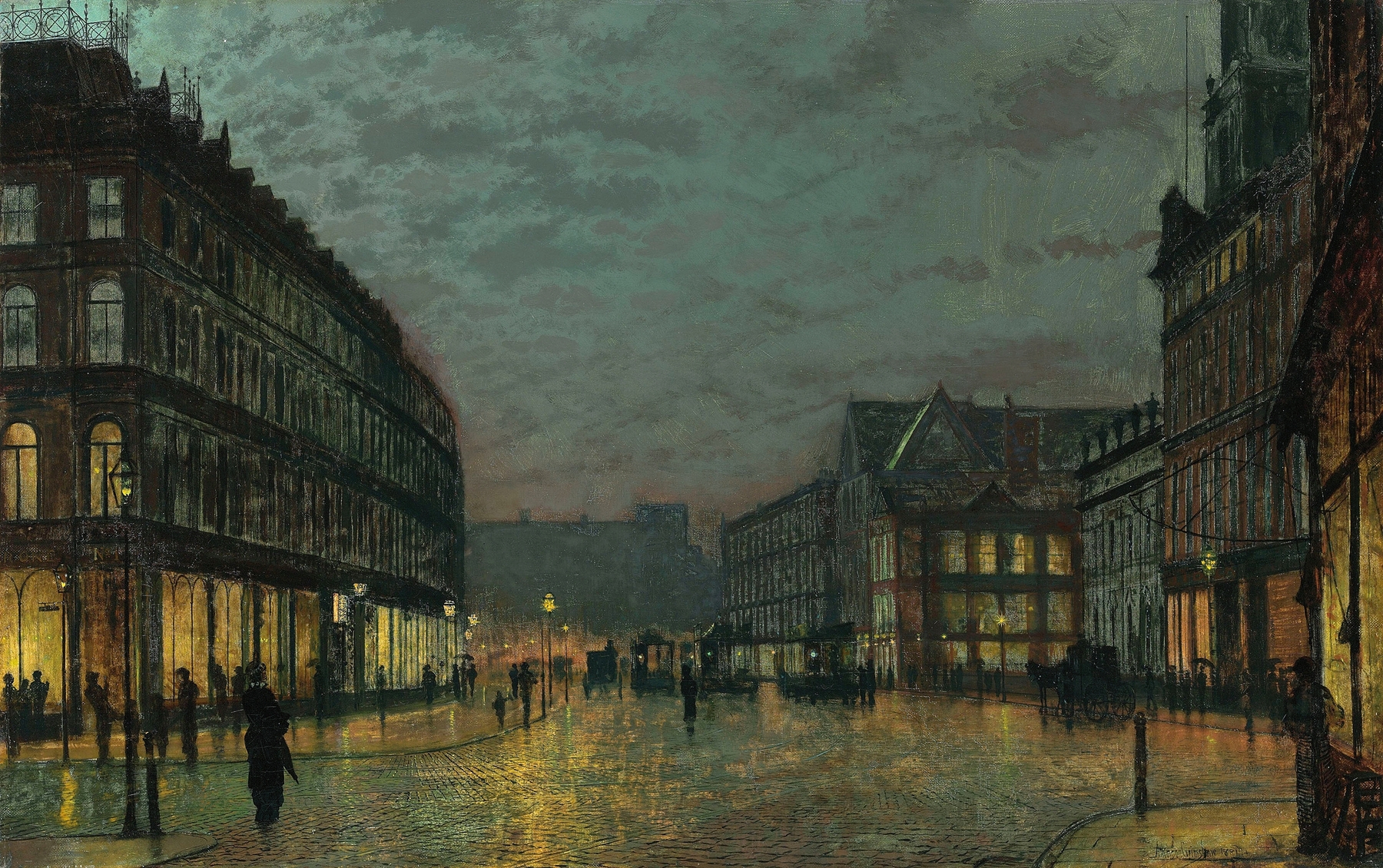
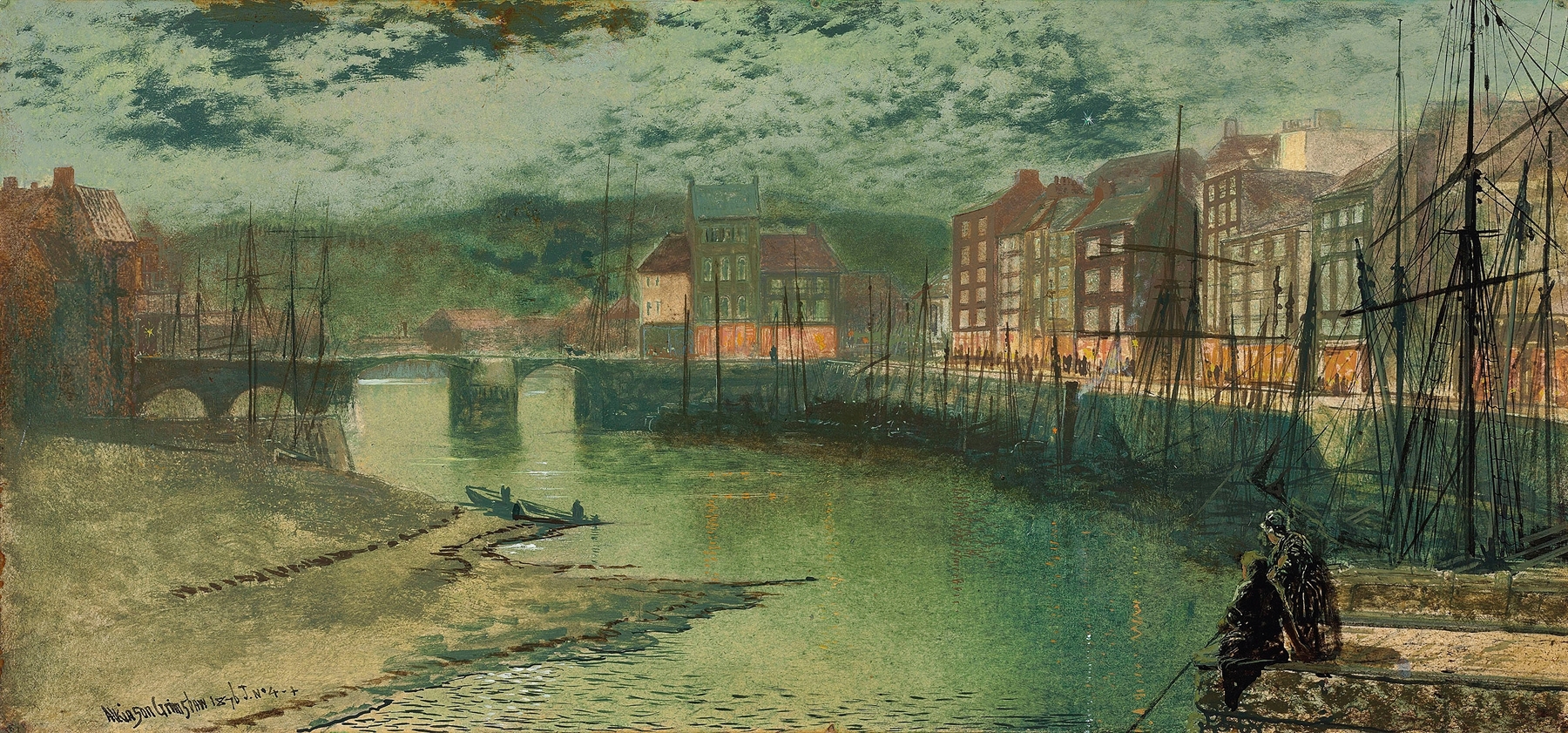
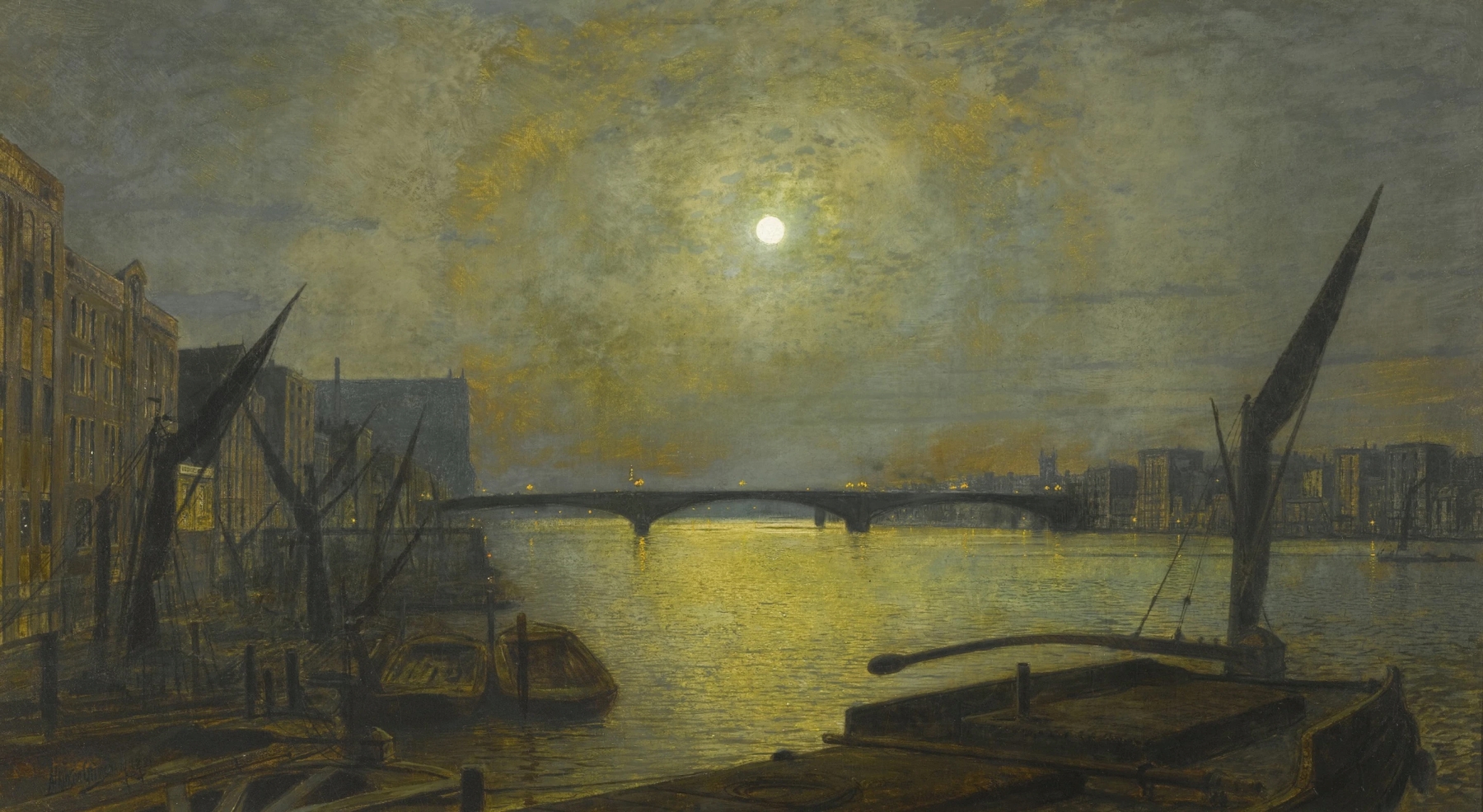
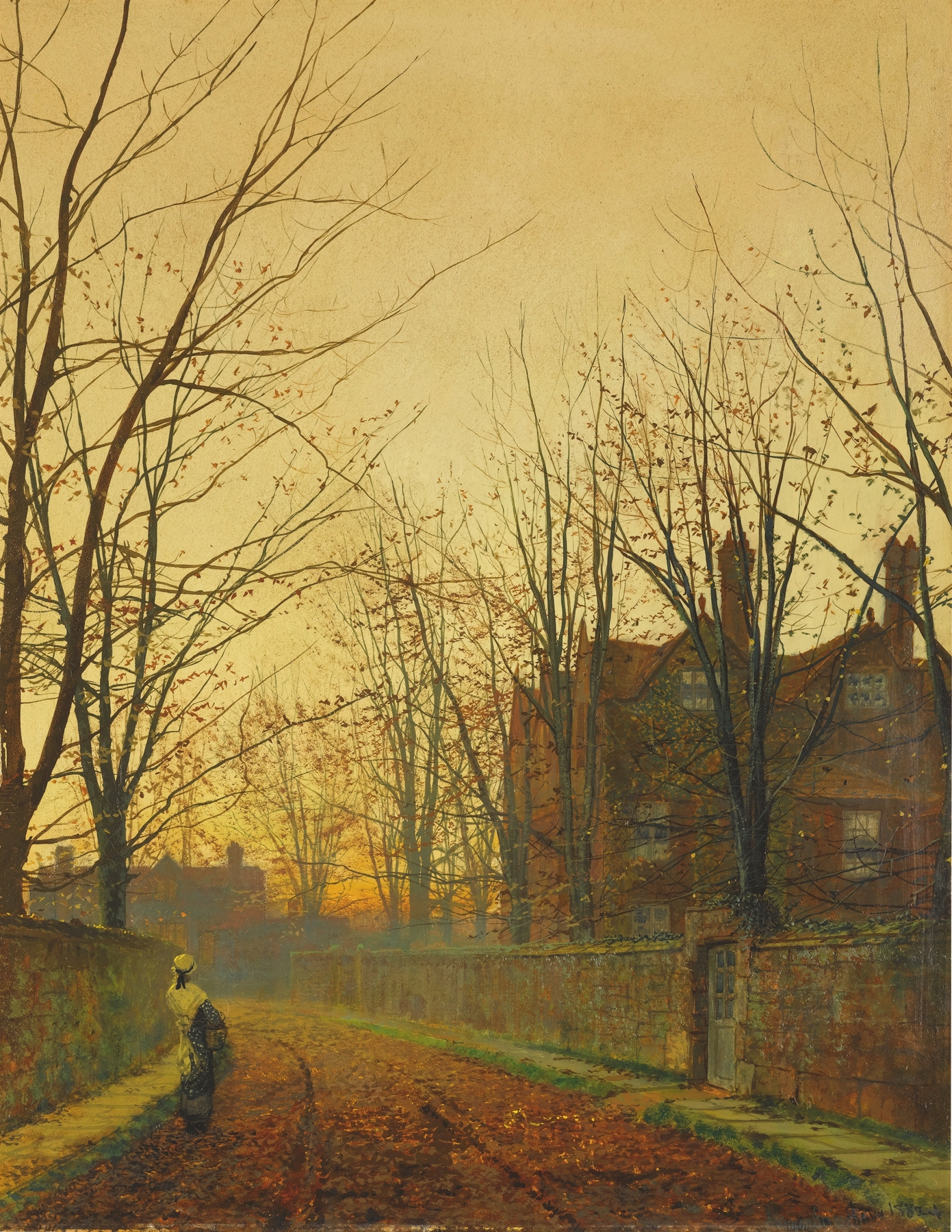
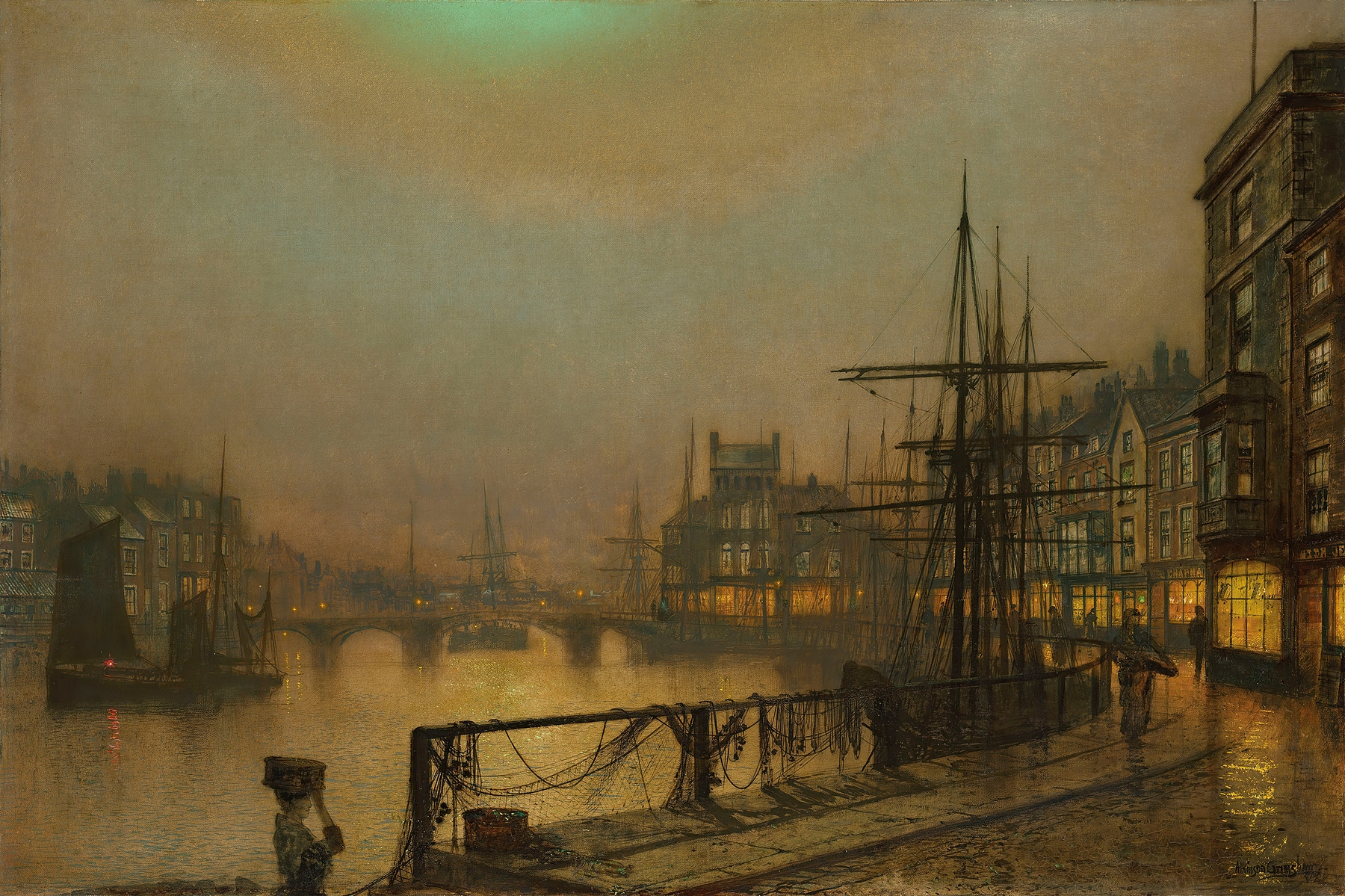
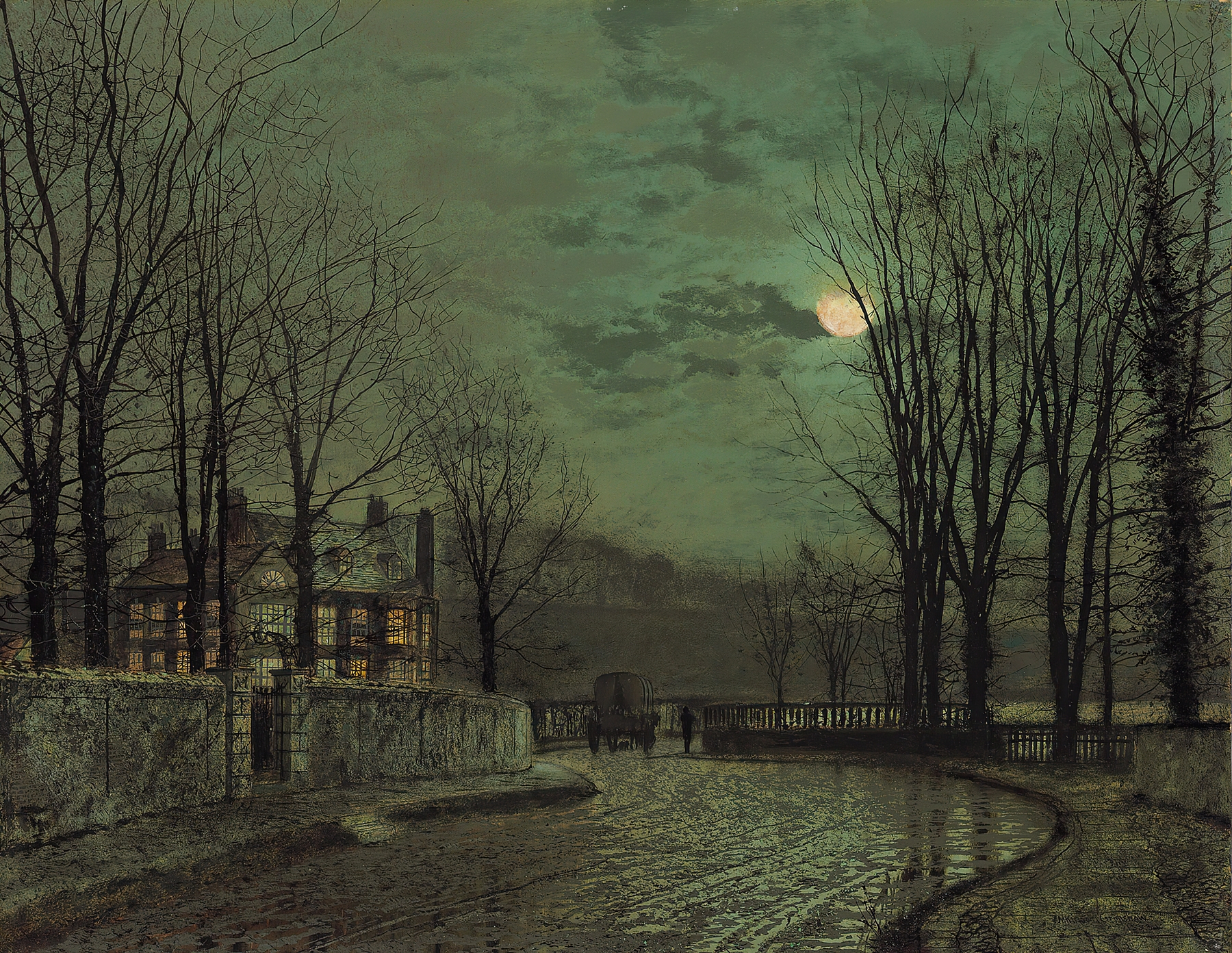
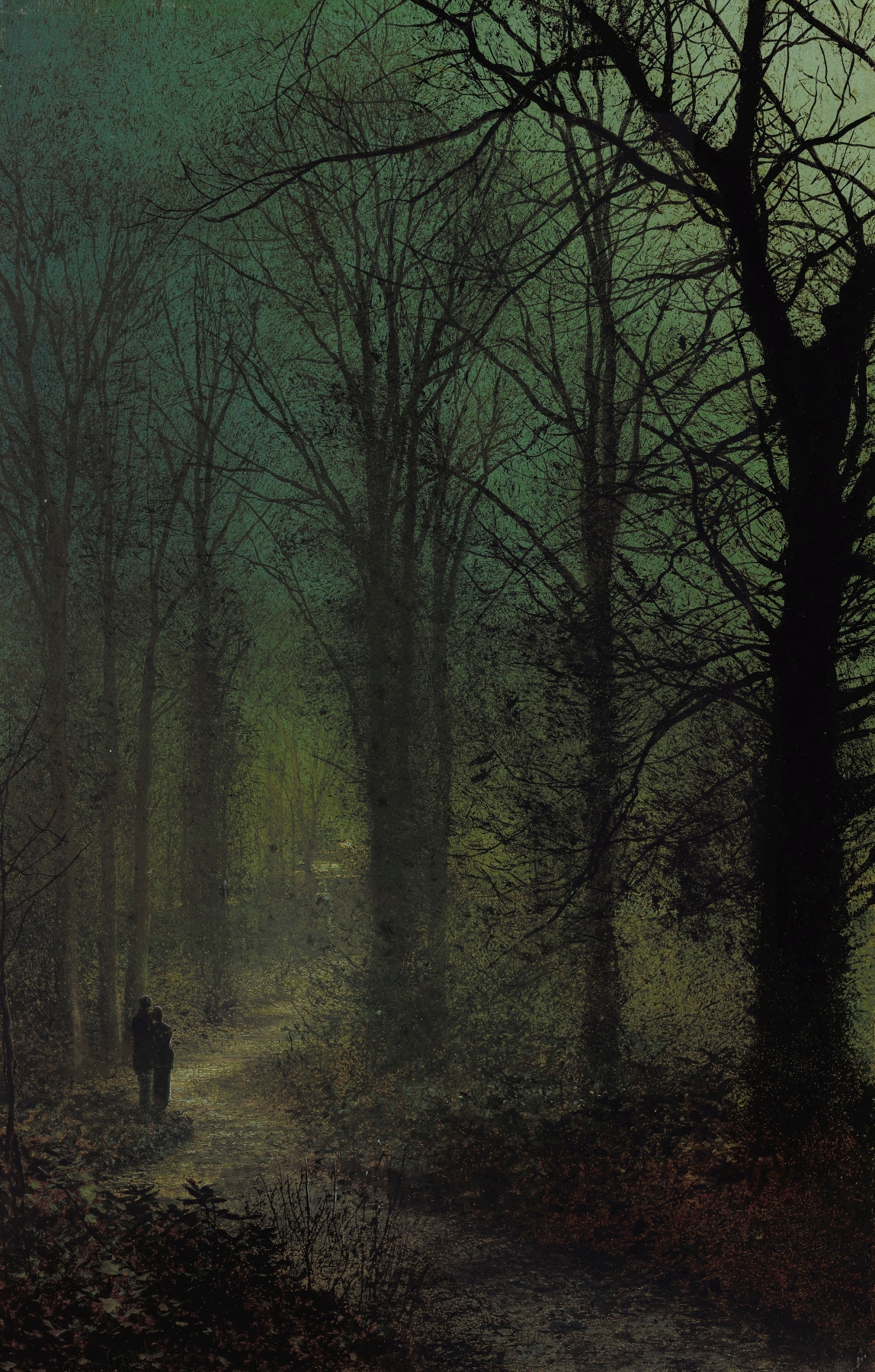
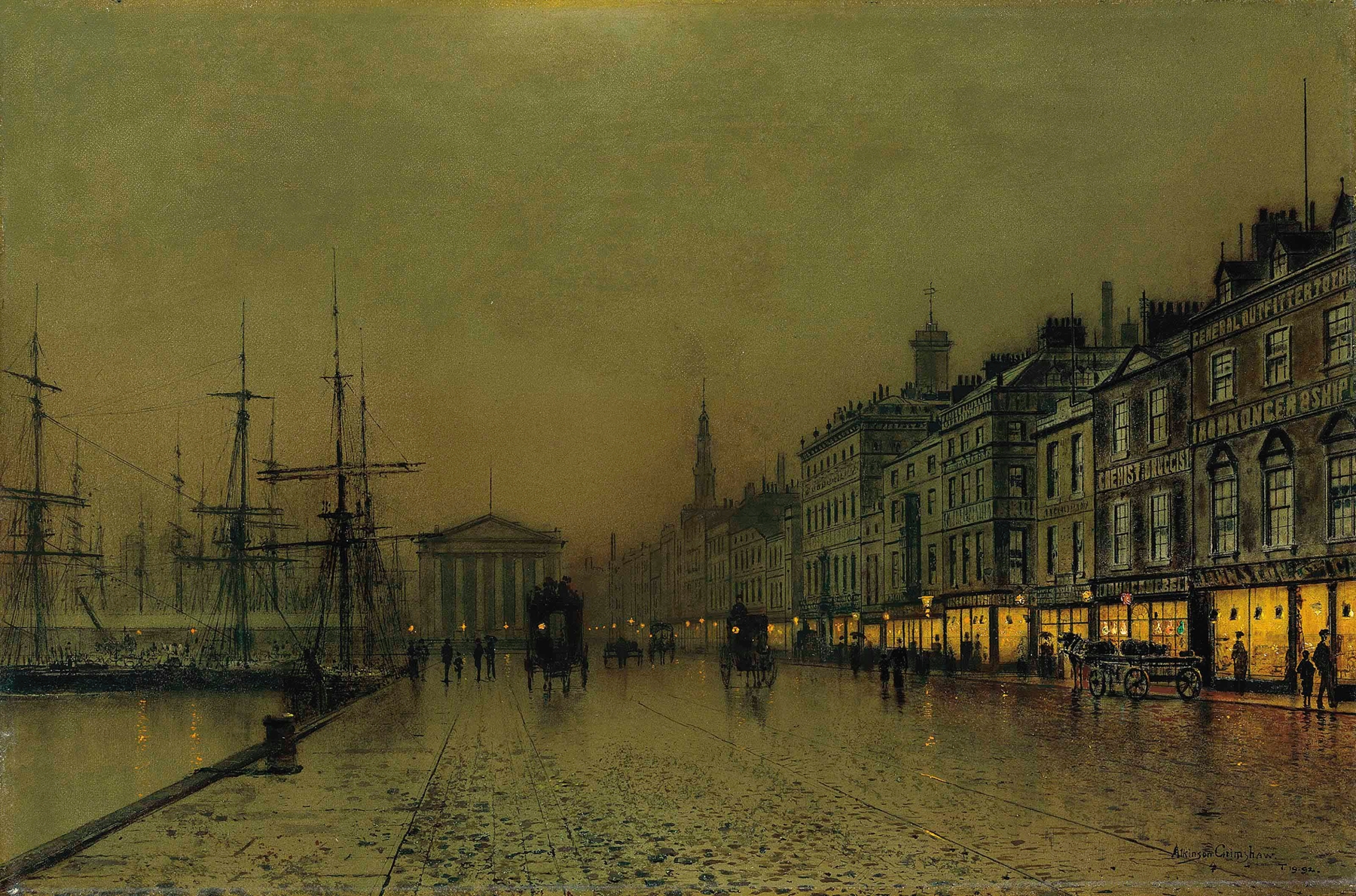
Can paint confess what words never could? In the quiet embrace of twilight, innocence flickers like a candle in the dark, poised between clarity and obscurity. Focus on the delicate interplay of glow and shadow as you gaze upon the ethereal scene. The soft illumination of streetlights casts a warm, golden veil over the cobblestones, leading your eye towards the silhouettes of figures shrouded in the evening mist.
Notice how the artist’s brush captures the intricate details of the buildings, their weathered facades reflecting a history that whispers stories of the past, while soft blues and grays envelop the surroundings, enhancing the melancholic beauty of the moment. In this work, the juxtaposition of light and darkness embodies the tension between urban life and the serenity of solitude. The figures, mere shadows in the luminescent haze, evoke a sense of longing and introspection, hinting at the lives of those who pass through but remain unseen. The innocence of the evening air is palpable, suggesting a fleeting moment where the mundane transforms into something magical, inviting viewers to reflect on their own experiences of connection and solitude.
During the late 19th century when this piece was created, Grimshaw was deeply embedded in the Pre-Raphaelite movement, which sought to revive the detail and vibrant color of earlier art. The world around him was undergoing rapid industrialization, yet his work focused on capturing the beauty within this change. The interplay of light and atmosphere in Liverpool Lights reflects not only his artistic vision but also a profound yearning for tranquility amidst the complexities of modern existence.