Low Tide, boat landing — History & Analysis
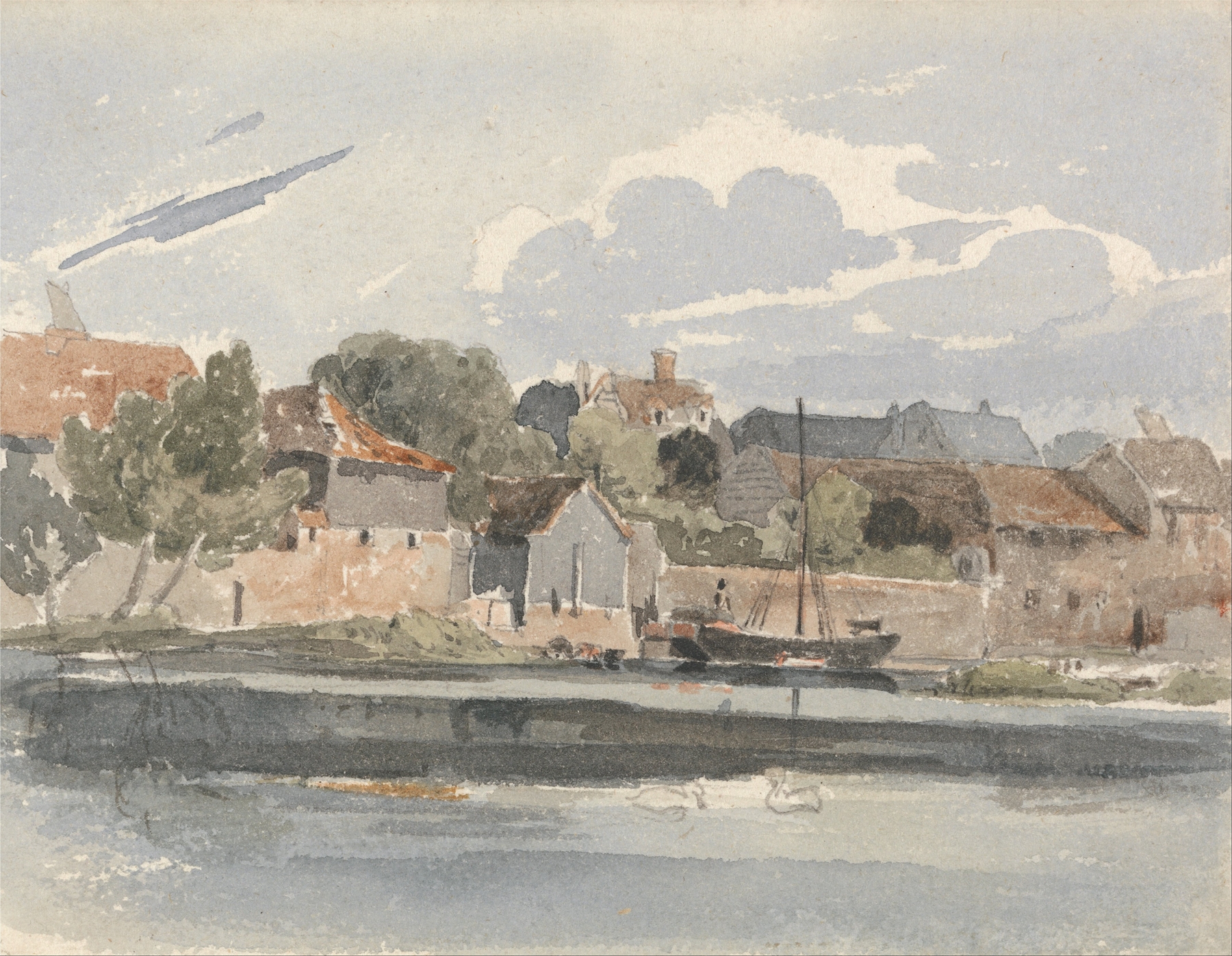
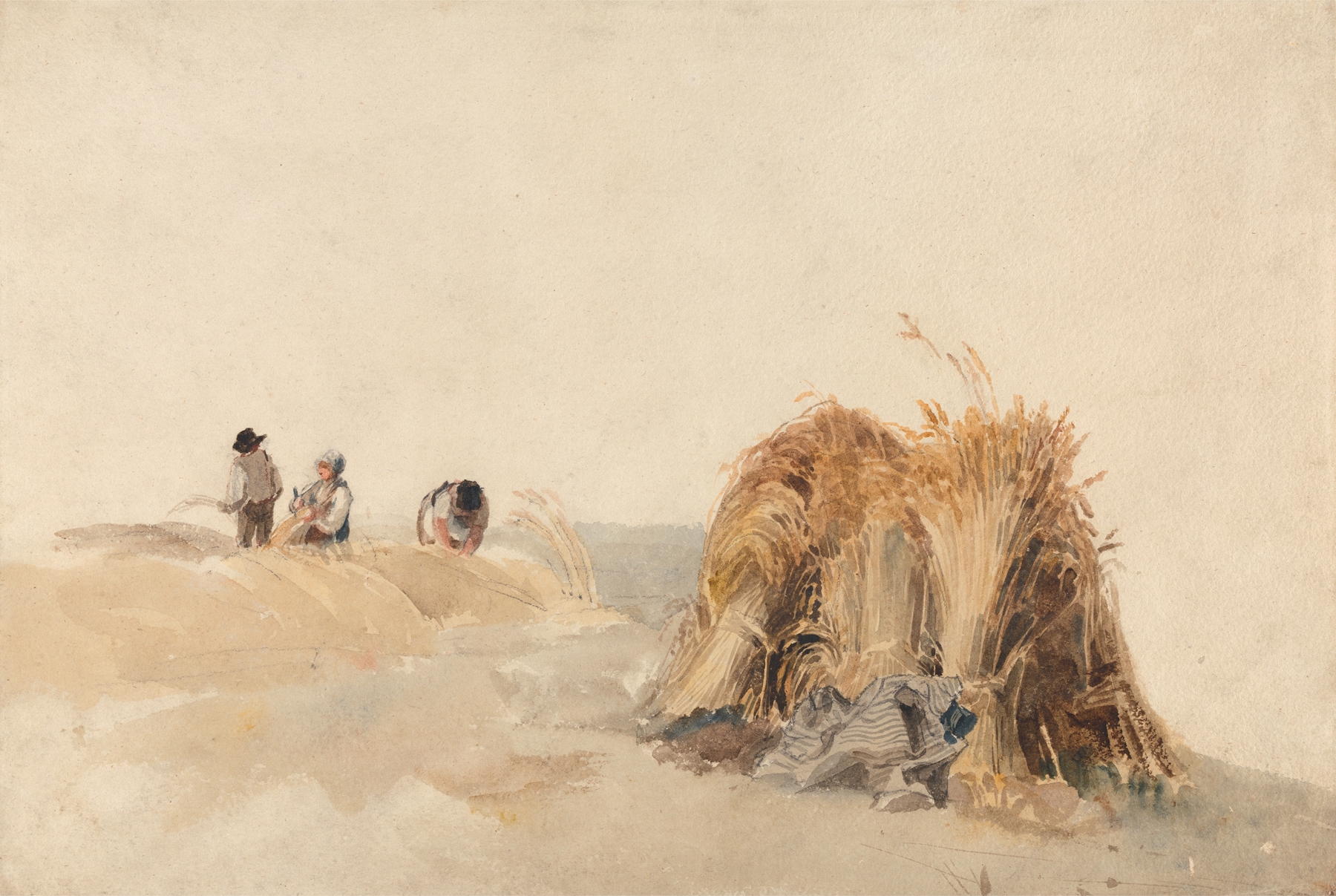
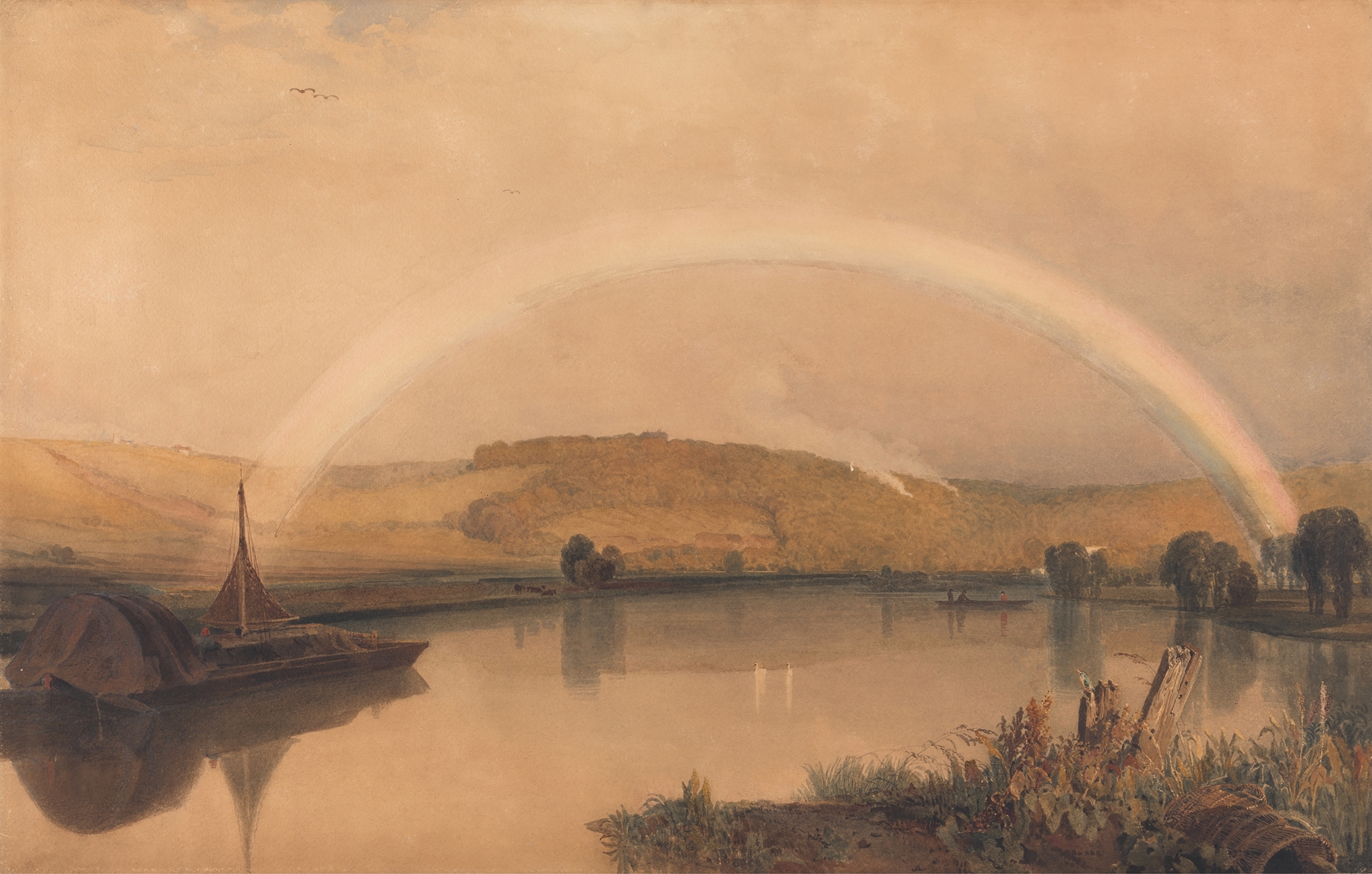
What if silence could speak through light? In the stillness of a seashore at low tide, the world finds its legacy written in the delicate interplay of shadow and luminescence. Look towards the horizon where the gentle waves retreat, leaving behind glistening strands of wet sand. The scene is grounded by the sturdy presence of a boat landing, its weathered wood contrasting sharply with the soft blues and tranquil earth tones of the landscape.
Notice how the light cascades over the surface, illuminating the textures of the boat and the horizon, inviting the viewer to traverse the quiet expanse of water that beckons in the distance. The composition speaks of time standing still, yet the ebbing tide suggests an inevitable movement, a transition. Here, the juxtaposition of the solid boat landing against the fluidity of the water evokes a sense of permanence in a world subject to change. Each brushstroke conveys a story, revealing the fragility of human endeavors against nature’s relentless patterns while the soft light hints at memories waiting to be uncovered.
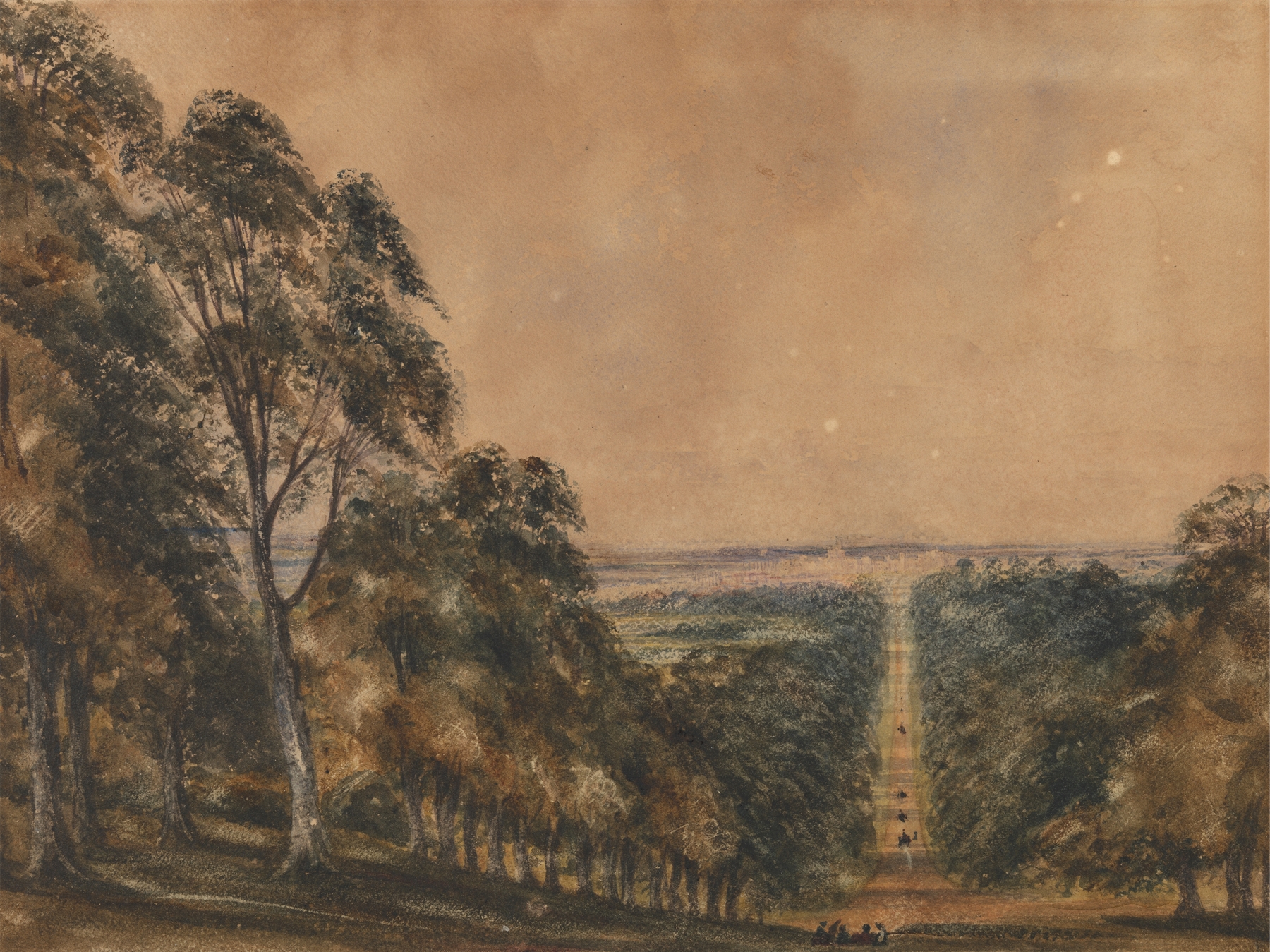
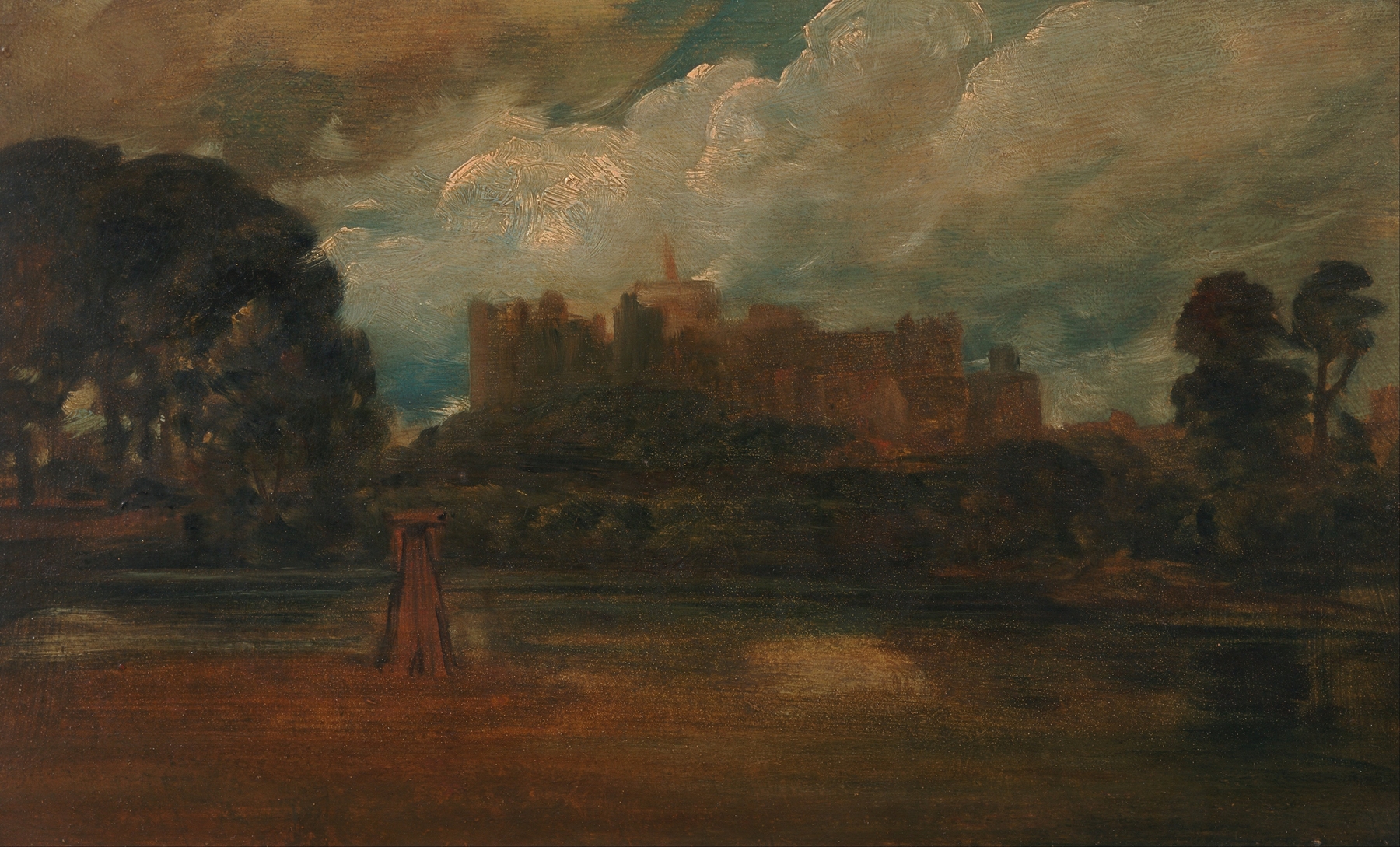
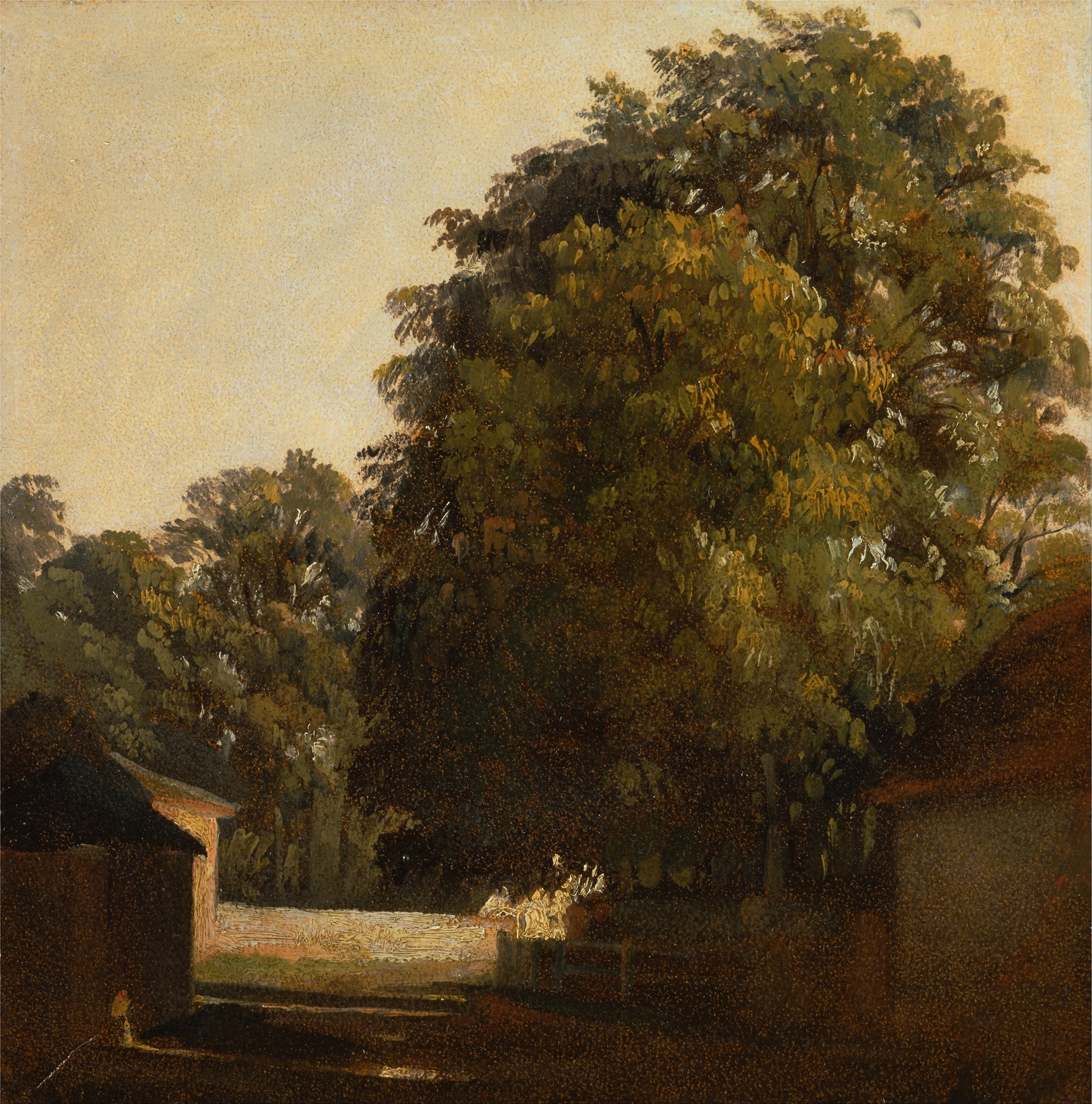
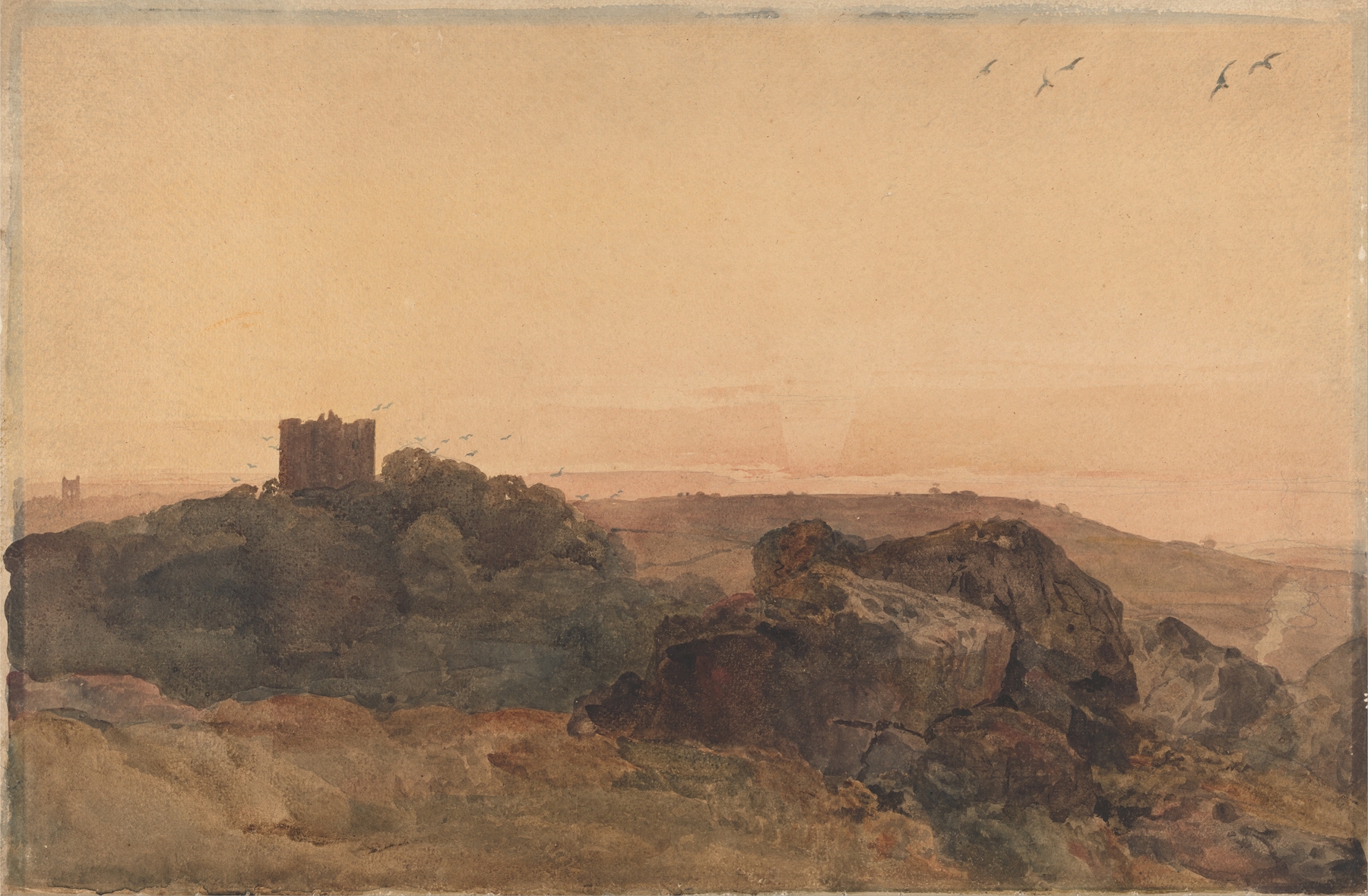
Created during a time when the Romantic movement beckoned artists to explore emotion and nature, the work likely reflects Peter DeWint’s fascination with the sublime beauty of the British landscape. He was known for his watercolors and depictions of rural life, often inspired by the changing seasons and the relationship between humanity and the environment. This piece, though undated, encapsulates the essence of his artistic pursuit, framed within a historical context that embraced both pastoral beauty and the legacy of the land.