Luiheid (Pigritia Acedia) — History & Analysis
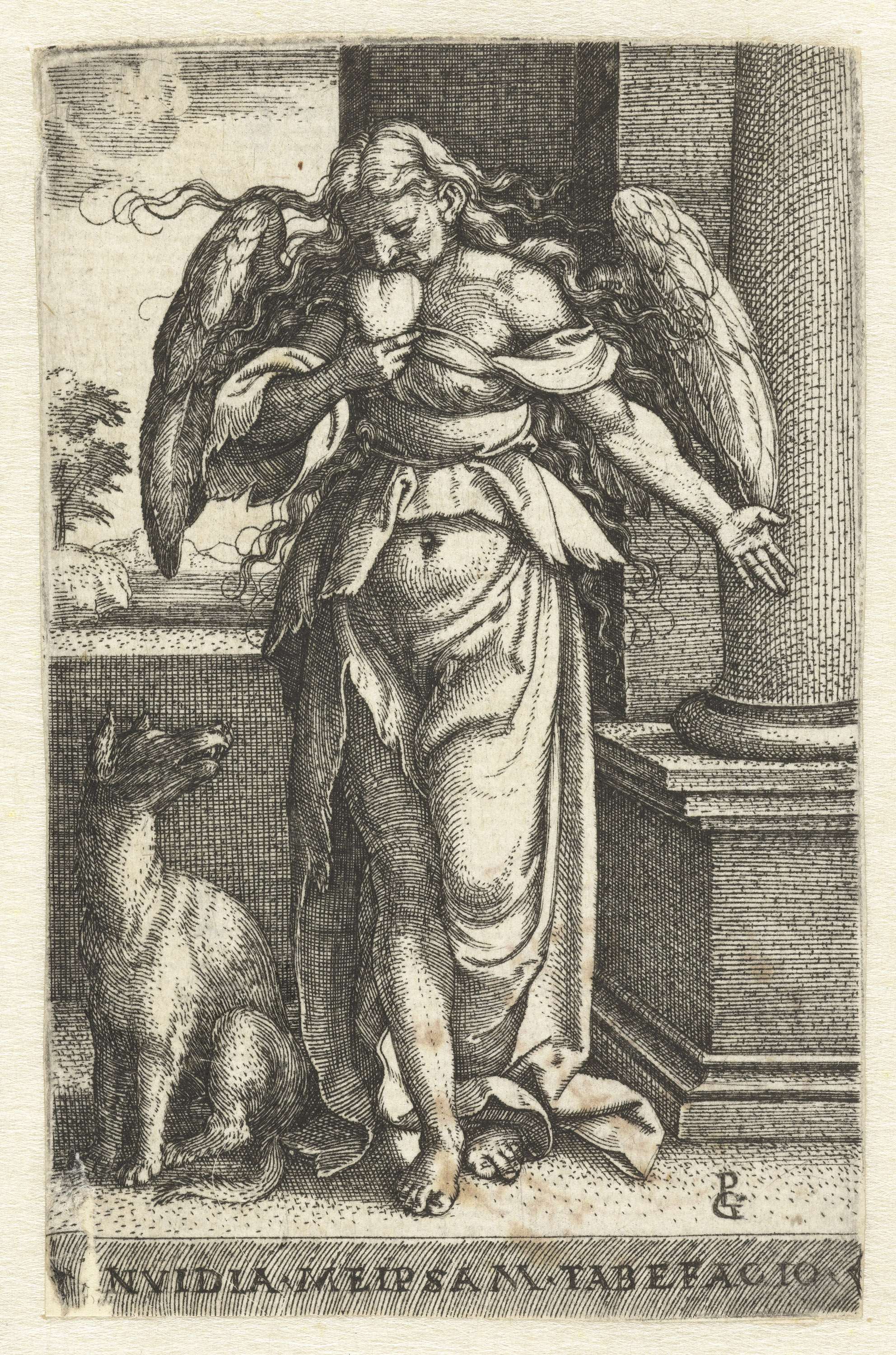
“The canvas doesn’t lie — it simply waits.” In the stillness of art, fear unfurls its wings, hovering just beyond our reach, whispering truths that often remain unspoken. Look to the center of the piece, where an imposing figure draped in rich, muted colors stands in a languid pose, embodying a profound sense of ennui. The heavy brushstrokes create a textured garment that blends with the dark, brooding background, enhancing the sense of isolation. The interplay of light reflects off the figure’s downcast gaze, the very essence of weariness captured in the slight droop of the shoulders, inviting you to ponder the weight of despair that clings to the air.
As you explore further, subtle details reveal the emotional landscape of the work. The figure’s pallid skin contrasts sharply against the dark hues, suggesting an inner turmoil that is palpable yet unsaid. The careful placement of an empty cup at the edge of the scene speaks volumes; it symbolizes abandonment and loss of purpose, reflecting the struggle against one’s own inertia. The tension between the figure and the surrounding emptiness begs the question: How much longer can one bear the burden of apathy before succumbing entirely?
Georg Pencz created this haunting piece between 1539 and 1543, a time when the Renaissance was giving way to a more introspective exploration of the human condition. Living in Nuremberg, Pencz was influenced by the shifts in society and thought, where the weight of expectation lay heavily on individuals. This painting captures not only personal despair but also the pervasive anxiety of an artist grappling with the complexities of the human psyche in an ever-changing world.