Main Entrance, S. Zeno, Verona, Italy — History & Analysis
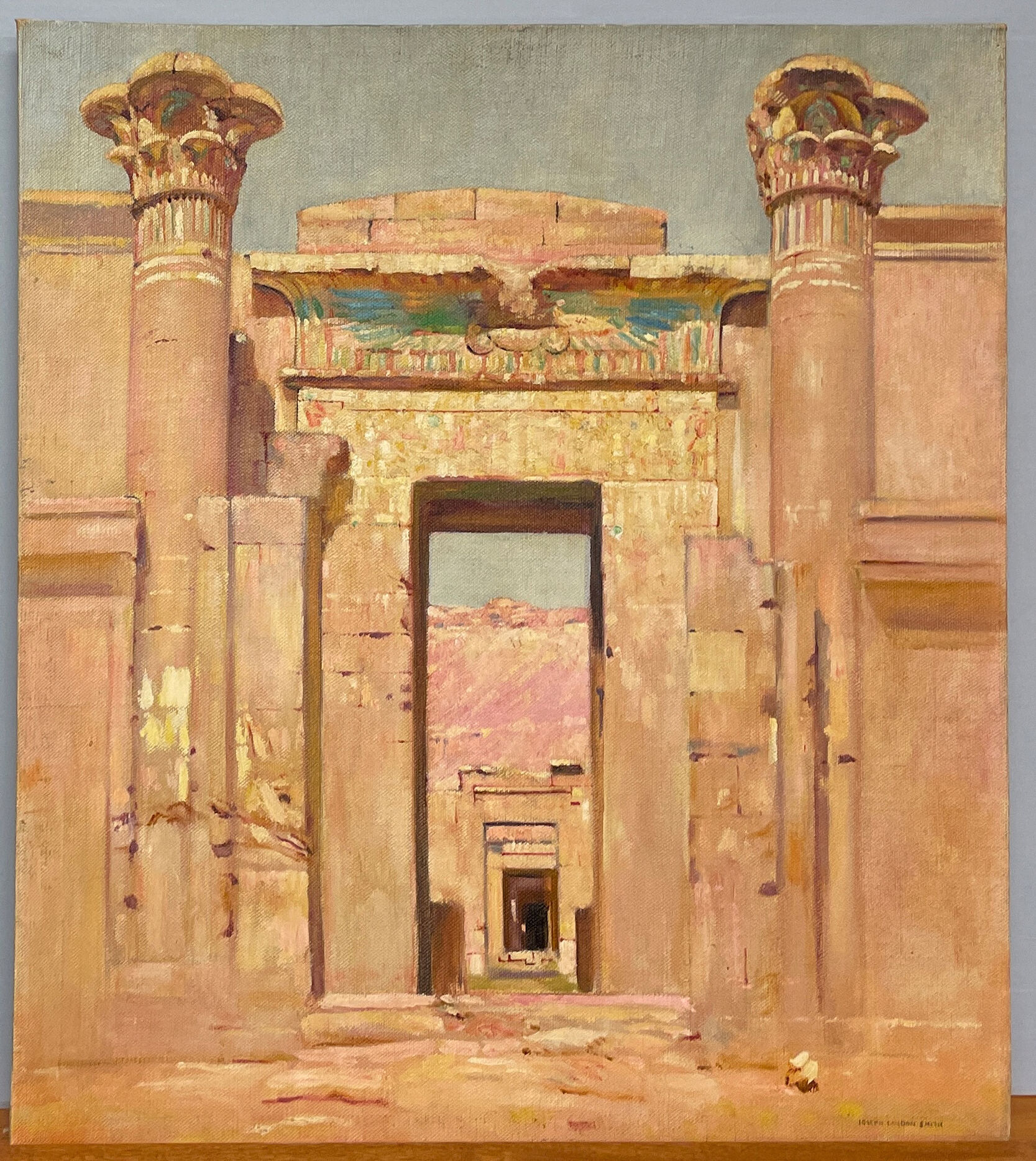
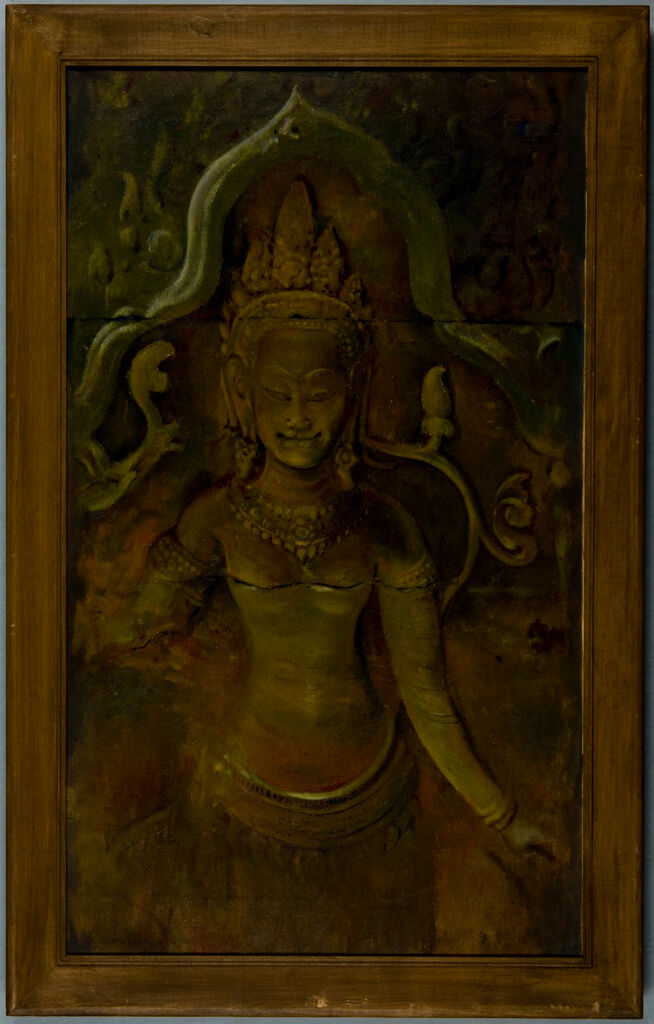
“Between color and silence, truth hides.” In the quiet embrace of architecture and nature, desire whispers through the corridors of time. Look to the left at the intricate stone carvings that frame the entrance, their delicate shapes inviting you into a world of history and longing. Notice how the warm hues of ochre and soft browns contrast with the cool green of the surrounding foliage, creating a harmony that is both inviting and poignant. The artist’s brushwork captures the weight of the stone and the fluidity of life, drawing your gaze toward the softly lit path that beckons to be explored.
Within this scene lies an emotional tension—between permanence and transience, the manmade and the organic. The grandeur of the entrance speaks of human ambition, yet the encroaching nature suggests a yearning for connection, a desire to return to simplicity. Each shadow cast upon the stone seems to hint at stories untold, evoking a sense of nostalgia and unfulfilled wishes that linger just beyond the frame. During the late 19th to early 20th century, the artist captured *Main Entrance, S.
Zeno* while exploring the remnants of historical architecture in Italy. This period marked a growing interest in plein air painting, as well as a deep appreciation for the fusion of natural beauty and human craftsmanship. Lindon Smith was influenced by the Romantic movement, which celebrated emotion and the sublime, and he sought to immortalize the essence of places like Verona amidst the changing tides of modernity.