Mannen en een muilezel bij de Via Appia — History & Analysis
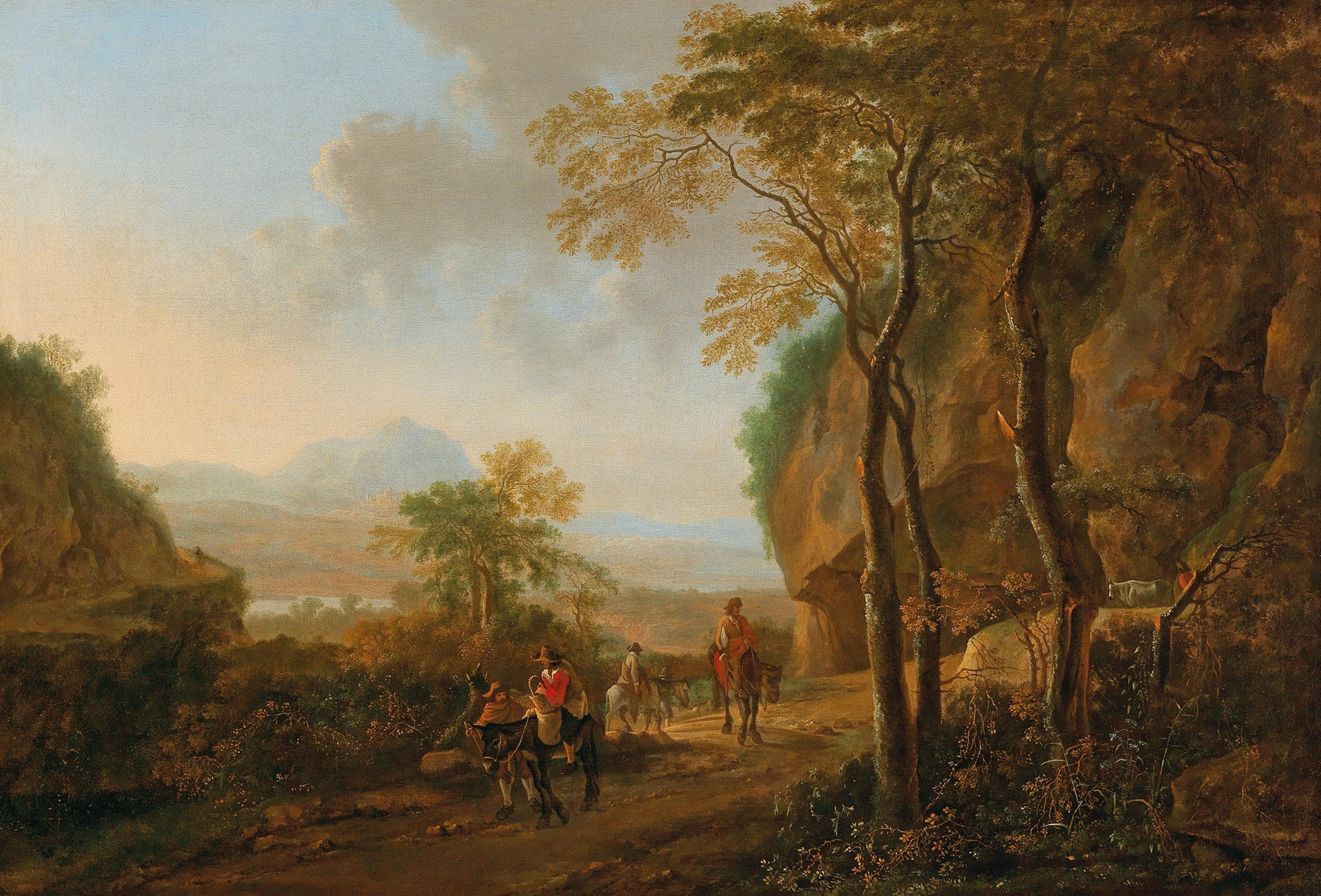
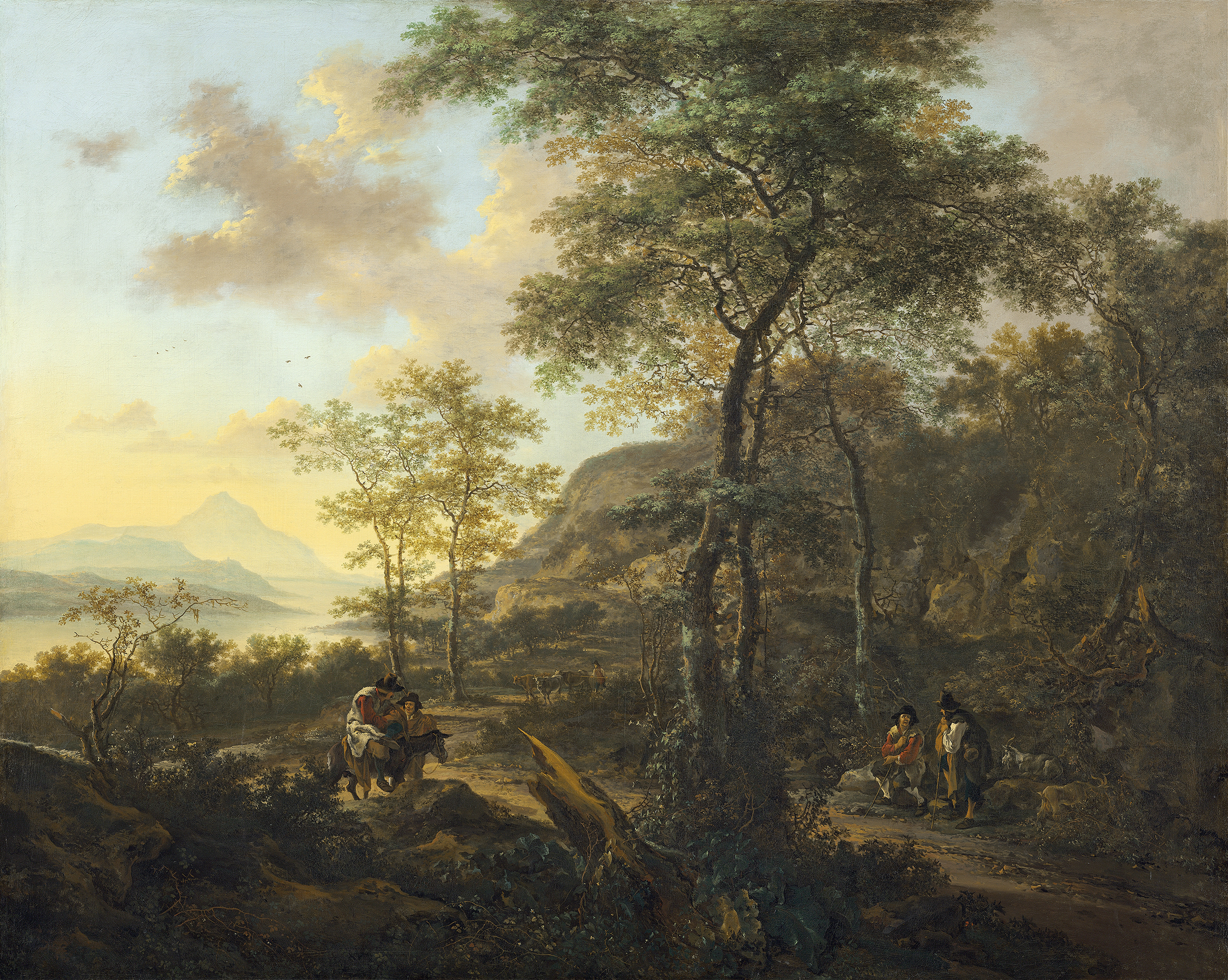
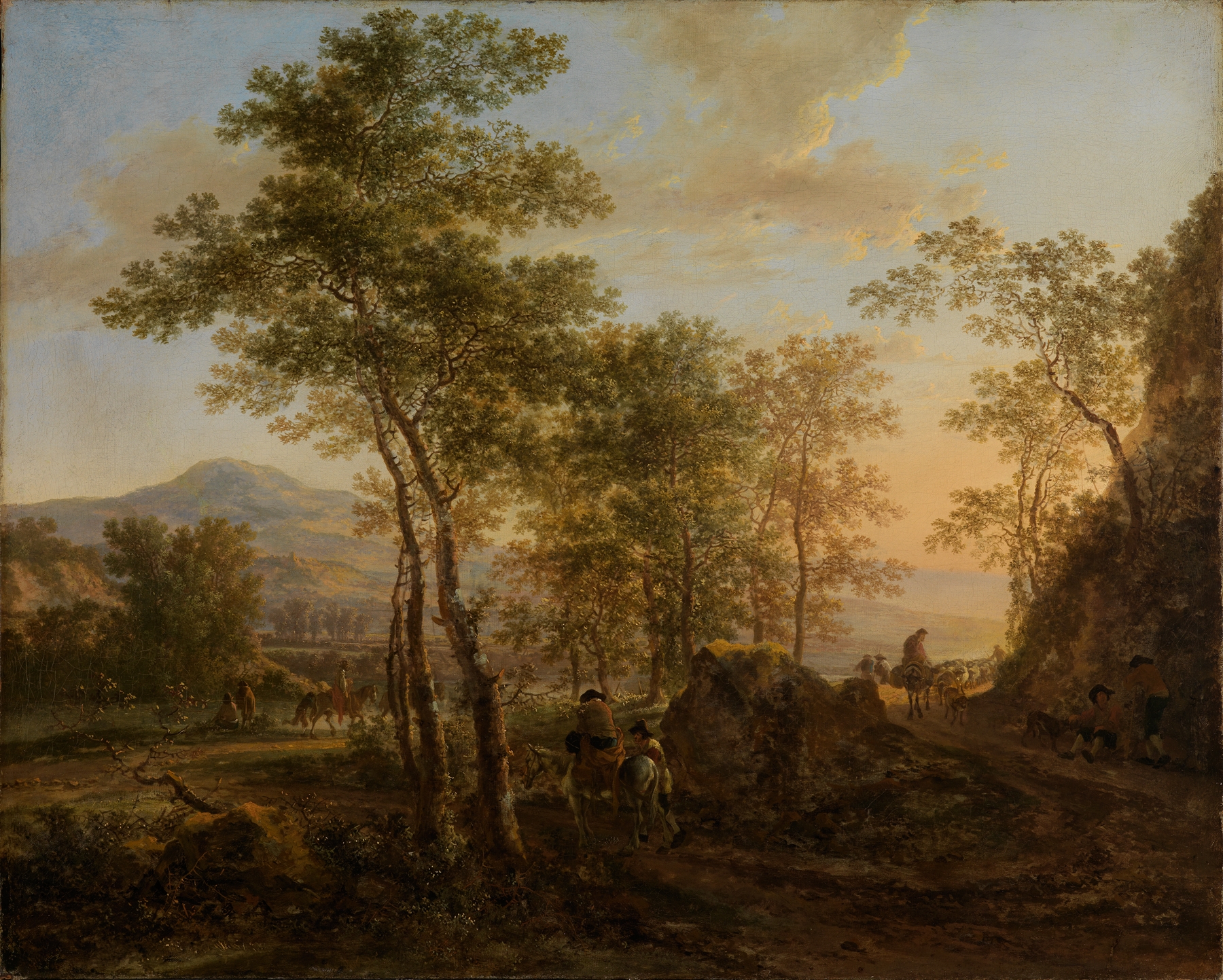
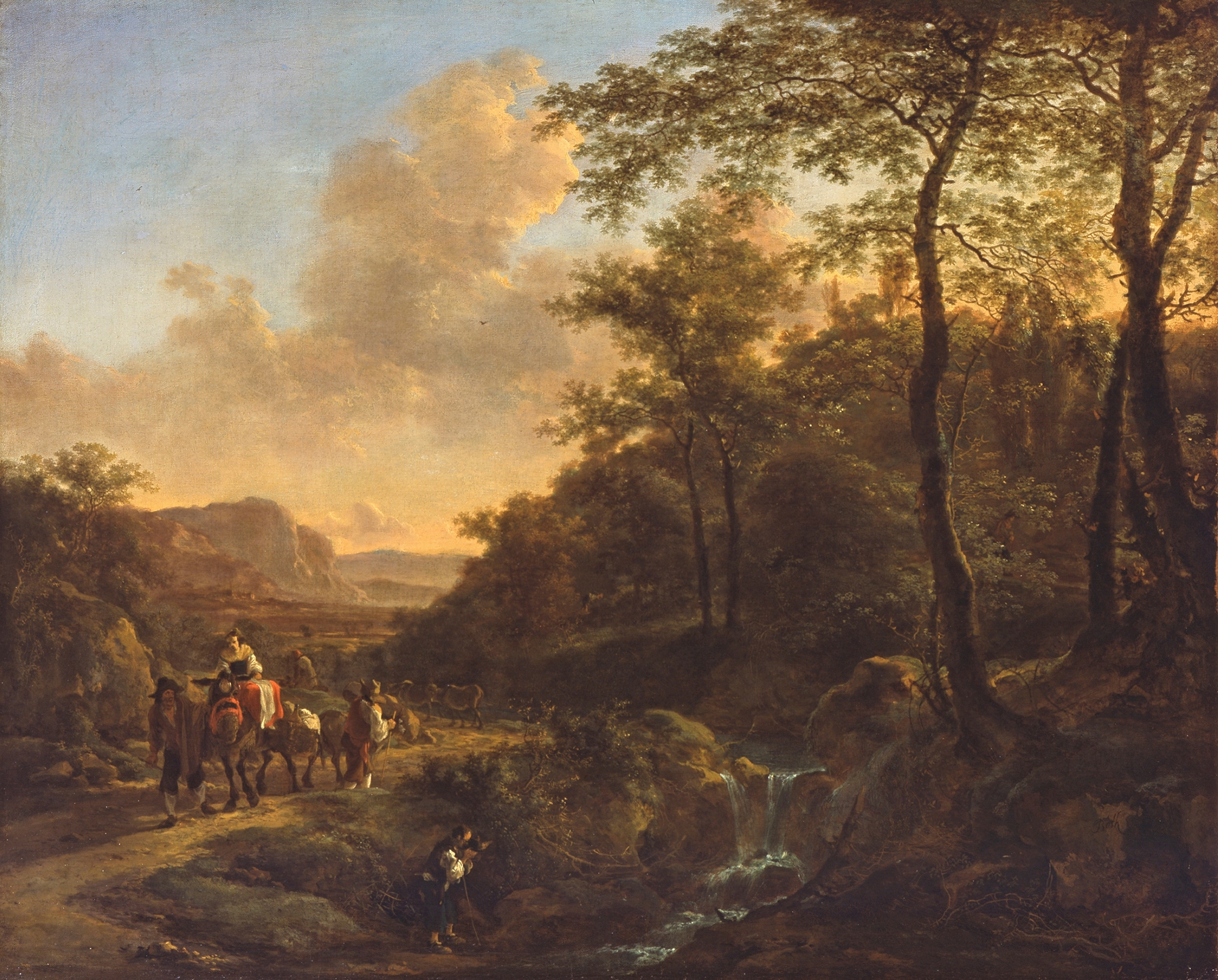
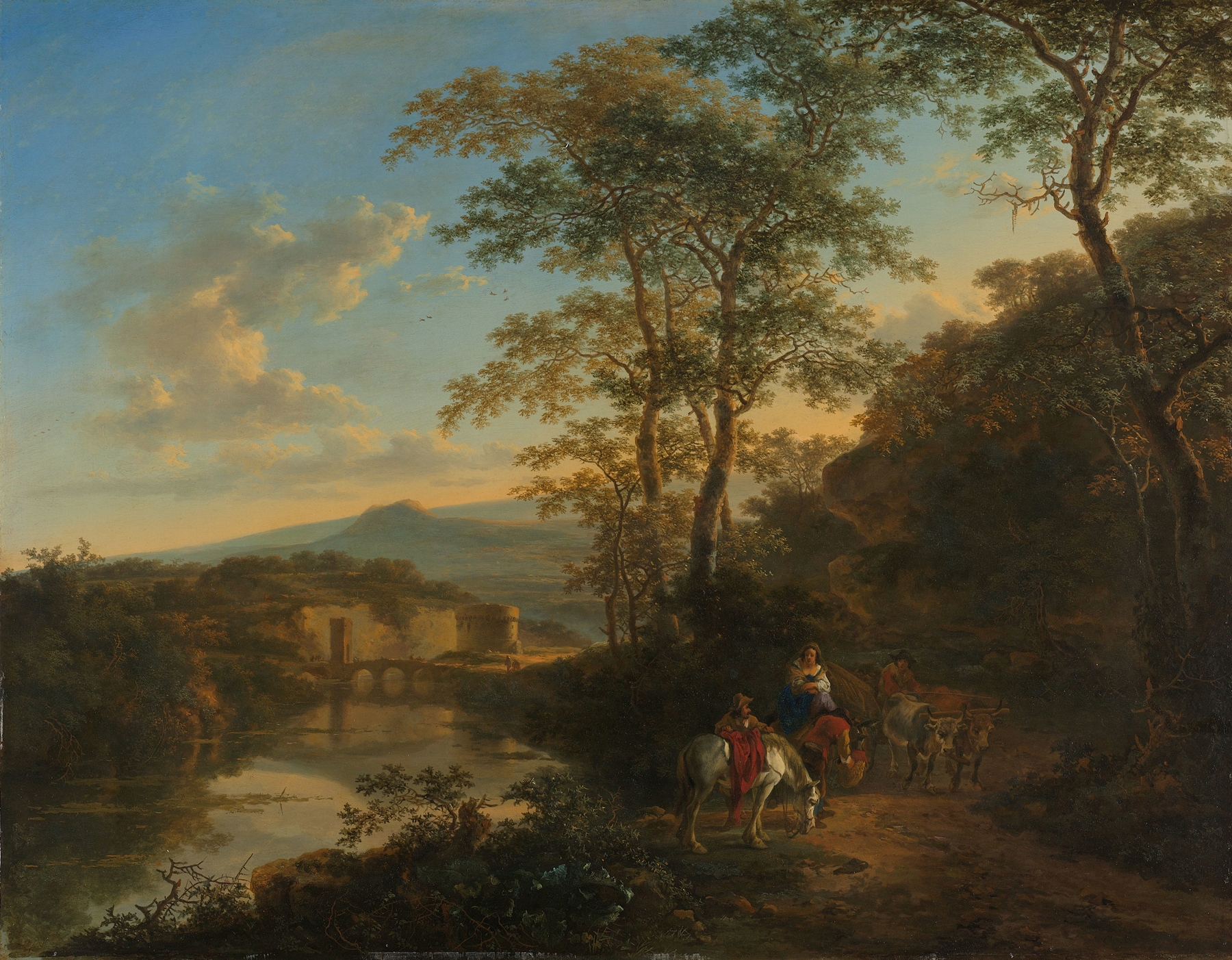
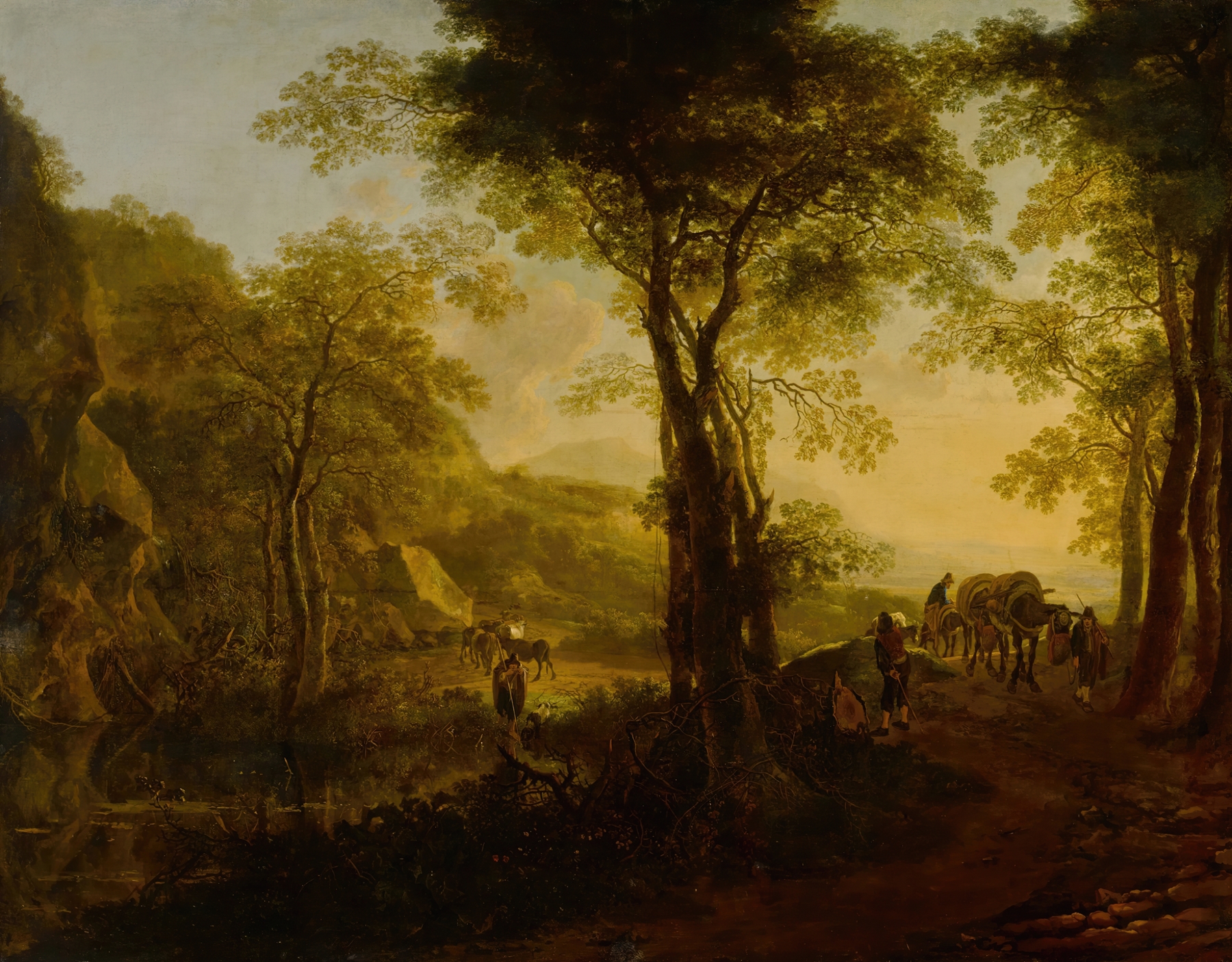
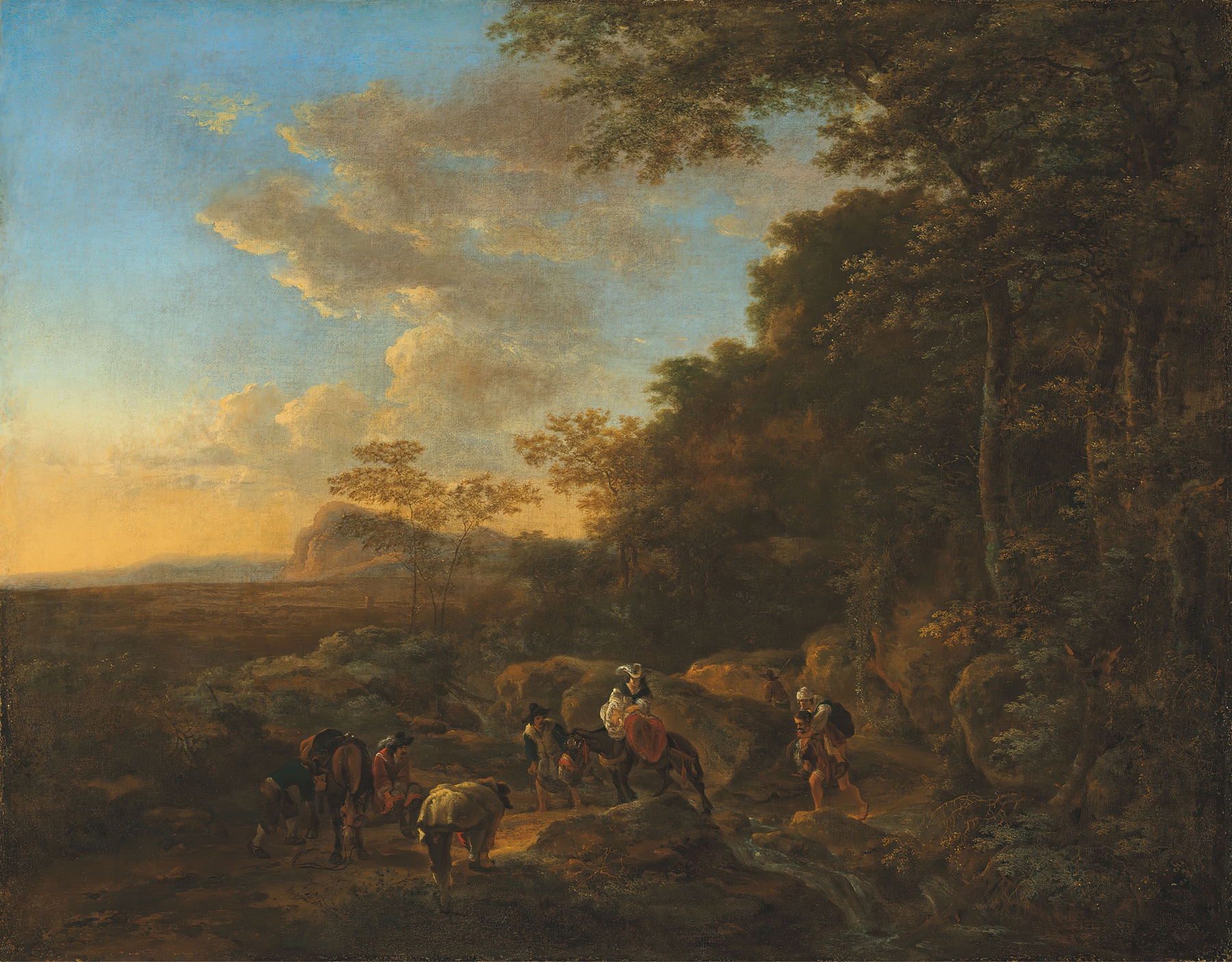
Where does light end, and longing begin? In the haunting glow of a sun-drenched landscape, the remnants of time whisper stories yet untold. Look to the left, where the golden sunlight bathes the weary figure of a man, his posture steeped in contemplation. The earthy tones of the soil beneath him harmonize with the muted greens of the surrounding foliage, creating a sense of serene yet palpable tension. Notice the muilezel, a steadfast companion, casting a long shadow that stretches towards the horizon, inviting the viewer into the shared journey of man and animal.
Each brushstroke reveals a dialogue between light and shadow, suggesting not just a physical path but a deeper exploration of existence. Beyond its tranquil appearance, the painting encapsulates themes of legacy and connection to the past. The Via Appia, an ancient Roman road, serves as a reminder of the passage of time and the enduring nature of human experience. The figure’s contemplative stance evokes a profound yearning for continuity, bridging generational wisdom with the present.
The juxtaposition of the solitary man against the vastness of the landscape speaks to the universal quest for meaning within the transient nature of life. In the years between 1644 and 1652, Jan Both painted this scene while residing in Italy, a time when he was deeply influenced by the Dutch landscape tradition and the classical ideals of the Italian Renaissance. The world was shifting—art was evolving, and Both's works began to reflect a harmonious blend of these influences. This painting, a testament to both his skill and the cultural dialogues of the era, captures the essence of human experience, merging the intimate and the infinite in a single frame.