Matsushima Zaimokuto (Zaimoku Island at Matsushima) — History & Analysis
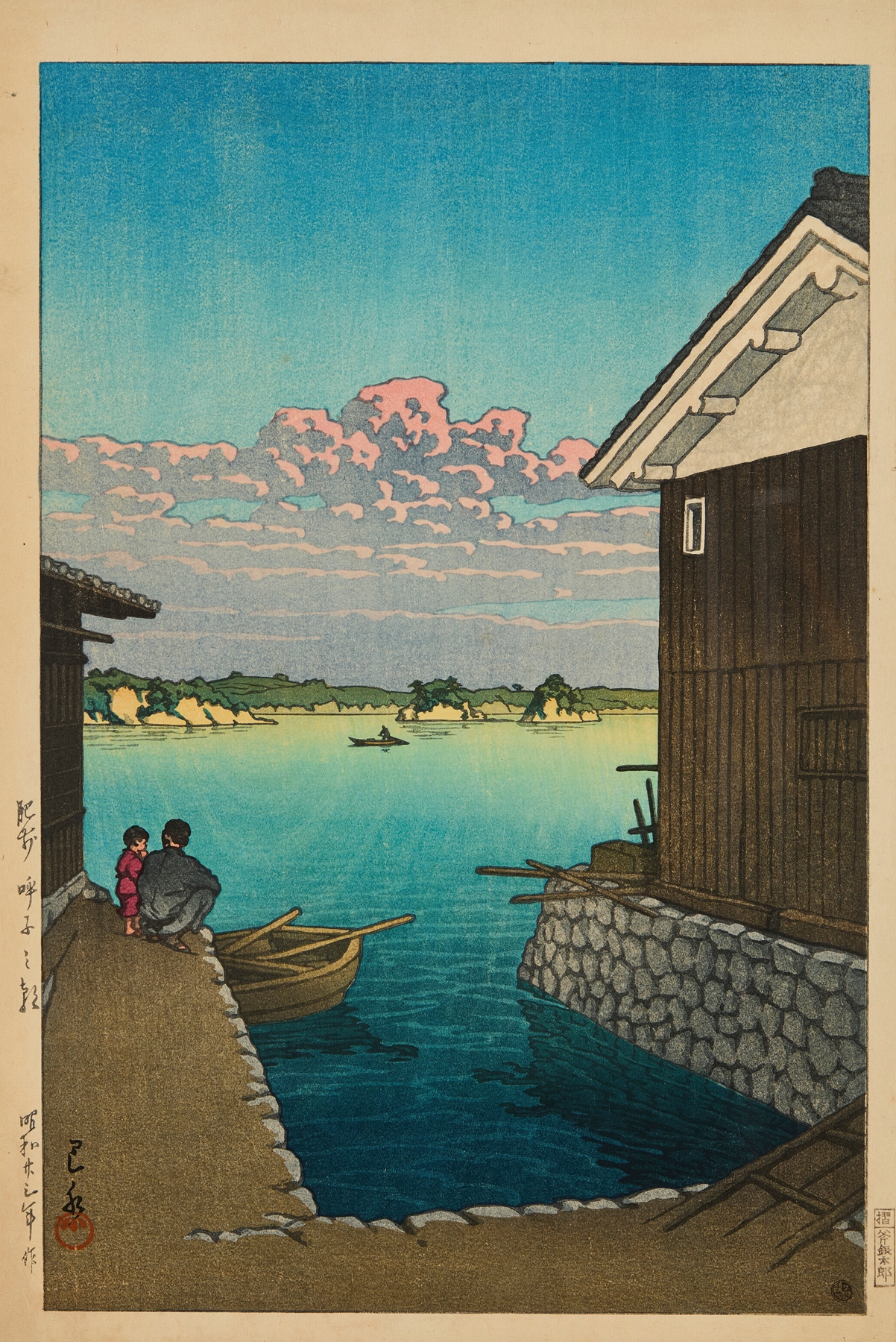
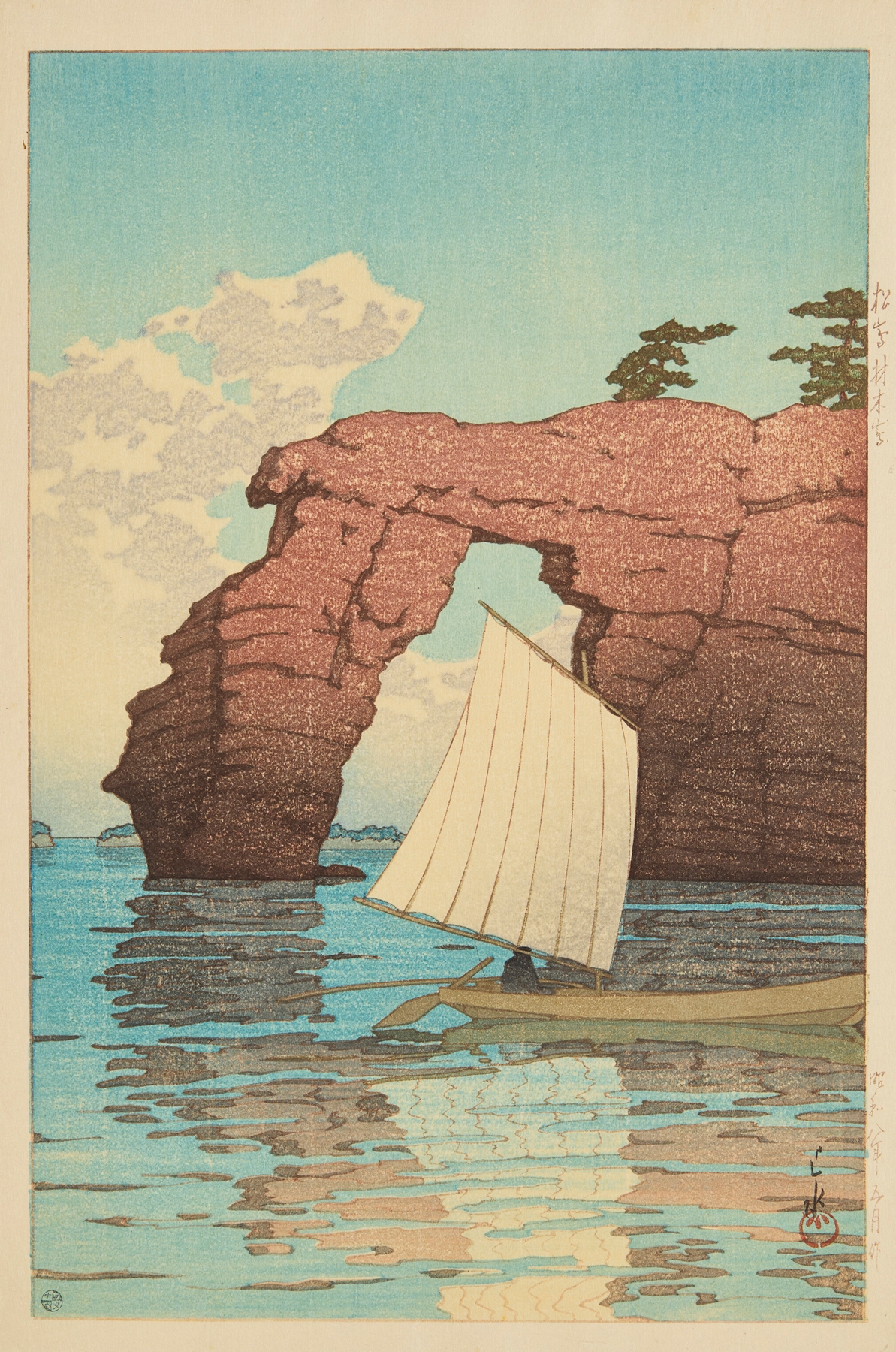
Could beauty survive in a century of chaos? In Matsushima Zaimokuto, a serene landscape emerges, standing resilient against the tumult of its time. The vibrant colors breathe life into the scene, creating a poignant contrast between tranquility and the chaos that often surrounds it. Look to the foreground, where delicate shades of green and blue blend together, depicting the lush foliage of Zaimoku Island. Notice how the artist captures the gentle ripples of water, reflecting a soft pink and orange sky that hints at twilight.
The composition is masterfully balanced, drawing the eye across the still water to the distant horizon, where faint silhouettes of other islands fade into the twilight, inviting contemplation. In this painting, the interplay of light and shadow symbolizes the fragility of beauty amidst uncertainty. The warm hues evoke a sense of warmth and solace, while the cool tones in the shadows suggest an underlying tension. This duality mirrors the emotional landscape of Japan in the early 20th century, a country emerging from turmoil yet striving to preserve its natural beauty and cultural heritage.
Each brushstroke resonates with a longing for peace and connection to nature. Kawase Hasui created Matsushima Zaimokuto in 1933 amidst the rise of modernity and urbanization in Japan. This period was marked by significant social changes and artistic movements that sought to reconcile traditional aesthetics with contemporary influences. His work reflects not only his deep appreciation for Japan's scenic landscapes but also a national yearning for stability and beauty during an era of rapid transformation.