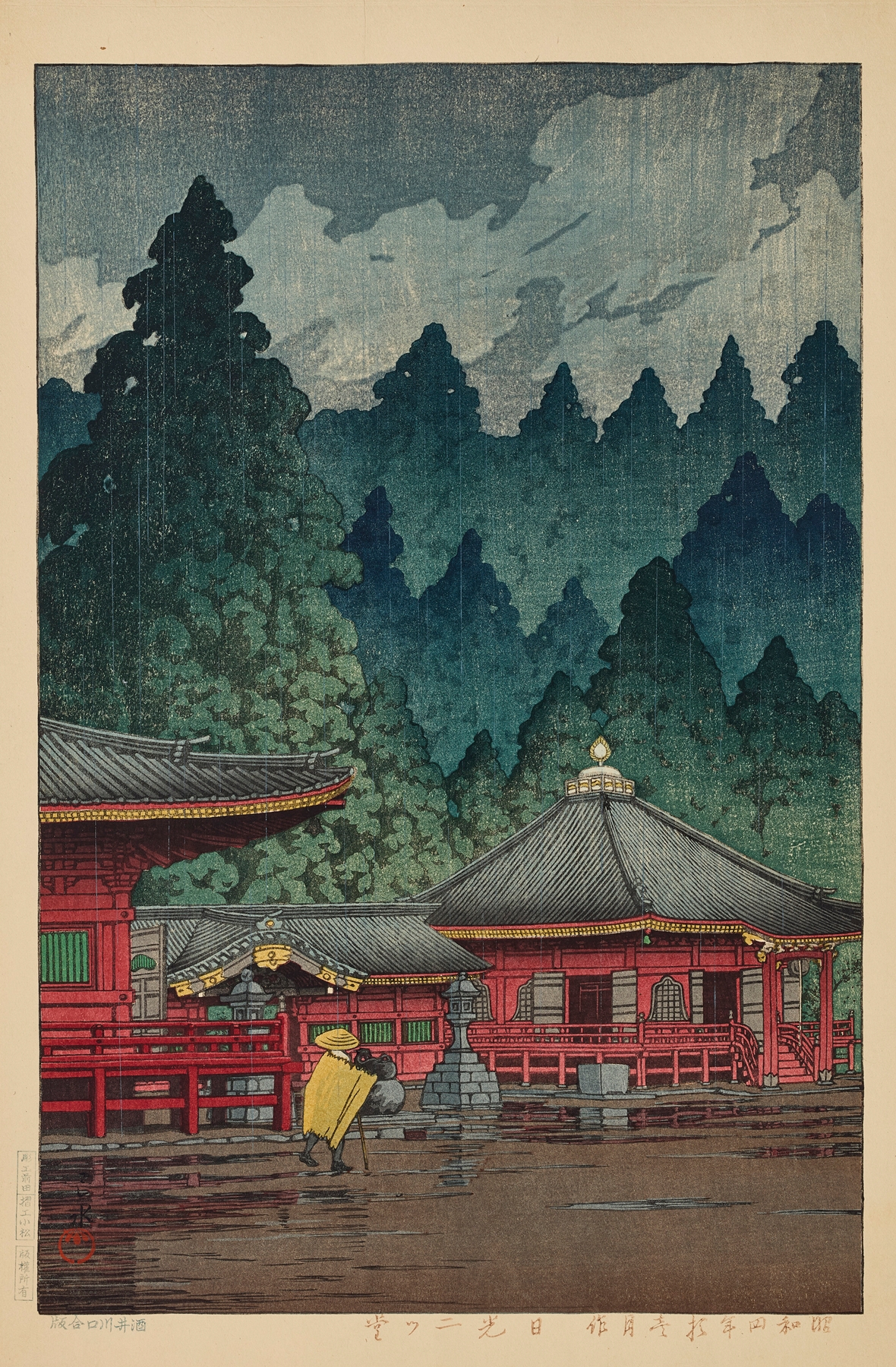
Nikko Futatsudo (Futatsu Hall in Nikko) — History & Analysis
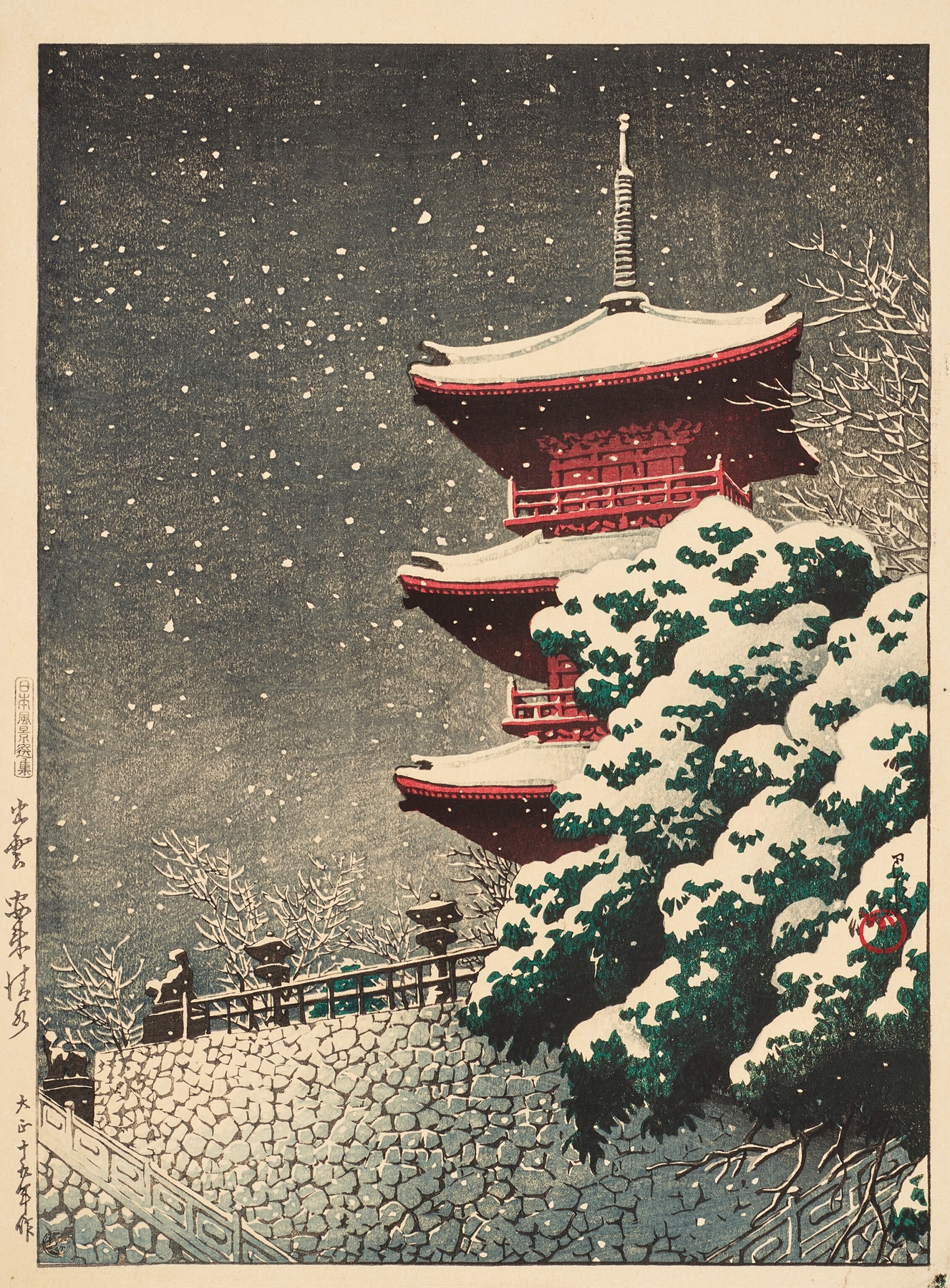
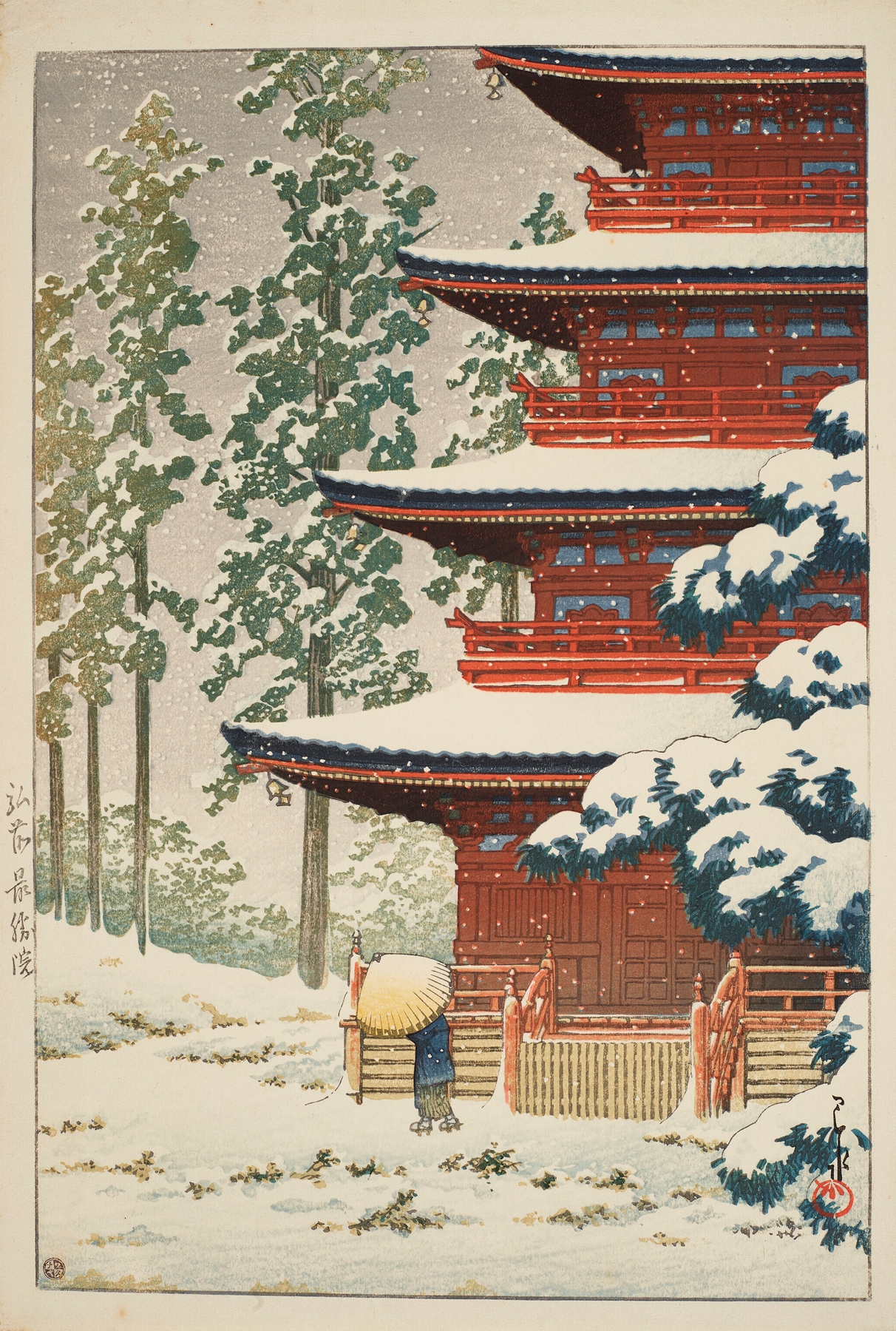
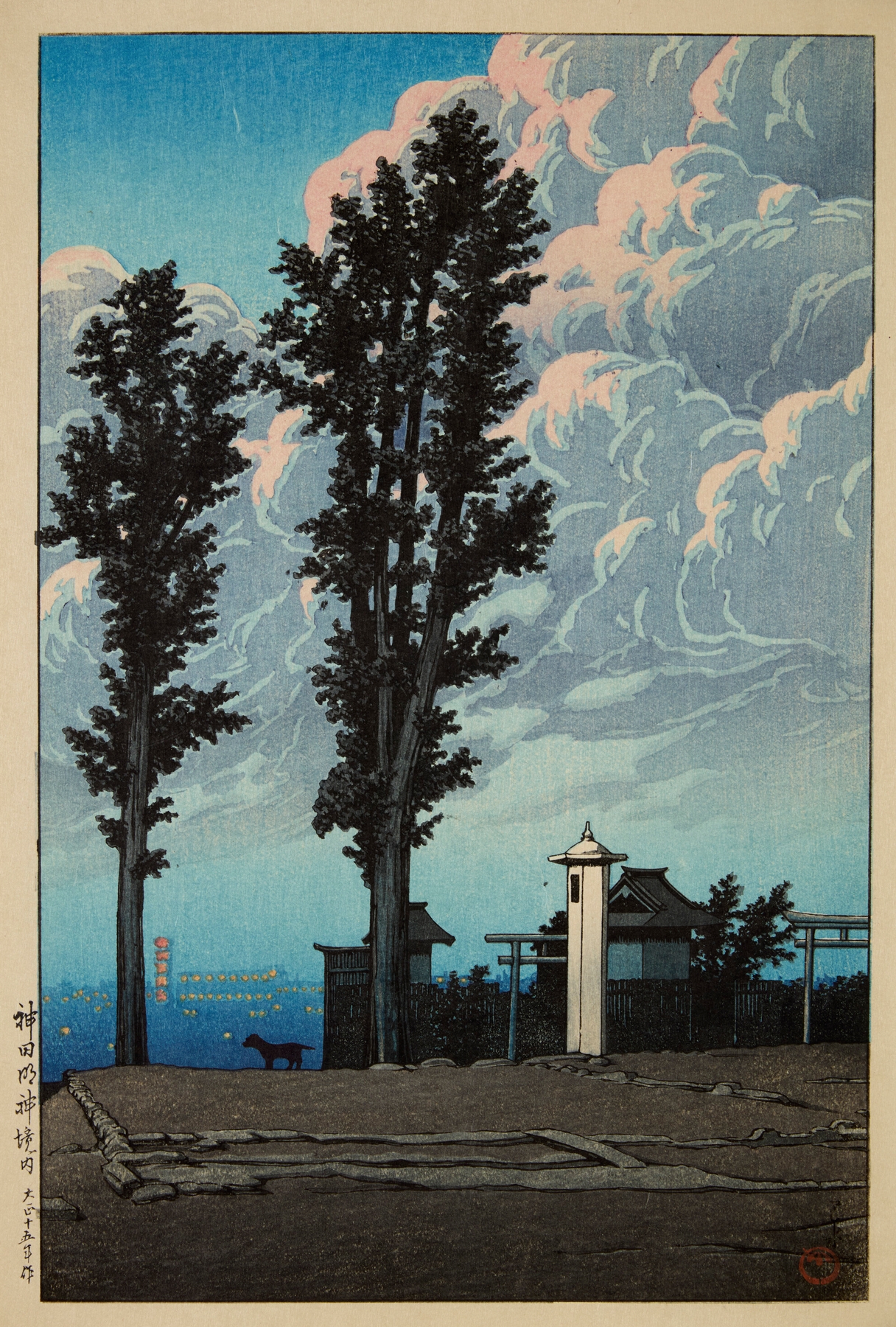
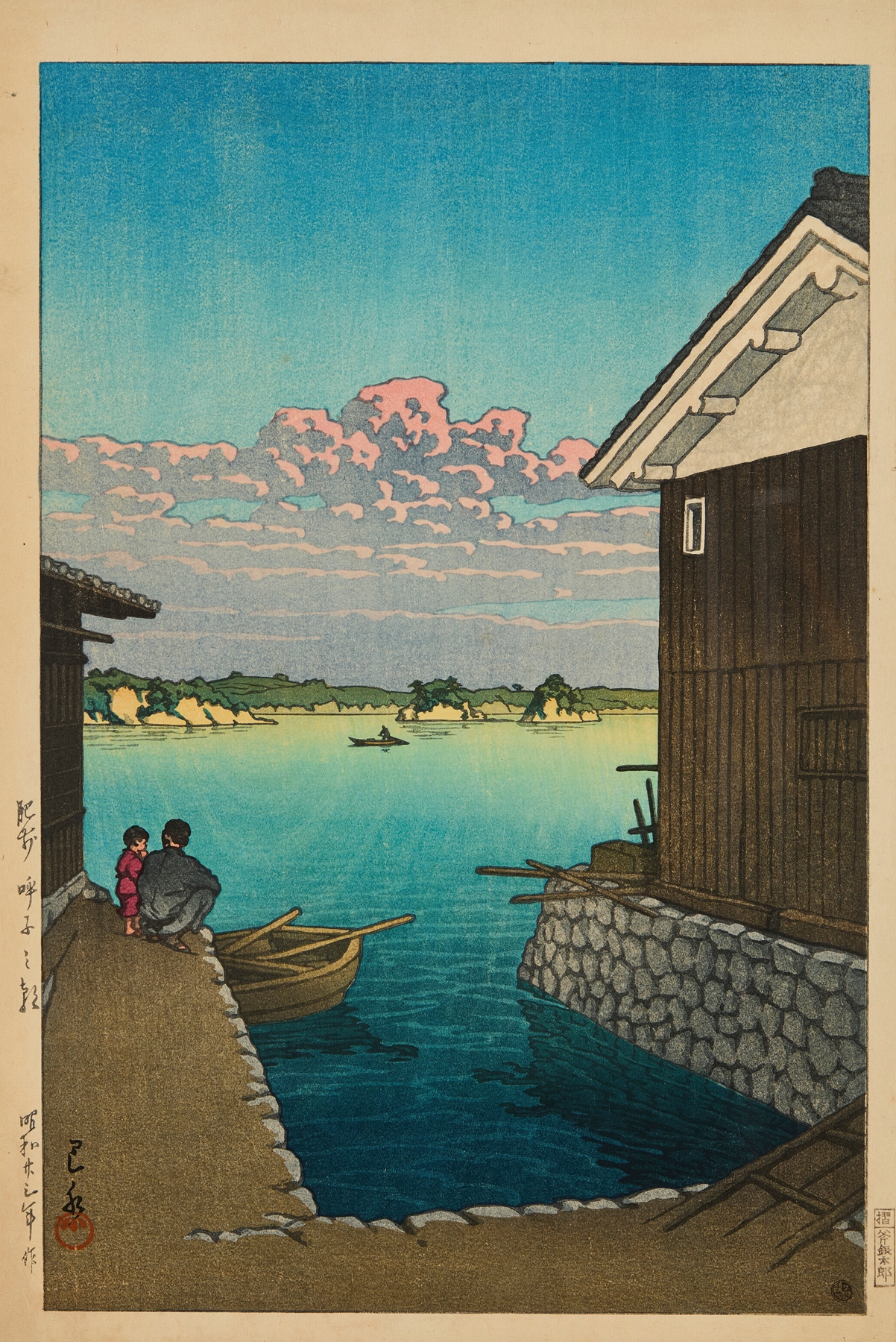
Can beauty exist without sorrow? In the hushed tranquility of *Nikko Futatsudo*, the viewer is invited into a serene dreamscape that lingers between reality and the ethereal. Look closely at the gentle, winding pathway that curves through a lush, verdant landscape. Notice how the soft blues and greens dominate, evoking a soothing calmness, while dappled light filters through the trees, casting intricate patterns on the ground. The finely detailed textures of the foliage and the delicate outlines of the hall draw the eye inward, inviting contemplation and reflection on the serene architectural forms nestled within nature. The juxtaposition of the sturdy structure against the delicate environment speaks to the balance between human creation and the natural world. The distant mountains loom, both protective and isolating, suggesting a harmony that might be fraught with underlying tension—between aspiration and reality, joy and melancholy. The scene embodies a fleeting moment, capturing the ephemeral nature of beauty, hinting that with each serene view, there may be a whisper of longing for what lies beyond. Kawase Hasui created *Nikko Futatsudo* in 1929, during a period when he was deeply engaged with the shin-hanga movement, which sought to revitalize traditional woodblock printing through contemporary themes. Living in a post-war Japan characterized by rapid modernization, Hasui’s focus on tranquil landscapes served as a poignant reflection of the cultural shifts occurring around him, aiming to preserve the beauty of nature amidst a changing world.