Matsuyamajo Tonashimon (Tonashi Gate, Matsuyama Castle) — History & Analysis
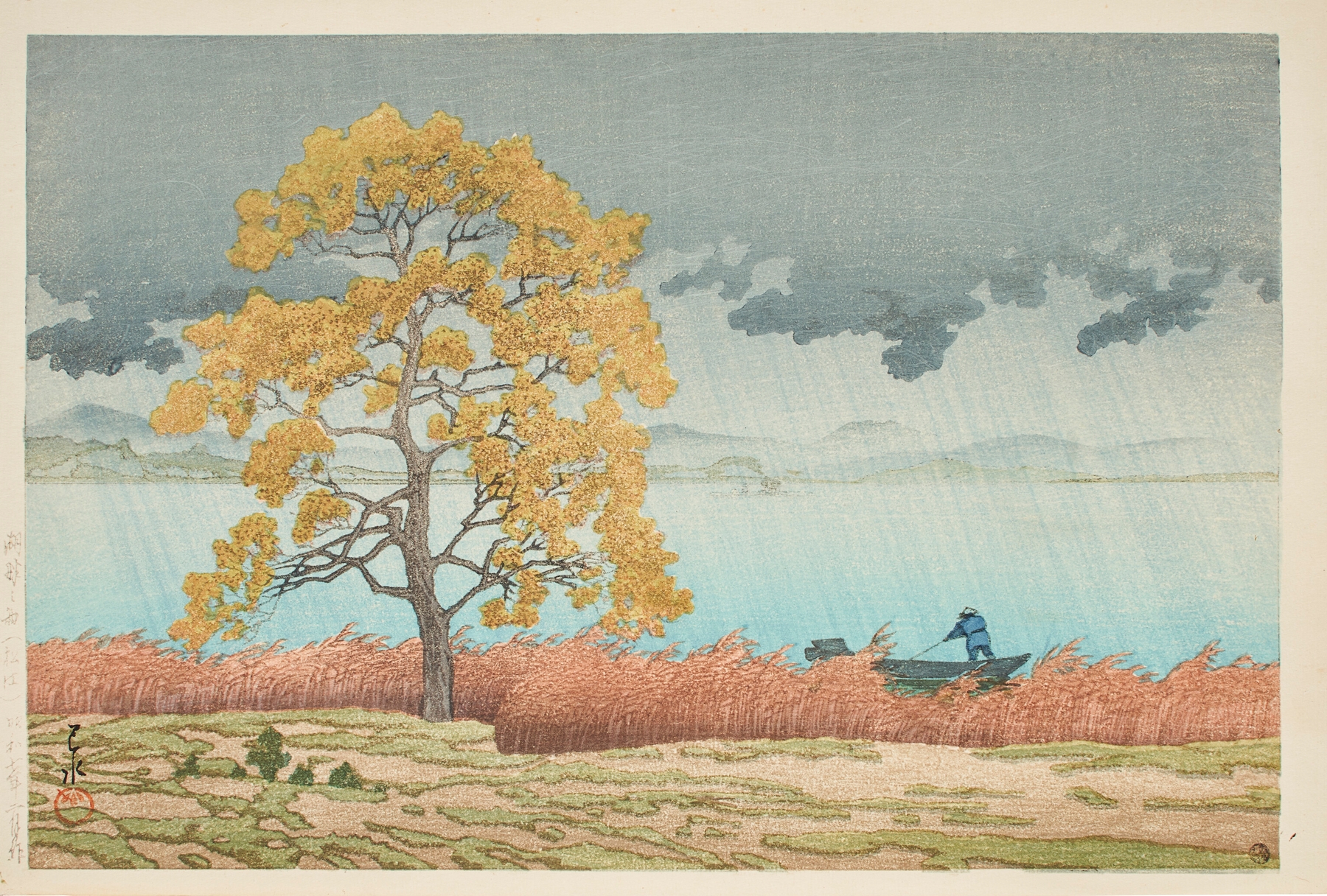
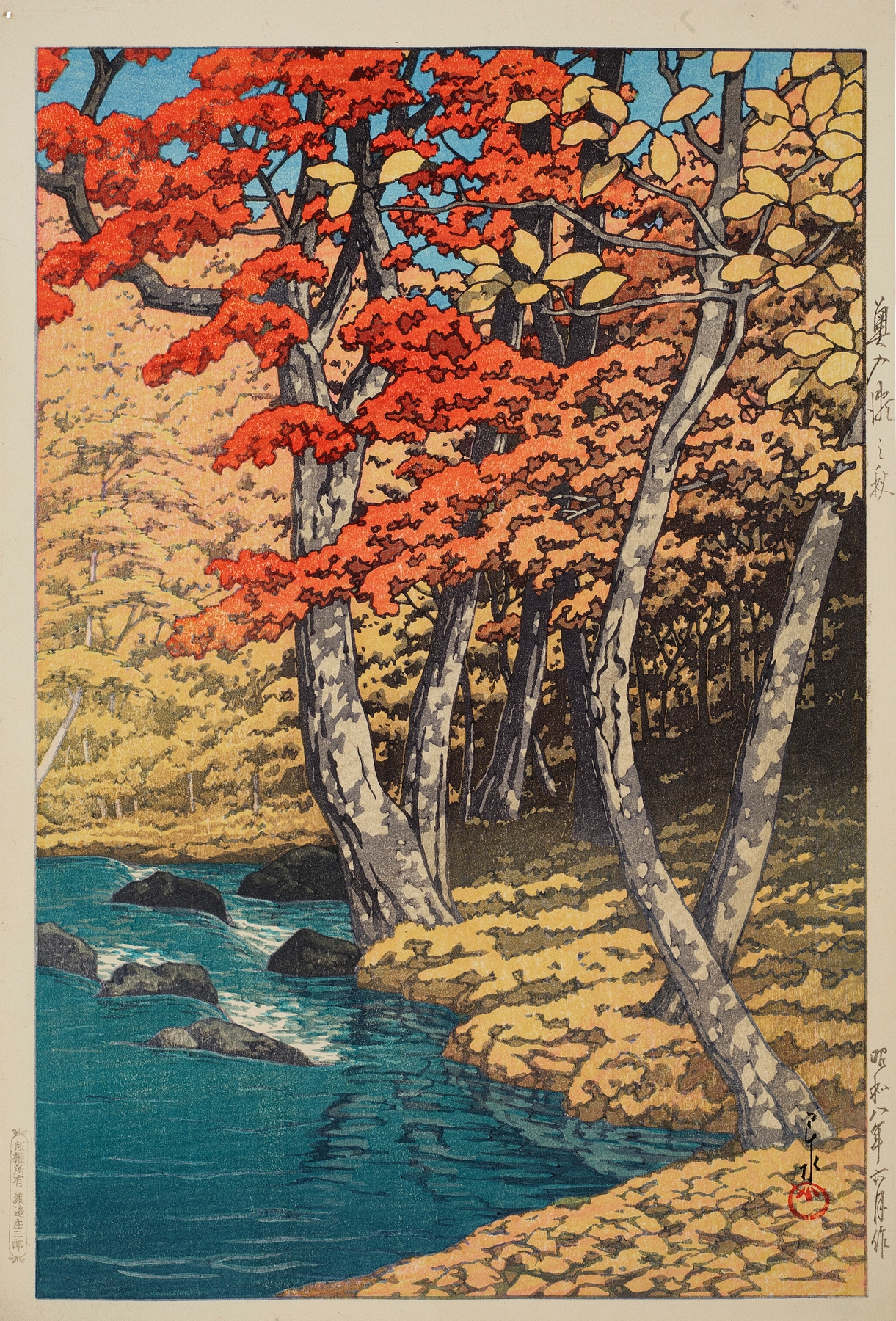
Who listens when art speaks of silence? In the stillness of Matsuyamajo Tonashimon, a quiet conversation unfolds between nature and the remnants of history, evoking profound nostalgia. Look to the left, where the ancient stone walls of Matsuyama Castle loom, their textured surfaces whispering secrets of centuries past. The soft hues of twilight bathe the scene in a tranquil blue, while delicate strokes suggest the rustling of leaves.
Notice how the archway invites the viewer in, framing a glimpse of the serene landscape beyond, an ethereal blend of trees and distant mountains that beckon with a sense of yearning. The interplay of light and shadow heightens the emotional resonance in this piece. The leaves overhead create intricate patterns on the ground, hinting at the passage of time and the fleeting nature of existence. The slight bend of the tree branches suggests both resilience and vulnerability, while the distant mountains loom as silent witnesses, embodying the weight of memory intertwined with the beauty of the present.
Kawase Hasui painted Matsuyamajo Tonashimon in 1935, during a period marked by a resurgence of interest in traditional Japanese landscapes. Living in a time when Japan was grappling with modernization, Hasui sought to capture the serene beauty of his homeland, often depicting symbols of stability and cultural heritage in a rapidly changing world. This work reflects his commitment to preserving the essence of Japan's natural and architectural beauty, even as the tide of change swept through the nation.