Molen te Slykens — History & Analysis
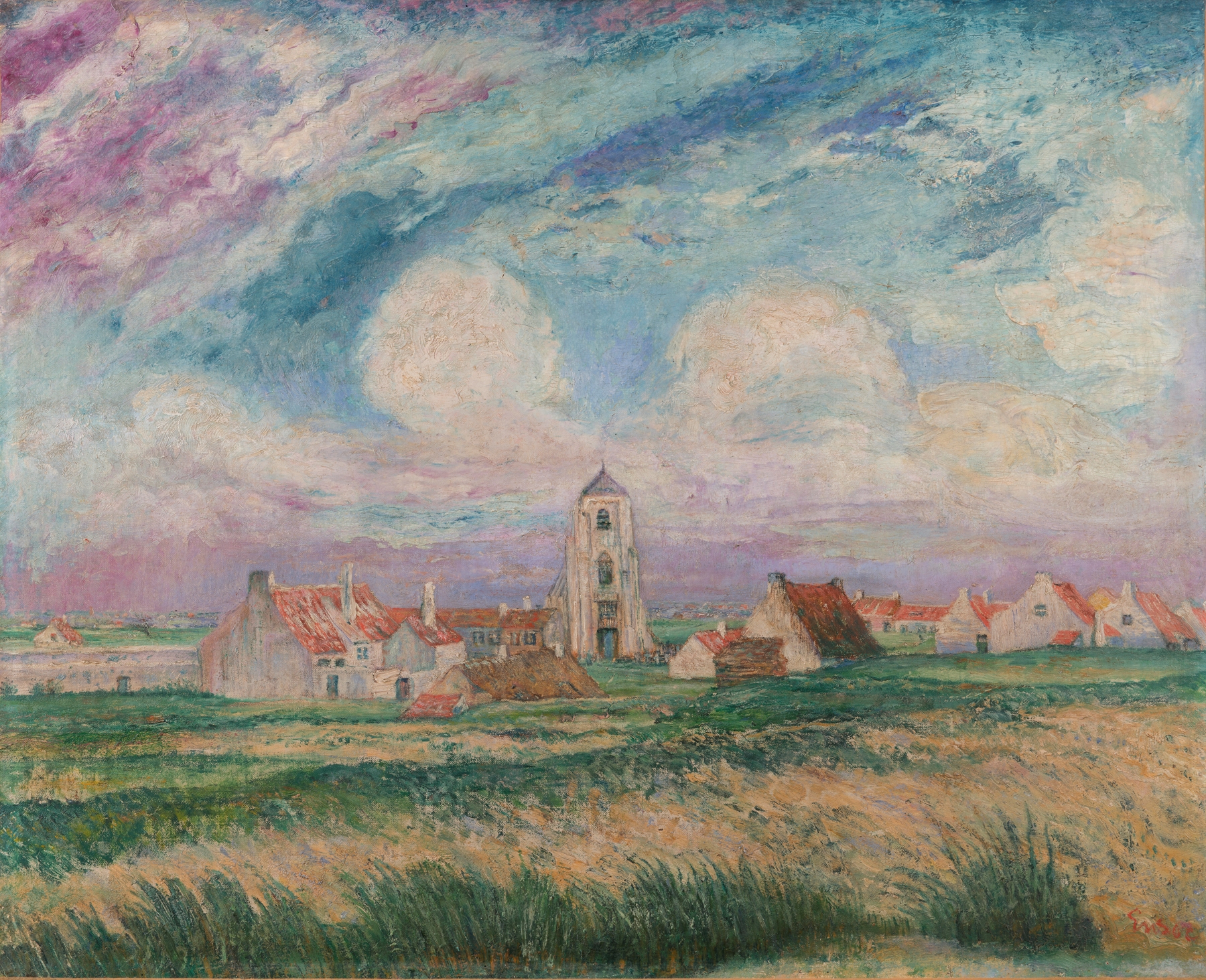
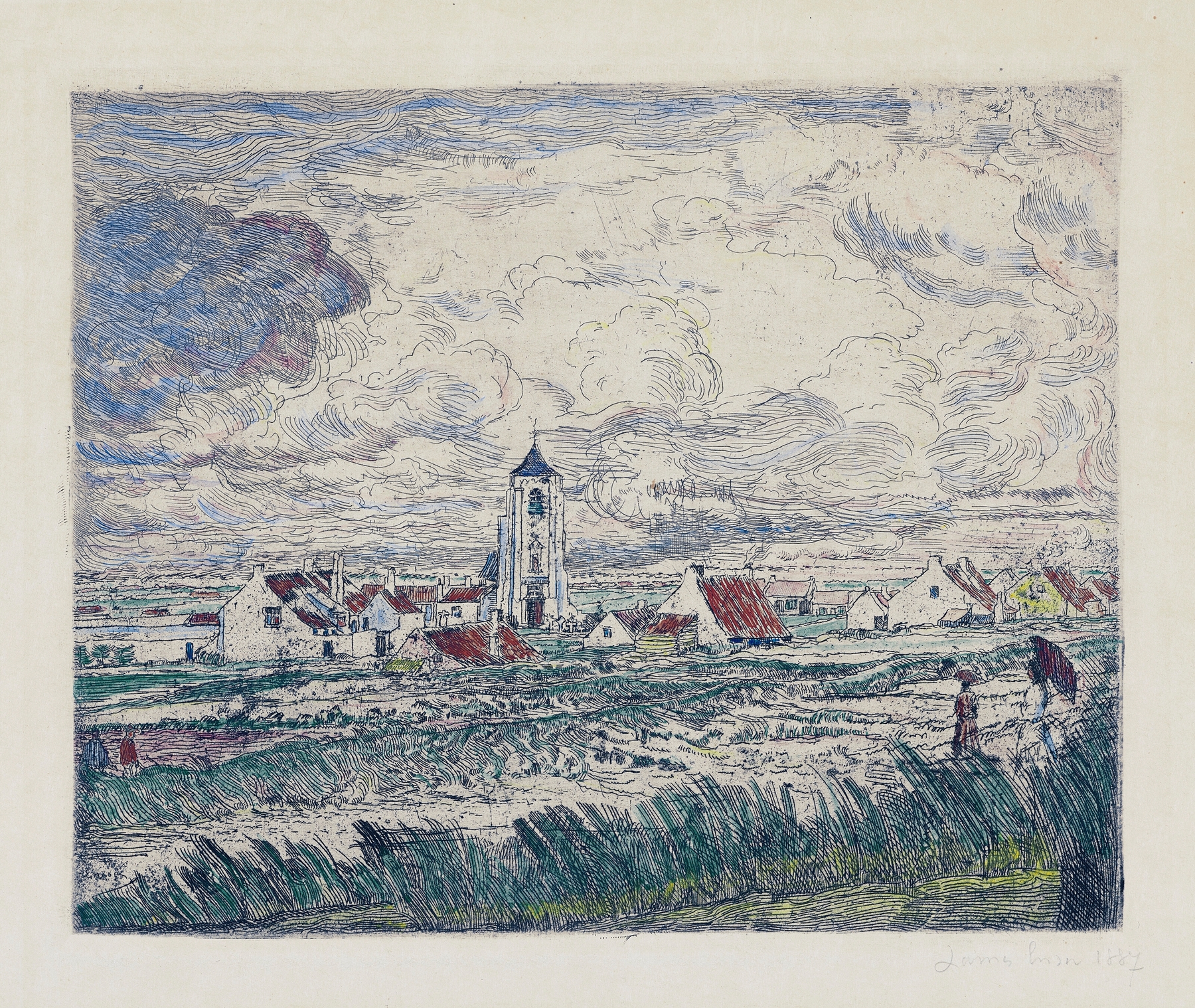
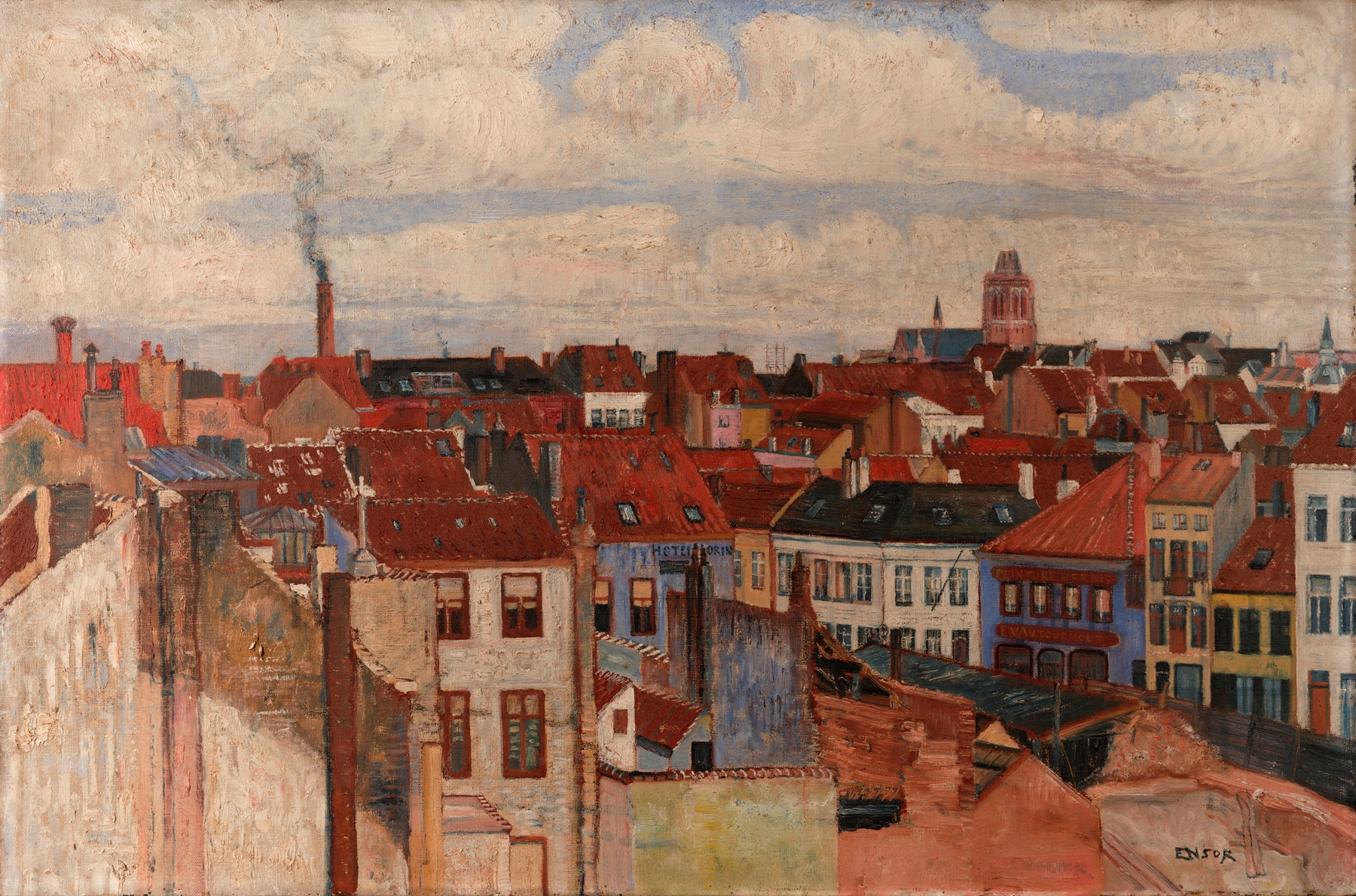
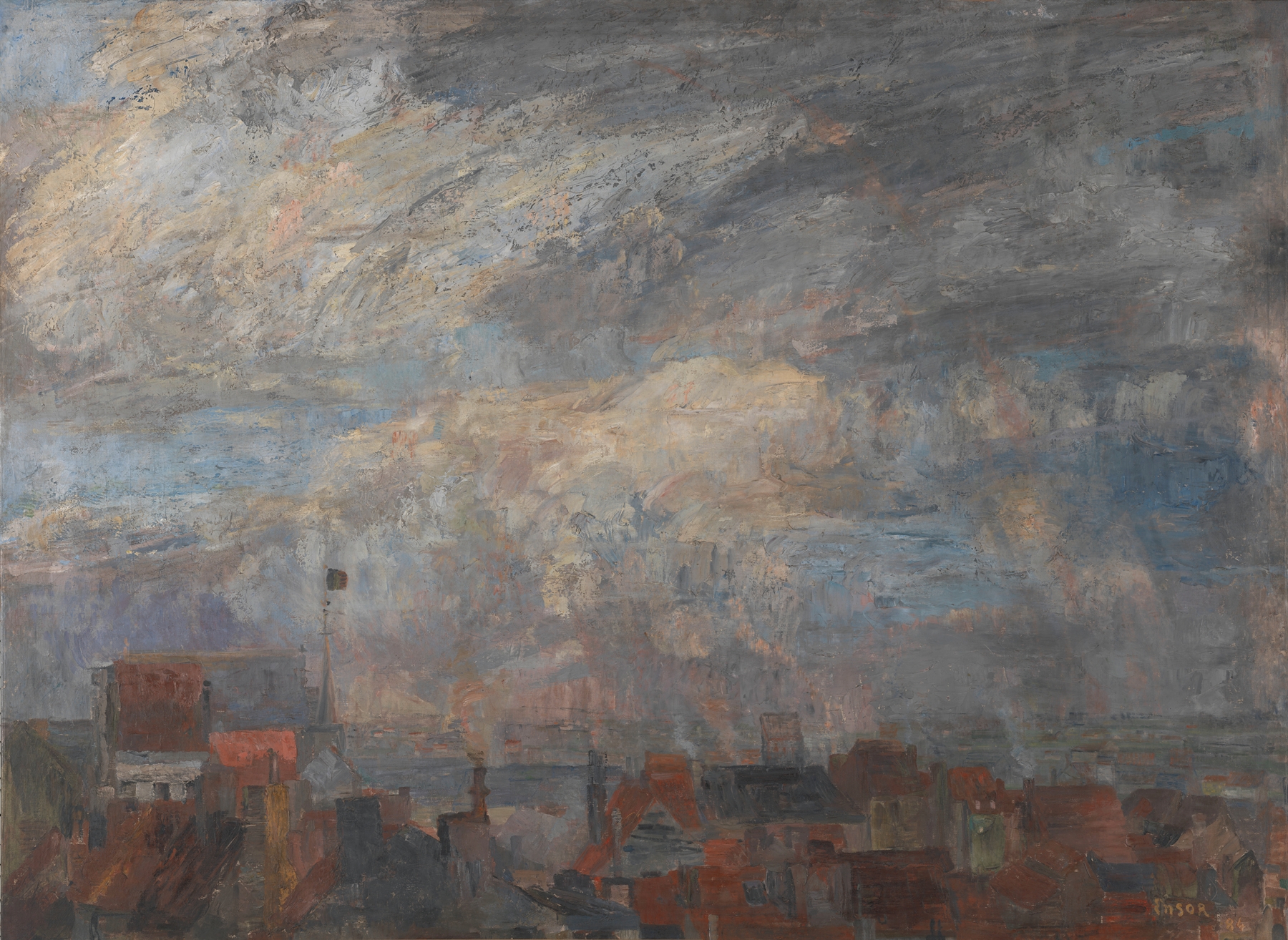
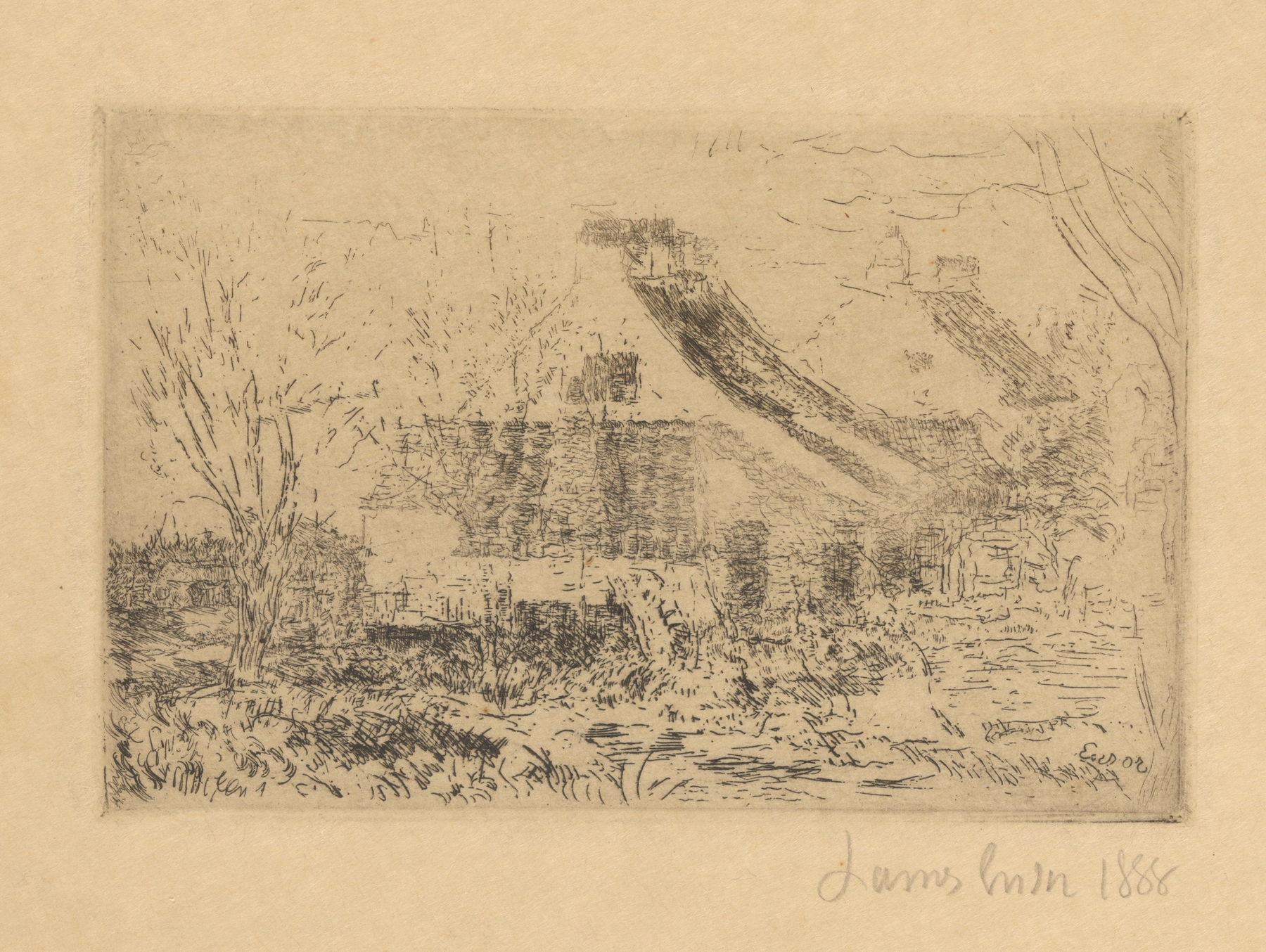
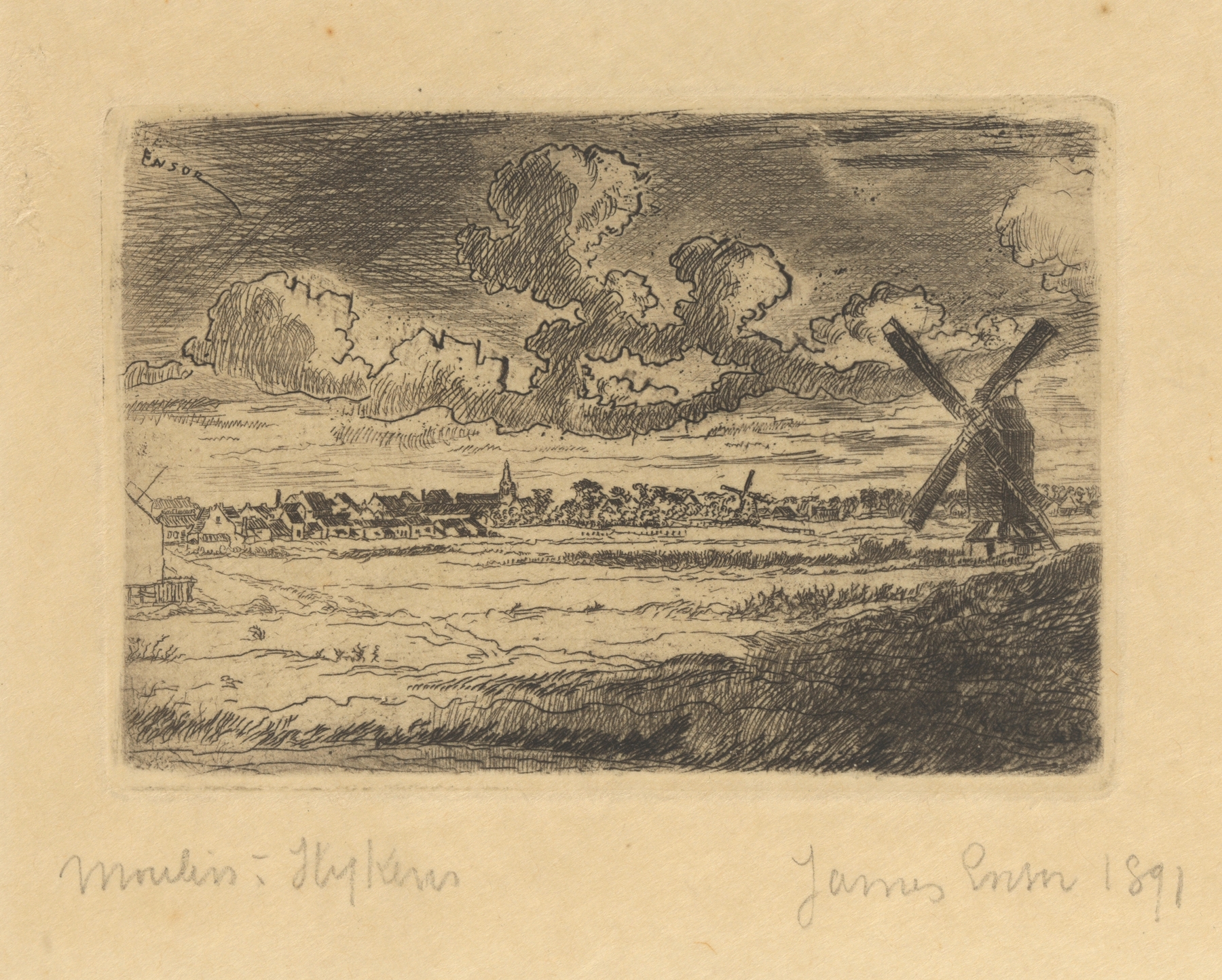
What if silence could speak through light? In Molen te Slykens, the soft interplay of illumination and shadow invites contemplation, revealing the profound secrets hidden in a tranquil landscape. Look to the center of the canvas, where the windmill stands tall against the horizon, its blades catching the delicate hues of the setting sun. Notice how Ensor employs a muted palette of earthy browns and gentle blues, evoking a sense of stillness. The brushwork is both textured and fluid, creating a rhythm that mimics the gentle swaying of the landscape.
The stark contrast between the vibrant sky and the subdued earth draws your eye toward the transition of day into night, as if time itself pauses to embrace this fleeting moment. Beneath its serene surface, the painting suggests an undercurrent of nostalgia and solitude. The windmill, a symbol of human endeavor, stands resolute yet isolated, hinting at the passage of time and the impermanence of life. The subtle play of light represents not just the end of the day, but a reflection on lost moments and forgotten places.
Each brushstroke whispers stories of those who have come before, leaving behind echoes of their presence in the fabric of the landscape. In 1891, James Ensor was residing in Belgium, a period marked by his exploration of light and color as emotional conduits. This work emerged amidst his evolving artistic identity, where traditional representation began to yield to personal symbolism and introspection. The world of art was undergoing significant transformation, and through his unique lens, he captured the ephemeral beauty of a moment that resonates beyond the canvas.