Mondnacht am Meer (grün) — History & Analysis
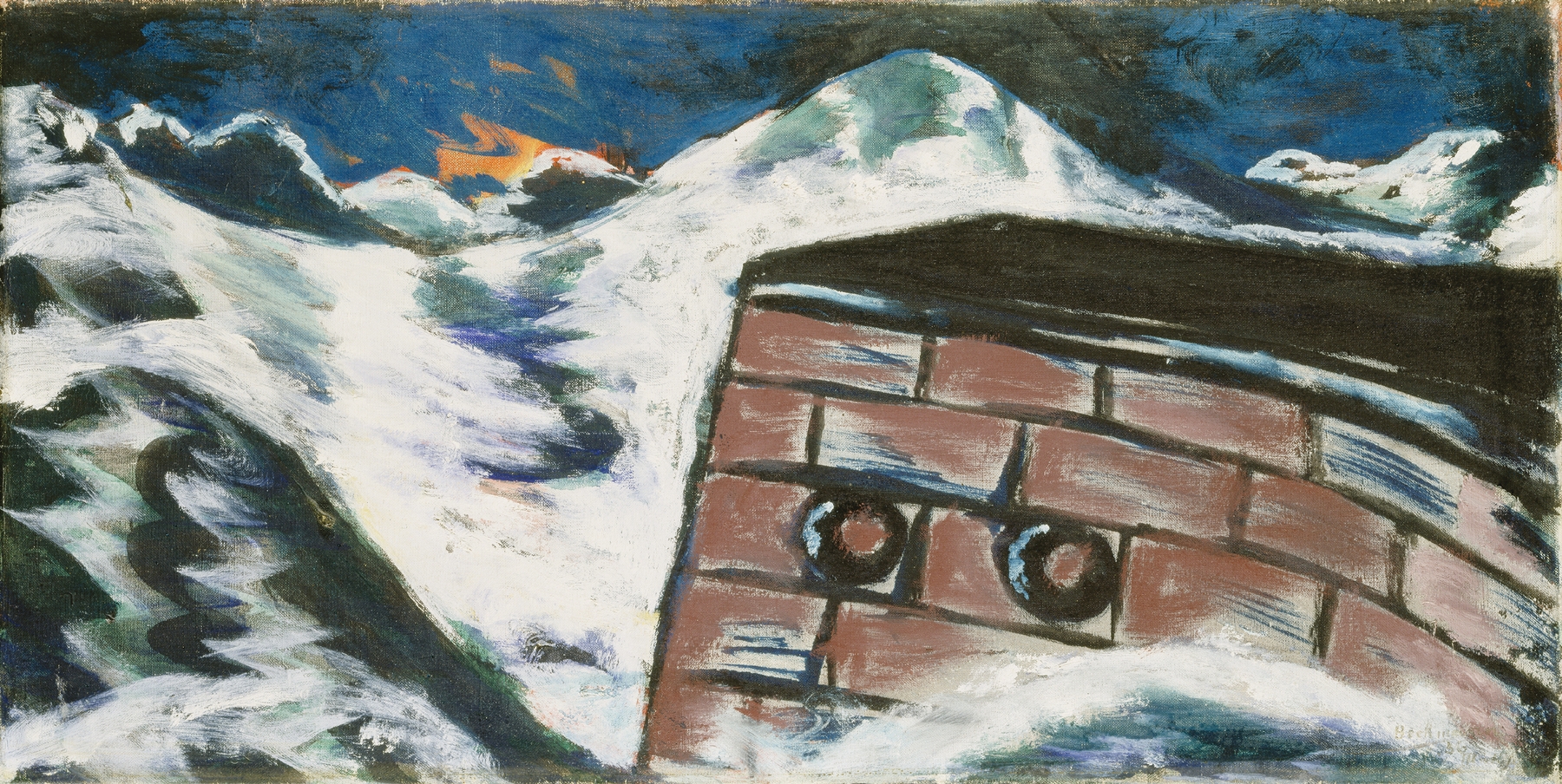
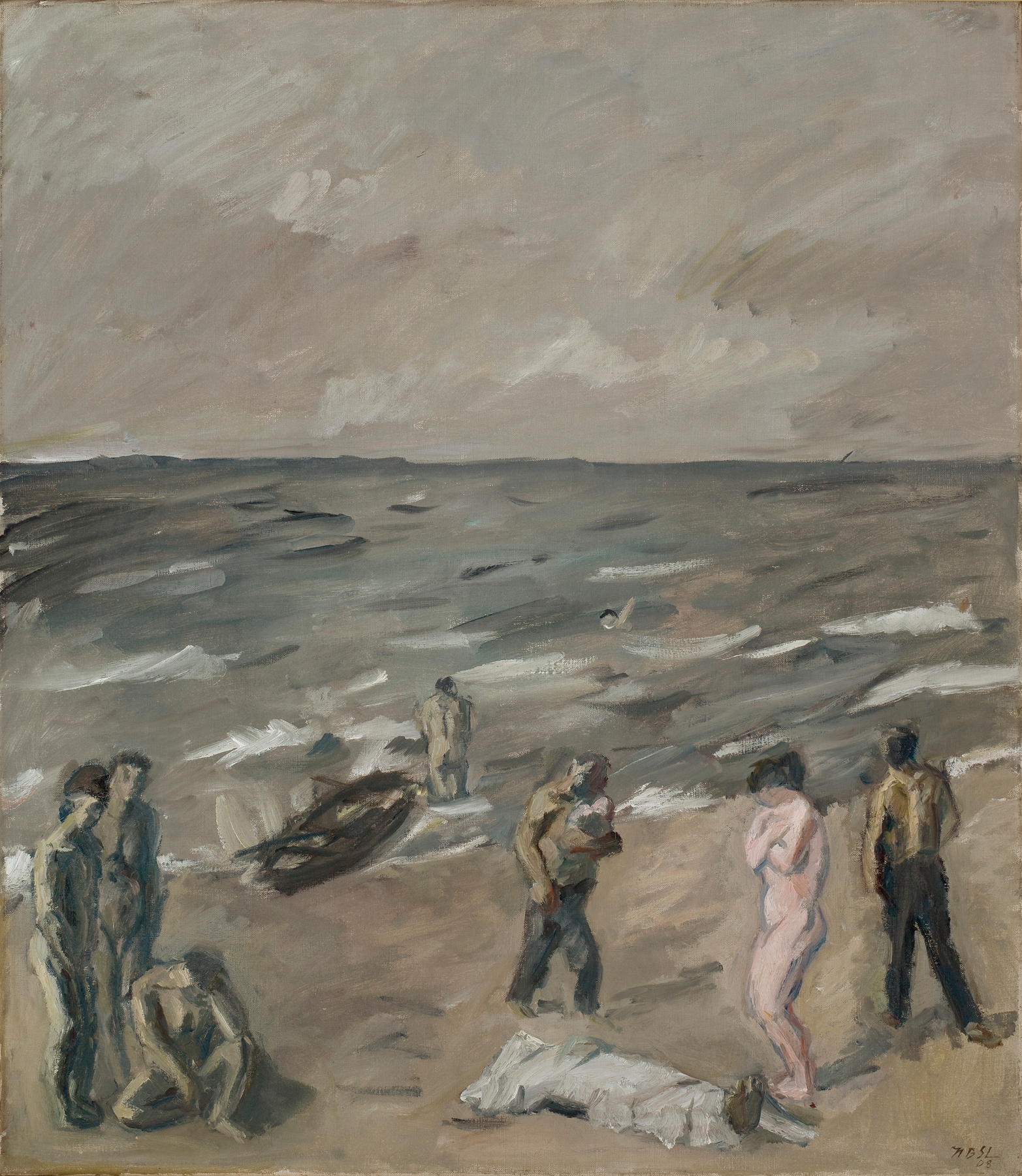
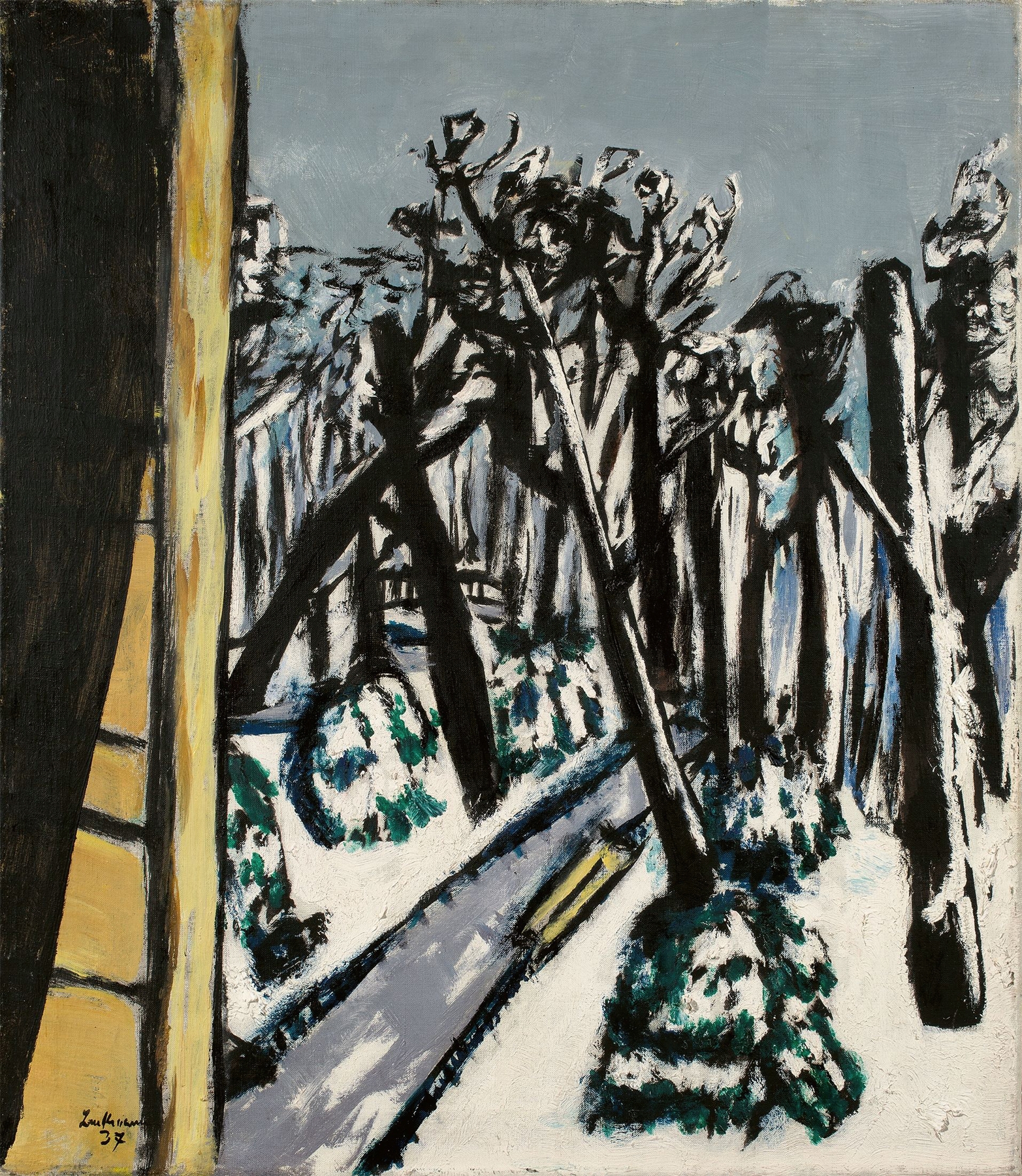
What secret hides in the quiet of the canvas? The solitude of twilight beckons us to listen, to feel the weight of memories long cherished and the ache of time passing. Look to the center, where deep blues and greens swirl together, evoking the restless sea beneath a vast, shadowy sky. Beckmann's bold brushstrokes create a rhythmic dance between the waves and the horizon, drawing the eye with a sense of movement that echoes the waves' gentle surge. Notice how the moonlight casts a silver sheen on the water, illuminating the swirling depths and adding an ethereal glow that feels both inviting and haunting.
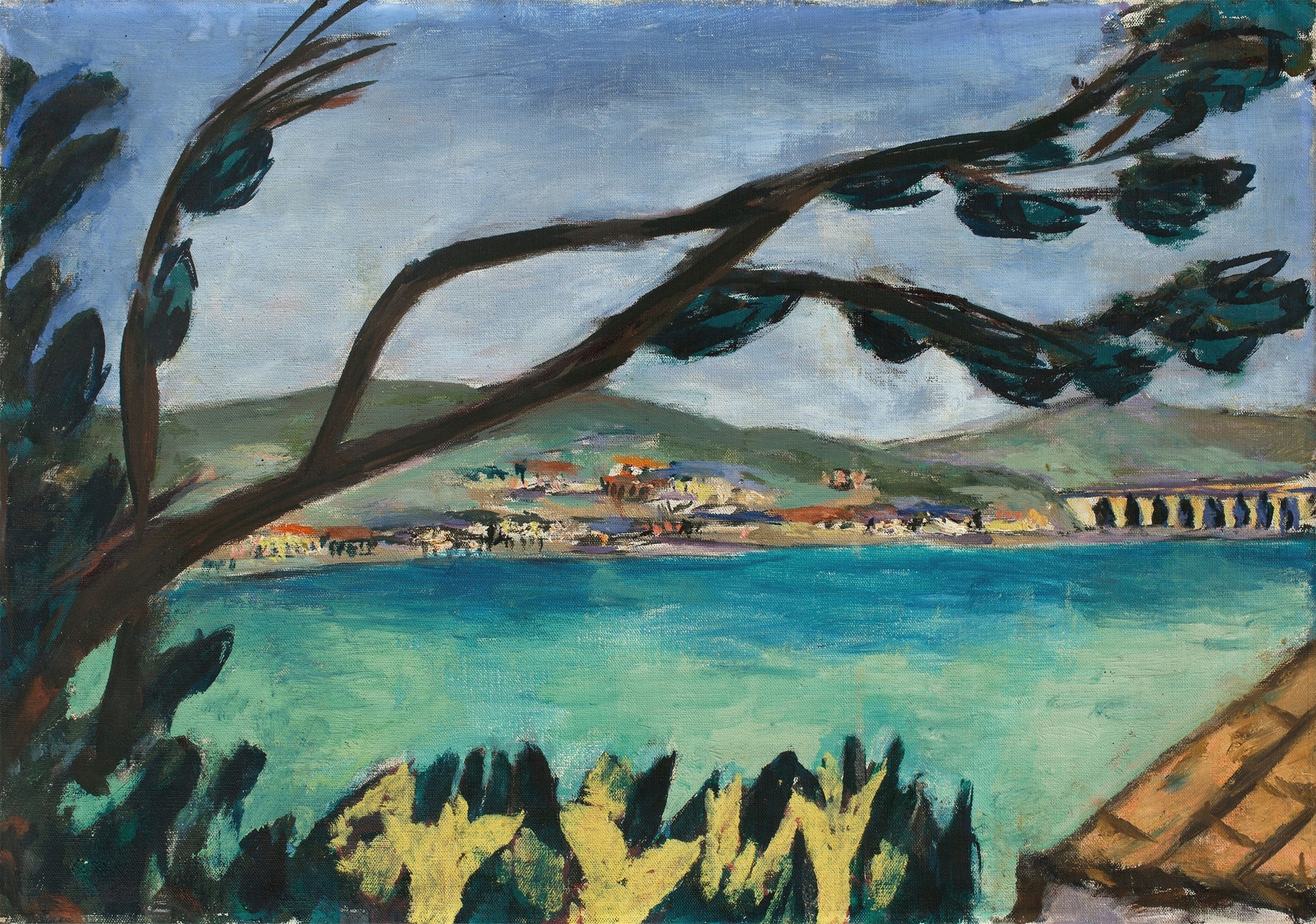
The horizon line, thick with uncertainty, seems to challenge the eye, leaving the viewer suspended in a moment that straddles day and night. Dive deeper into the contrasts woven throughout the work. The vibrant greenery fringing the shore contrasts starkly with the looming darkness of the sea, perhaps reflecting an internal struggle between hope and despair. The melancholy undertone suggests a yearning for connection, underscored by the absence of figures—reminding us of the missed opportunities and the ghosts of relationships past.
This is a space filled with echoes of laughter and whispers, hauntingly absent yet palpably felt in the silence. In 1938, Beckmann was living in exile in Amsterdam, having fled the oppressive regime of Nazi Germany. Despite the turmoil in his life and the art world, he produced Mondnacht am Meer (grün) during a time when he sought solace in his creative expression. The painting encapsulates a moment of introspection, encapsulating both personal and universal themes, resonating deeply with the feelings of loss and nostalgia that permeated society during that era.