Monstrans met vogel (pelikaan) — History & Analysis
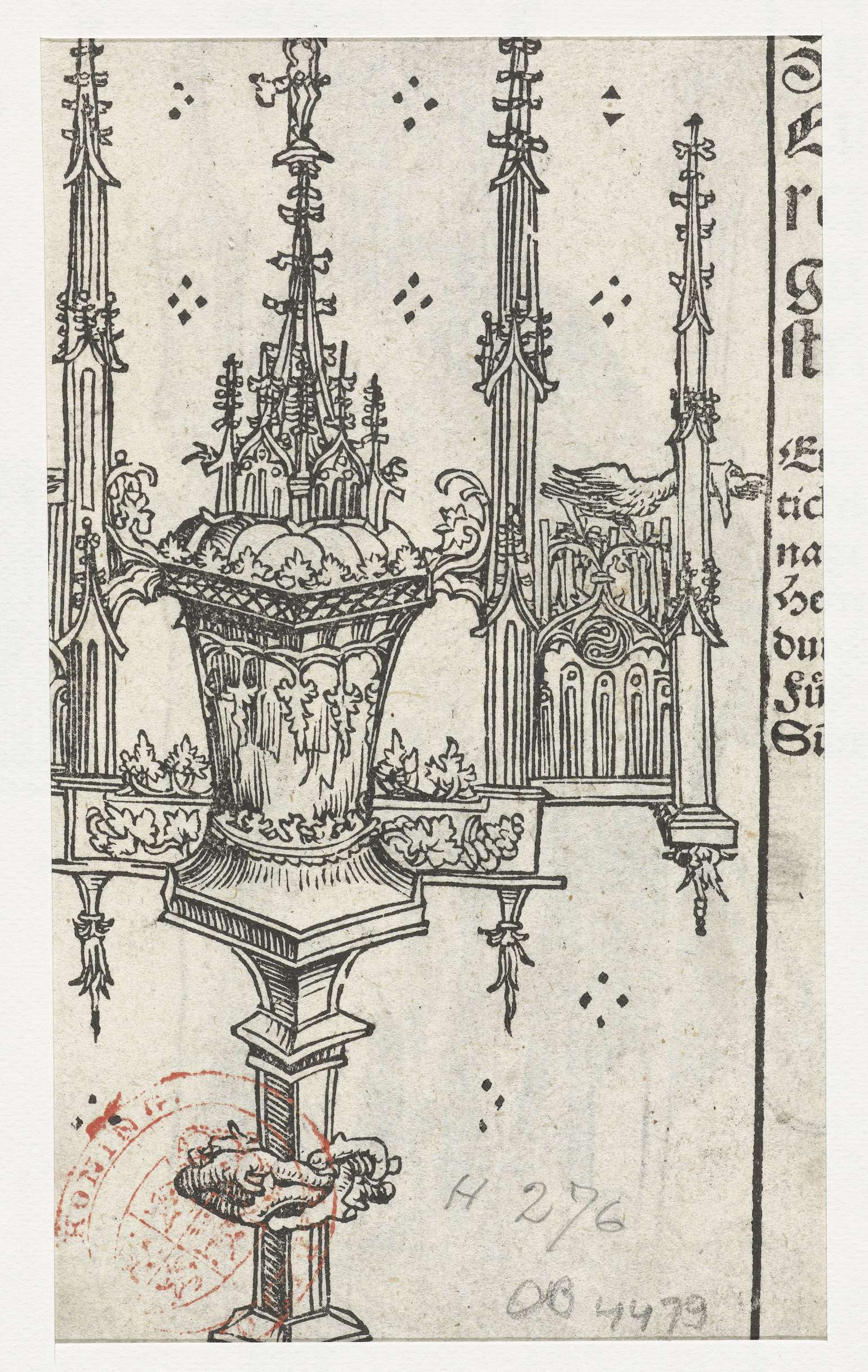
When did color learn to lie? Beneath the surface of vibrant hues and intricate forms, the truth often resides in shadows, speaking of hope and despair intermingled. Look to the left, where the striking figure of a pelican emerges, its vivid plumage rendered in such meticulous detail that it seems to breathe. The artist employs a rich palette of reds and greens, allowing the colors to vibrate against each other, creating a visual tension that draws the eye.
Notice how the light dances across the creature’s feathers, illuminating the fine brushstrokes that reveal its texture and vitality, juxtaposed against the muted background, which feels distant and dreamlike. Yet, beneath this beauty lies a deeper narrative. The pelican, often a symbol of self-sacrifice and maternal devotion, gazes outward with an expression that hints at longing. The juxtaposition of the bright colors against the somber backdrop suggests an inner struggle, an exploration of hope amidst adversity.
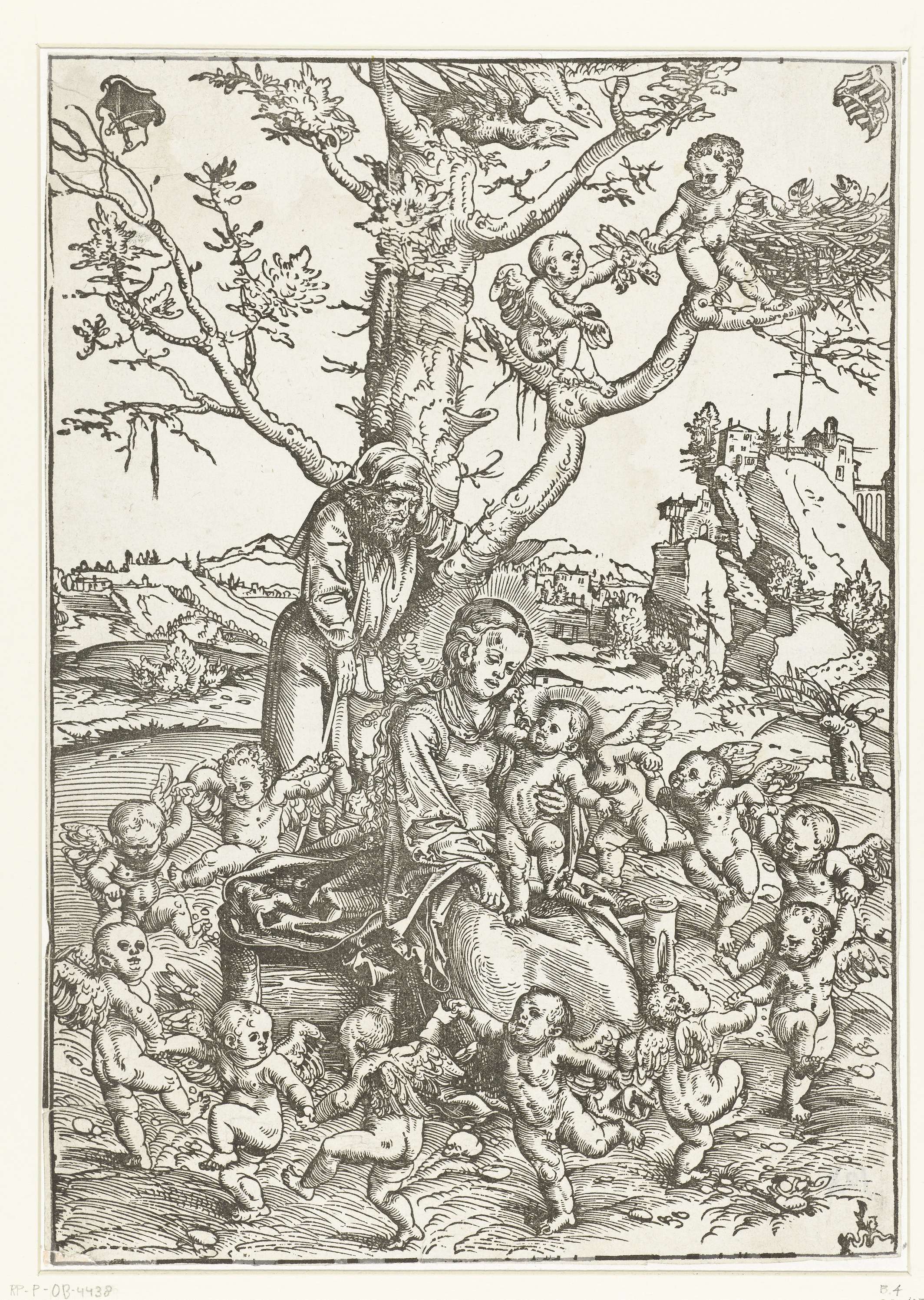
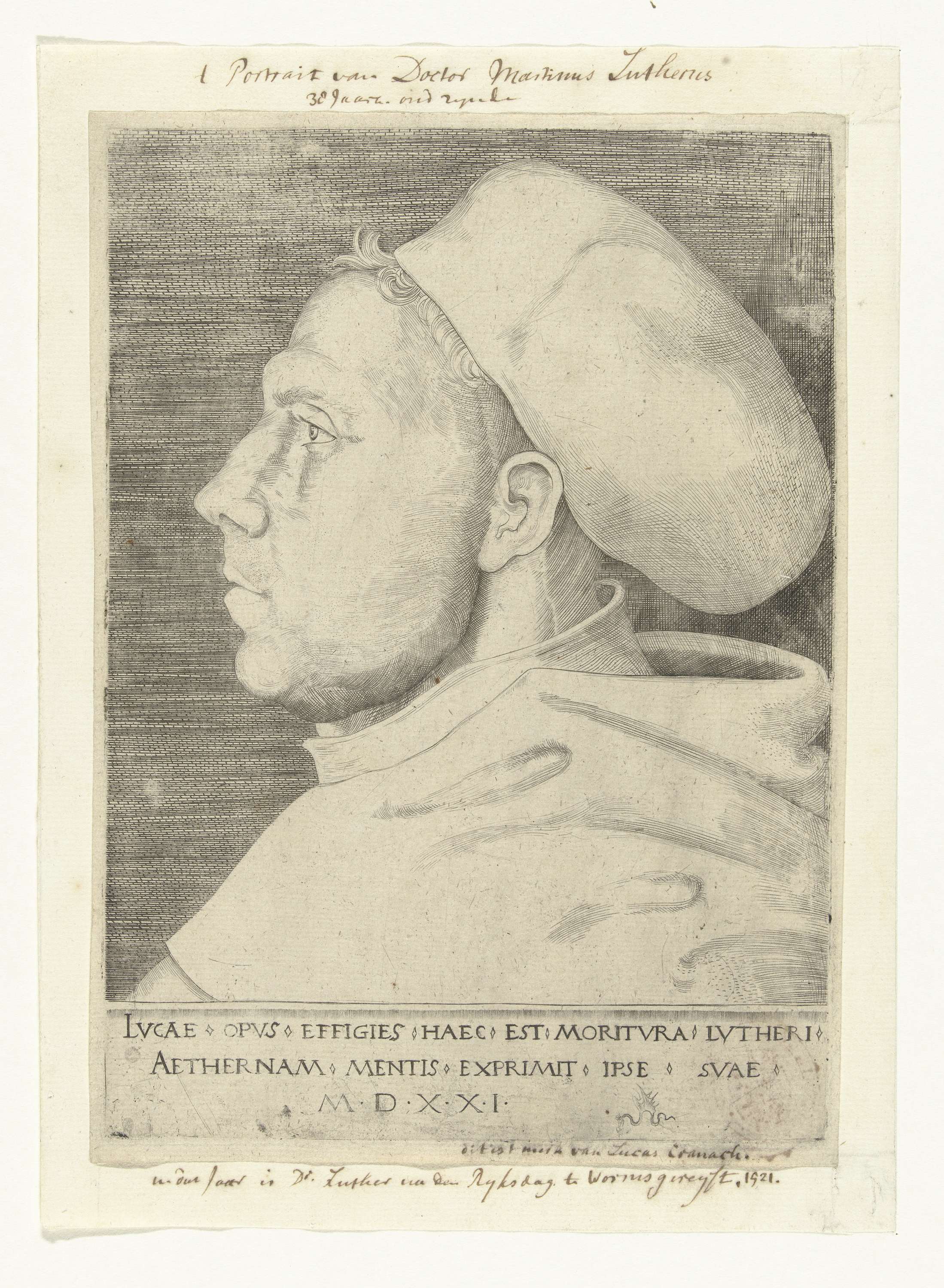
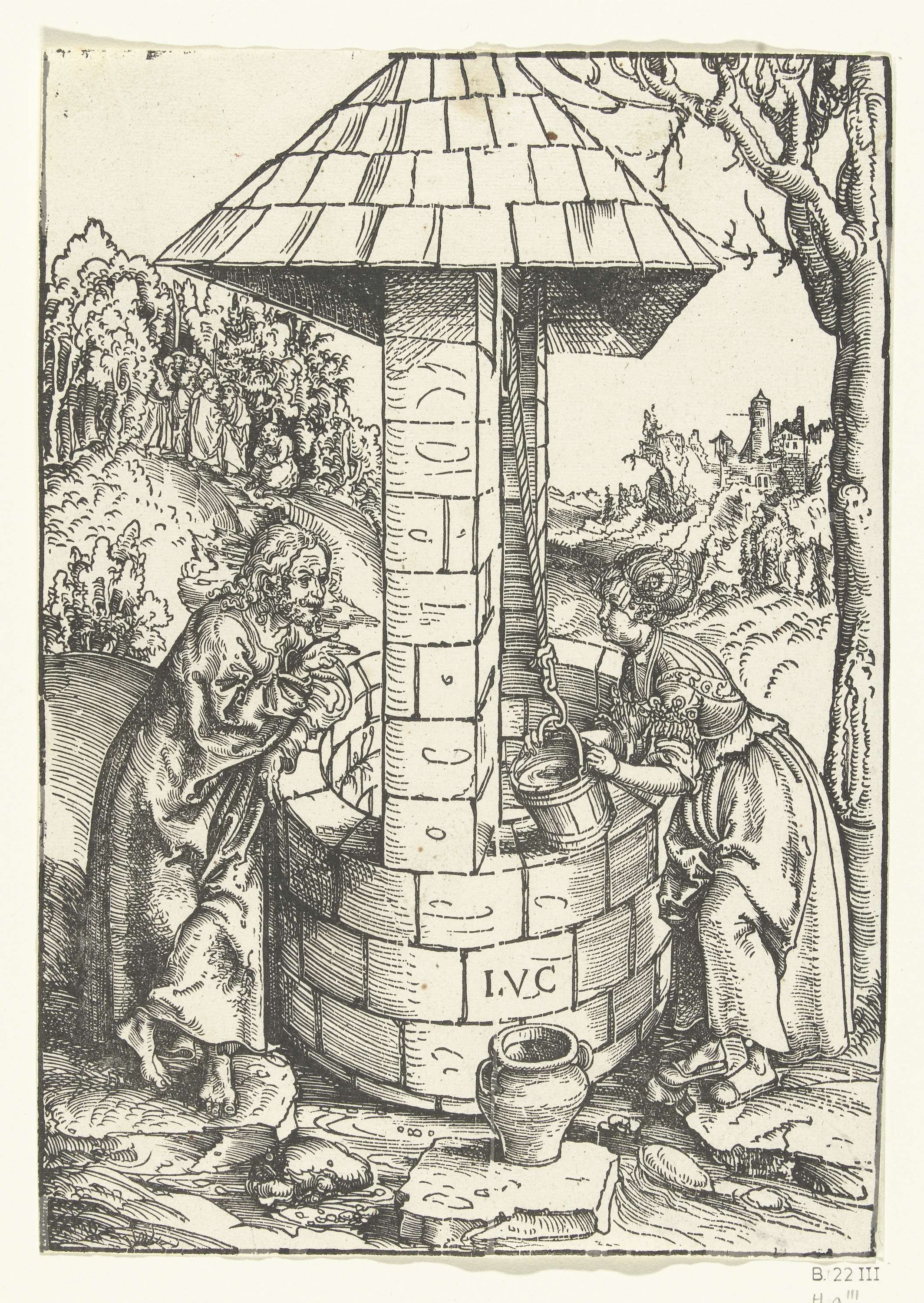
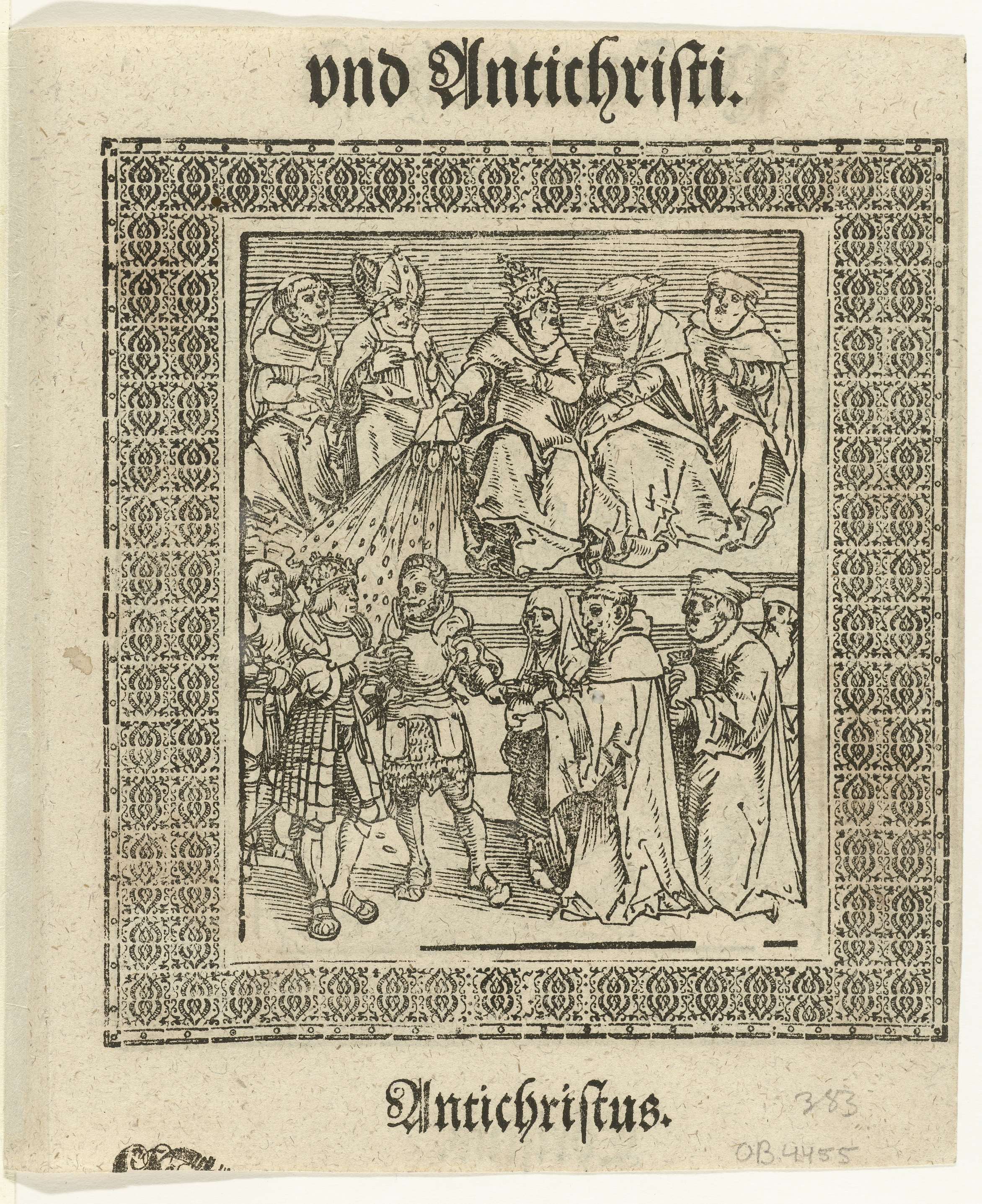
It invites contemplation of the fragility of life and the sacrifices made for the sake of others, elevating the ordinary into a realm of profound significance. During the years between 1509 and 1549, Lucas Cranach (I) emerged as a pivotal figure in the Northern Renaissance, working in Wittenberg, a cultural hub of the Reformation. As the world shifted with new ideas and artistic expressions, Cranach developed a unique style that combined traditional Germanic themes with the burgeoning humanist spirit, reflecting both personal and societal transformations in an age teetering on the brink of change.