Monte Pincio, Rome — History & Analysis
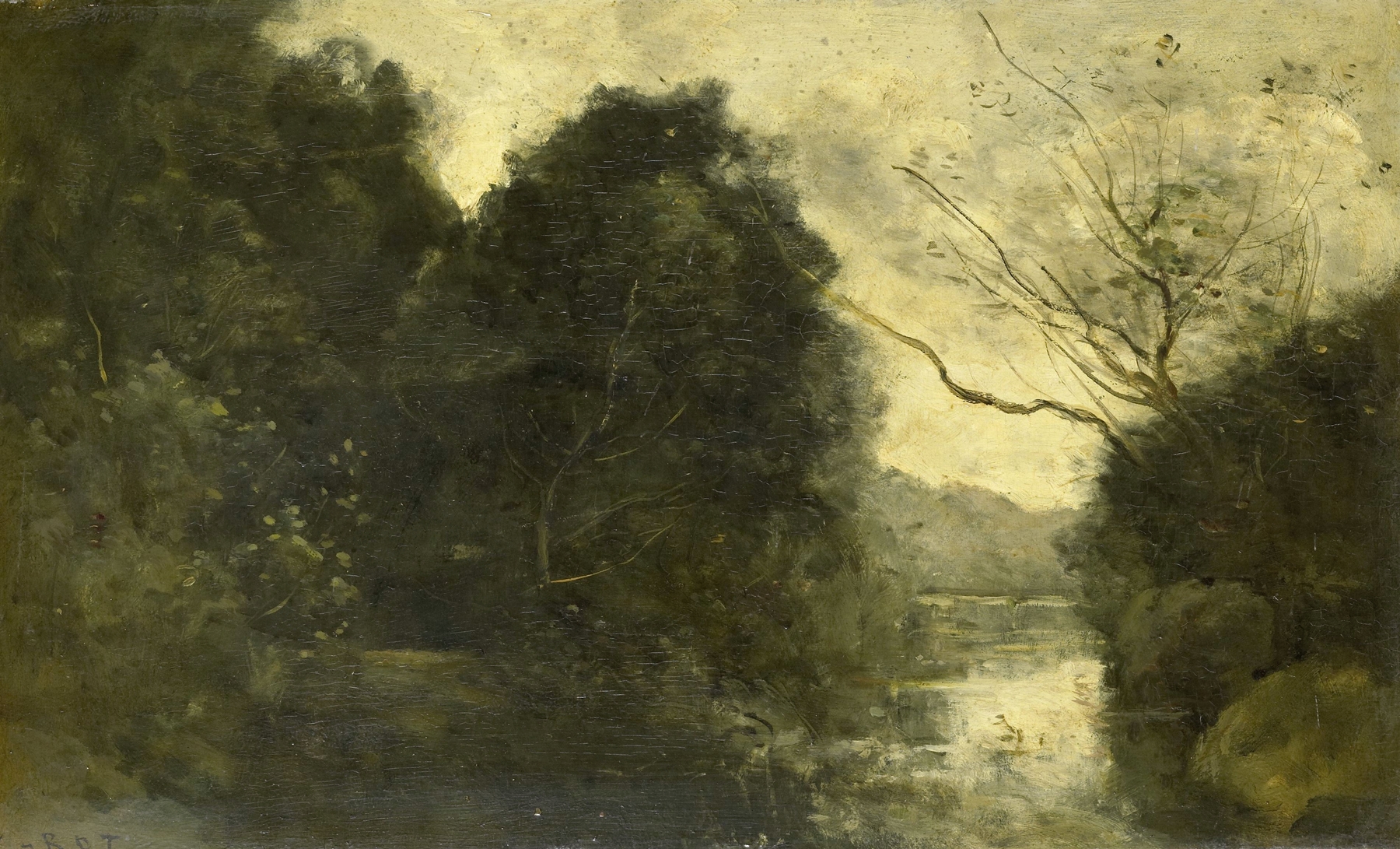
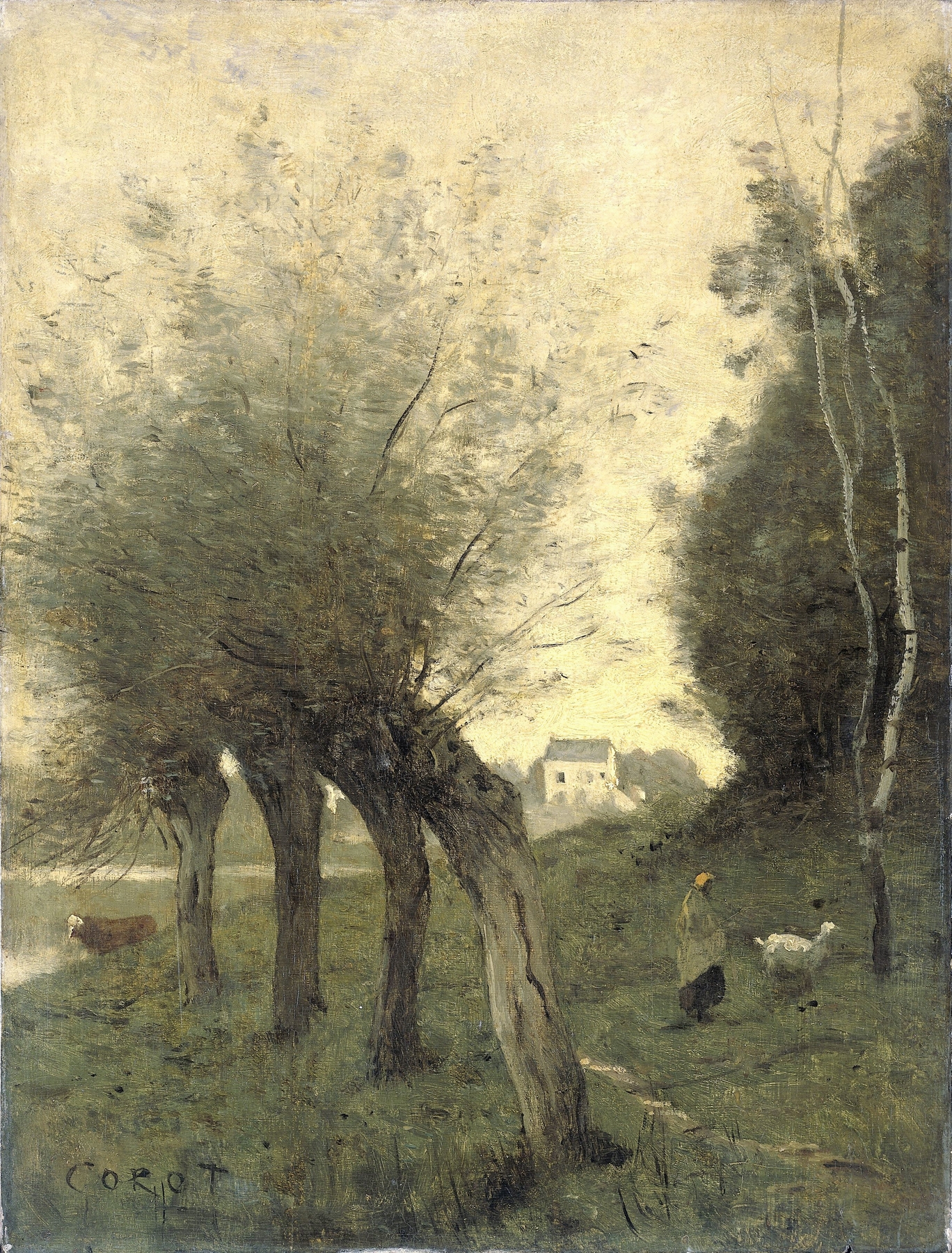
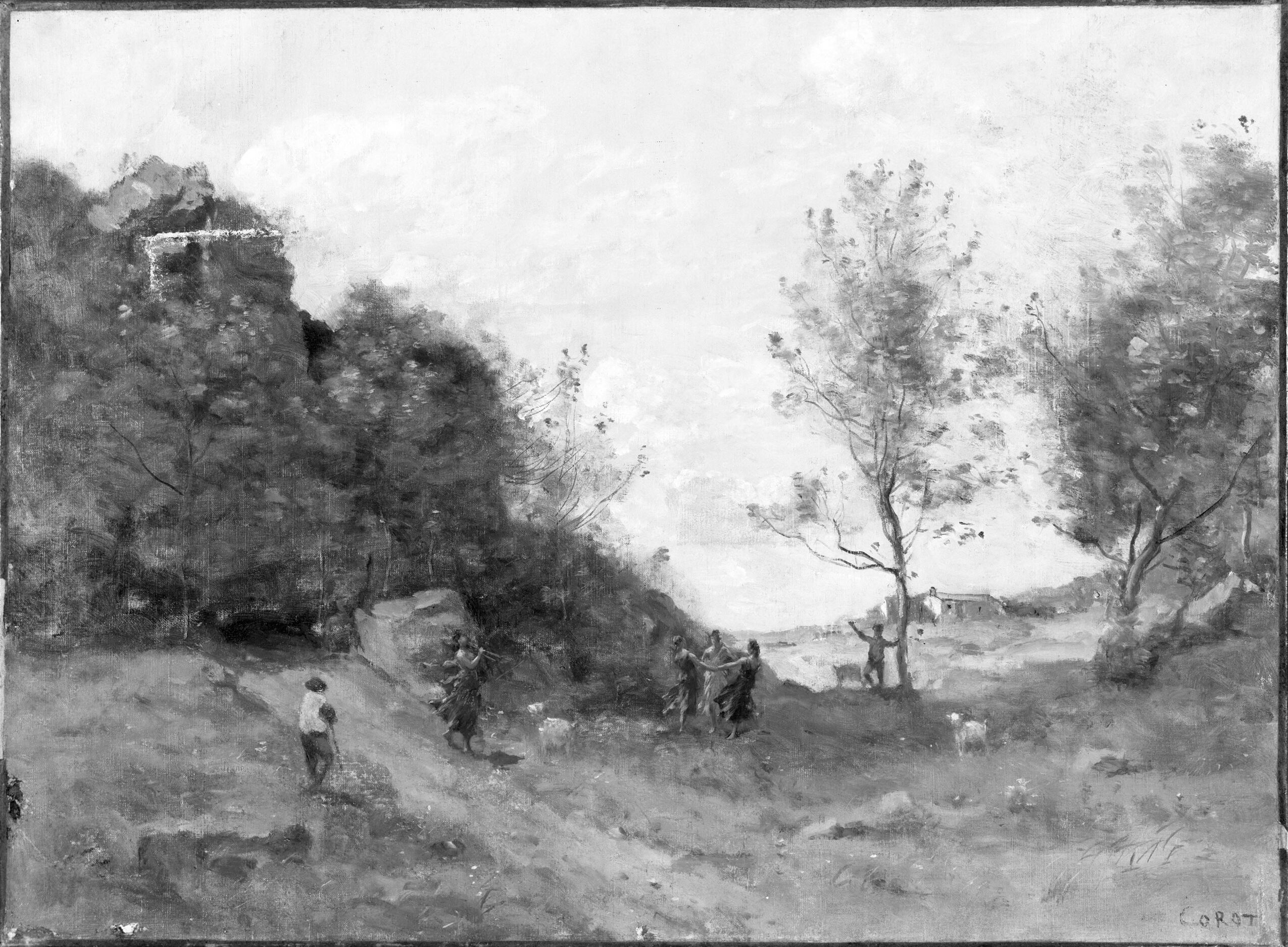
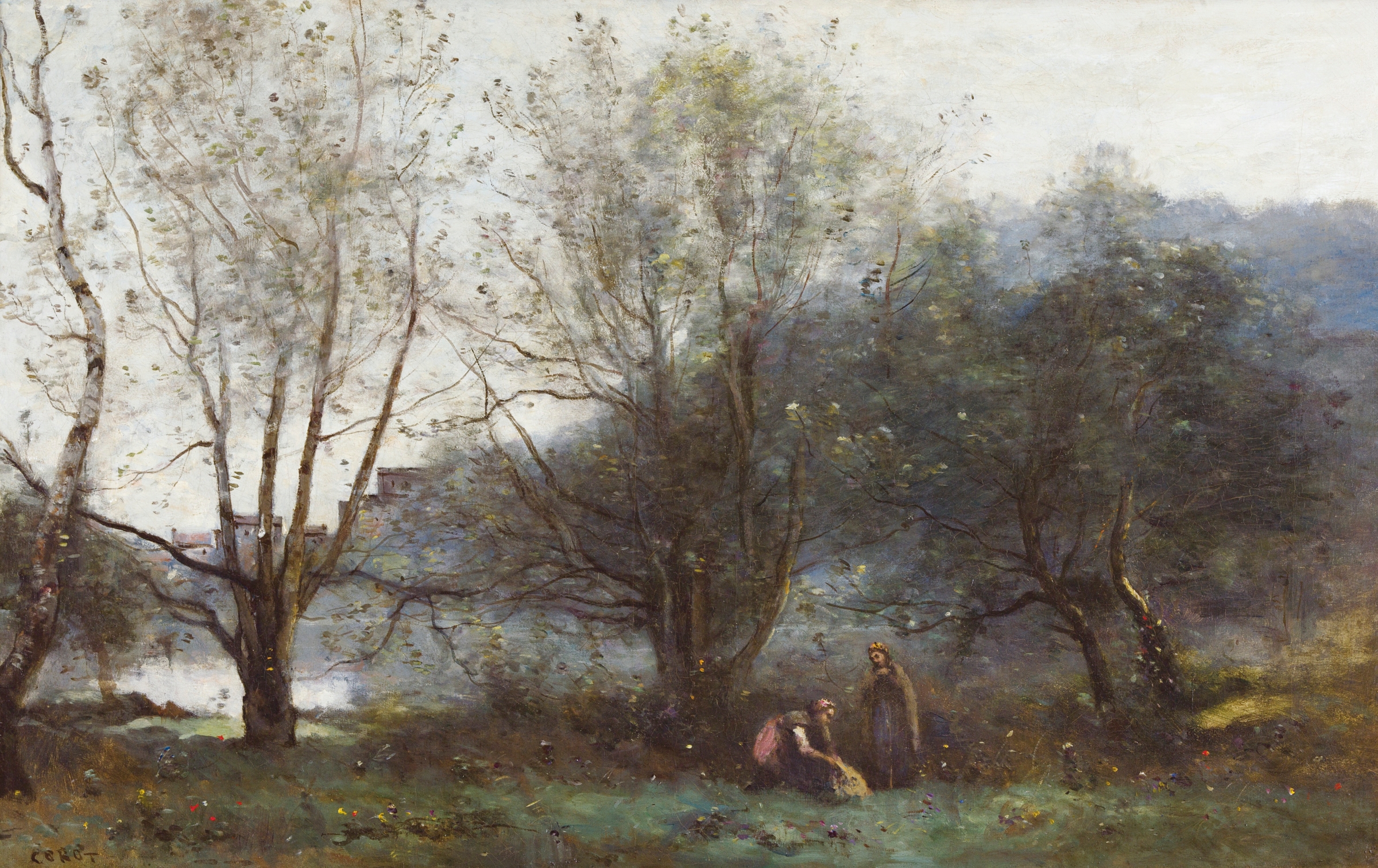
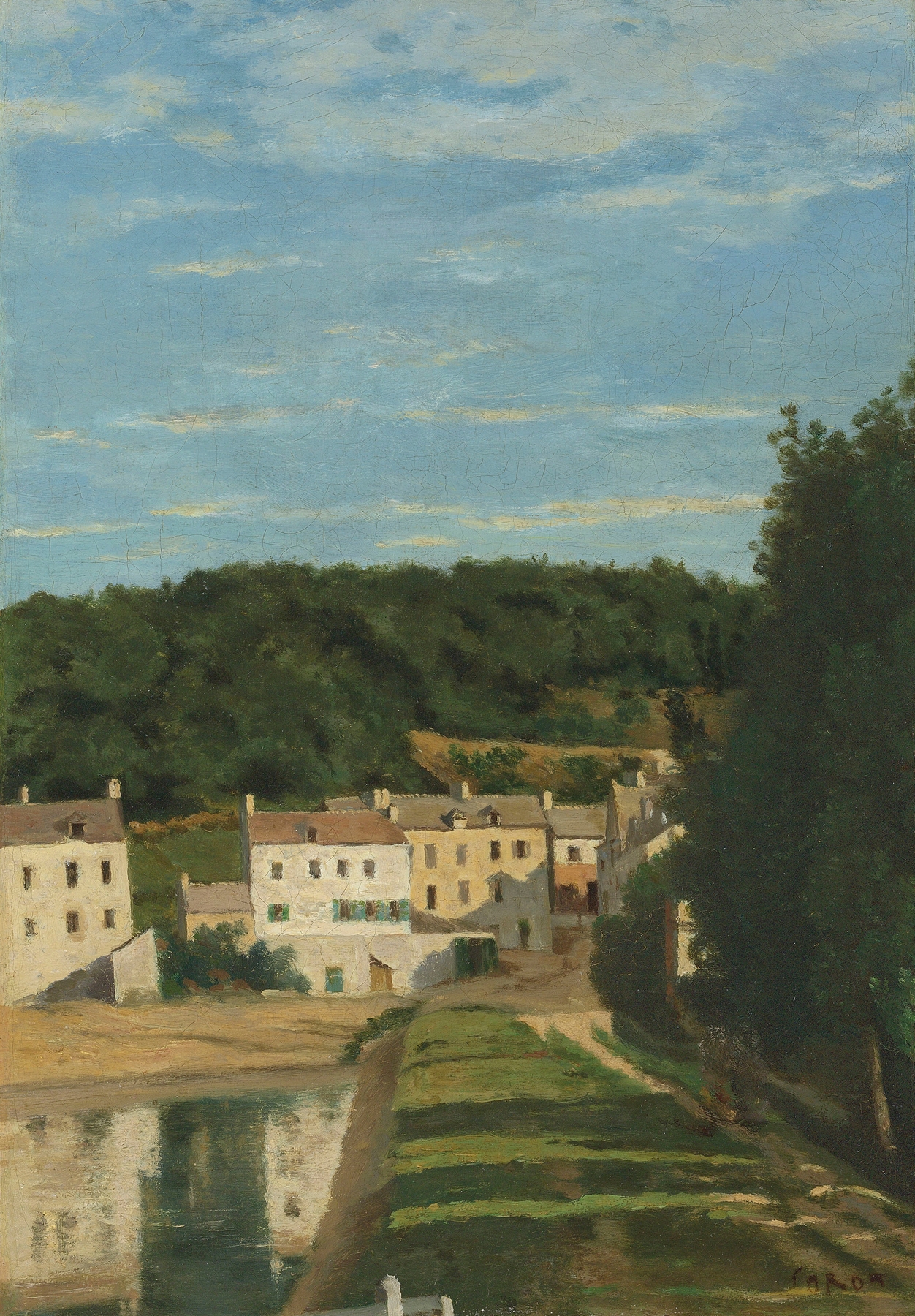
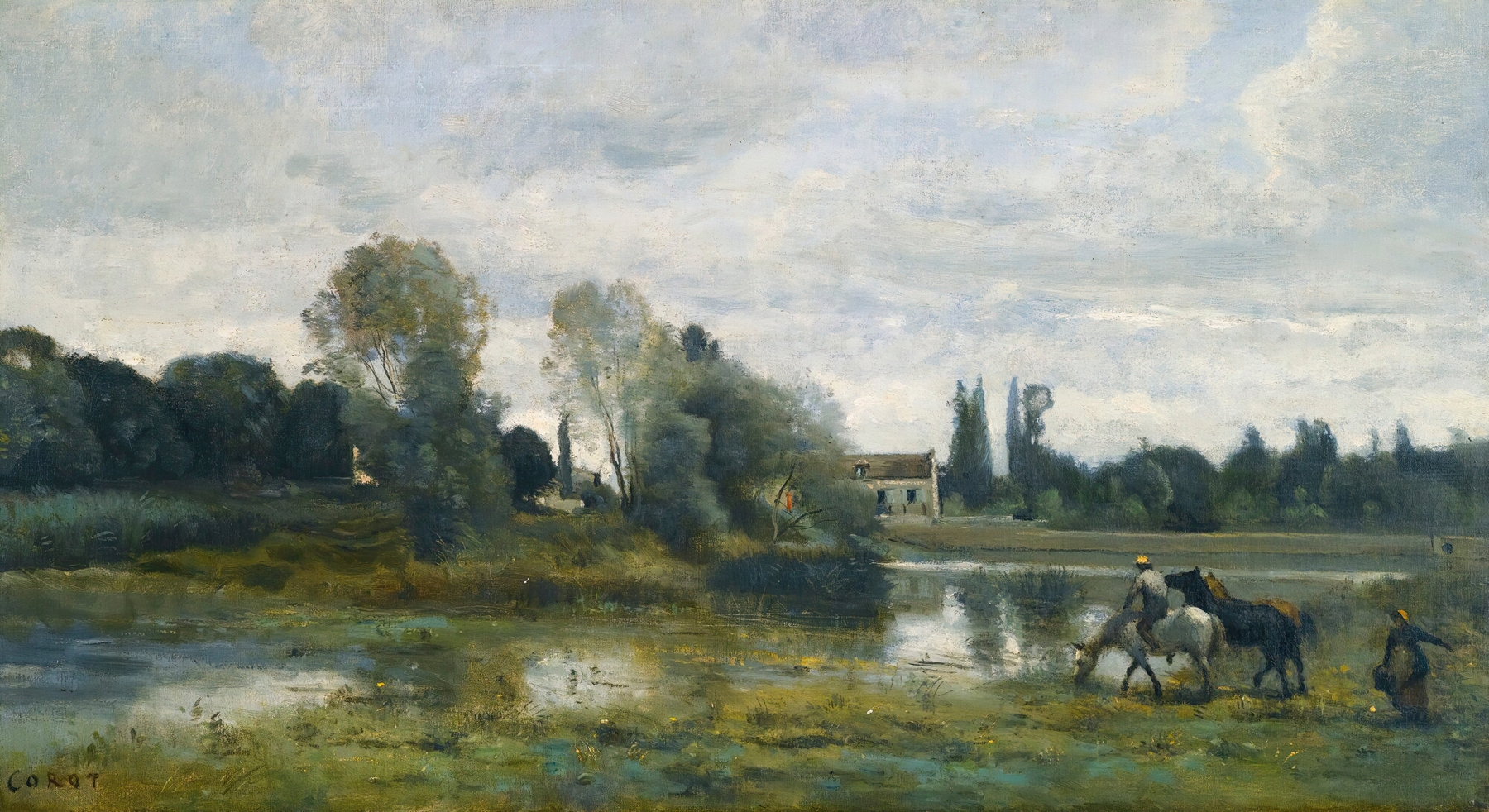
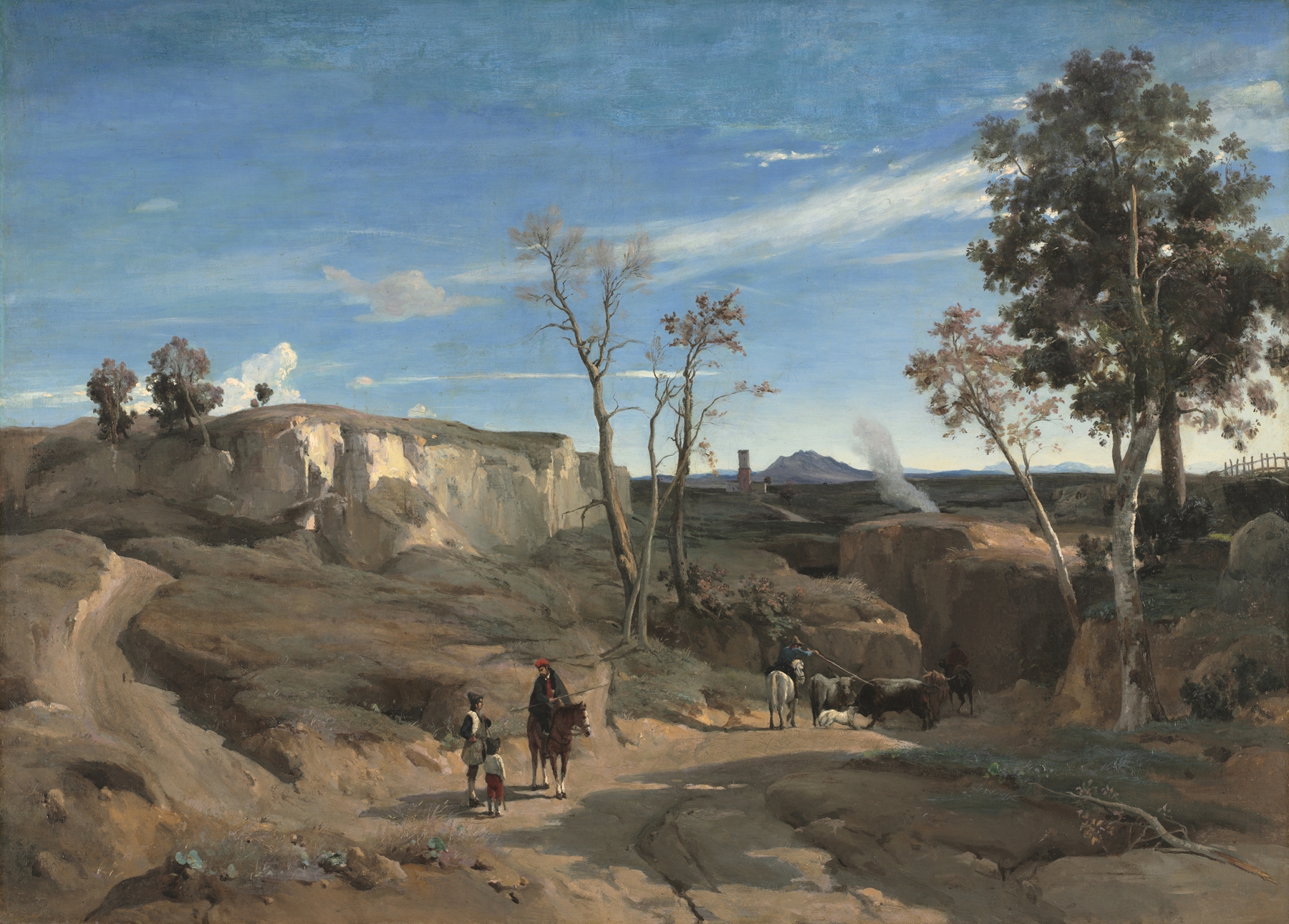
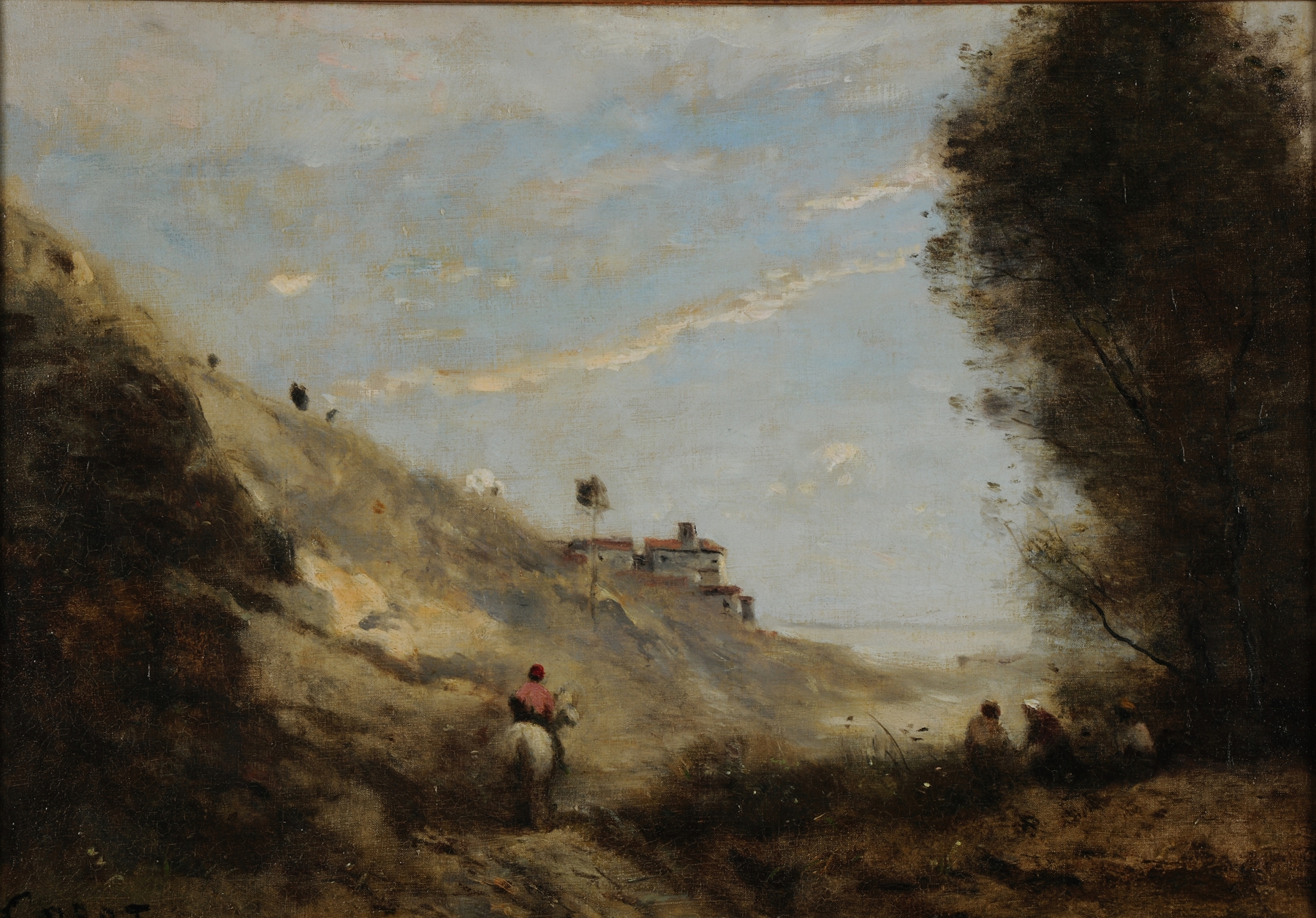
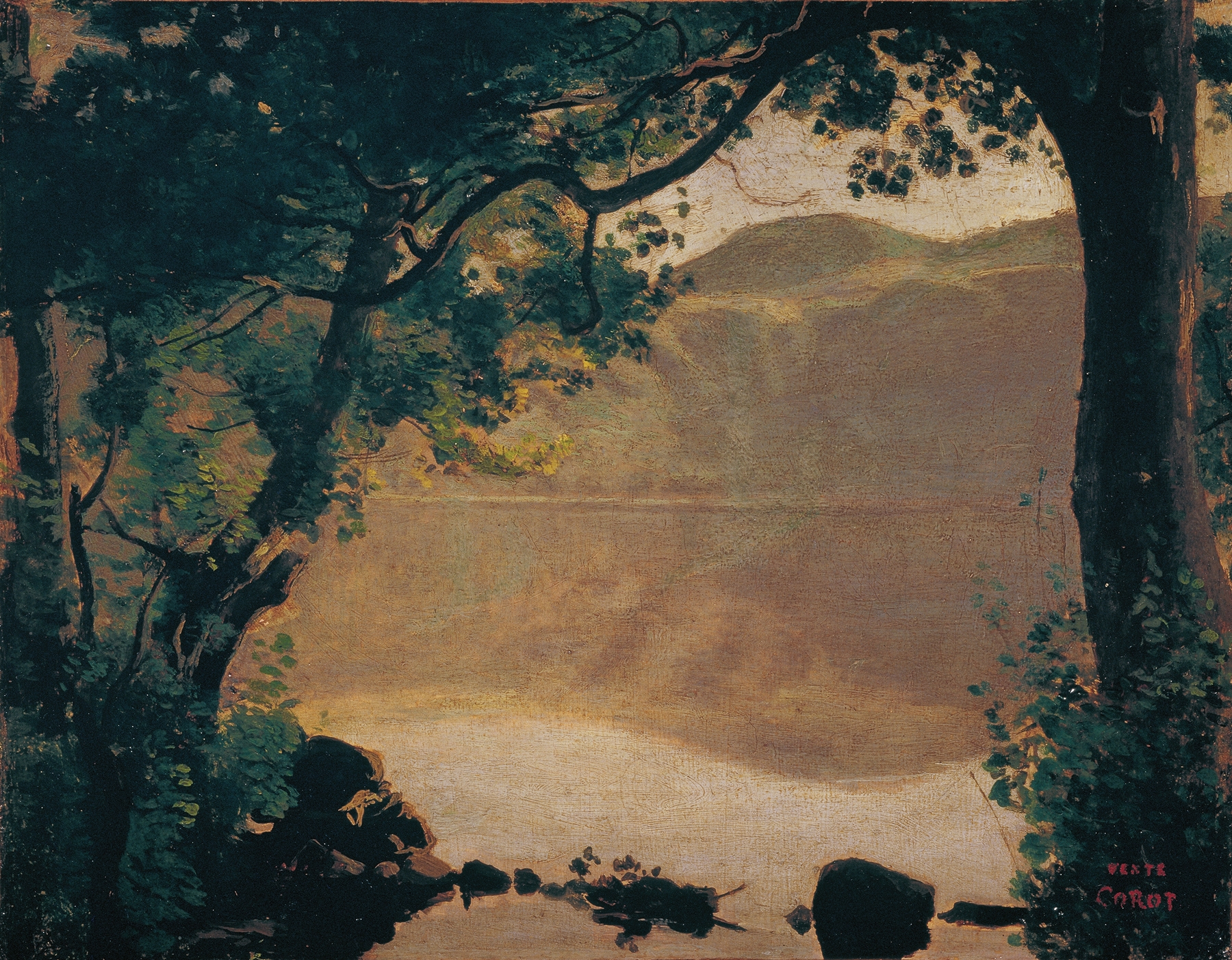
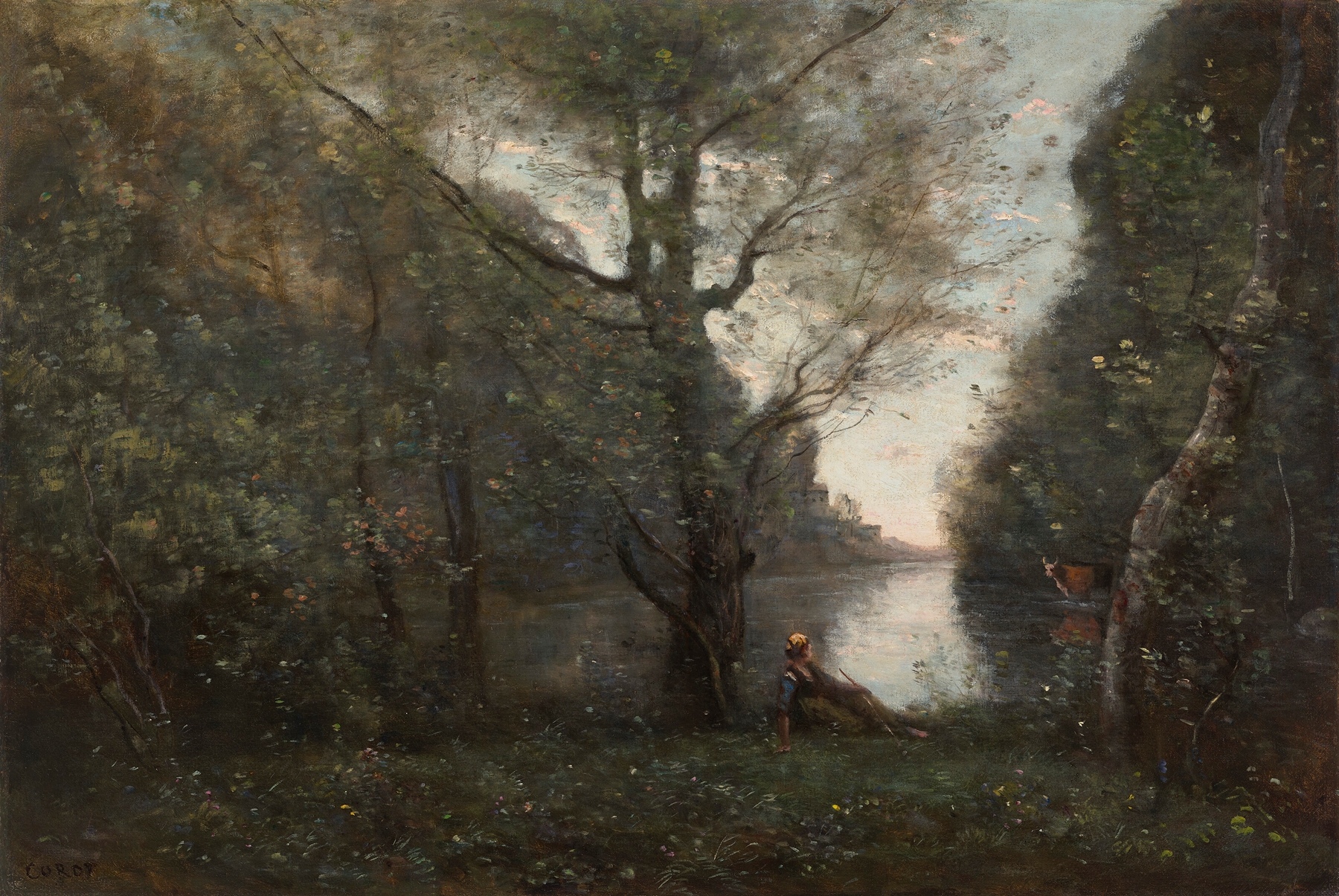
“Every silence here is a confession.” In the stillness of Monte Pincio, Rome, the landscape whispers secrets, revealing the delicate illusions that nature often presents. The viewer is drawn into a world where time seems suspended, and each brushstroke captures a fleeting moment of serenity. Focus on the soft blend of greens and blues that wash over the canvas, leading your gaze toward the gentle slopes of the hillside. Notice how the sunlight filters through the trees, casting dappled shadows that dance across the ground.
The hazy atmosphere gives the scene an ethereal quality, blurring the boundaries between reality and reverie, inviting you to linger in its quiet embrace. Within this picturesque setting lies an emotional tension; the idyllic beauty is tinged with a sense of longing and introspection. The carefully placed figures, seemingly lost in thought, contribute to the dream-like quality, provoking questions about what they might be contemplating. The subtle contrasts between light and darkness emphasize the fleeting nature of life and memory, evoking a feeling of nostalgia.
During the 1840s, while based in Paris, the artist explored new artistic freedoms that were emerging in the world of Romanticism. This period was marked by a shift towards capturing the essence of emotion over strict realism. Corot, influenced by his travels and the evolving art scene, painted Monte Pincio during a time when European artists were increasingly drawn to the beauty of nature and its ability to convey complex feelings.