Moonlight Coastal Scene — History & Analysis
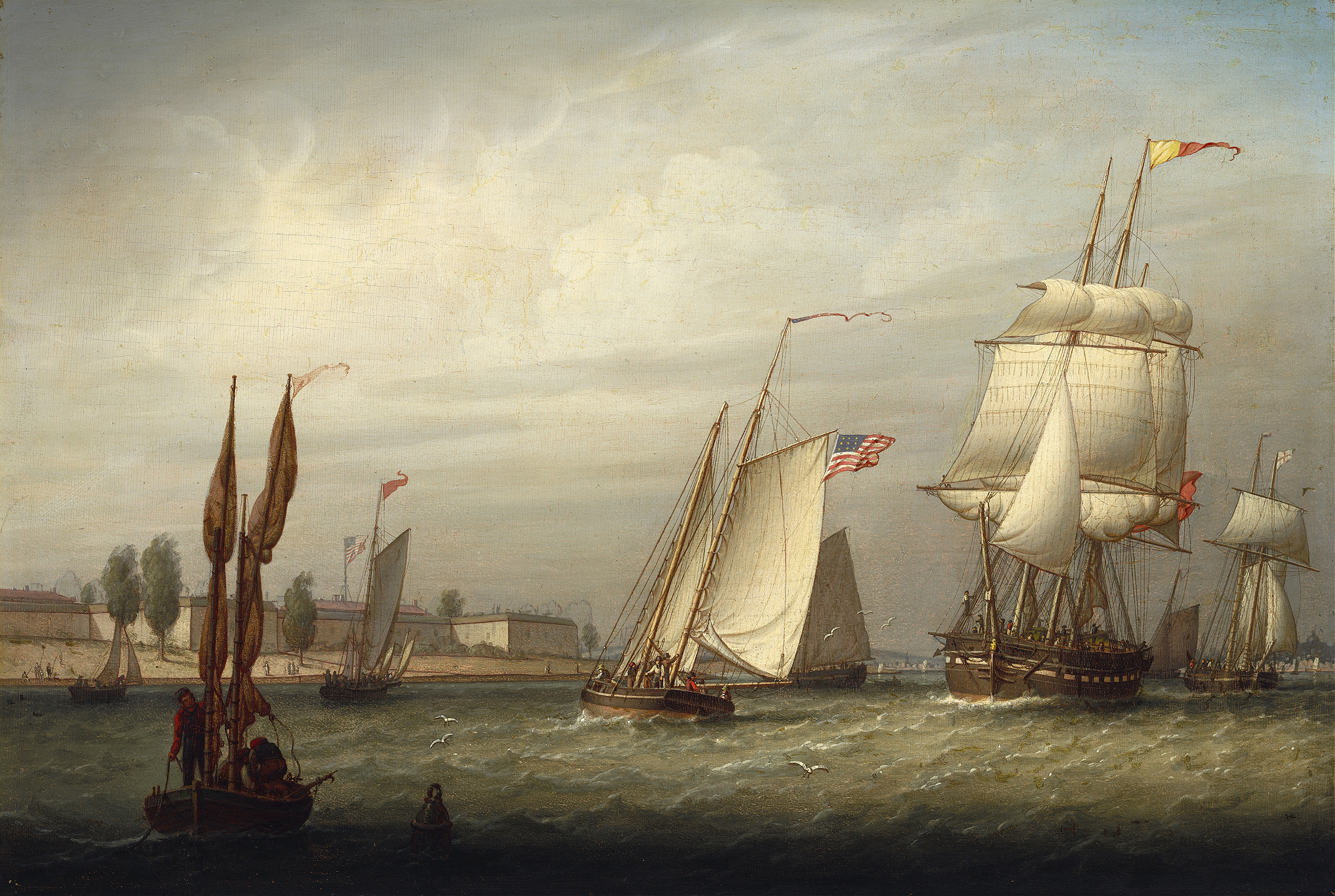
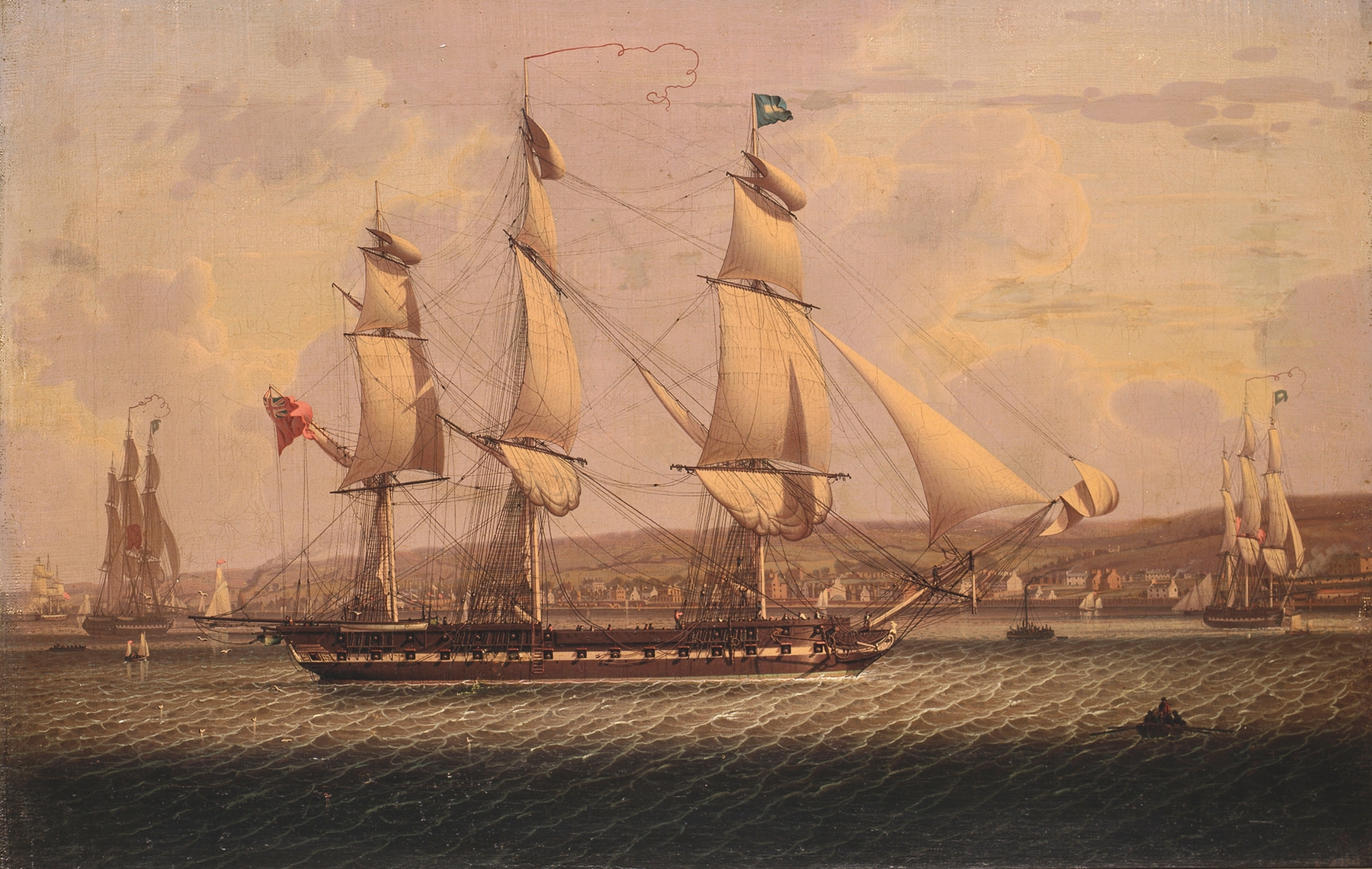
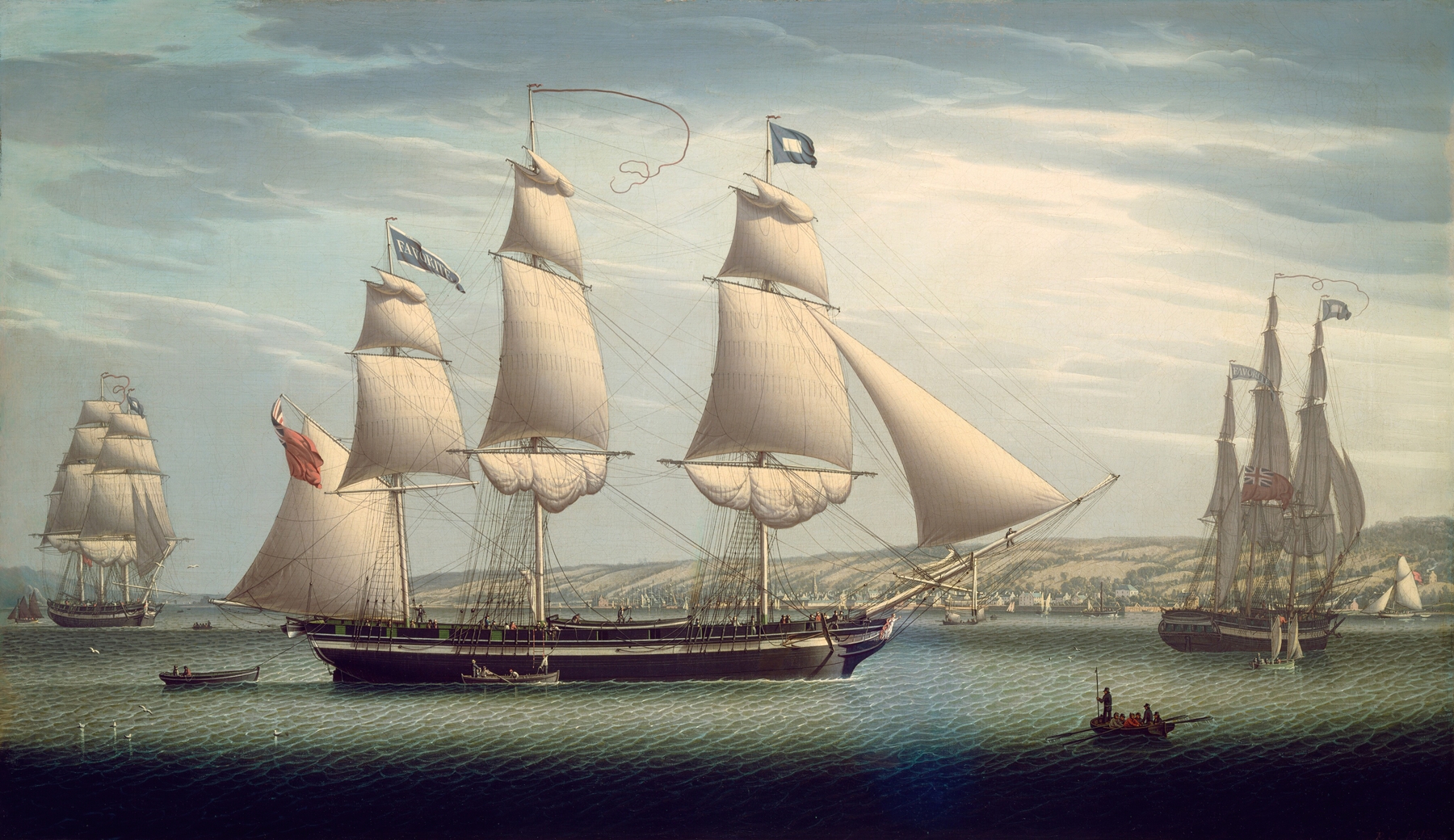
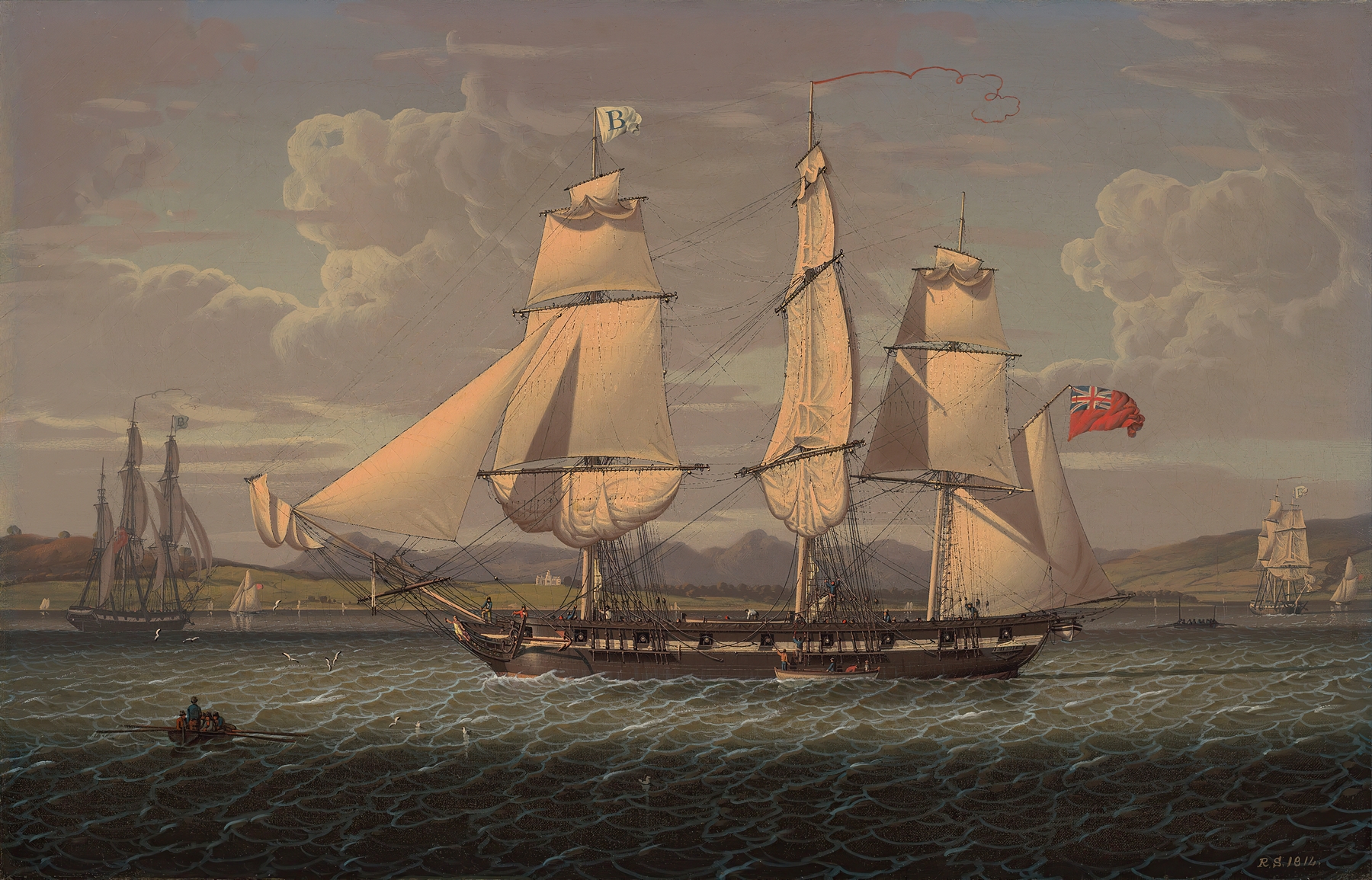
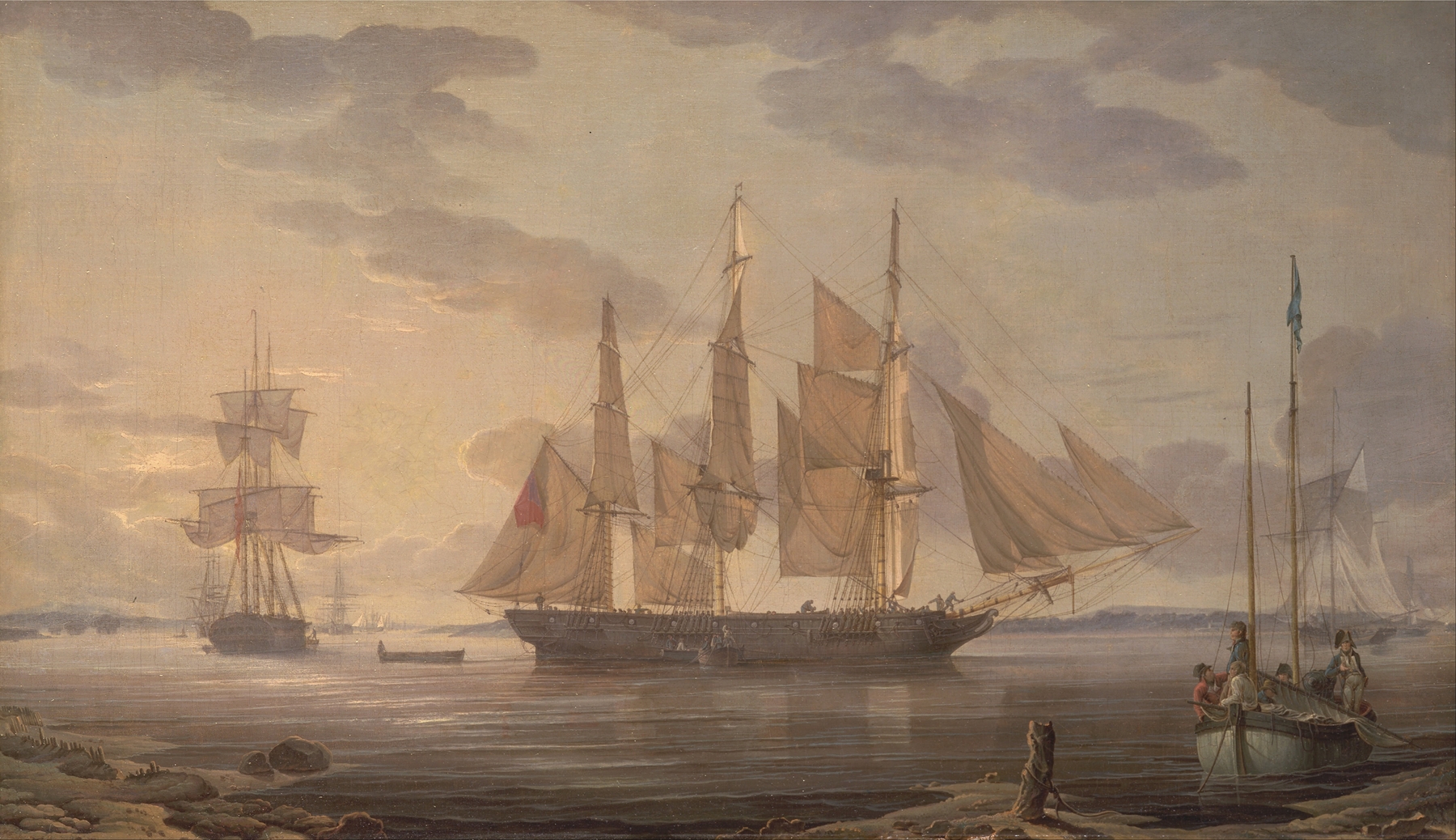
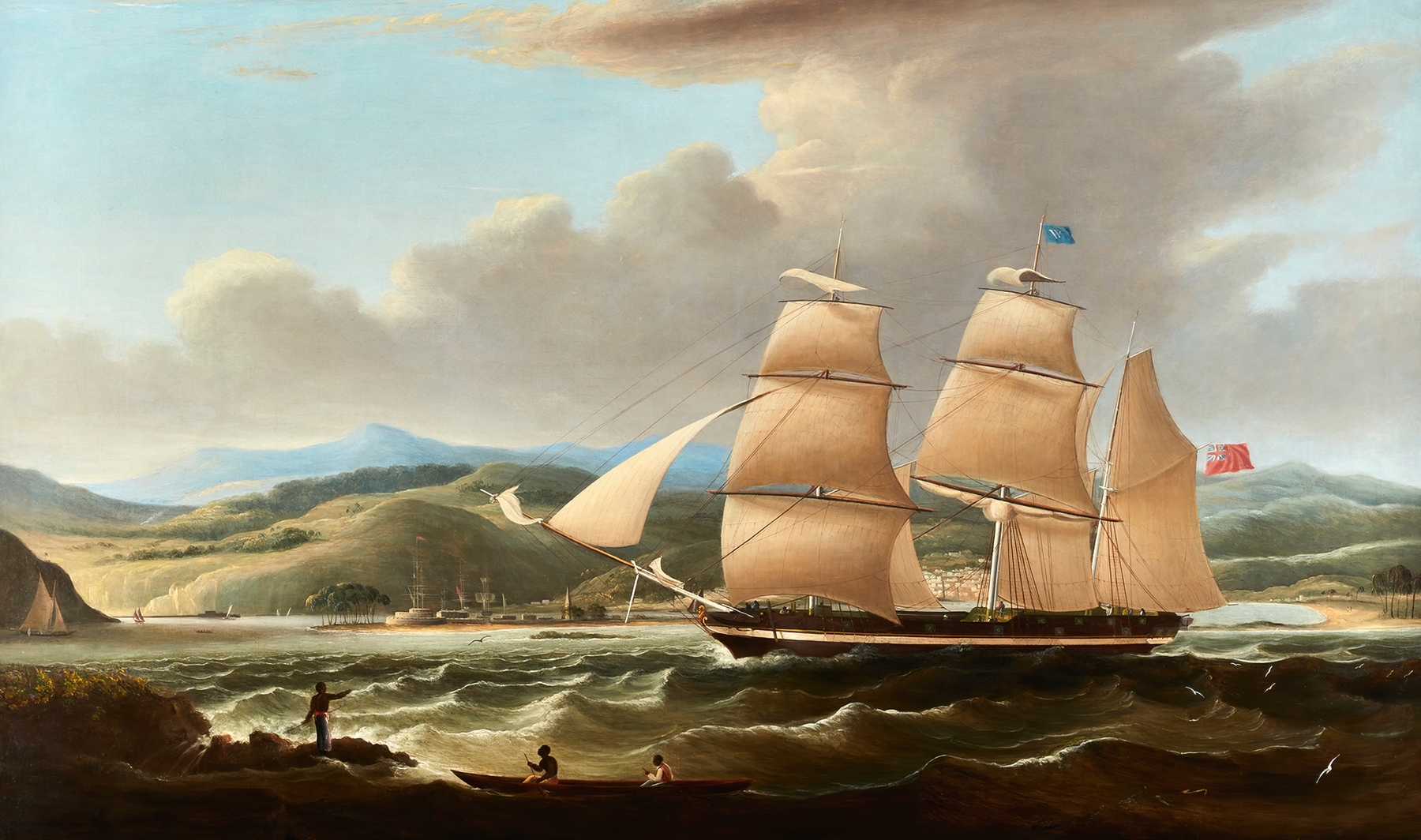
“Every brushstroke is a heartbeat remembered.” In the stillness of night, a profound melancholy envelops the coastal landscape, capturing the fleeting essence of time and memory. Look to the left, where gentle waves lap against a rocky shore, their rhythmic motion echoing the sighs of a somber breeze. The palette is dominated by deep blues and silvery whites, evoking a serene yet haunting atmosphere. Notice how the moon casts a soft glow, illuminating the water while leaving shadows lurking in the crevices of the rocks, creating a vivid contrast between light and dark.
The painting’s composition draws the eye toward the horizon, a distant line where the vast sea kisses the endless sky, suggesting both a sense of peace and an underlying longing. The emotional tension within the work lies in the delicate balance between tranquility and sorrow. The moonlight reflects a yearning for connection, while the darkness hints at solitude and loss. Hidden details, such as the solitary boat appearing like a ghost on the water’s surface, amplify this sense of isolation, inviting viewers to ponder the stories that remain untold at this hour.
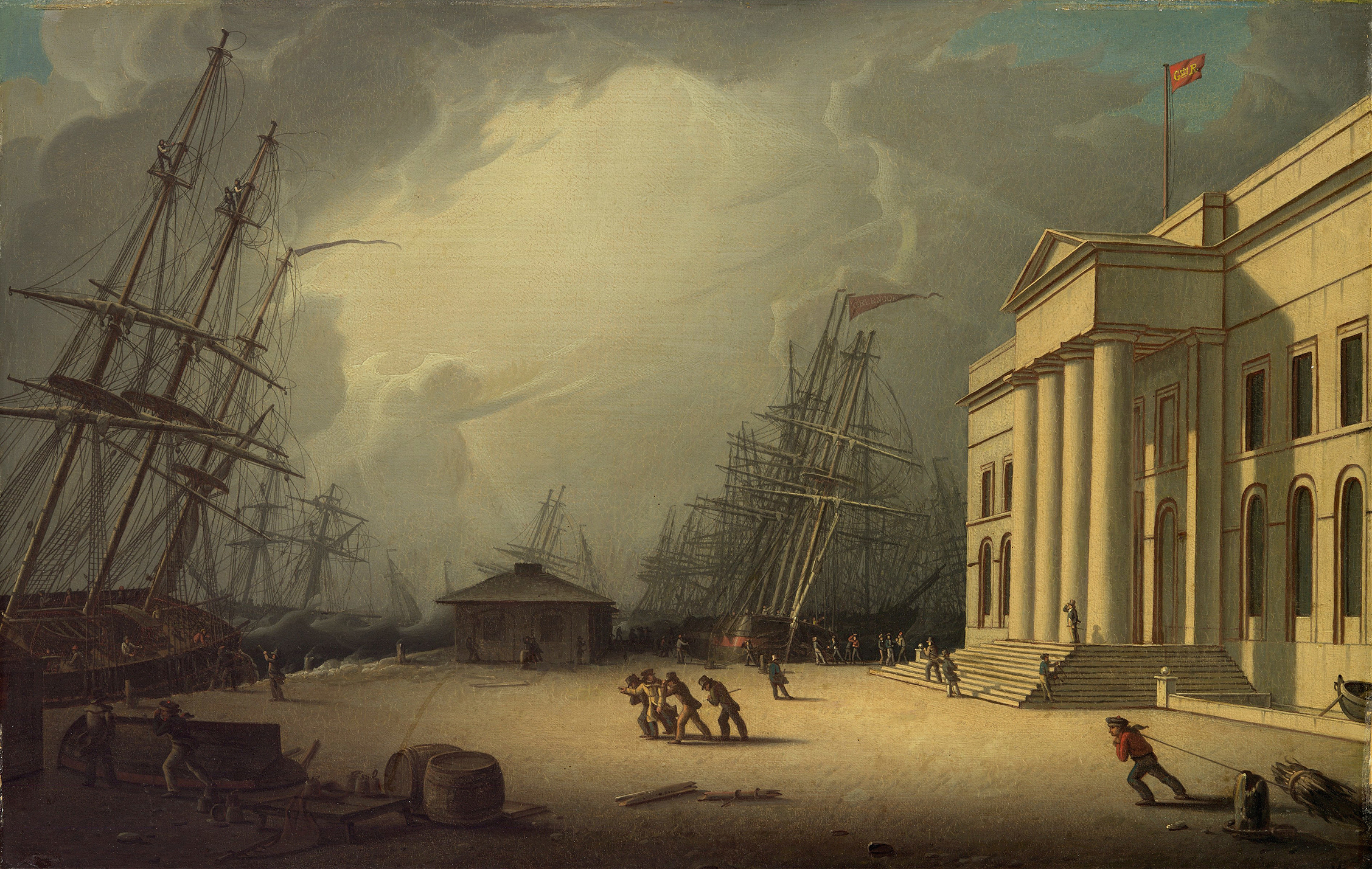
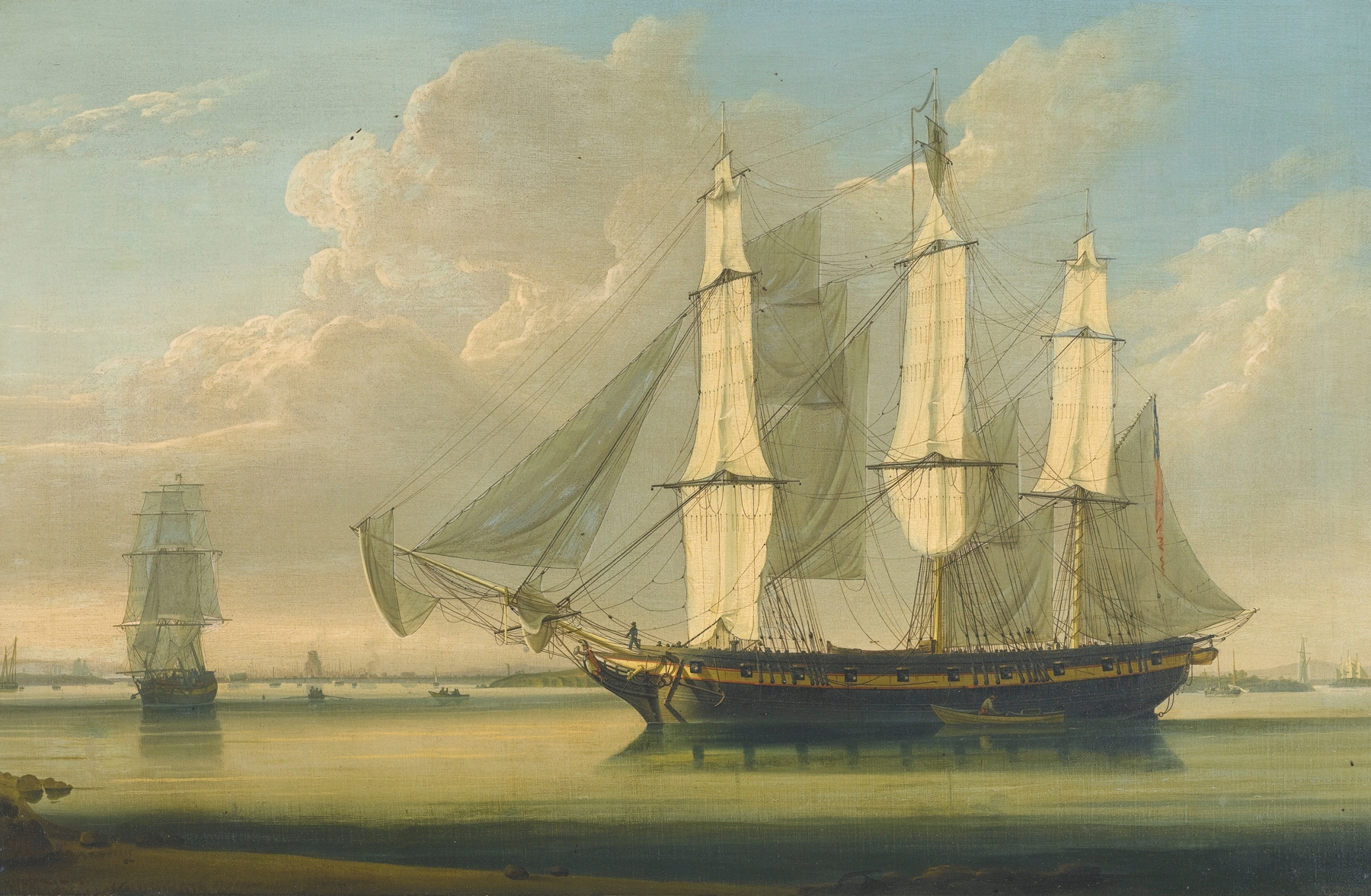
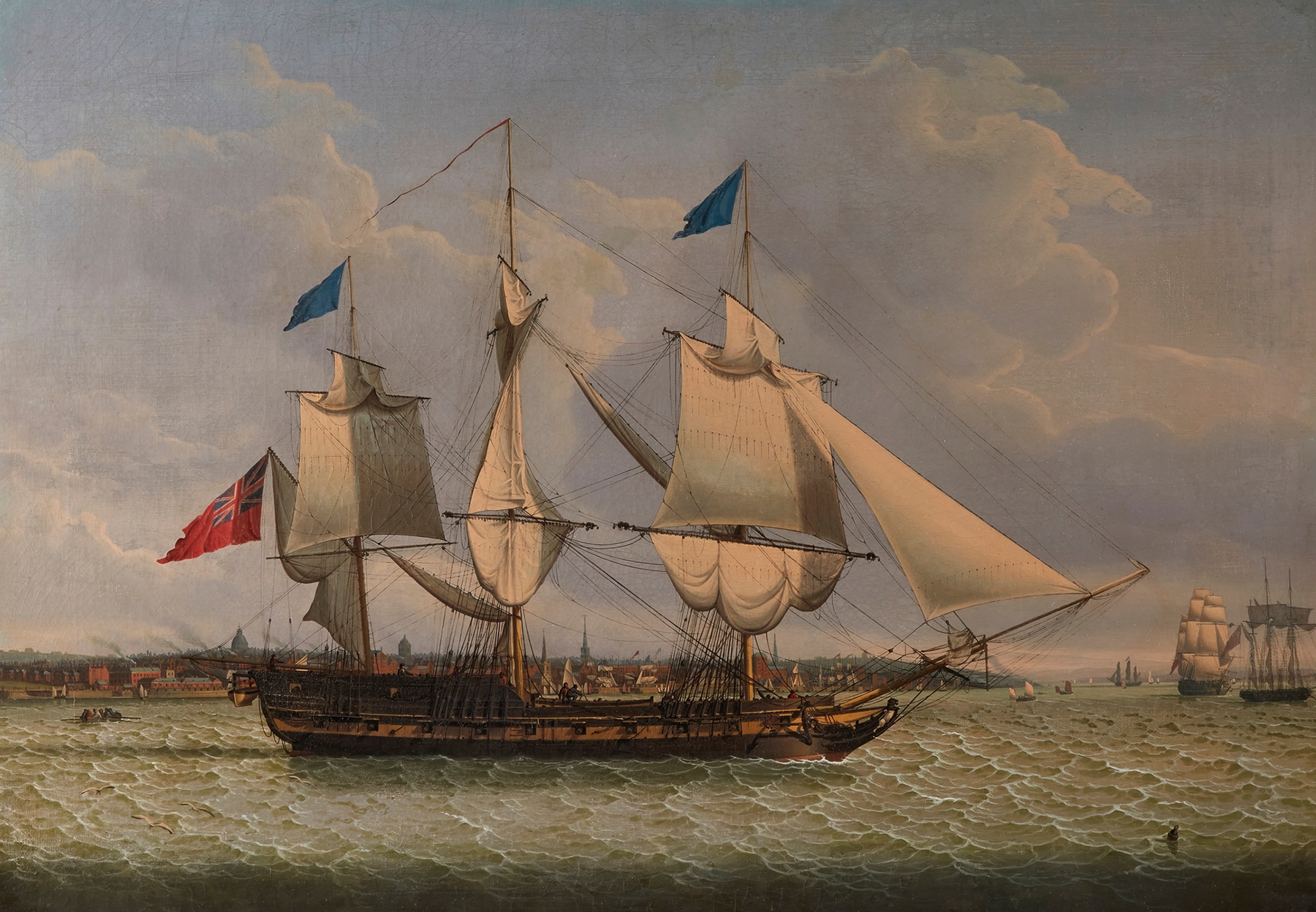
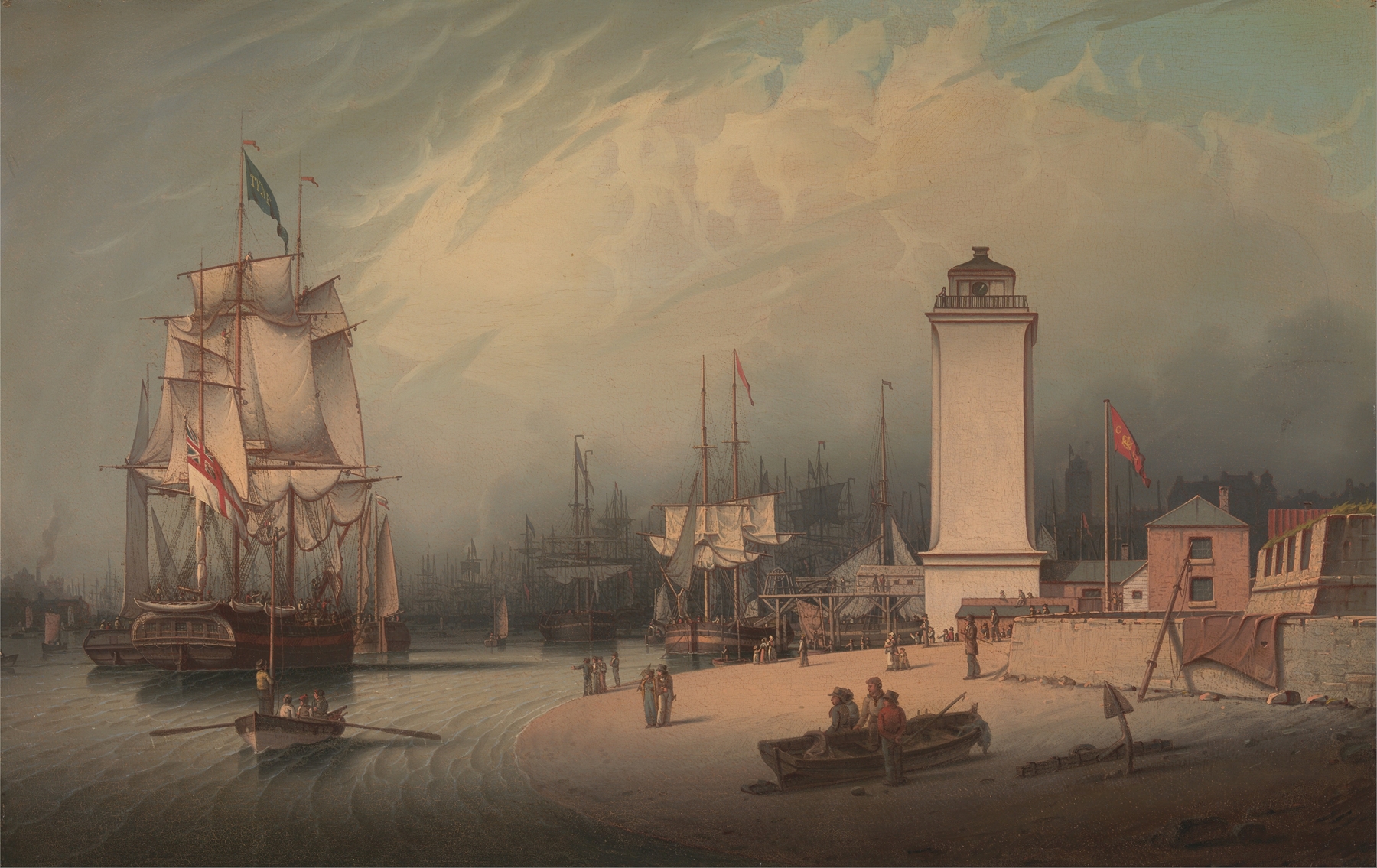
The stillness of the scene resonates with the heart, reminding us of moments lost to time, yet eternally captured in memory. In 1836, Robert Salmon painted this piece during a period when he was deeply influenced by the Romantic movement, which emphasized emotion and the sublime in nature. Living in England after moving from America, he sought to convey the power and beauty of the sea, reflecting a broader trend in art that wrestled with themes of nostalgia and the human experience amid nature's grandeur. This painting encapsulates his mastery in portraying both the exquisite and the melancholic in the natural world.