Moonlight landscape — History & Analysis
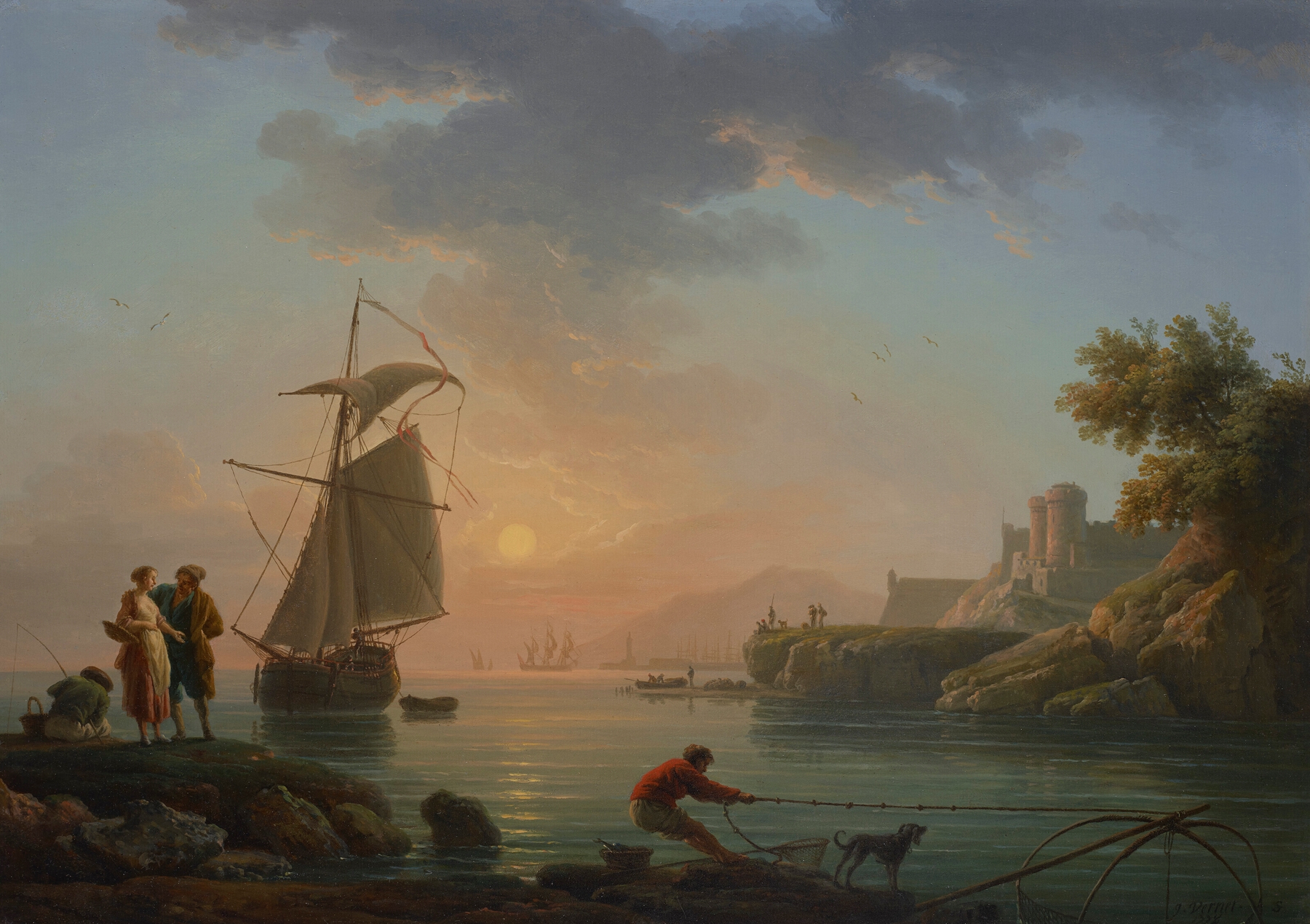
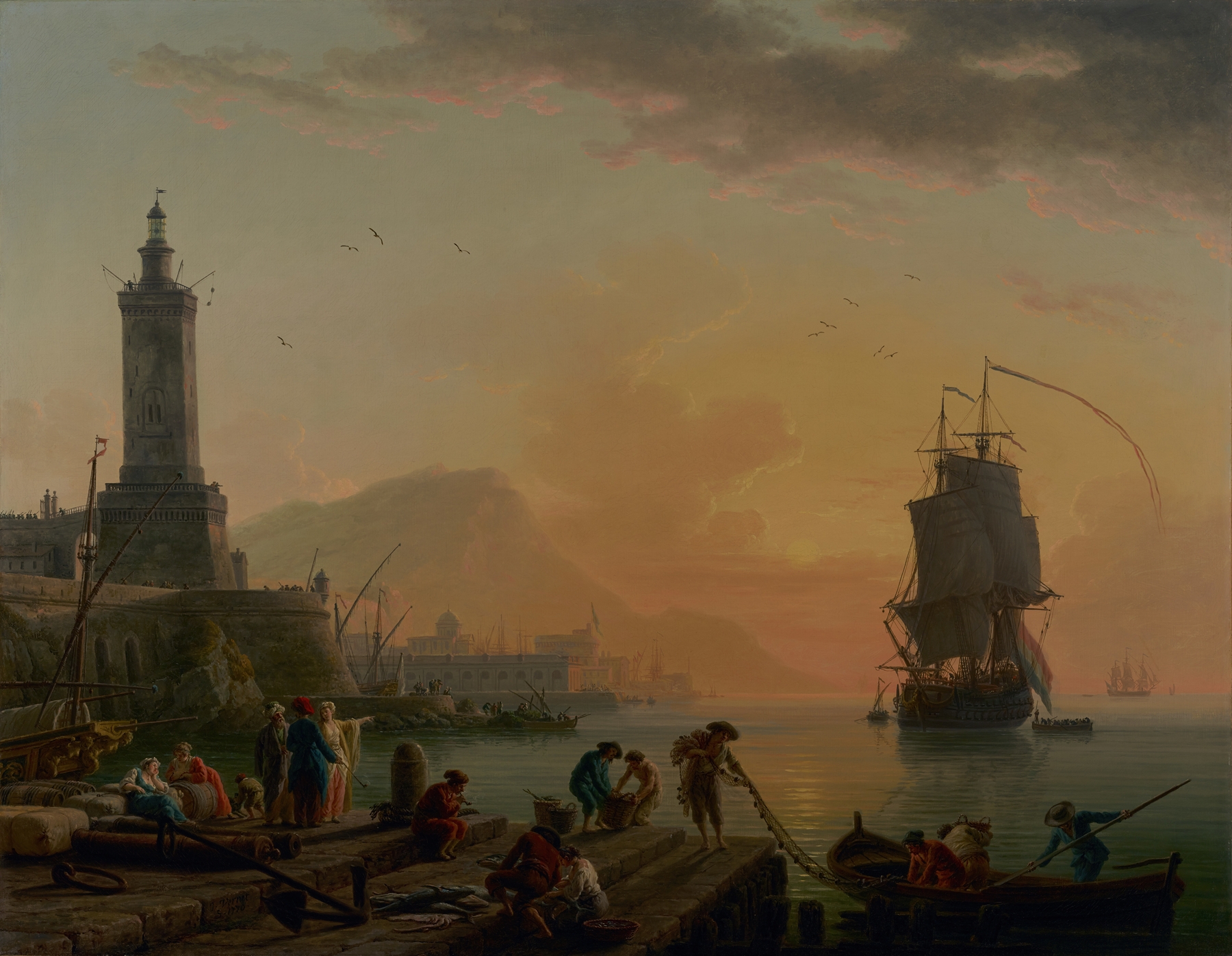
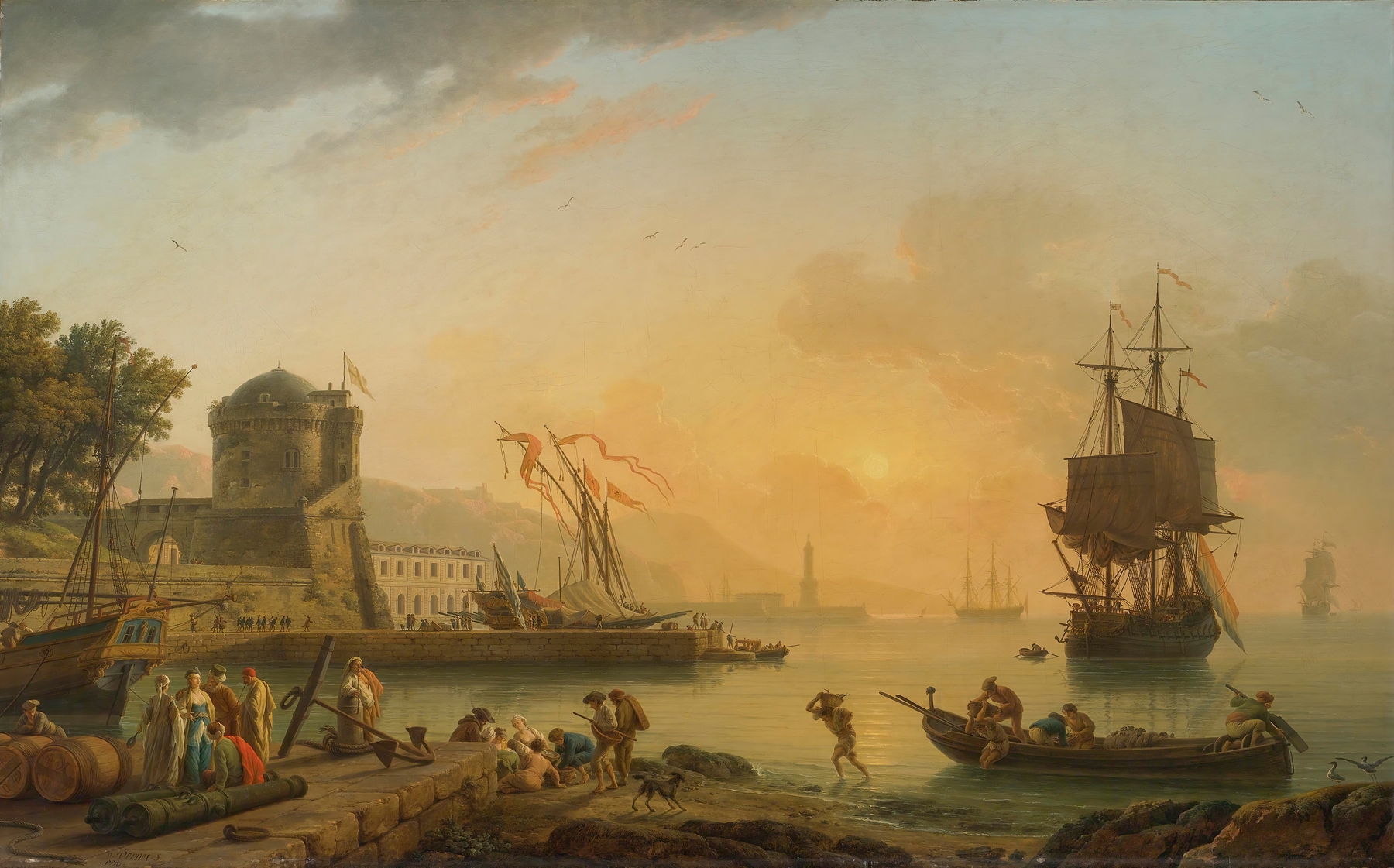
Who listens when art speaks of silence? In the stillness of twilight, a world awakens beneath the soft caress of moonlight, inviting contemplation and introspection. Look to the left, where delicate wisps of cloud dance across the sky, illuminated by a silvery glow. Notice how the tranquil waters mirror this celestial spectacle, creating a seamless blend of sky and sea.
The artist employs a muted palette of blues and grays, punctuated by the gentle glow of the moon, which guides your gaze through the landscape while casting shadows that deepen the sense of mystery and serenity. In the quiet corners of this moonlit scene, contrasts emerge: the soft warmth of illuminated land juxtaposed against the cool darkness of the water. Tiny figures in the distance hint at human presence yet remain almost ghostly, emphasizing the solitude of the moment.
Their small scale against the vastness of the landscape speaks to the insignificance of humanity in the face of nature’s grandeur, while the shimmering light evokes a sense of hope and awakening. Created during an indeterminate time in Vernet's life, Moonlight landscape reflects his fascination with light and atmosphere, characteristic of his works in the 18th century. As an artist deeply engaged in capturing the essence of landscapes, Vernet was influenced by the Romantic movement's growing interest in the sublime and the emotive qualities of nature, setting the stage for future explorations of mood and tone in art.