Moonlight on the lake, Roundhay Park, Leeds — History & Analysis
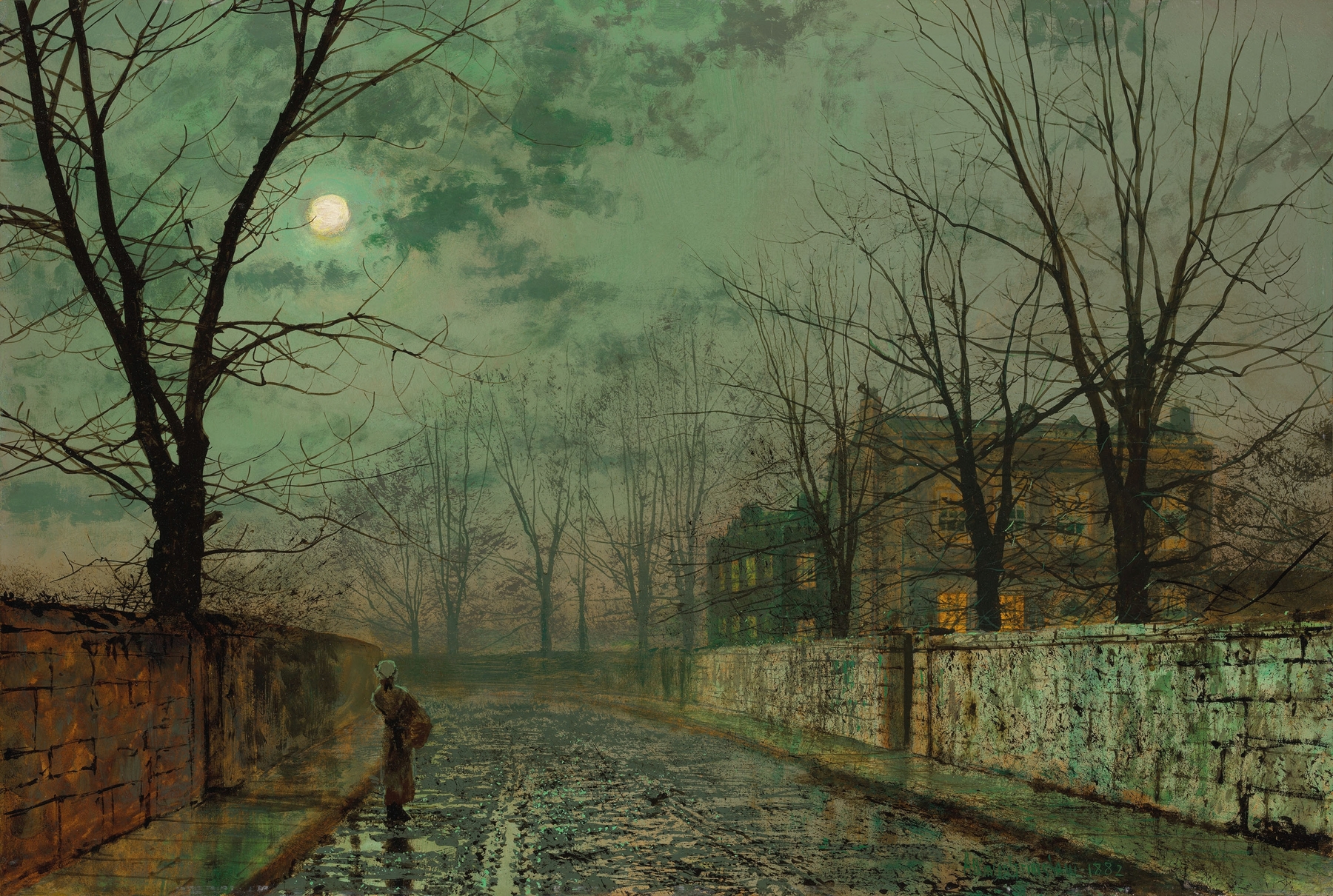
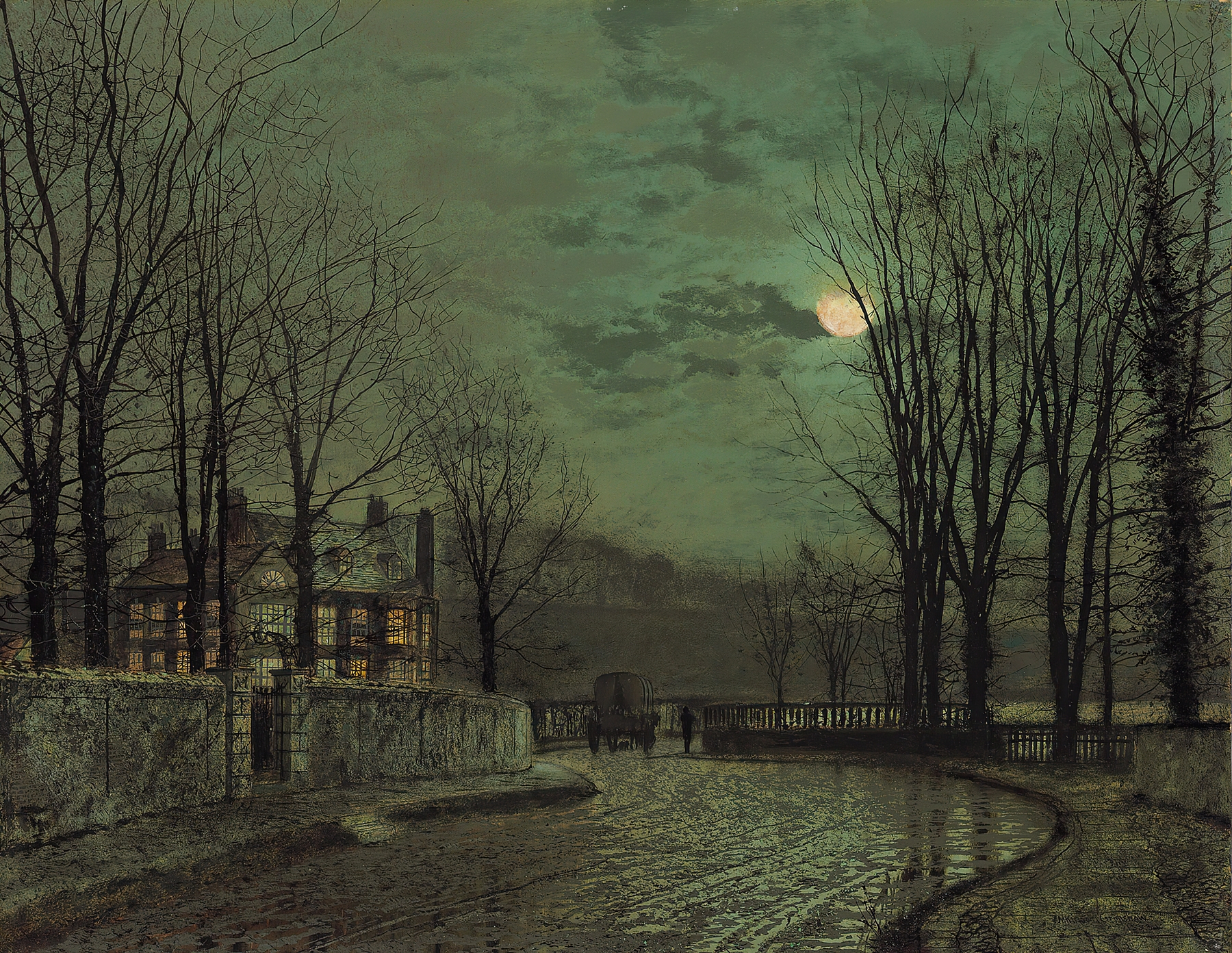
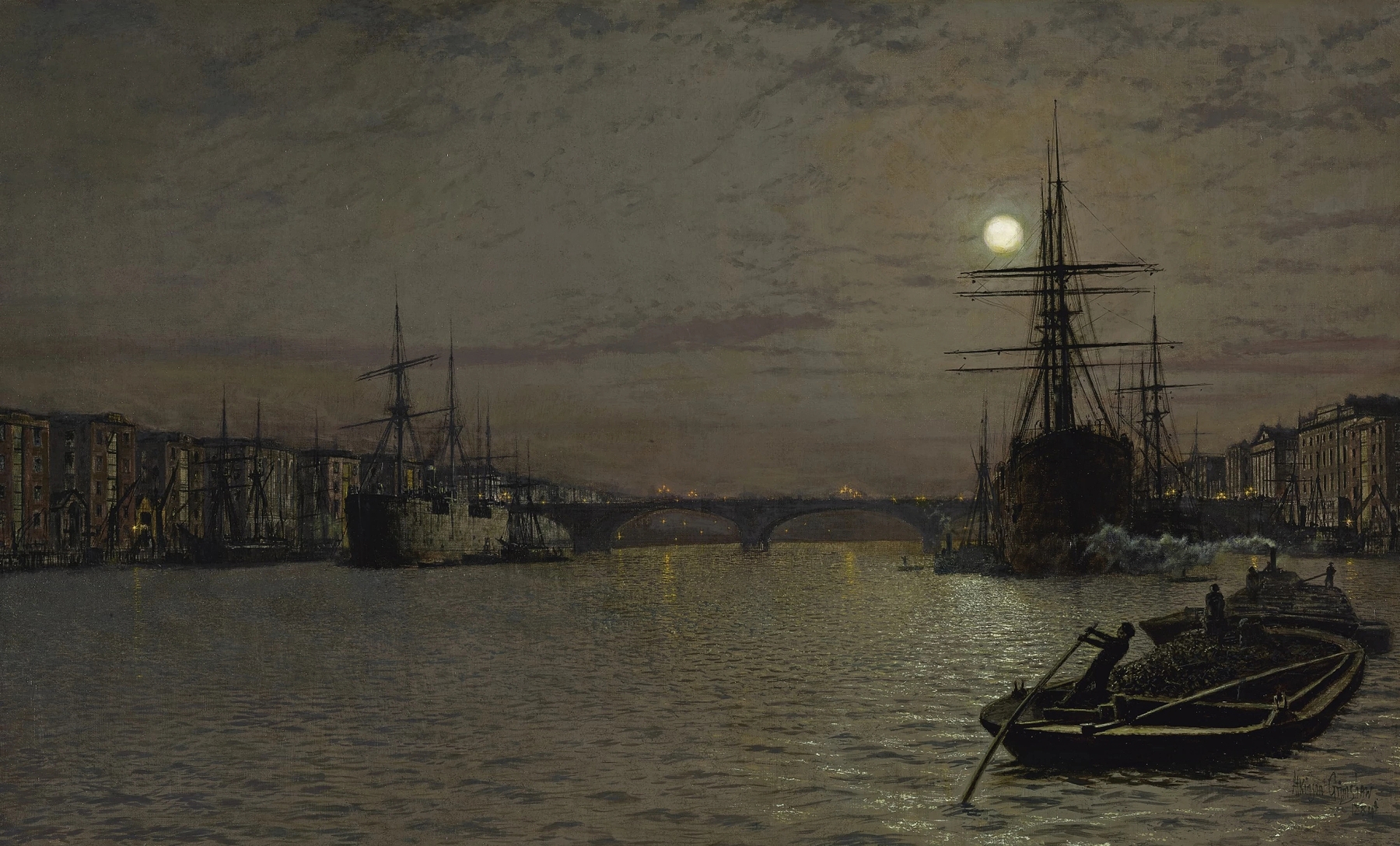
“The canvas doesn’t lie — it simply waits.” In its stillness, it beckons us to linger, evoking a profound sense of melancholy and introspection. Look to the left, where the soft hues of twilight cloak the trees, their silhouettes casting delicate shadows on the shimmering surface of the lake. The moon, a luminous pearl, hangs low and heavy, illuminating the scene with an ethereal glow. Notice how the artist’s delicate brushwork creates ripples in the water, capturing the transient beauty of light as it dances across the lake, inviting an enchanting yet sorrowful atmosphere.
As you delve deeper, observe the interplay of dark and light. The tranquil water mirrors the night sky, yet their calmness belies an undercurrent of solitude. The trees stand like quiet sentinels, suggesting a watchful embrace, while the scattered clouds seem to drift away, hinting at the fleeting nature of time and connection. This juxtaposition evokes an emotional tension, where beauty and sadness coexist in a fragile harmony.
During the late 19th century, the artist created this piece amidst a resurgence of interest in nocturnal landscapes. Known for his evocative depictions of light and shadow, he embraced the atmospheric qualities of his surroundings, drawing inspiration from the industrial changes in England. This work reflects not only his artistic evolution but also the broader shifts in society, capturing a moment that resonates with both nostalgia and yearning.