Moorlandschaft — History & Analysis
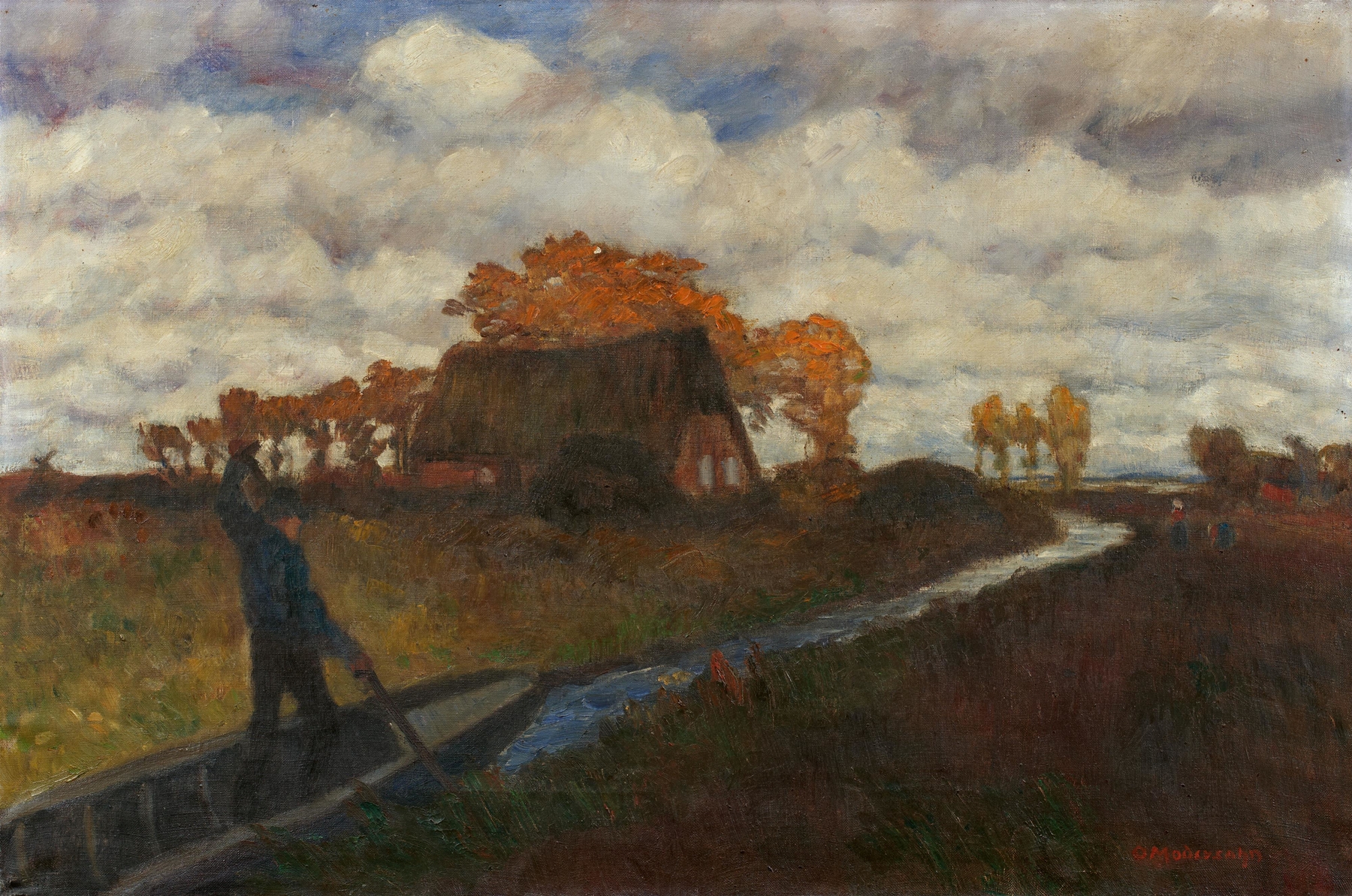
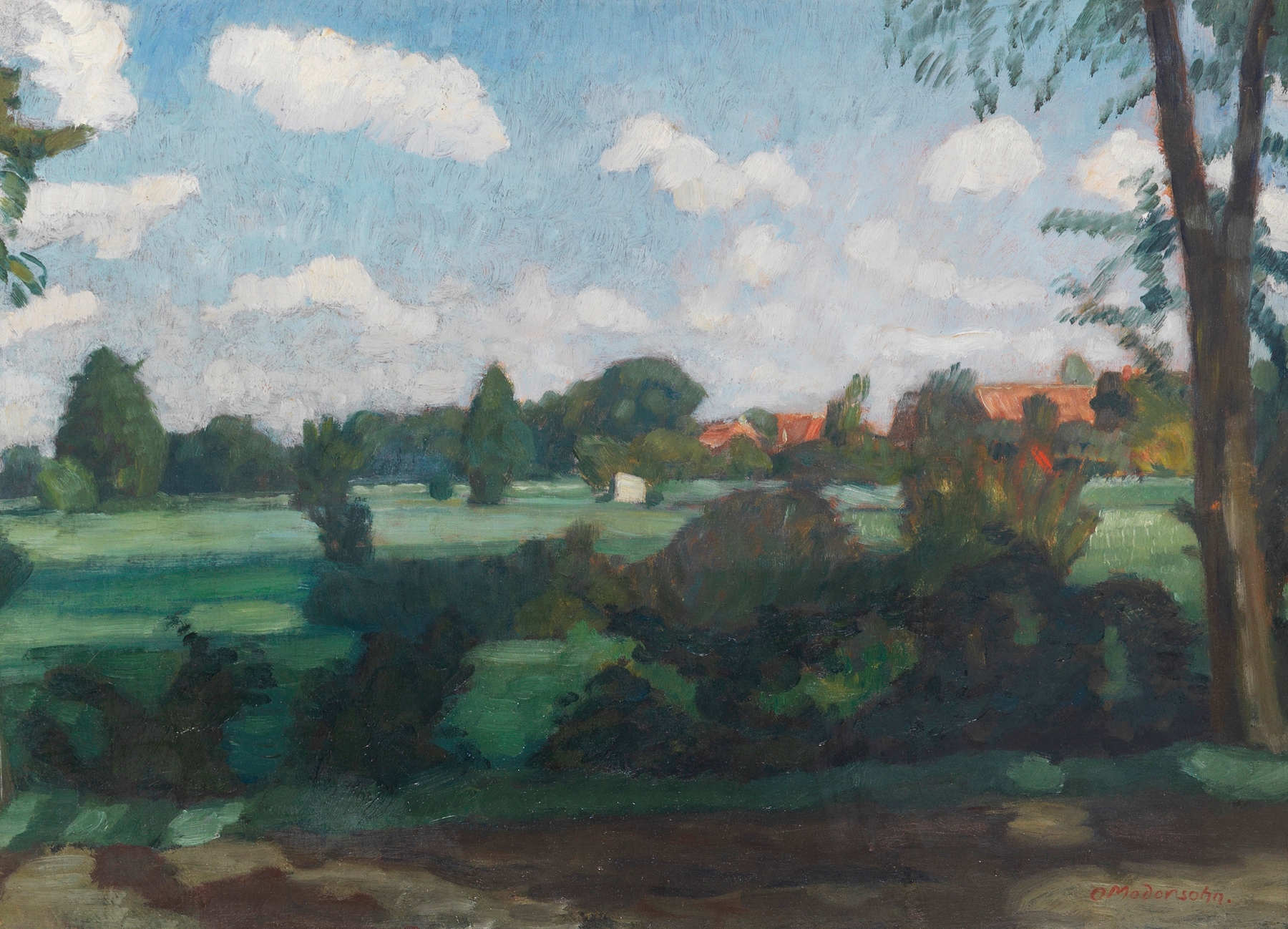
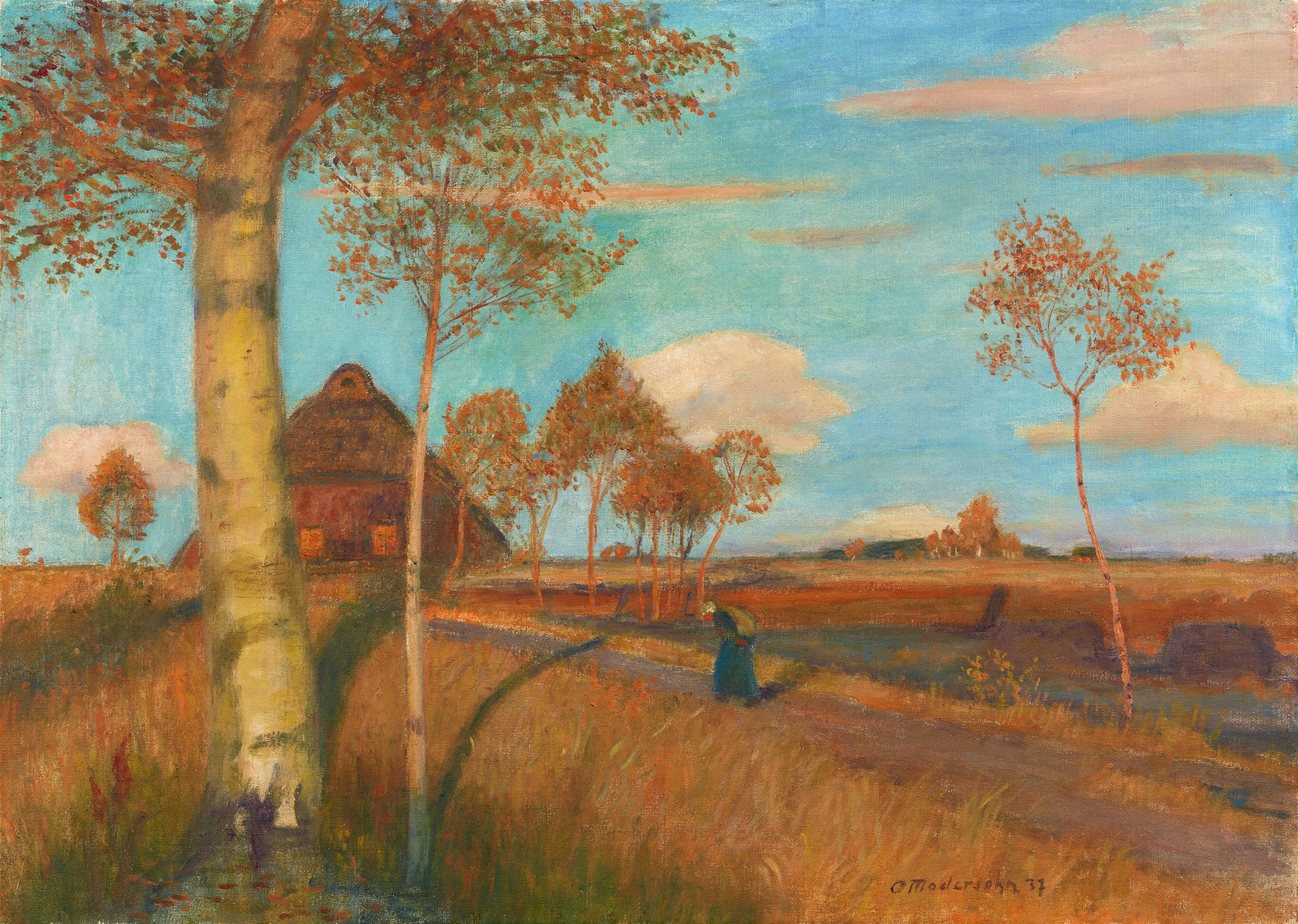
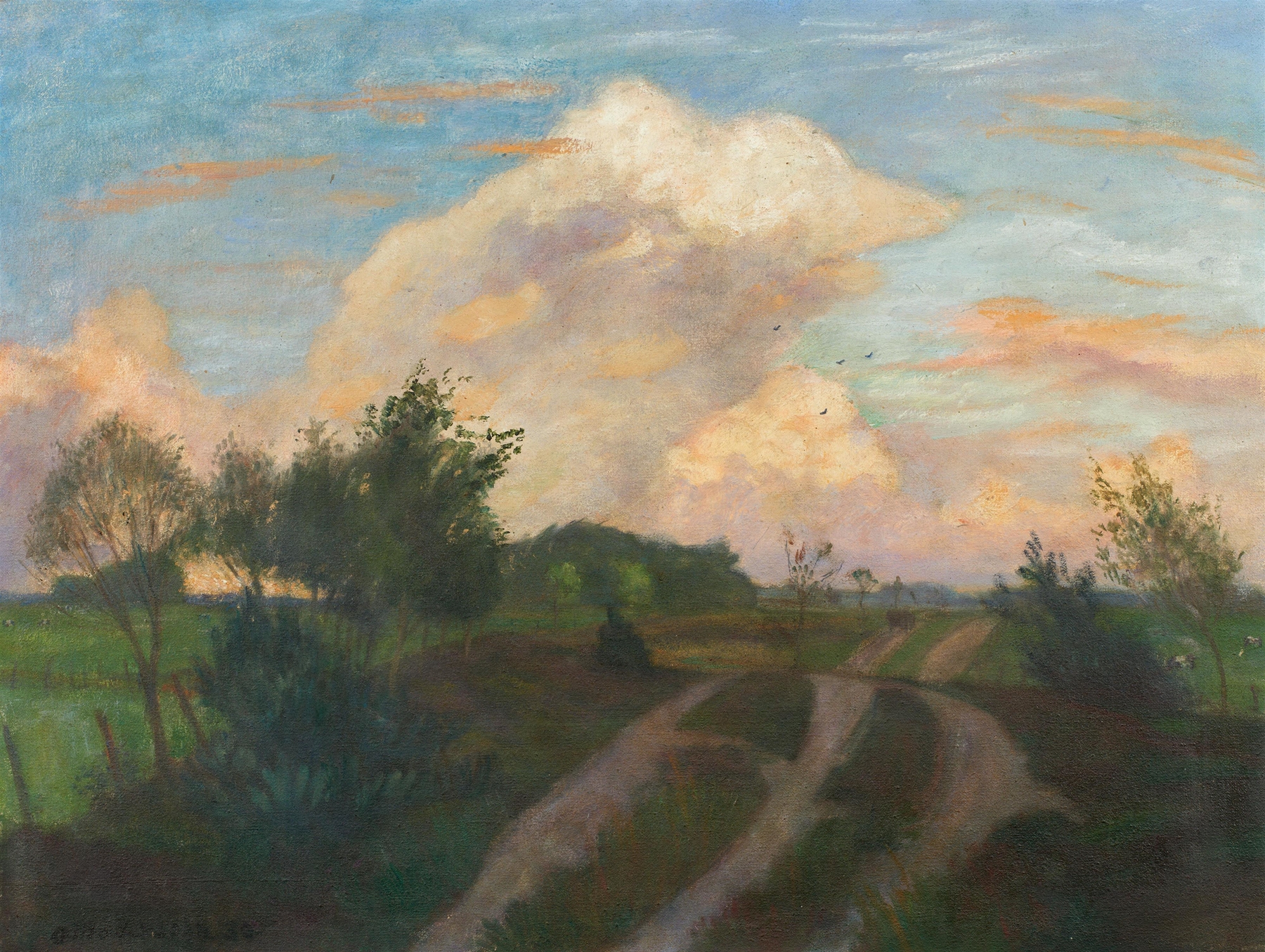
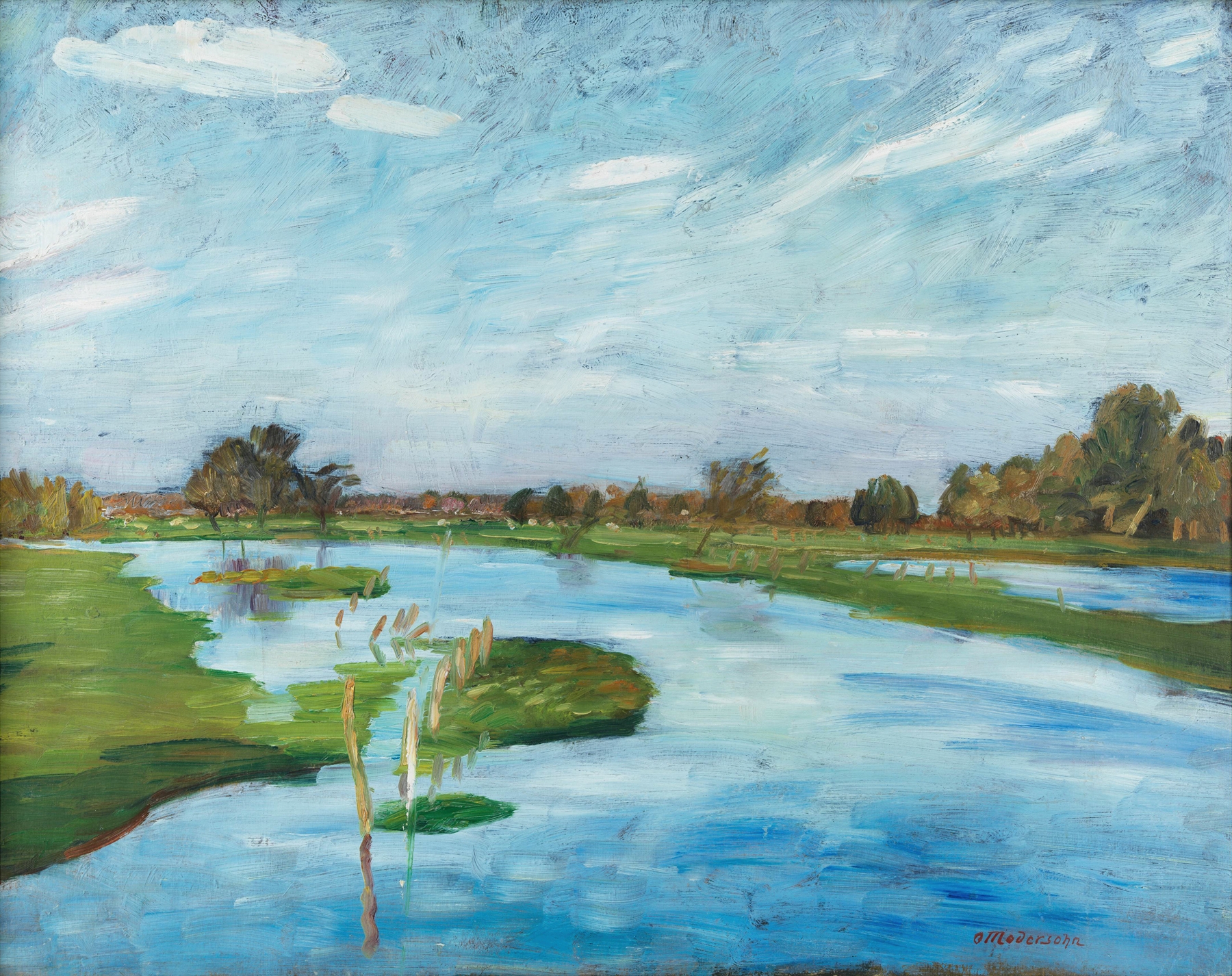
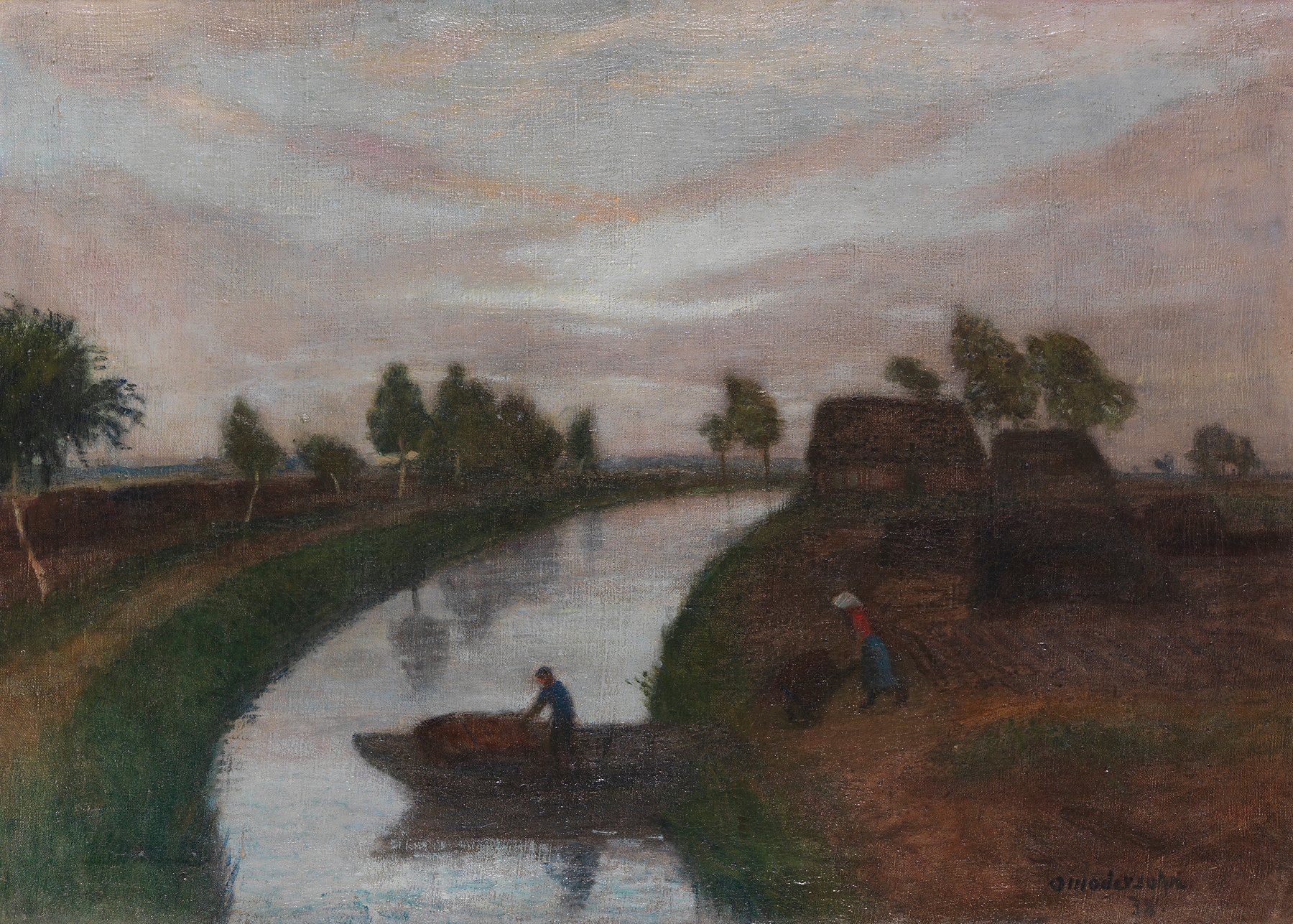
“The canvas doesn’t lie — it simply waits.” In a world filled with noise and distraction, what does the empty landscape reveal about our inner selves? Look to the foreground where gentle, undulating hills roll into the distance, their muted greens and browns blending seamlessly under a soft, overcast sky. The artist employs a palette of earthy tones, allowing the viewer's gaze to meander through the vastness of the moorlands, where silence reigns supreme. The brushwork is delicate yet purposeful, capturing the essence of a tranquil, unpopulated space that invites contemplation.
As the eye wanders further into the scene, one notices the subtle play of light and shadow, evoking a sense of both melancholy and serenity. The sparse trees, their forms almost skeletal, contrast against the expansive sky, symbolizing isolation amidst nature's grandeur. This tension between emptiness and the presence of the land speaks to the human experience — a paradox of seeking connection within solitude. What implications does such emptiness carry for our lives and journeys?
In 1939, when this piece was created, the artist found himself in a Germany grappling with the impending shadows of war. Modersohn, influenced by the precision of the Northern Romantic tradition, sought solace in capturing the raw beauty of the landscape. During this tumultuous period, his work became a refuge, a stillness amidst chaos, reflecting not only his personal introspection but also a broader commentary on the fragility of existence.