Morning — History & Analysis
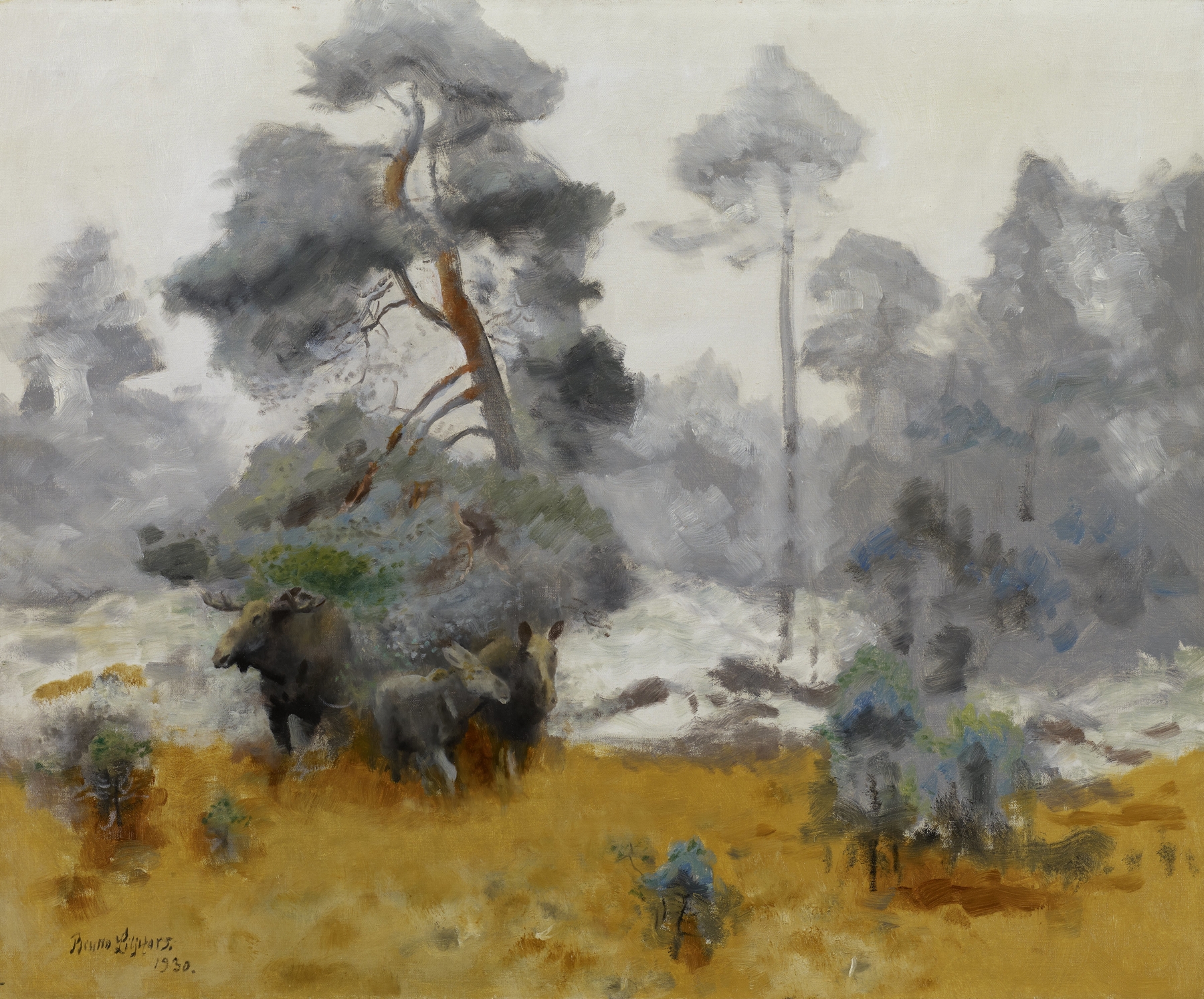
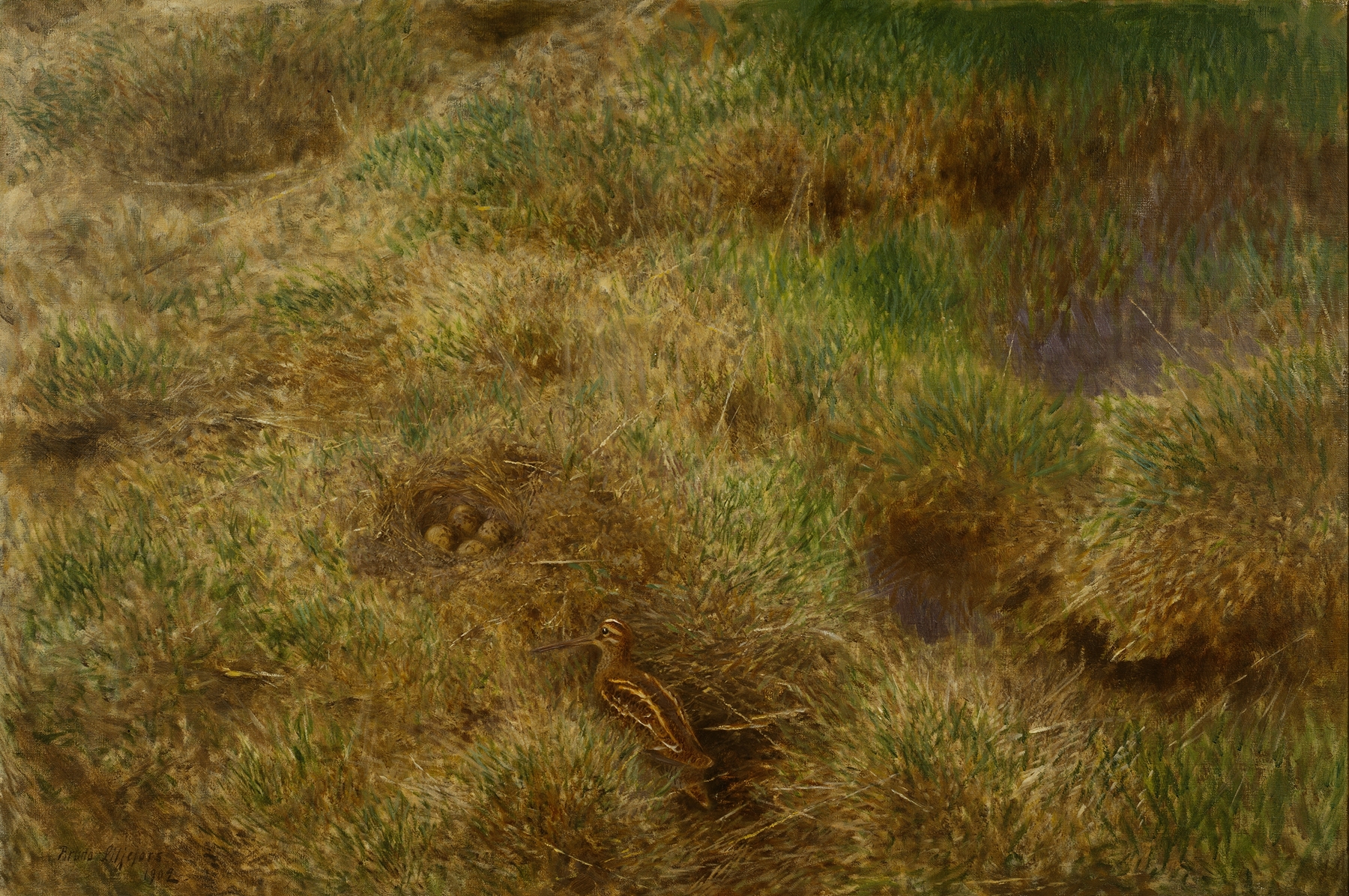
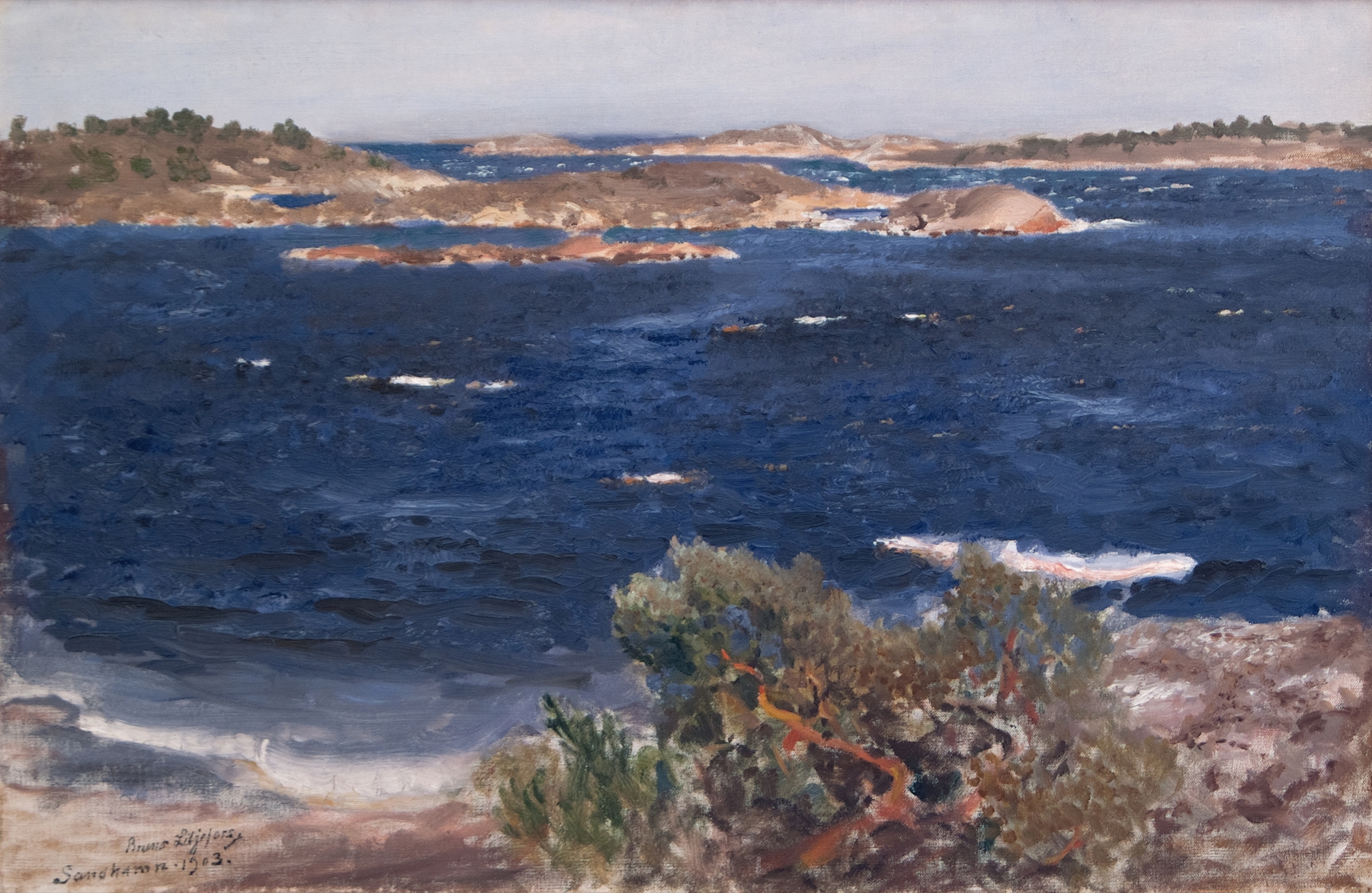
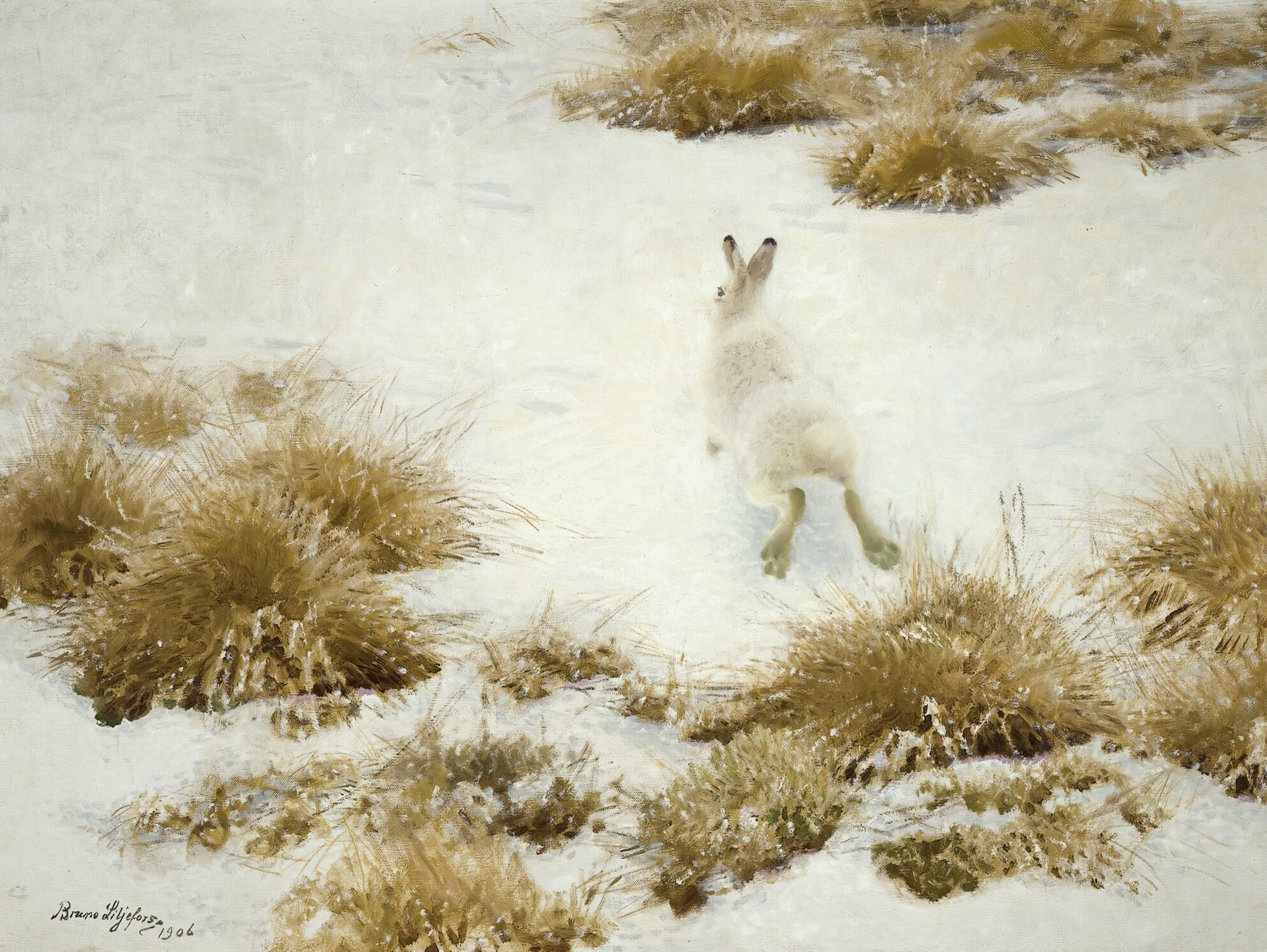
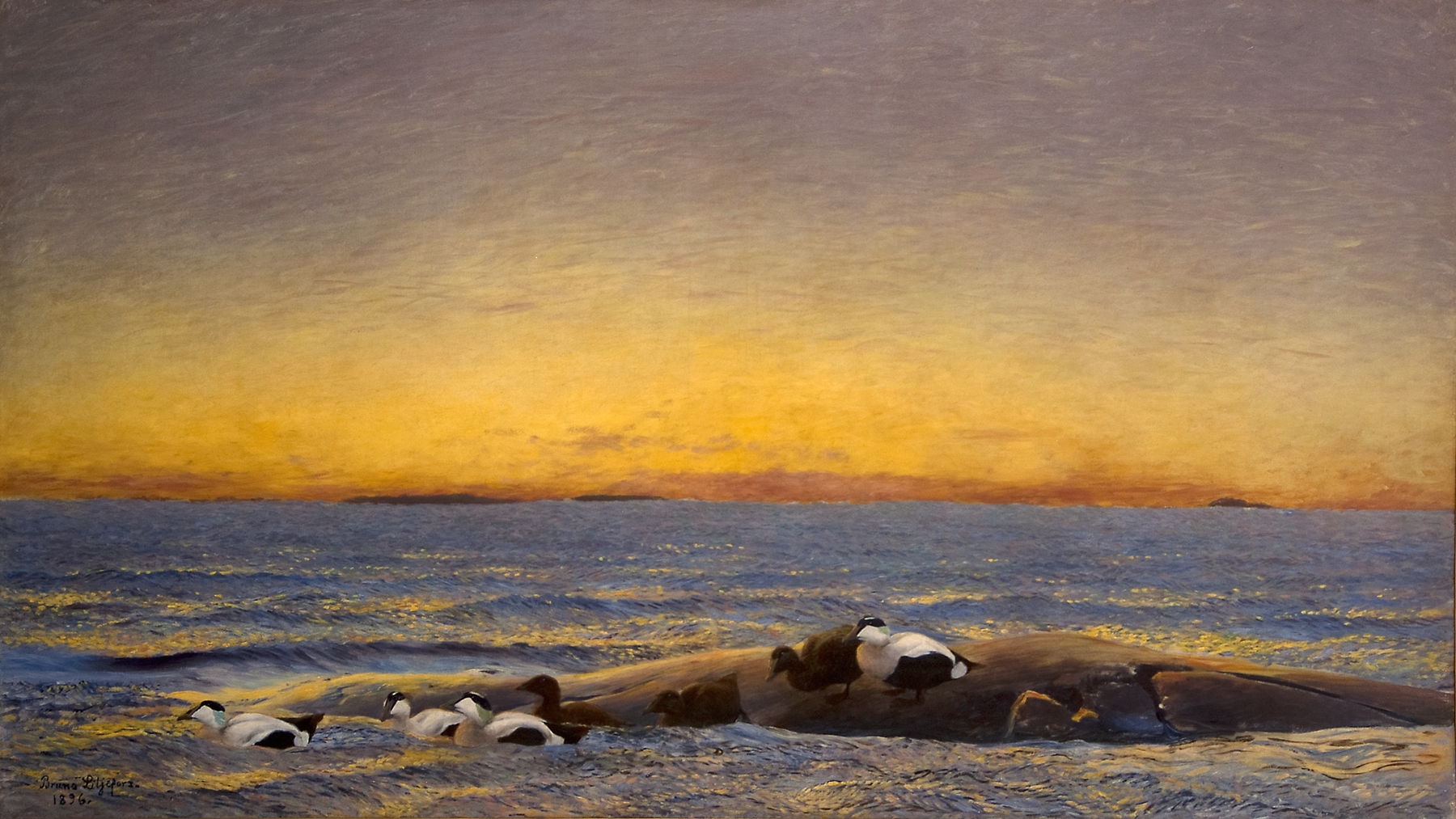
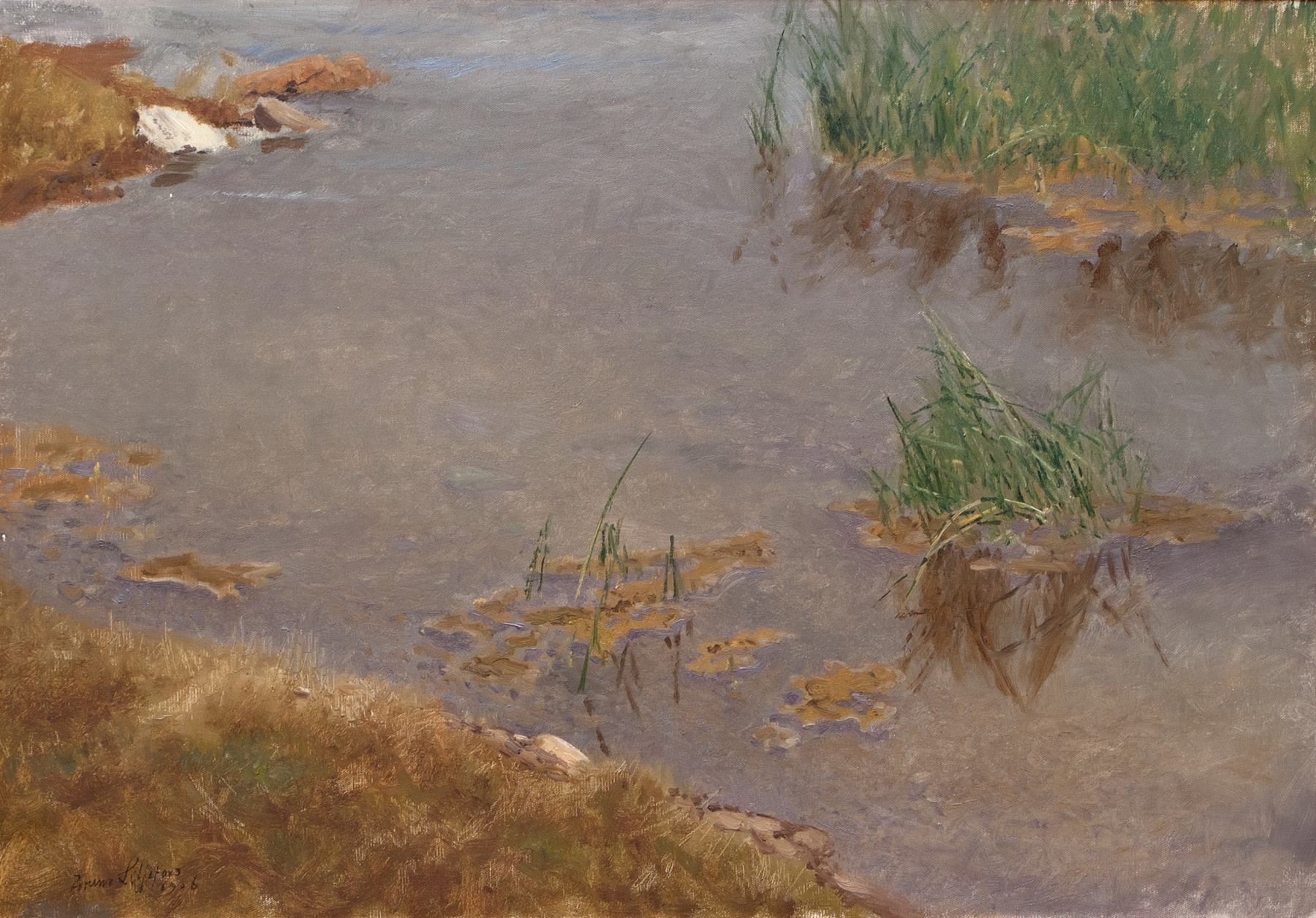
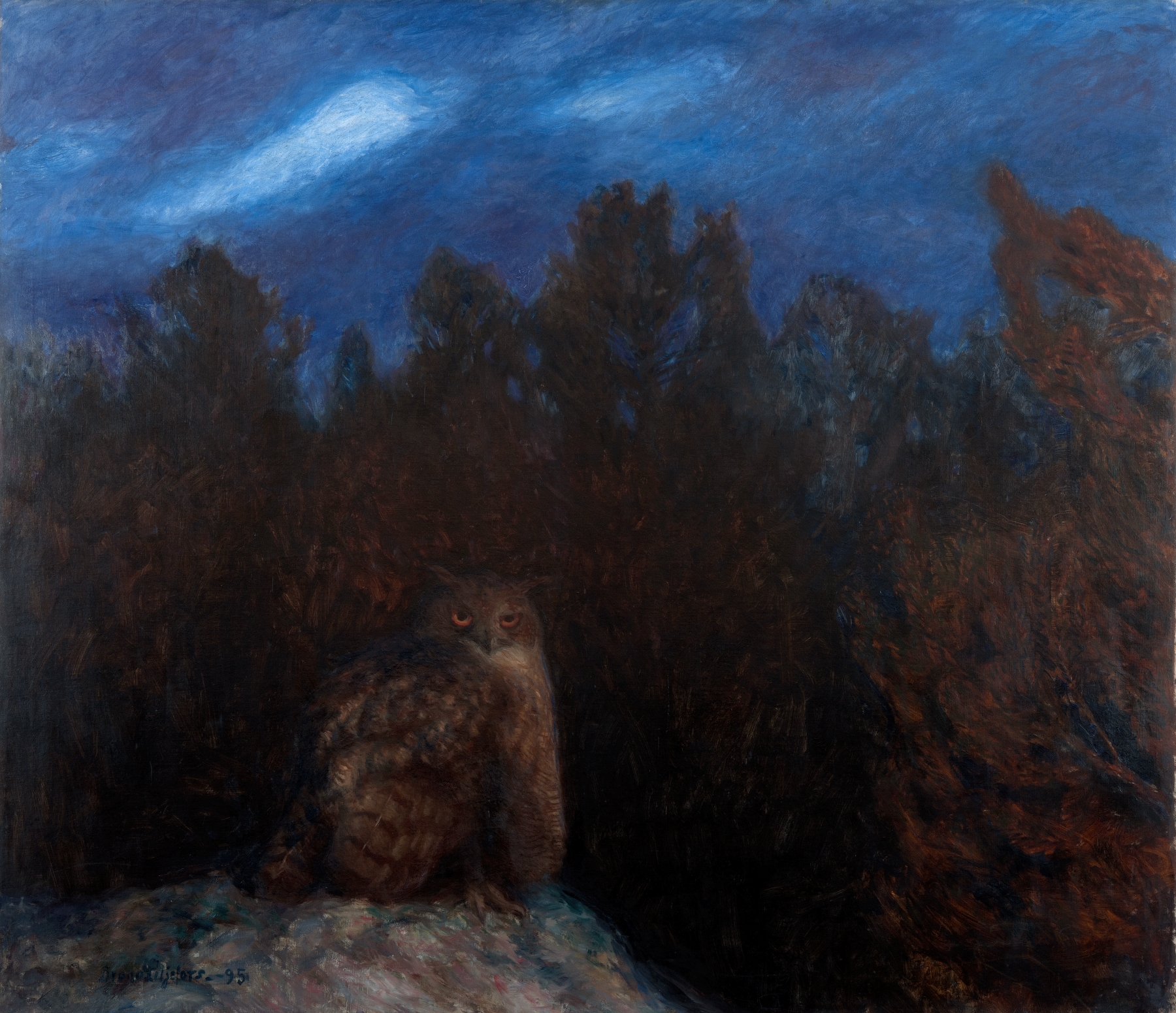
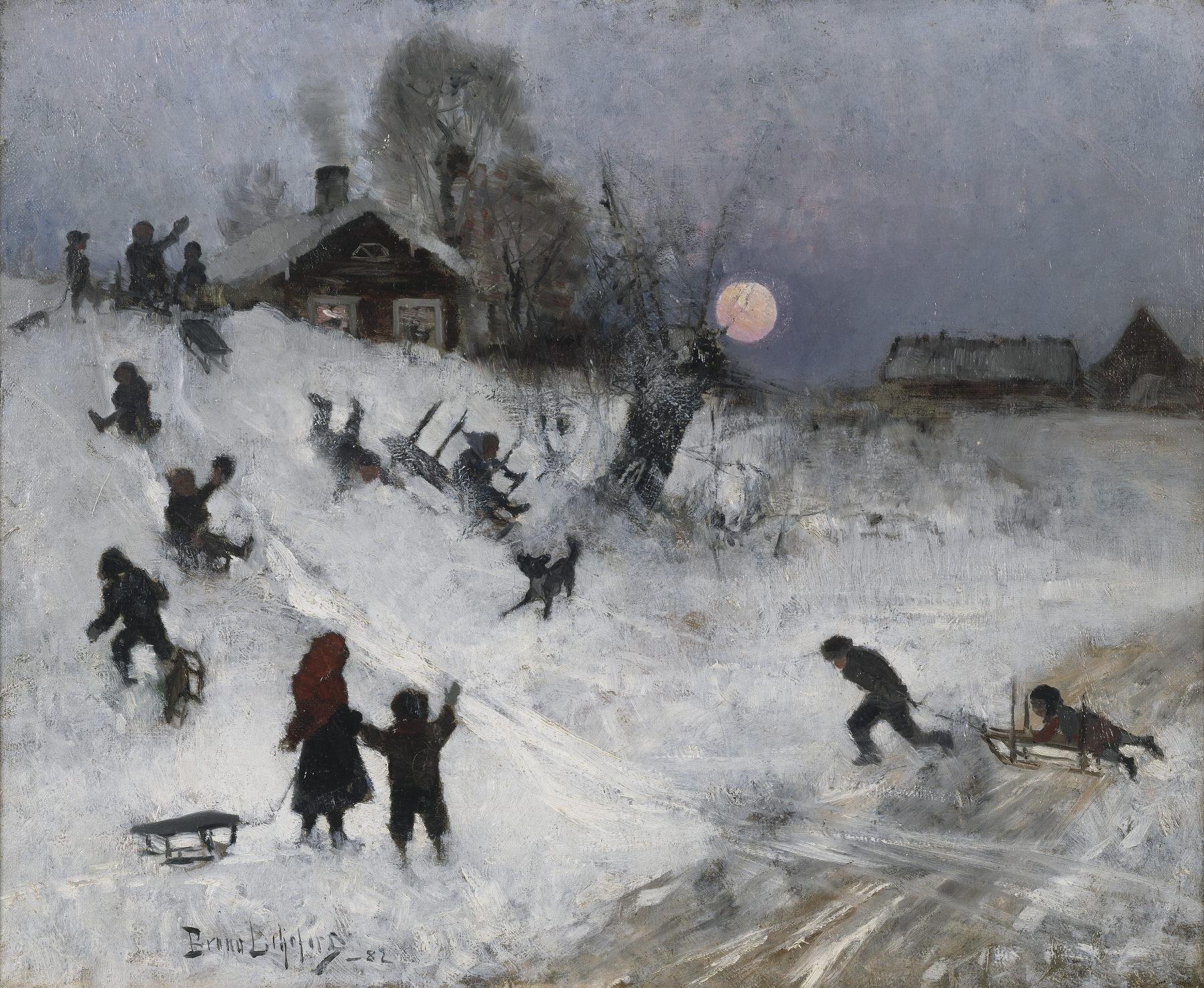
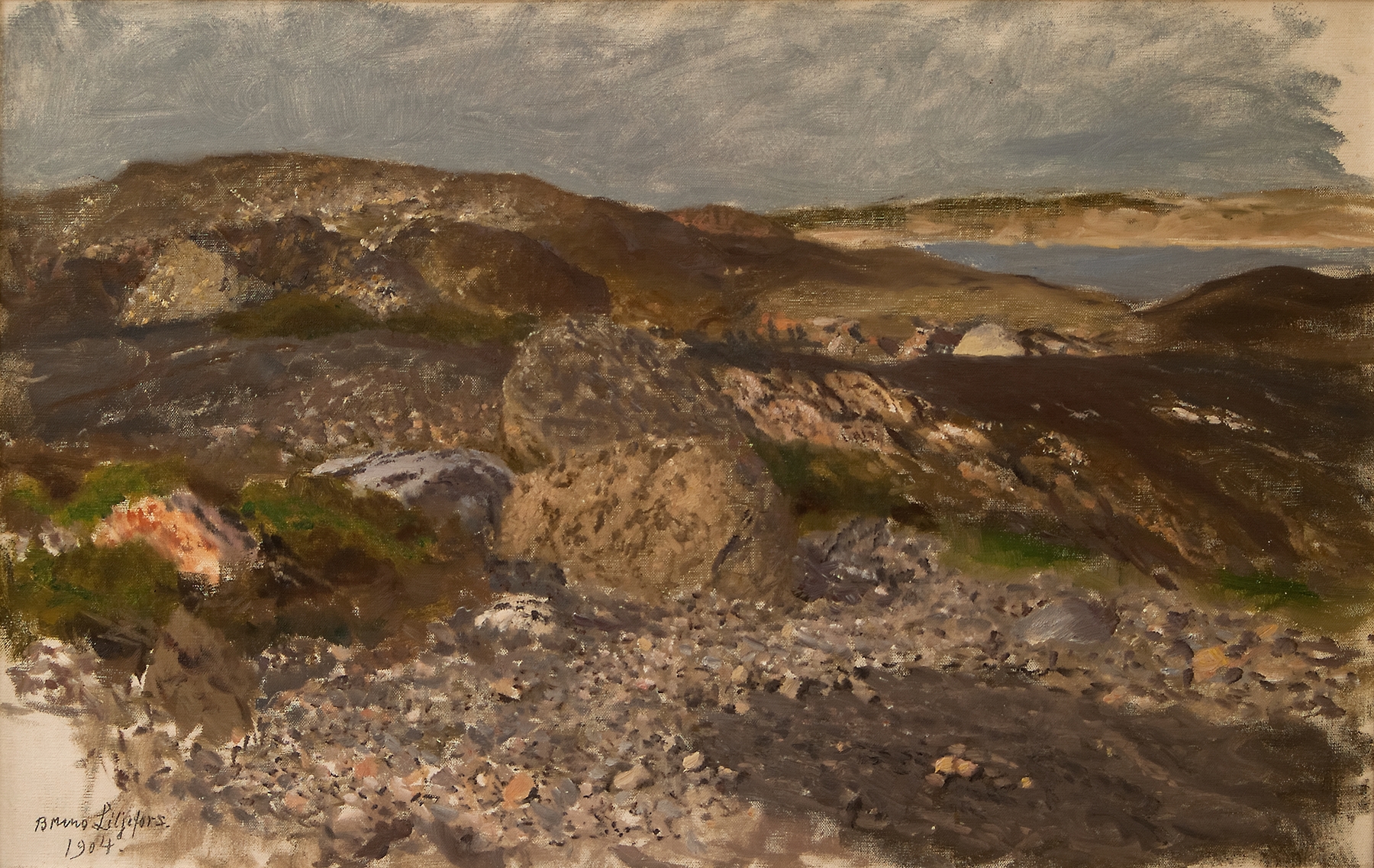
“Under the brush, chaos becomes grace.” In the hush of dawn, beauty emerges, revealing the delicate balance of life amid nature’s wildness. As you gaze upon the canvas, focus first on the soft interplay of colors that blend seamlessly into a tranquil morning sky. Notice how the gentle light bathes the landscape, illuminating a serene scene alive with birds in mid-flight and the subtle stirrings of awakening flora. The artist’s use of warm hues invites warmth and comfort, while the cool blues of the horizon whisper the promise of a new day.
Each stroke, layered with intention, captures the essence of life’s beauty in its most fleeting moments. Look closely, and you’ll discover hidden stories within the details. The feathered creatures, poised in their graceful movements, symbolize freedom and the unyielding spirit of nature. The lush vegetation, with its vibrant greens and intricate textures, speaks to the cycles of life and renewal, challenging viewers to contemplate their own connection to the natural world.
The harmonious composition draws the eye across the canvas, revealing a harmonious coexistence, a tranquil dance between chaos and serenity. In 1894, the artist created this piece while navigating the evolving landscape of Swedish art, marked by a movement toward naturalism. Living in a time when impressionism was gaining global recognition, he sought to capture ephemeral moments that spoke to the heart of humanity. This painting reflects not only his deep appreciation for nature but also his commitment to demonstrating beauty through his masterful techniques, solidifying his place within the pantheon of notable artists of his time.