Vinterhare Bland Tuvor (The Snow Hare) — History & Analysis
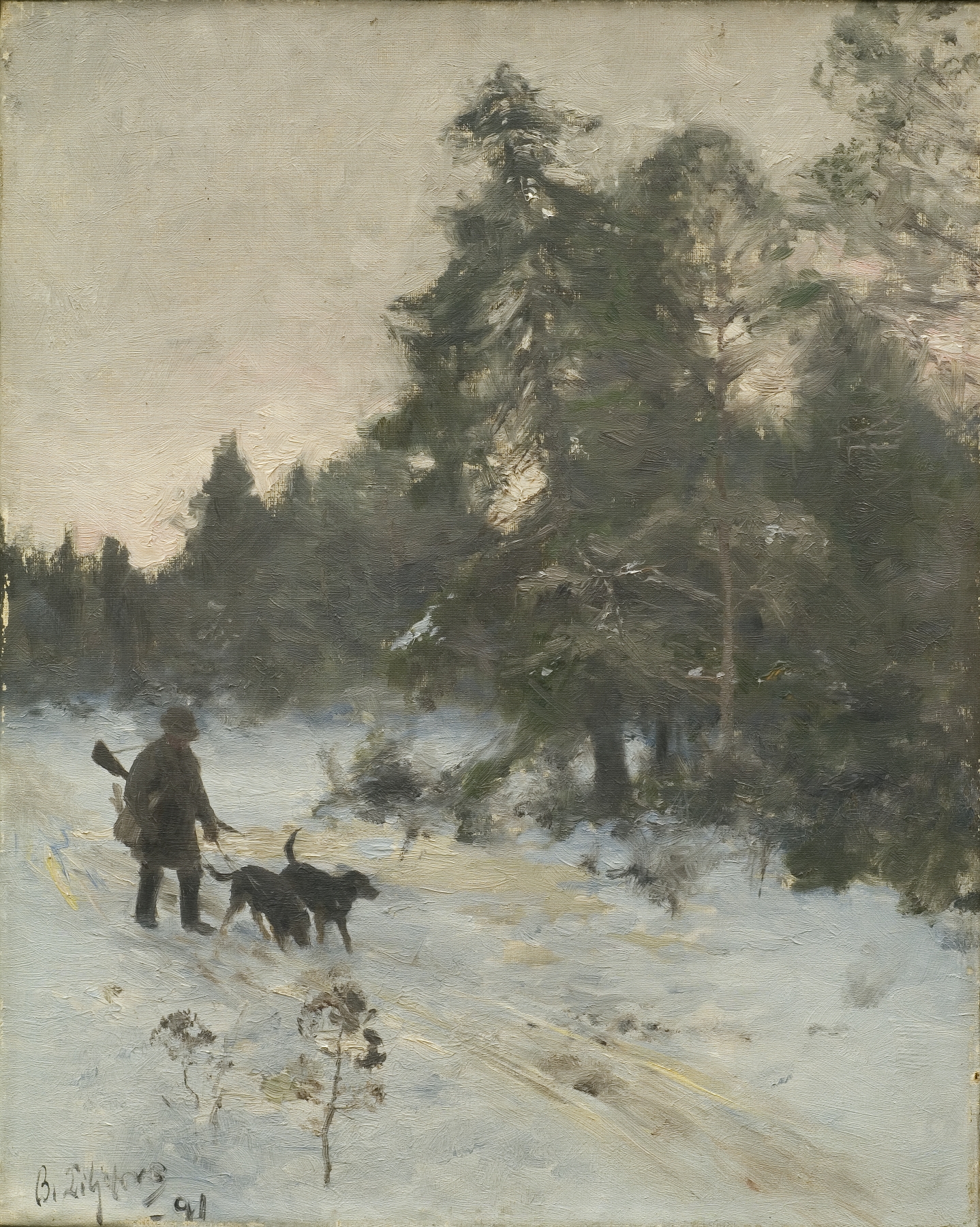
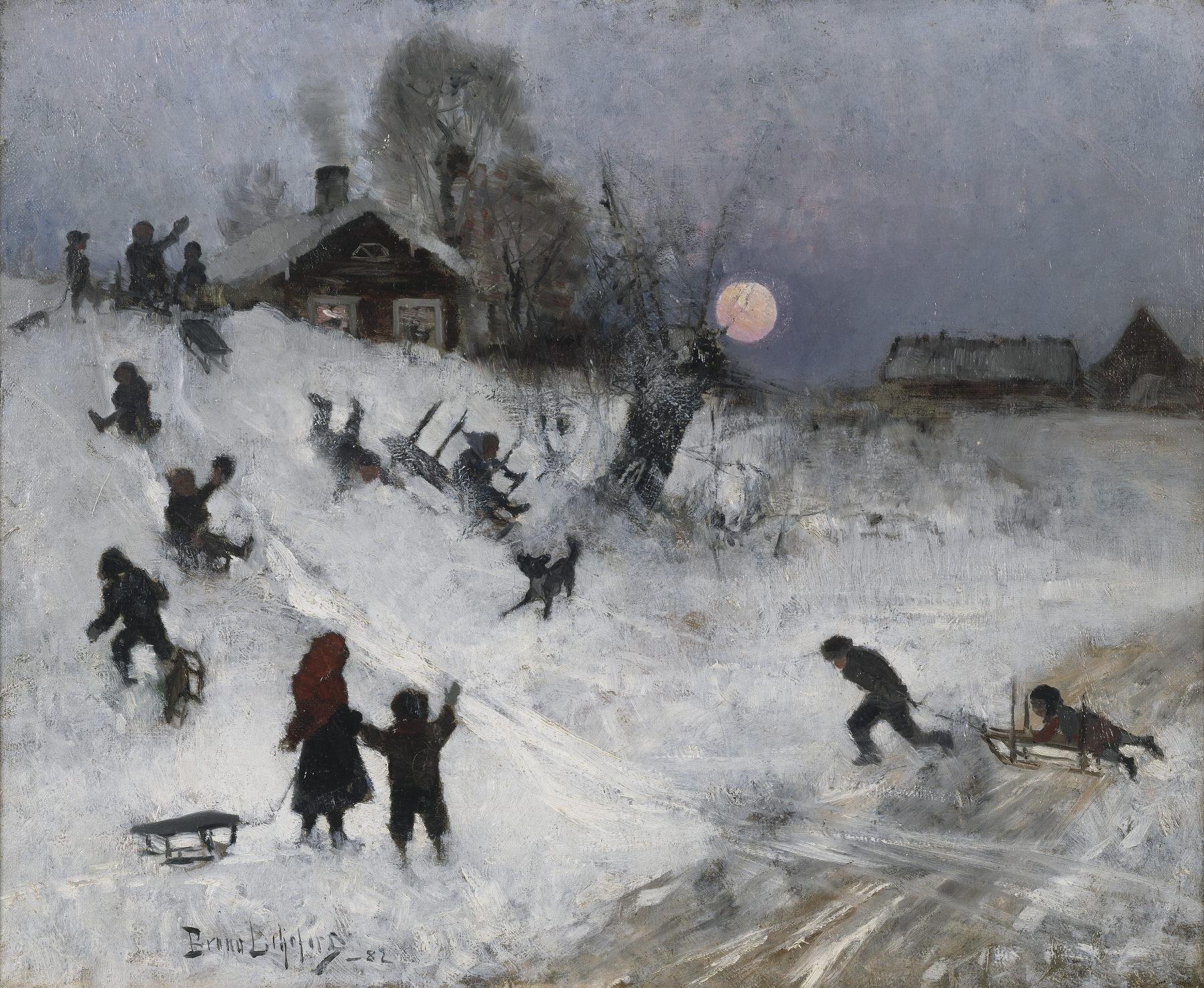
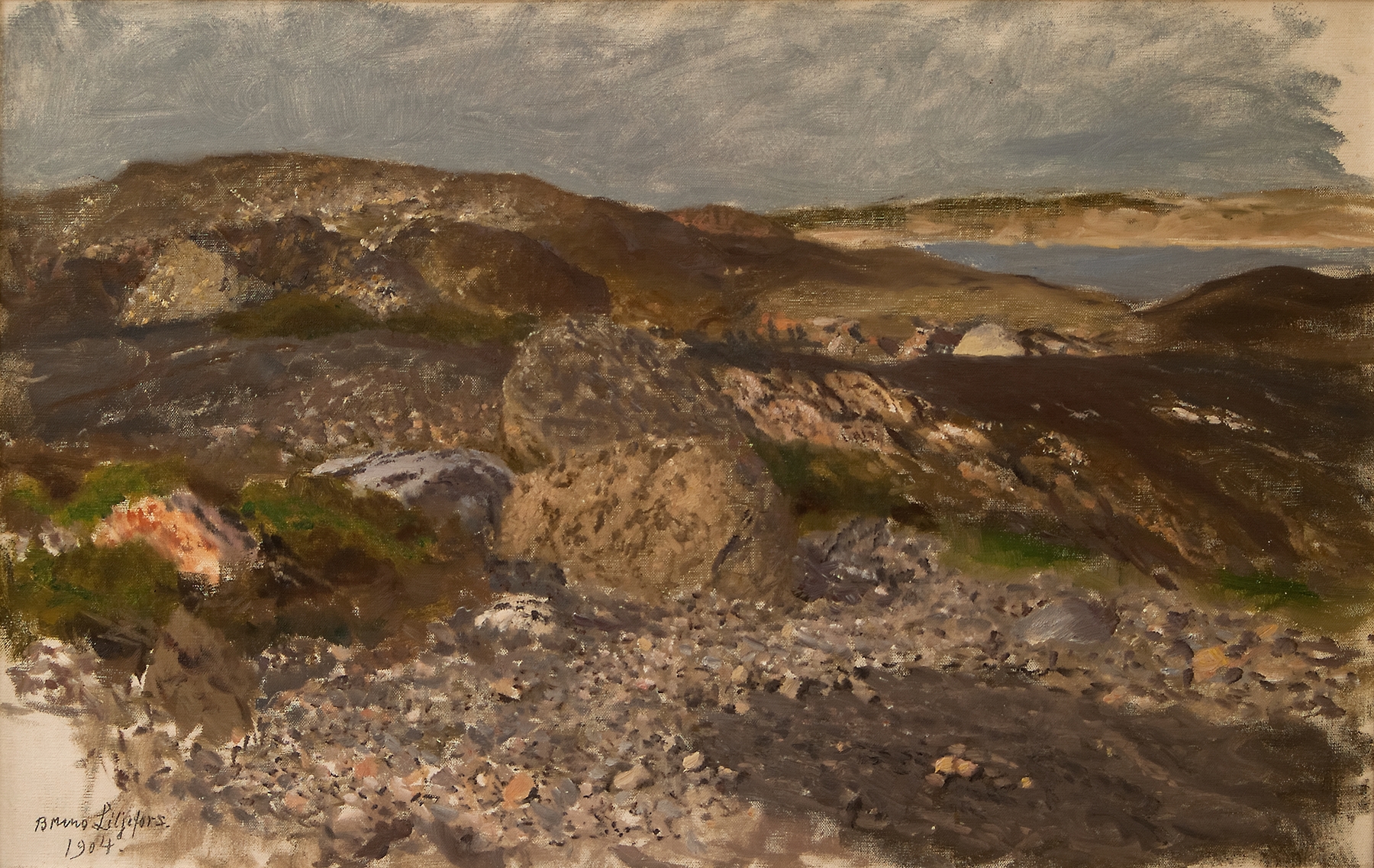
Could a single brushstroke hold eternity? In Vinterhare Bland Tuvor, the fleeting moment of a snow hare nestled among tufts of grass becomes a timeless meditation on the delicate dance between existence and illusion. Look closely at the soft white fur of the hare, almost blending seamlessly into the snowy landscape. Your gaze is drawn first to the creature’s piercing eyes, which hold a quiet wisdom amid the surrounding silence. Notice how the artist masterfully uses varying shades of white and gray, juxtaposed with the muted earth tones of the earth, to create a striking contrast that brings the hare to life.
The delicate brushwork gives the impression of softness, inviting you to reach out and touch the very essence of this serene moment. Beyond the immediate beauty, the painting evokes feelings of vulnerability and survival. The hare, both a ghost and a guardian of winter, symbolizes the fragility of life amidst harsh conditions. The tufts of grass peeking through the snow suggest resilience, hinting at the hidden struggles of nature.
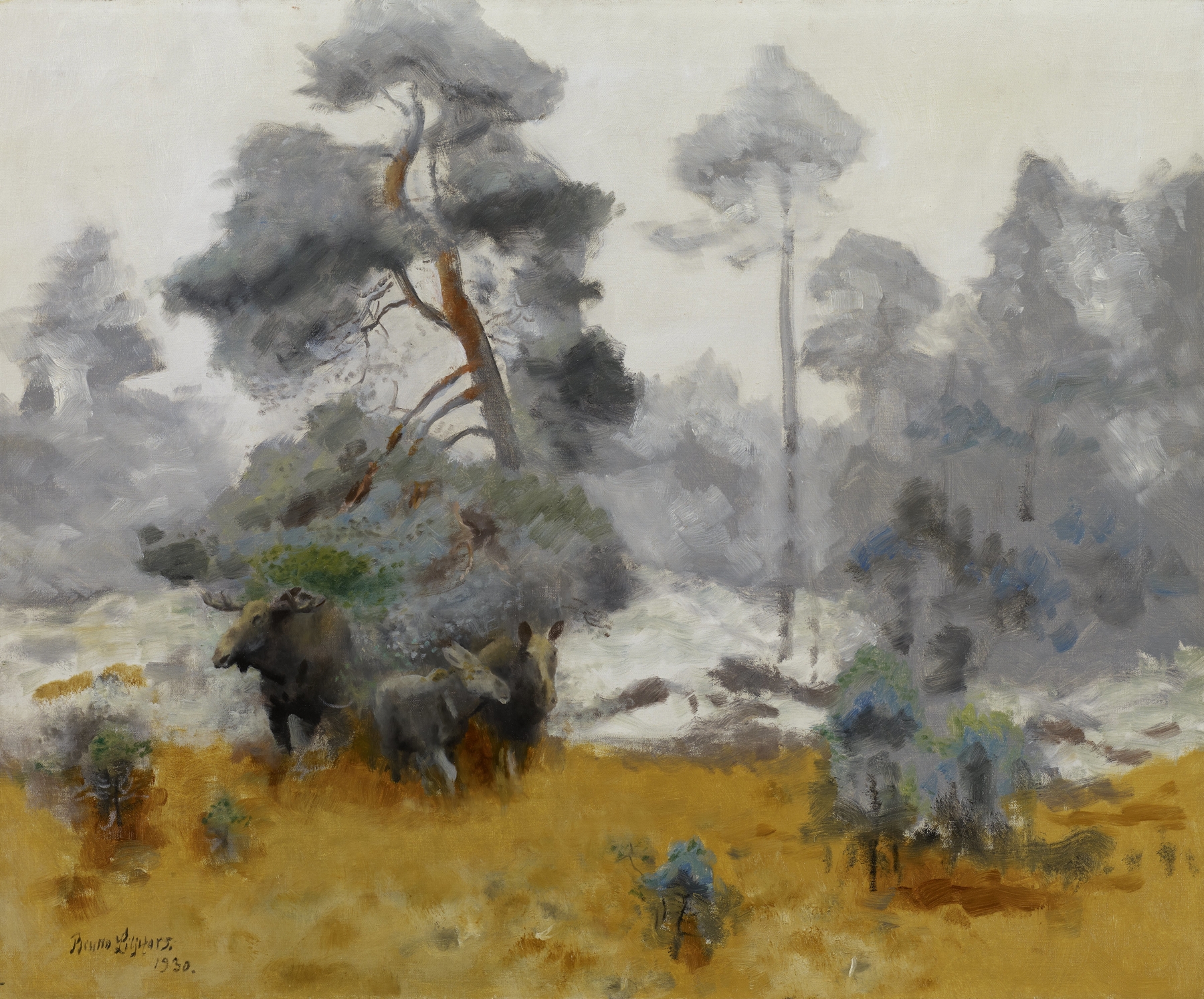
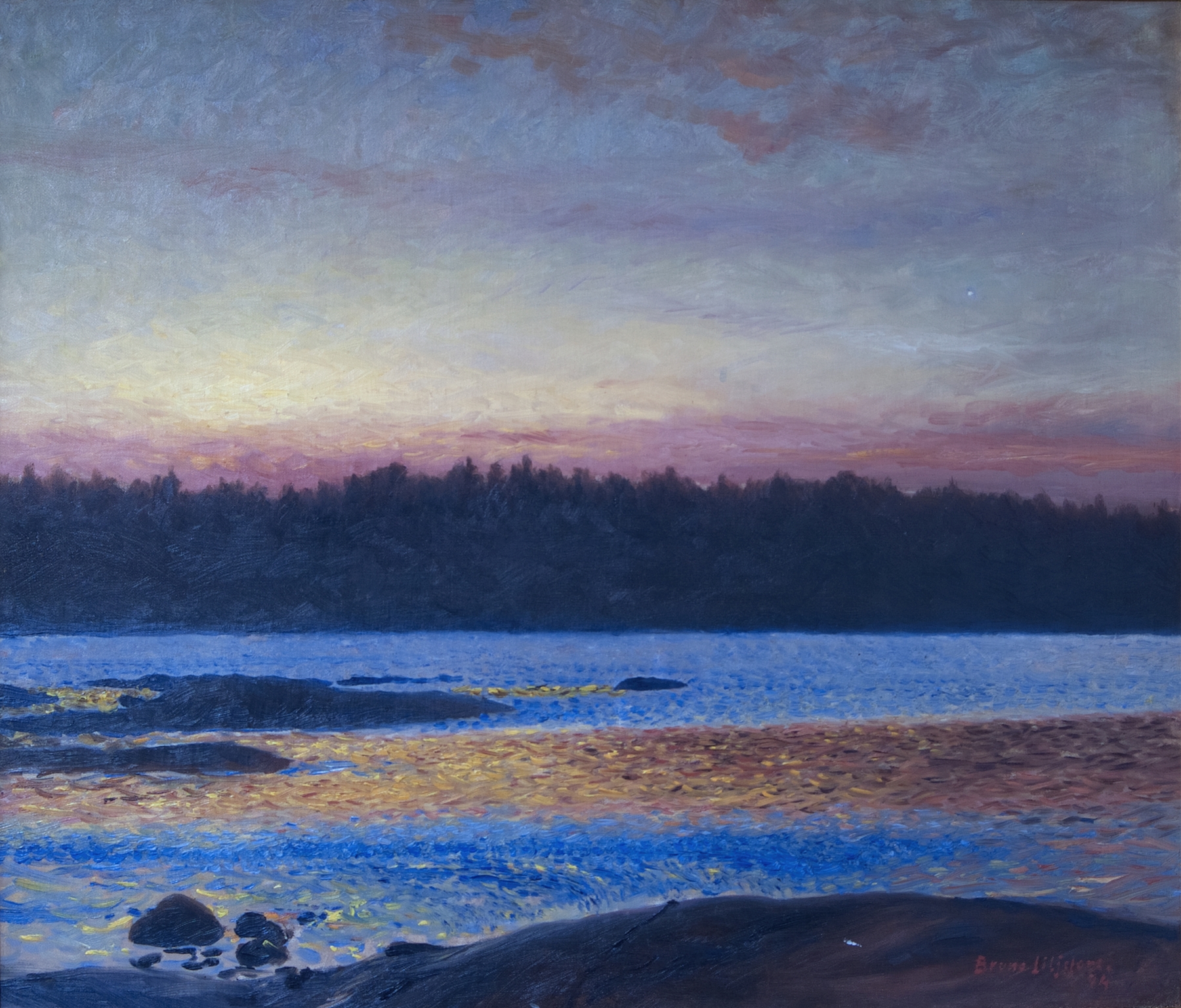
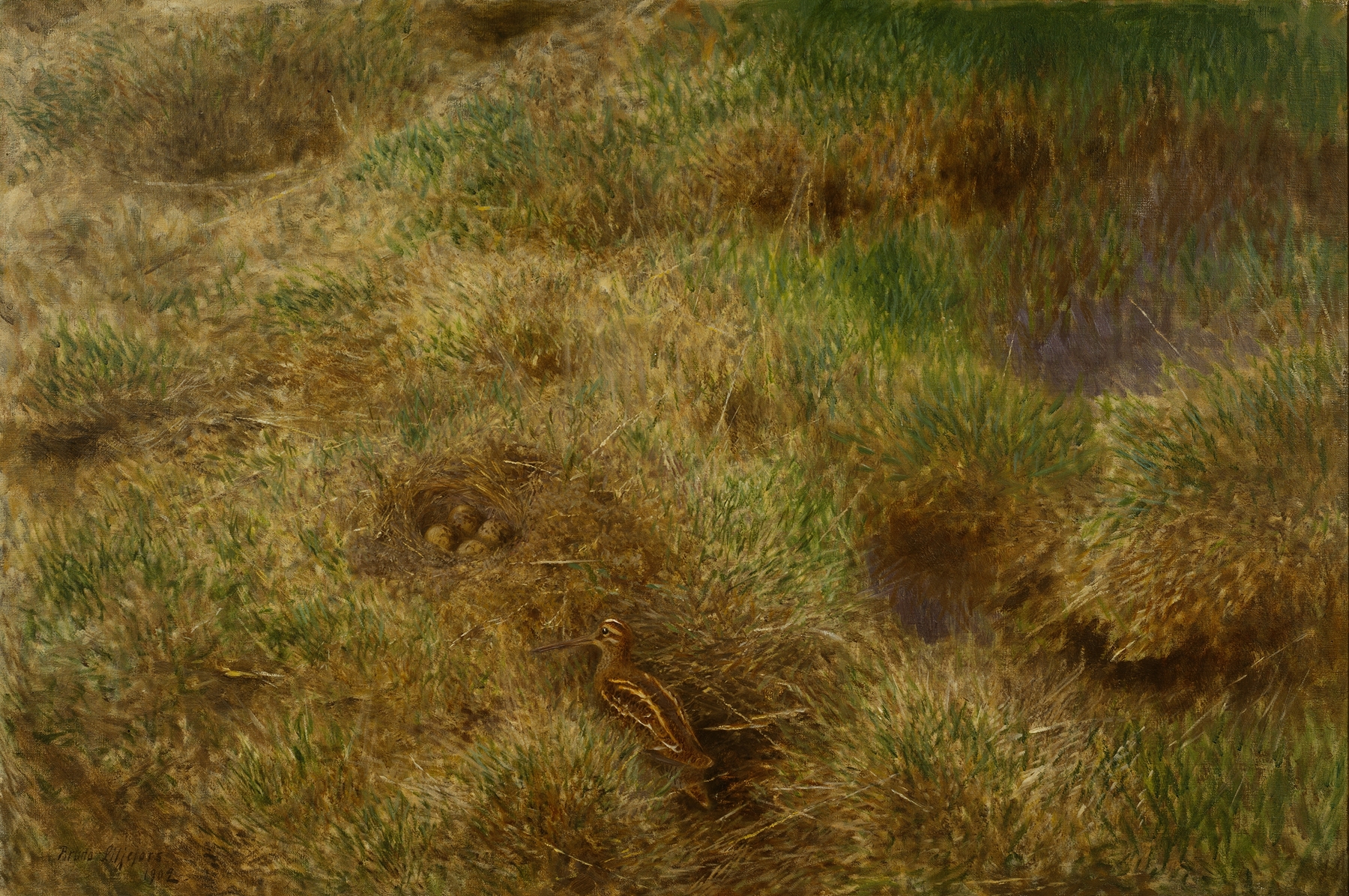
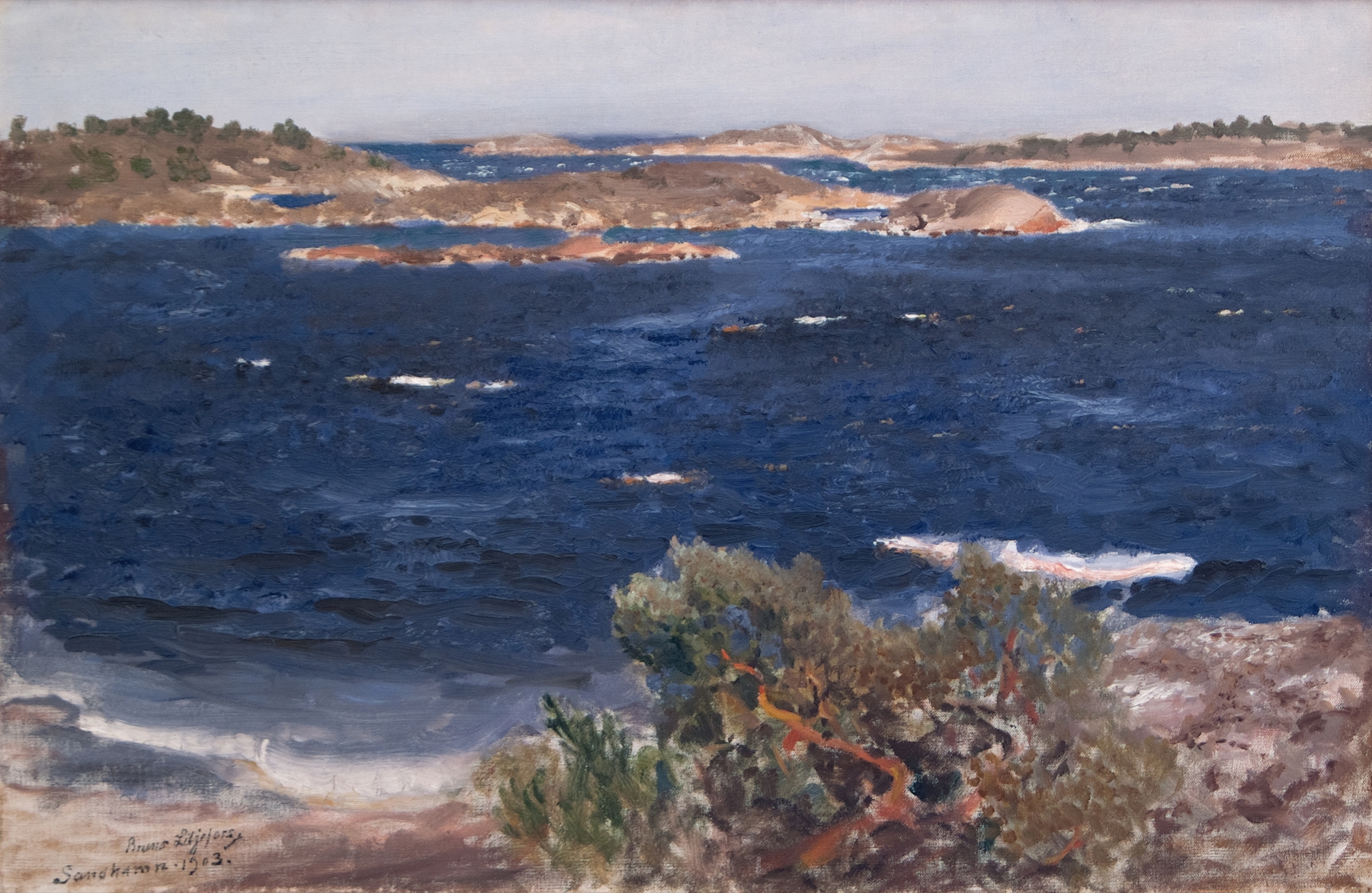
The interplay of light and shadow reveals the tension between visibility and concealment, as if the hare both reveals and hides itself in this quiet sanctuary. Bruno Liljefors painted Vinterhare Bland Tuvor in 1906 while living in Sweden, amidst a burgeoning interest in naturalism within the art world. His dedication to wildlife painting was part of a larger movement that sought to depict the beauty of nature with authenticity and depth. At this time, he was gaining recognition for his ability to capture the essence of animals in their habitats, solidifying his legacy in Swedish landscape art.