Rocky Ground — History & Analysis
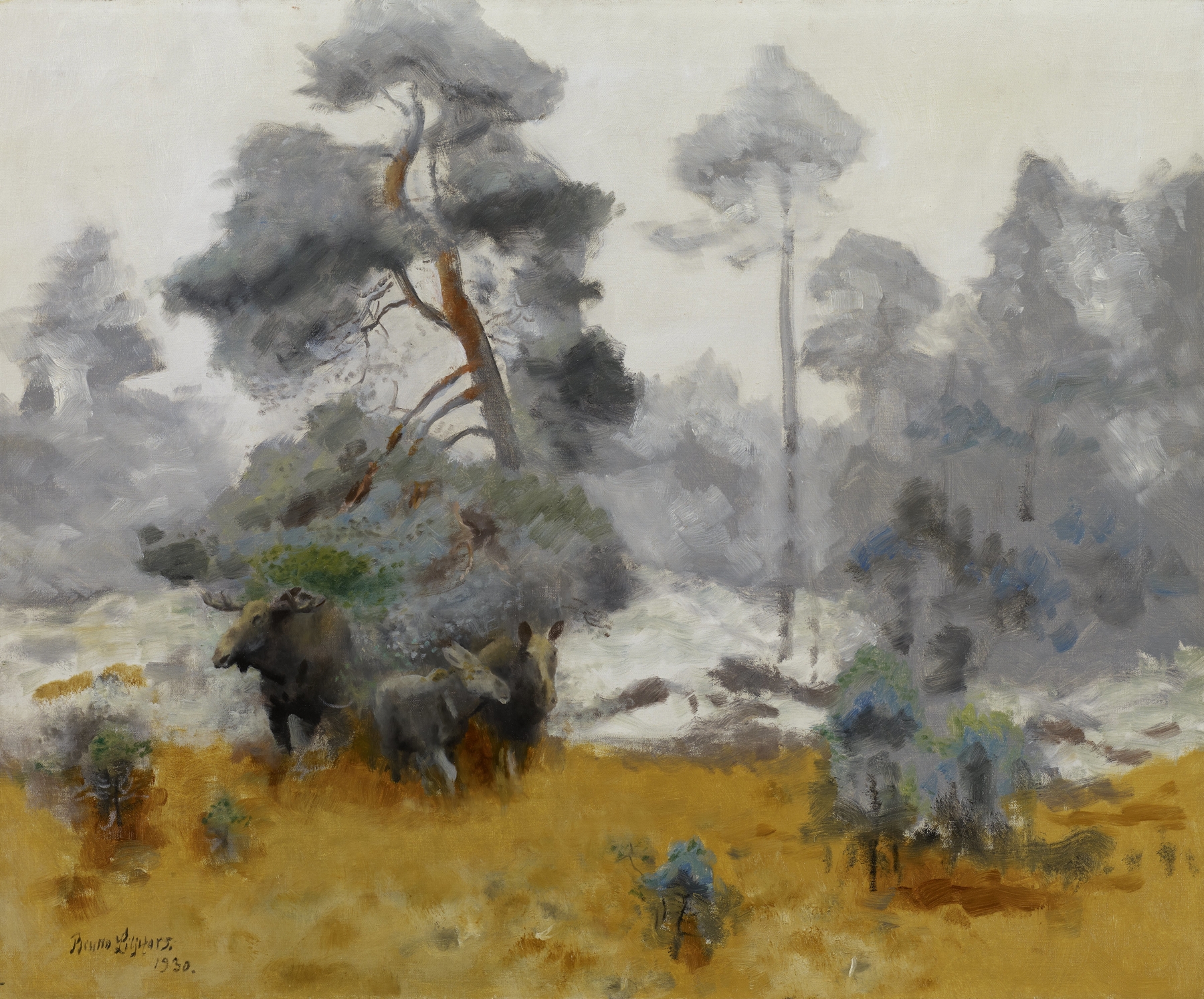
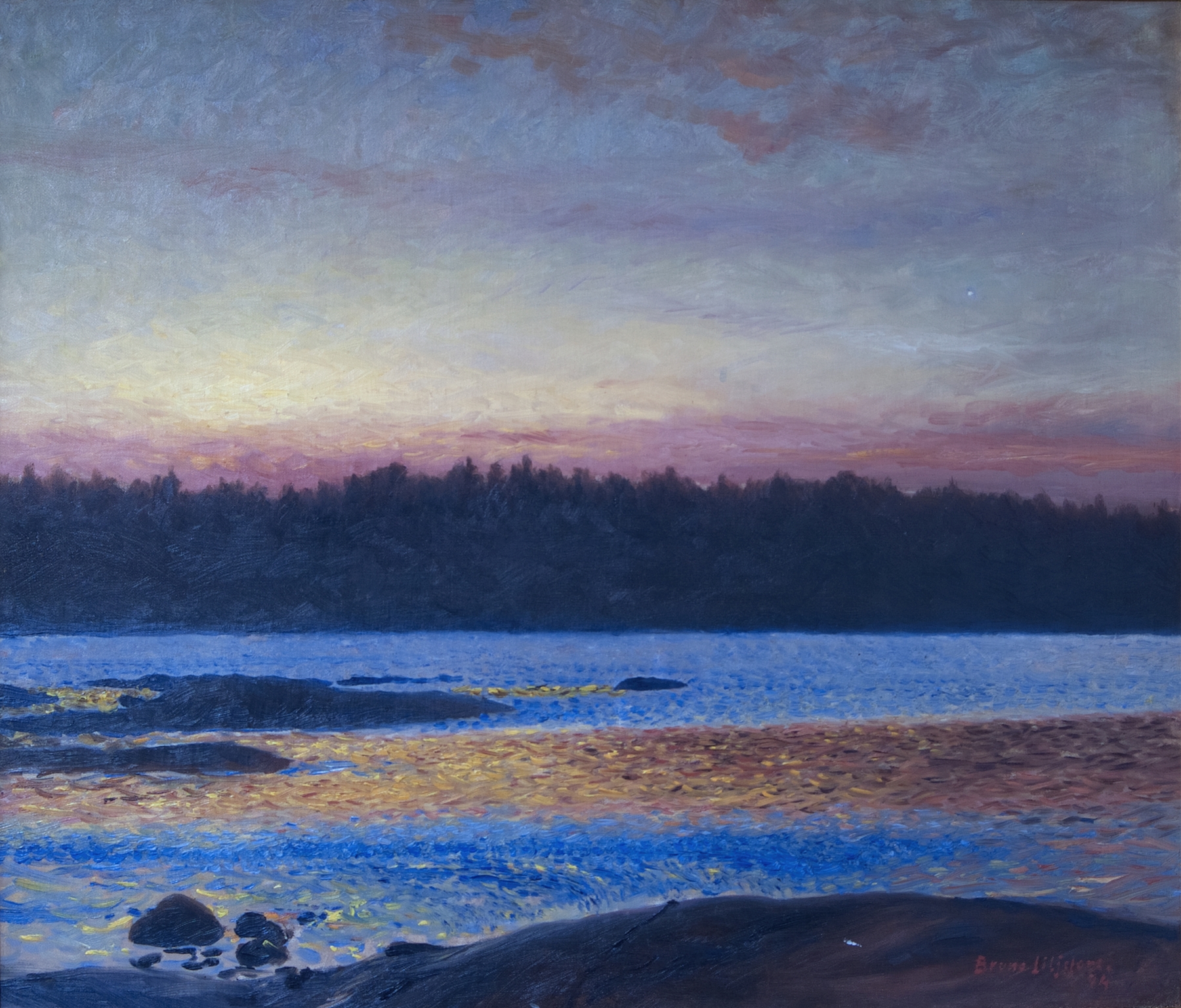
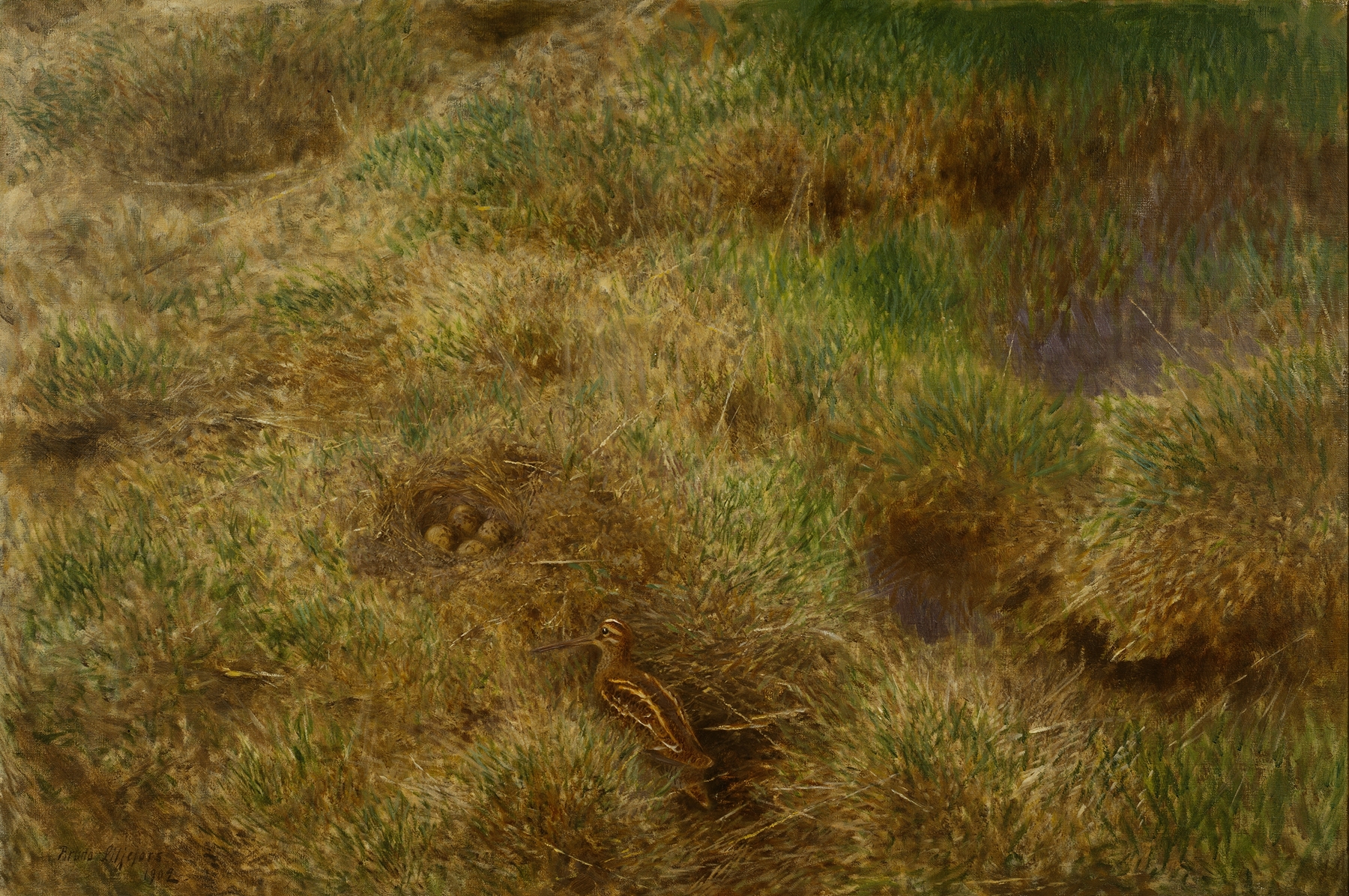
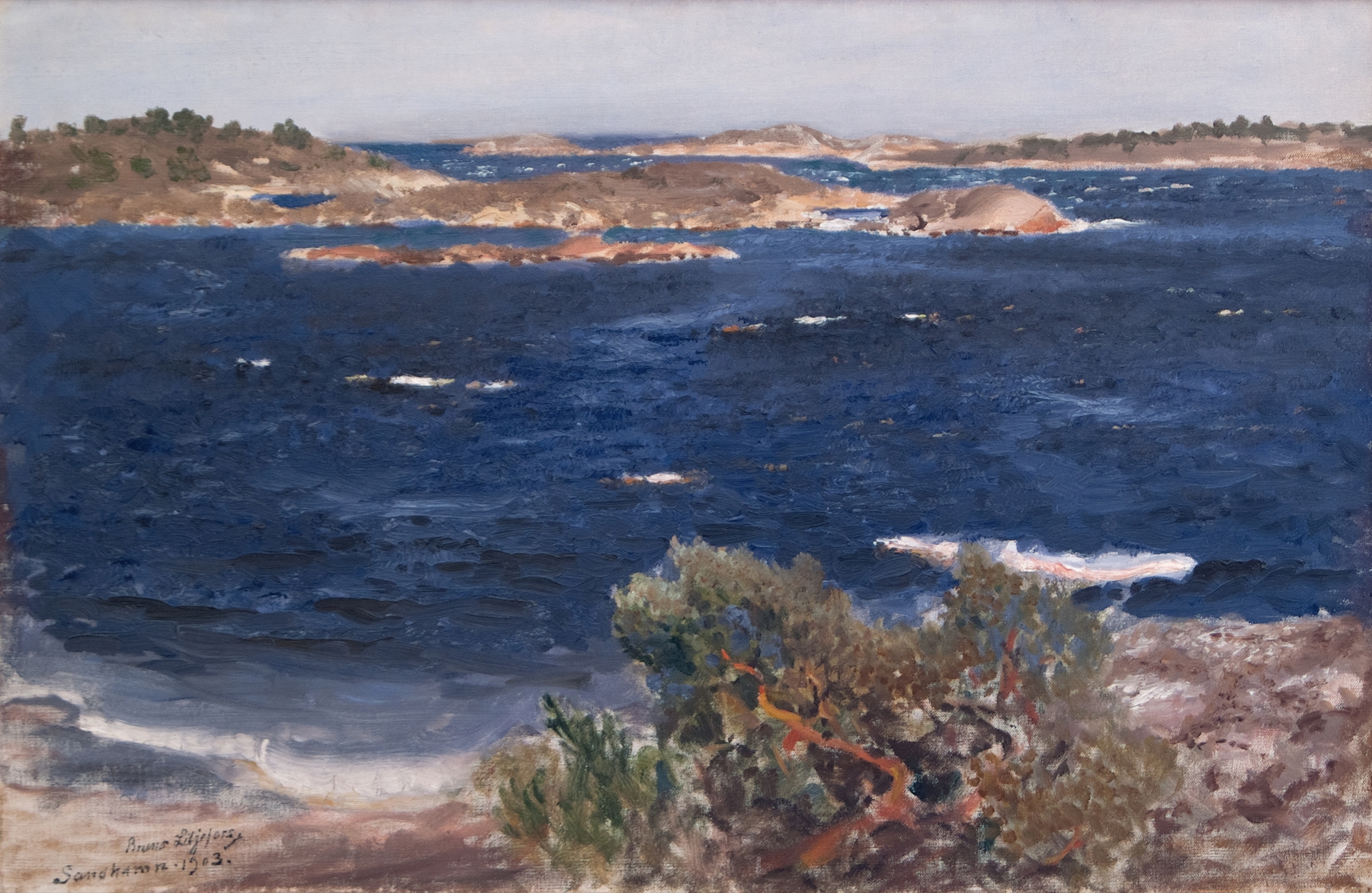
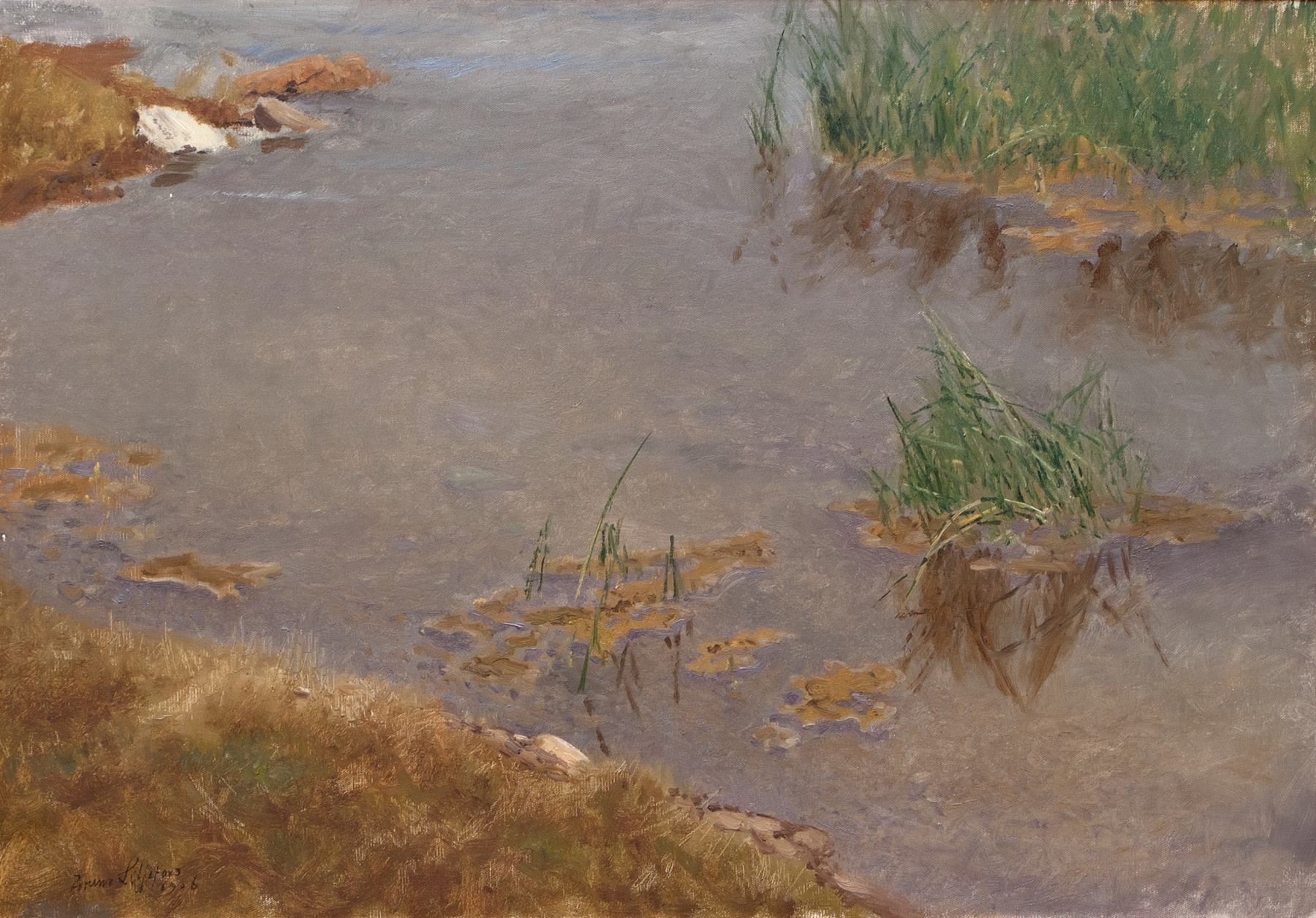
“Between color and silence, truth hides.” This sentiment resonates deeply within the layered realities of existence and the legacies we inherit. In the stillness of the natural world, we find not just beauty, but poignant echoes of what has come before. Look closely at the composition, where the rocky terrain stretches across the canvas, beckoning the viewer's gaze. Notice how the muted earth tones of browns and grays are punctuated by fleeting hints of vibrant green, suggesting a life force clinging to a harsh landscape.
The brushwork is both delicate and bold, capturing the rugged textures of the ground, while the subtle gradations of light play across the surface, creating depth and inviting contemplation. In the interplay of light and shadow, one can sense the tension between resilience and struggle. Each blade of grass stands defiantly amidst the stones, symbolizing endurance against adversity. The contrasts—between the roughness of the rocks and the gentleness of nature—speak to the complexities of survival and the legacies that shape our understanding of perseverance.
Bruno Liljefors painted Rocky Ground in 1904 during a transformative period in Sweden, marked by a growing appreciation for naturalism in art. At this time, the artist was deeply influenced by his surroundings and the changing dynamics of society. This work reflects his fascination with the wilderness, as well as a personal exploration of identity and legacy, capturing the intricate balance between beauty, struggle, and the earth itself.