Snipe’s Nest — History & Analysis
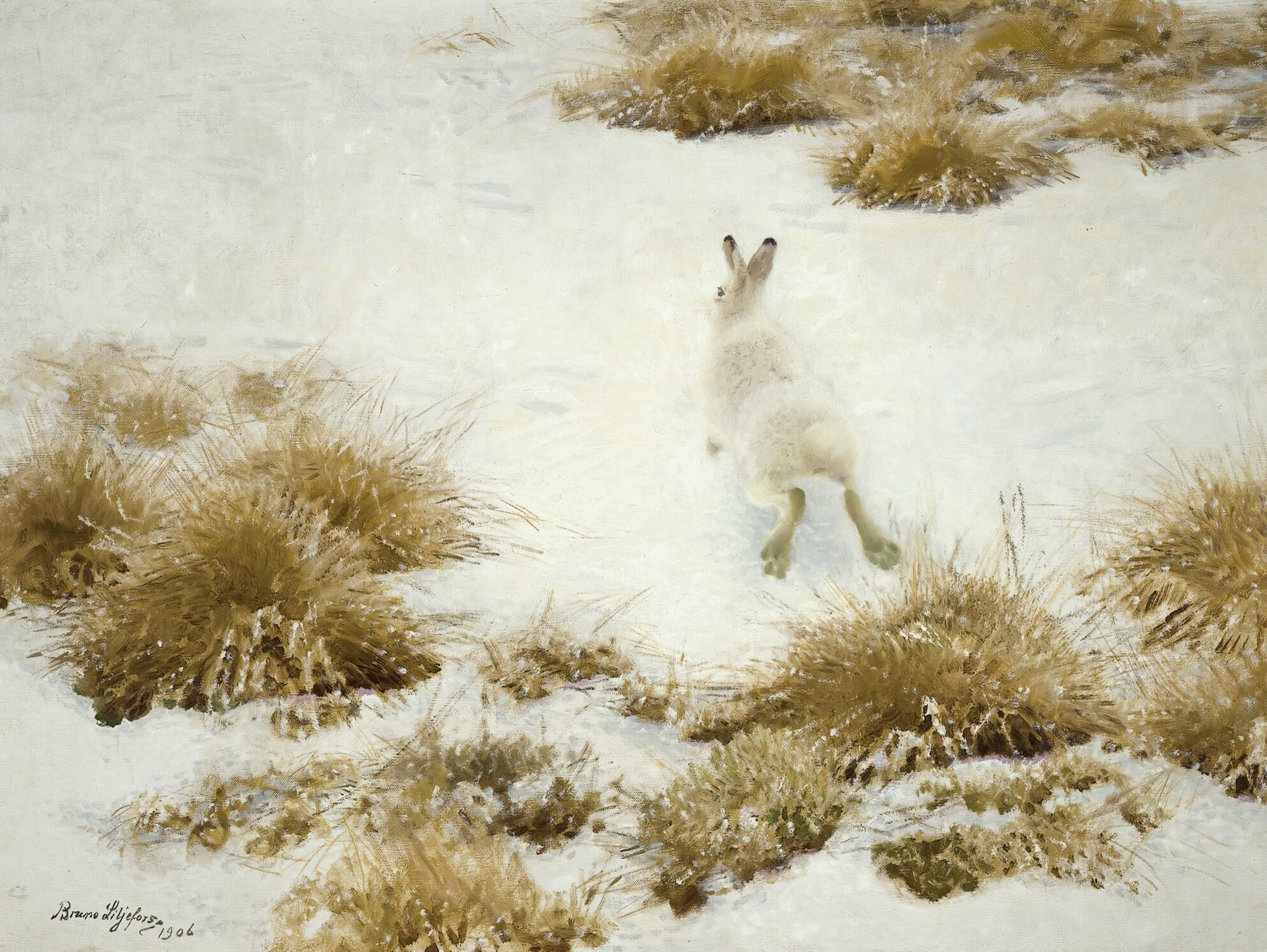
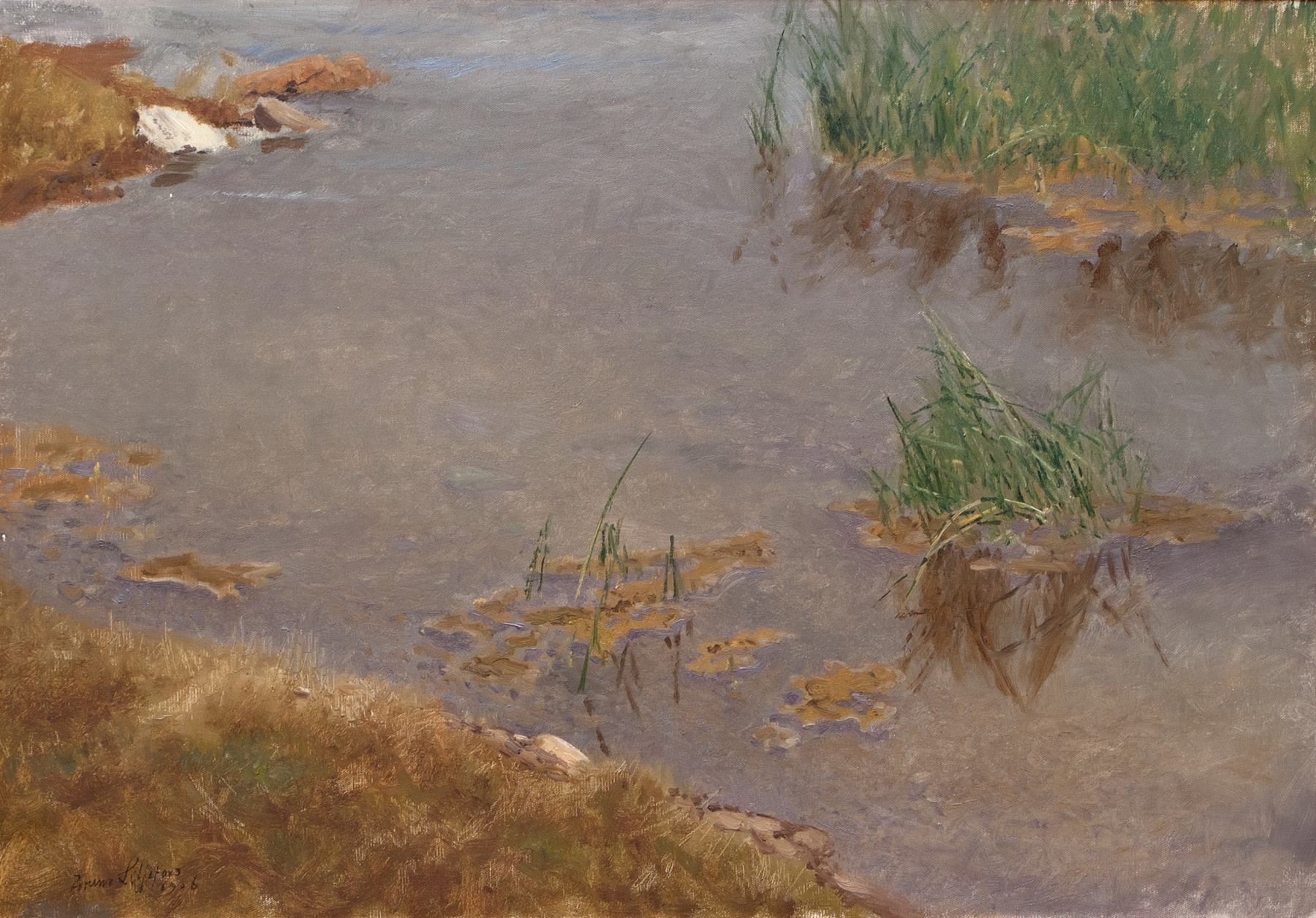
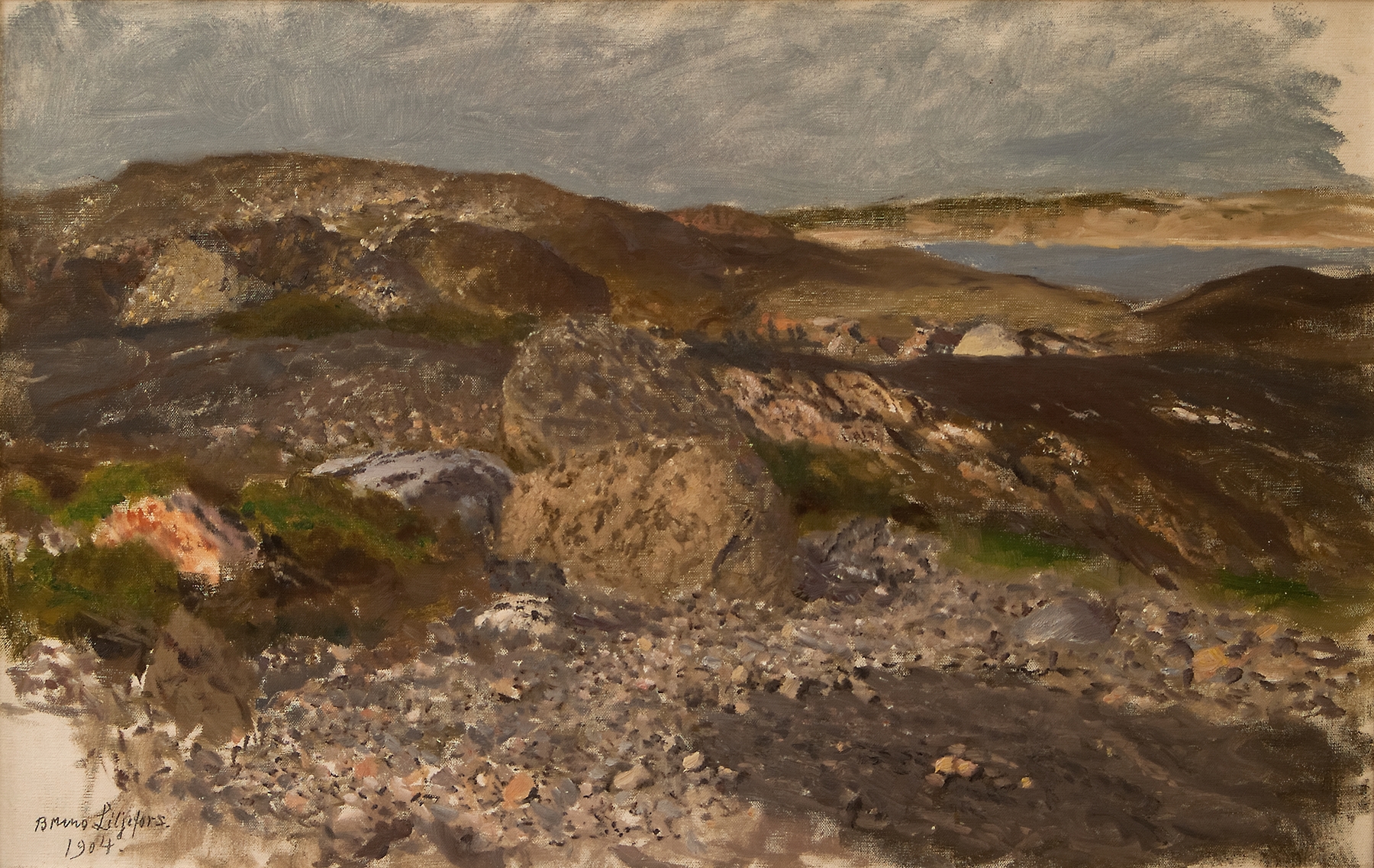
“Every silence here is a confession.” In the stillness of nature, a dream unfolds, whispering secrets of hidden corners and unseen lives. Focus on the serene expanse of muted greens and browns that envelops the viewer, inviting a deep breath of tranquility. The delicate strokes define the wild grasses bending gently in an unseen breeze, while soft light dapples the ground, revealing the hidden nest. Notice how the artist captures both the life and the stillness; the subtle interplay of shadow and light creates a sense of depth, drawing eyes toward the heart of the composition, where life quietly stirs.
Within this tranquil scene, the juxtaposition of vulnerability and protection resonates. The nest, cradled within its surroundings, embodies the fragility of existence, while the surrounding wilderness serves as both sanctuary and predator. Each brushstroke hints at a larger narrative — a moment suspended in time where nature’s rhythm pulsates with both hope and uncertainty, echoing the instinctual dance of survival amidst the silence.
Created in 1902, this piece emerged during a period when Liljefors was deeply engaged in exploring wildlife and the natural world, influenced by the burgeoning movement of naturalism in art. Living in Sweden, he was inspired by the rich landscapes that surrounded him, translating his observations into vivid depictions. This work reflects both his artistic journey and the broader cultural context, encapsulating the beauty and complexity of nature in a world still grappling with the impacts of industrialization.