Shallow Water — History & Analysis
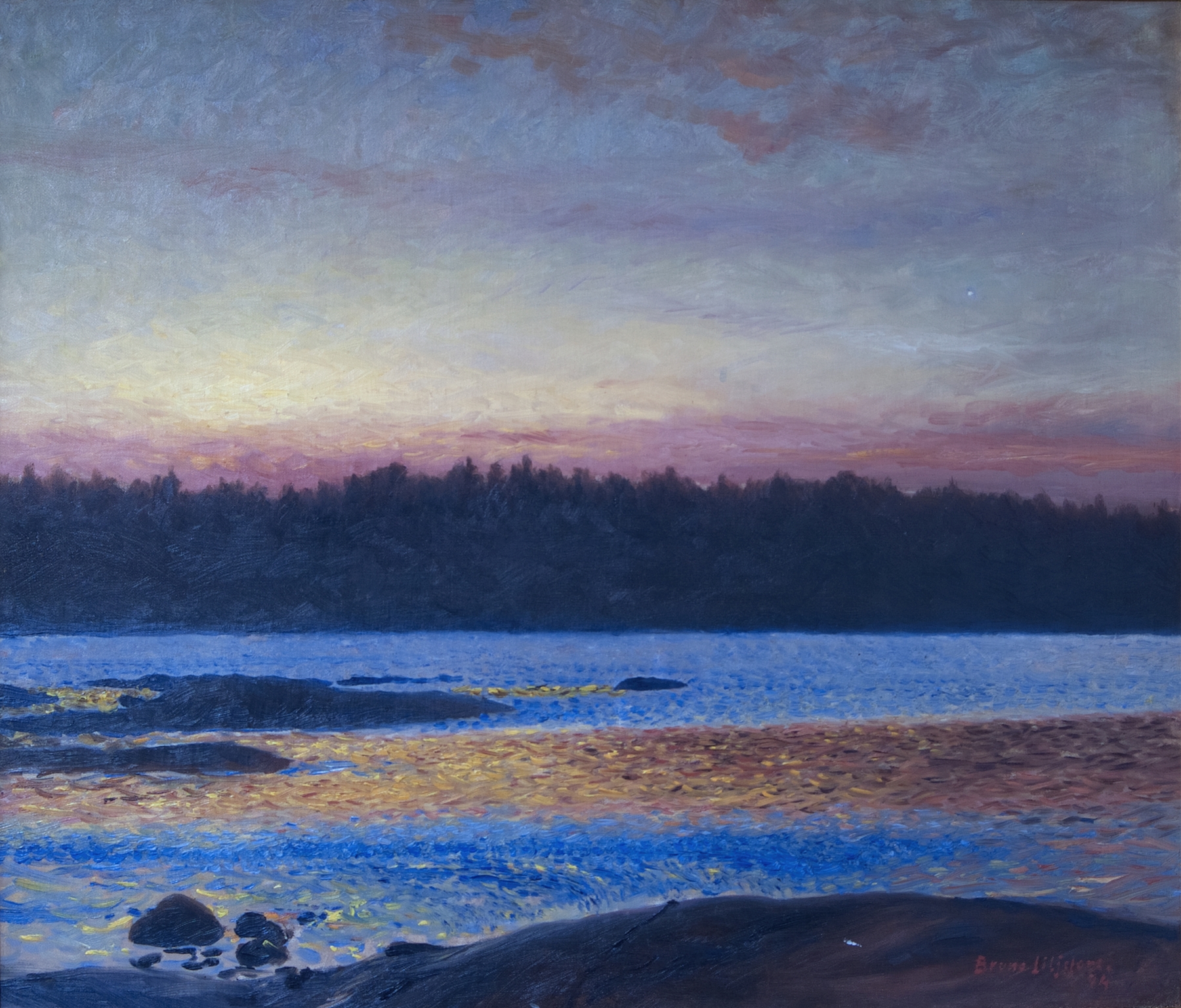
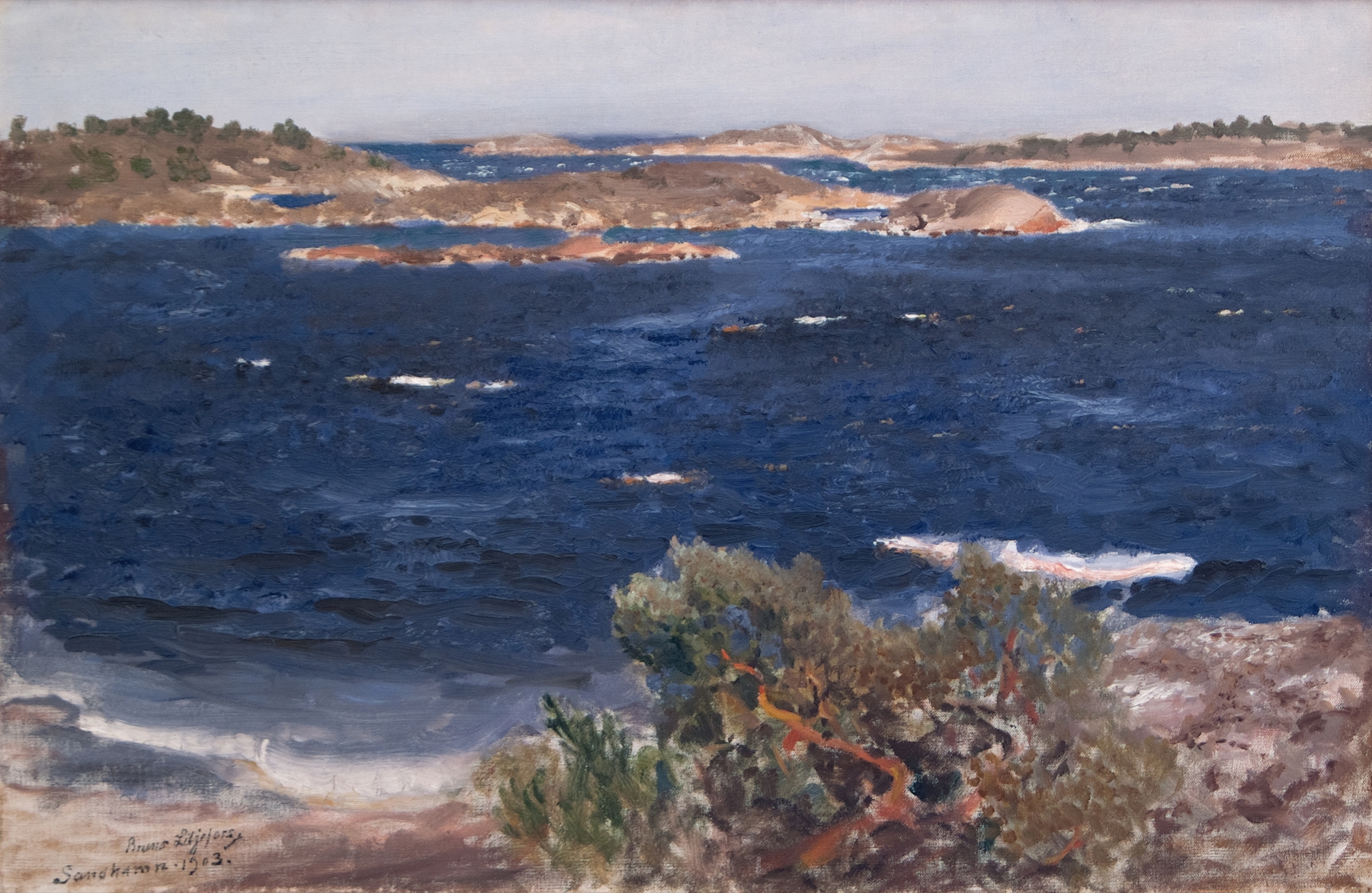
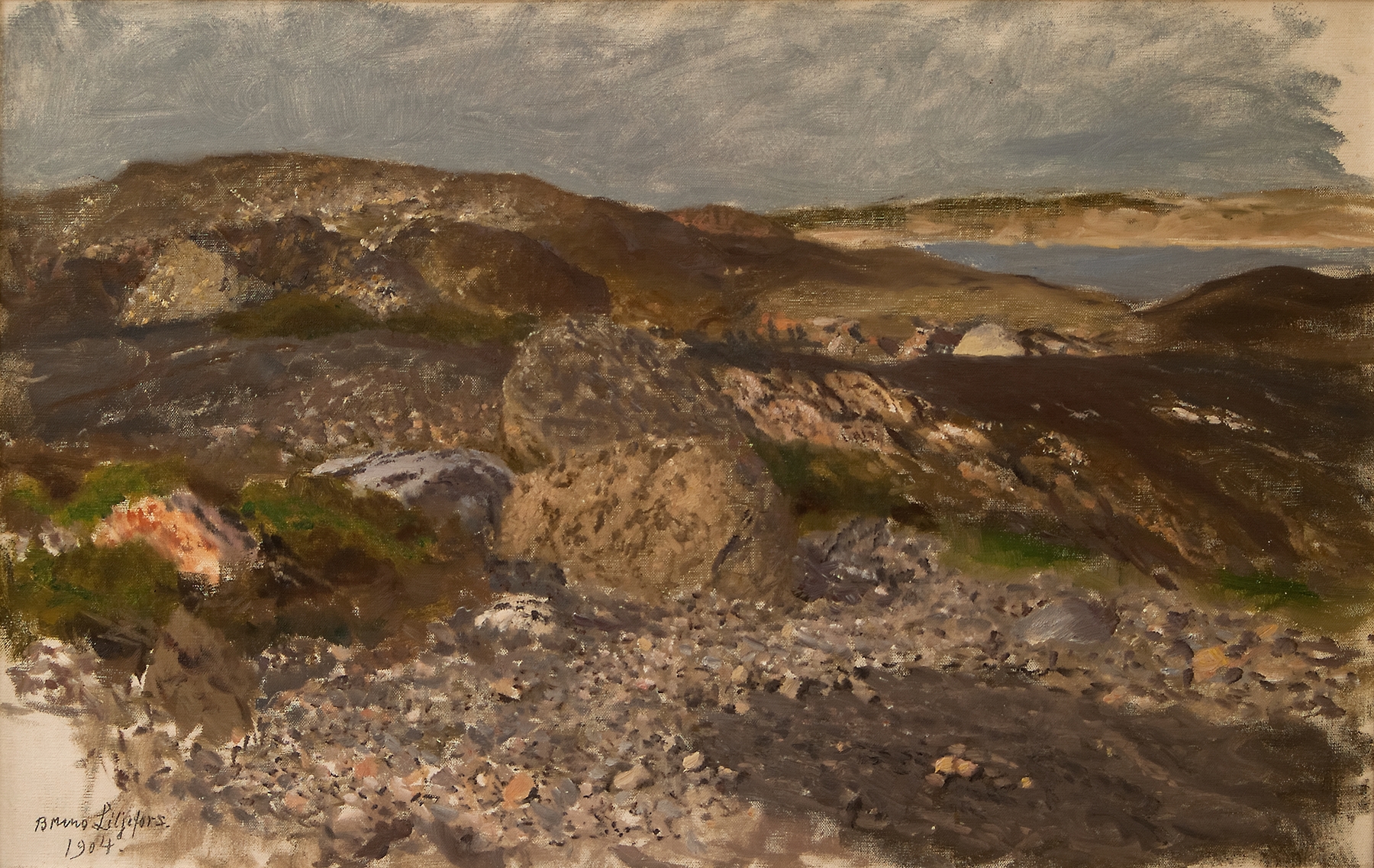
What if silence could speak through light? In Shallow Water, a haunting yet serene interplay of light and shadow invites us to confront the fragile boundary between tranquility and tension. Focus your gaze on the luminous reflections dancing on the surface of the water, where the interplay of cool blues and warm golds reveals the harmony of nature. Notice how the soft ripples subtly distort the forms of nearby reeds, suggesting both movement and stillness.
This delicate balance evokes a sense of anticipation, as if the scene is caught in a moment just before something unforeseen unfolds. Hidden within this calm landscape are emotional undercurrents that speak to a deeper madness – a tension between the serene beauty of the surroundings and the chaos depicted in the restless water. The juxtaposition of the peaceful shore and the flickering reflections suggests a world teetering on the edge, where tranquility could easily give way to turmoil. Each blade of grass seems to whisper secrets of unseen turbulence, inviting the viewer to ponder the complexities of existence.
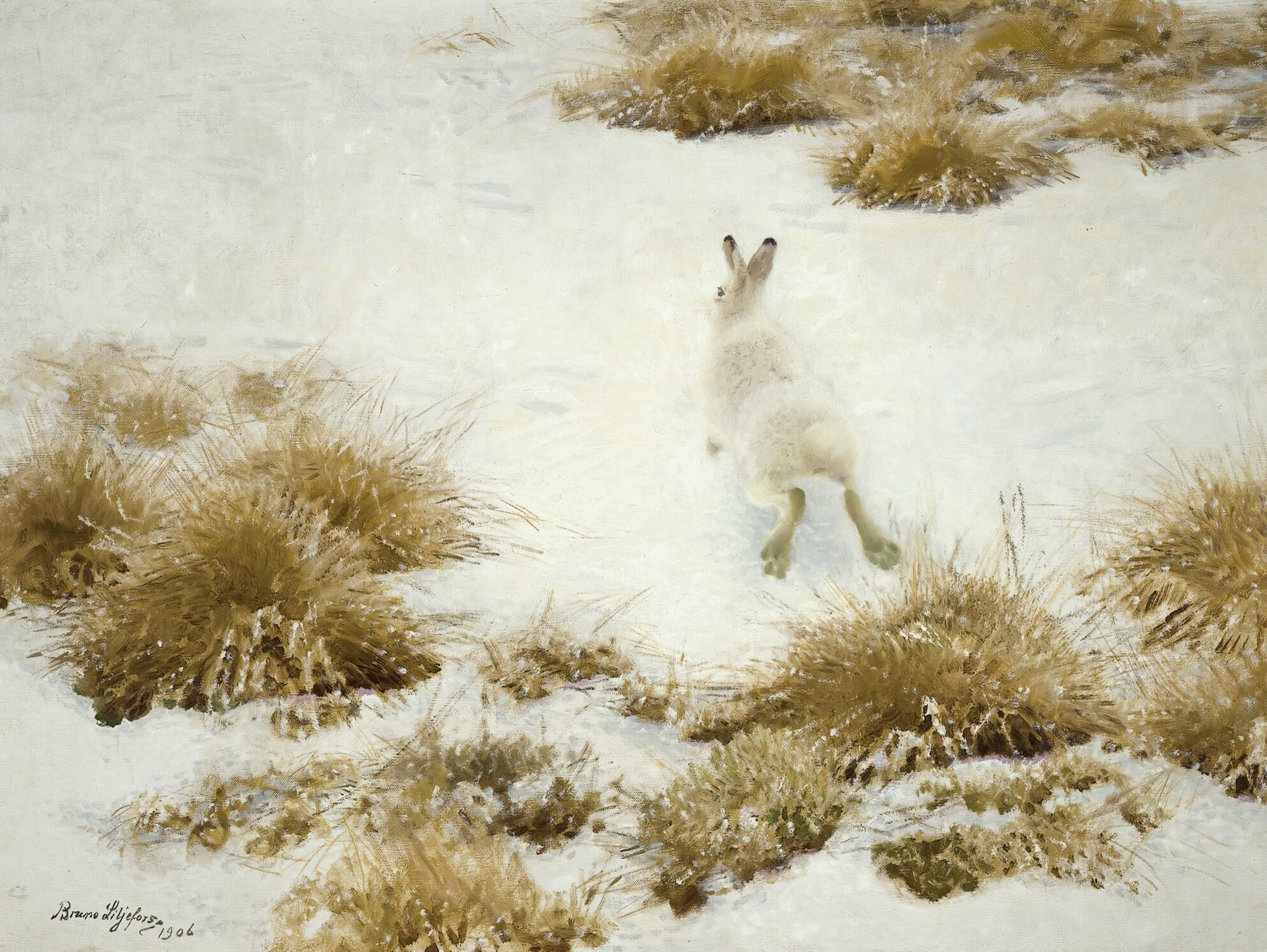
Bruno Liljefors painted Shallow Water in 1906 during a time when he was exploring the depths of naturalism in Swedish art. Living in a world that still bore wounds from the past and was facing the dawn of modernity, he found solace and inspiration in the serene landscapes around him. This period marked a significant shift in his work as he began to incorporate a more profound emotional resonance within his depictions of nature, reflecting both beauty and the subtle madness that lingers in the quiet spaces of life.