Sledging — History & Analysis
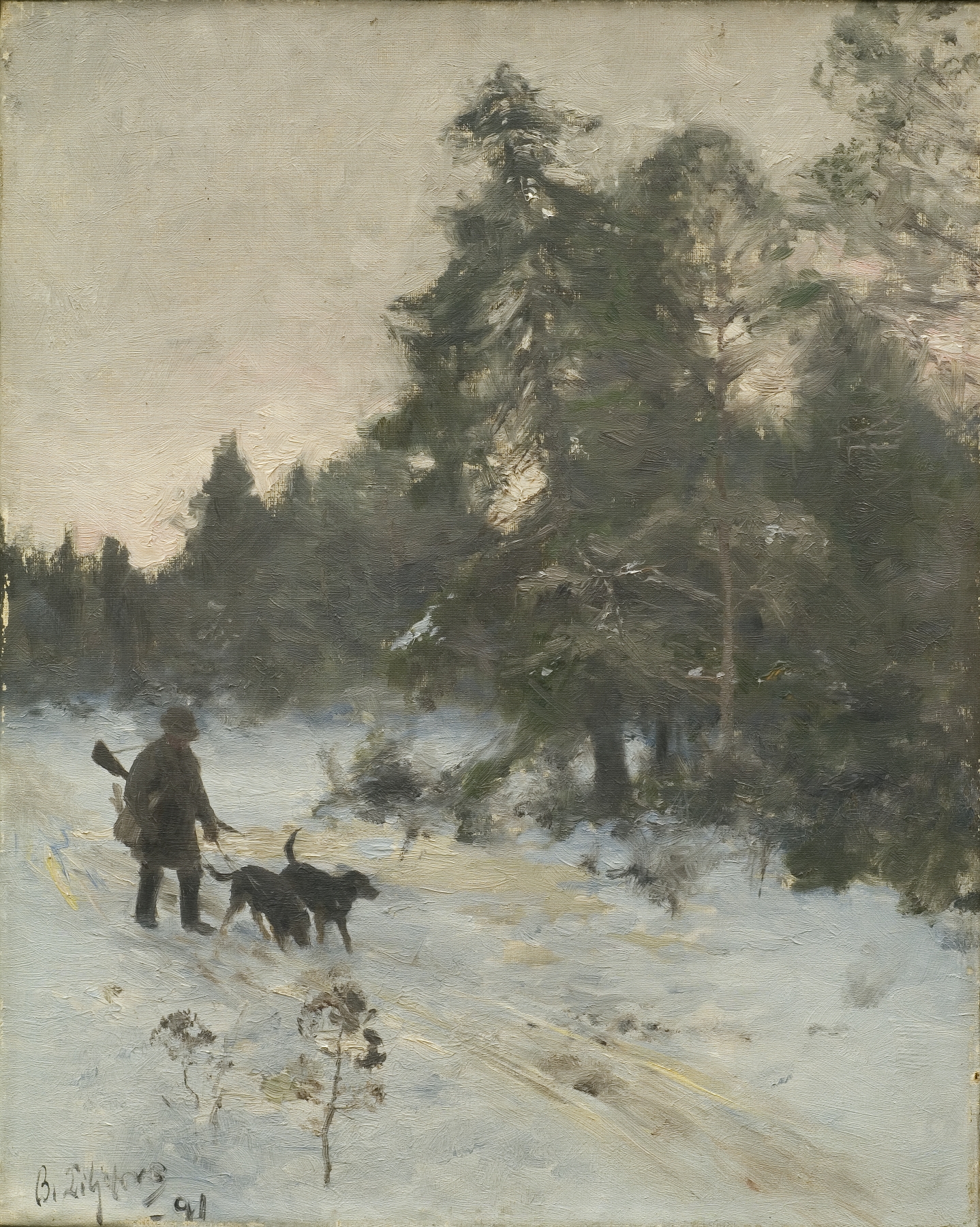
Could a single brushstroke hold eternity? In Sledging, the essence of winter gleams, revealing not just a scene, but a world where the chill of the air mingles with palpable joy and adventure. Look to the center of the canvas where two children, bundled in vibrant layers, gleefully race down a snow-covered slope. The contrasts of their warm clothing against the brilliant white snow create a vivid playfulness, drawing the eye immediately.
Notice how the light dances on the surface of the snow, capturing the fleeting moments of their laughter, while the shadows elongate, hinting at the lengthening winter day. The dynamic brushwork conveys movement, inviting the viewer to feel the thrill of sledding, the rush of wind, and the innocent exuberance of childhood. Beneath this cheerful exterior lies an obsession with the ephemeral beauty of life. The fleeting moments of joy are juxtaposed with the starkness of the surrounding winter landscape, representing the bittersweet nature of childhood.
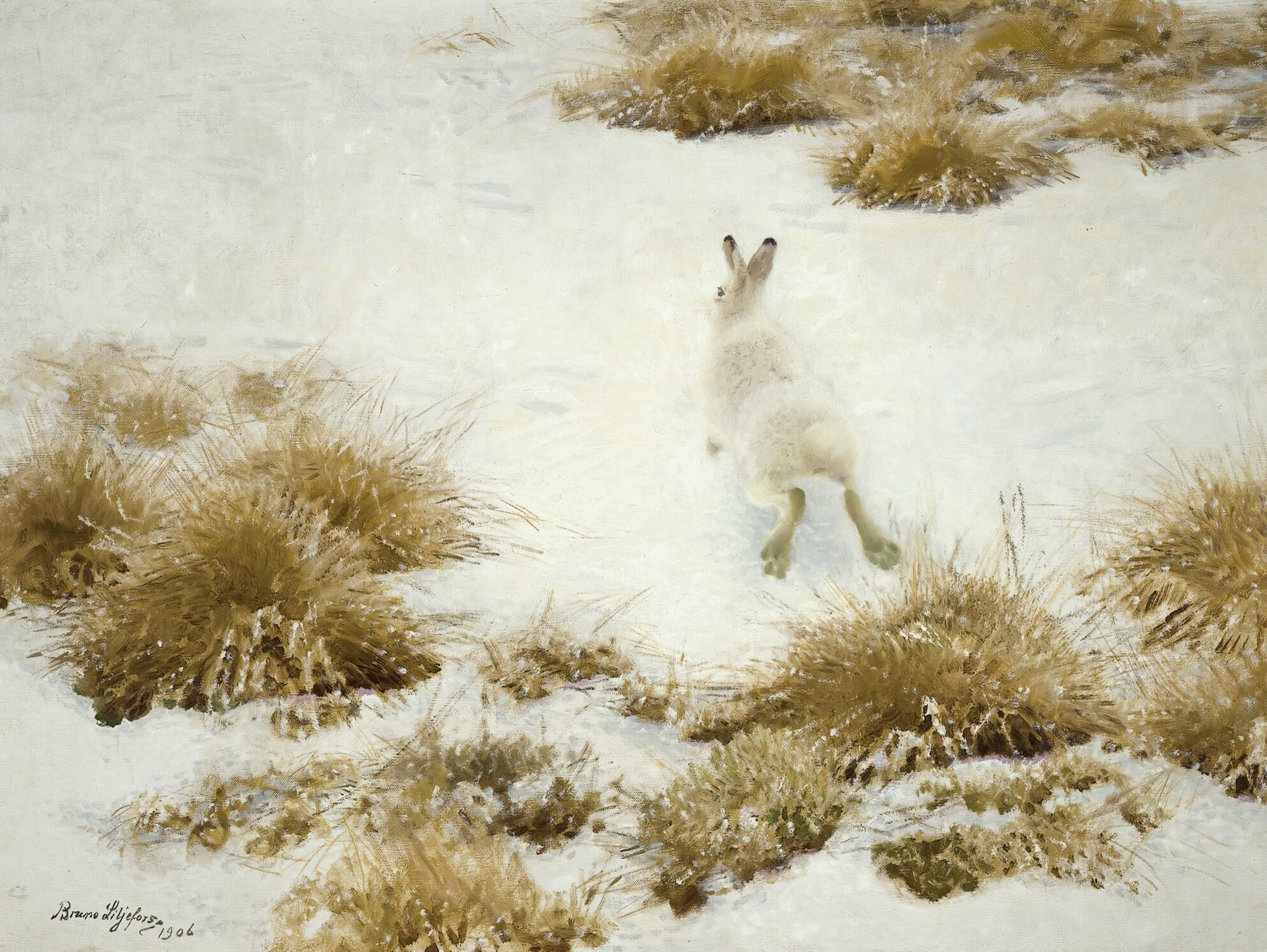
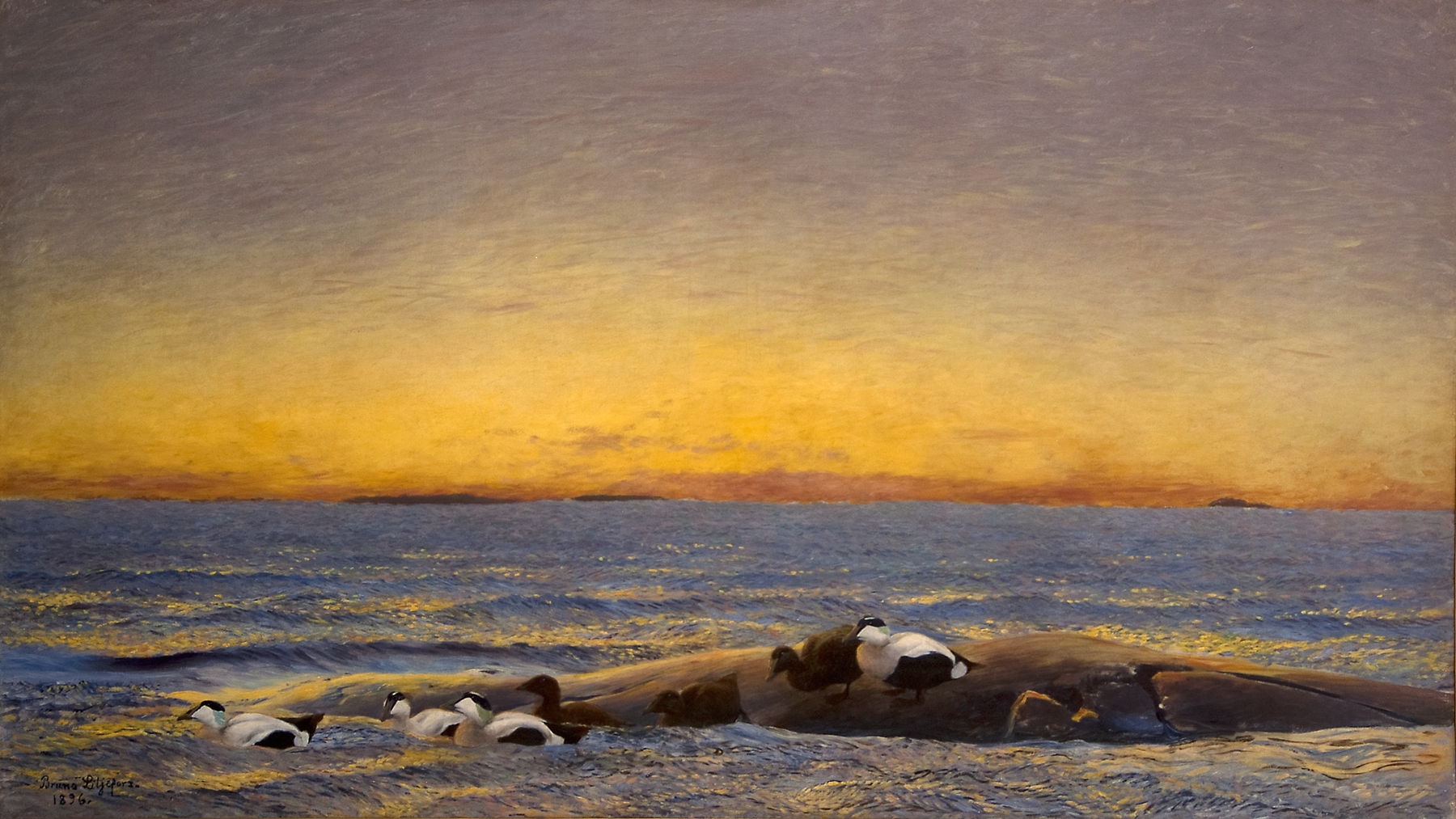
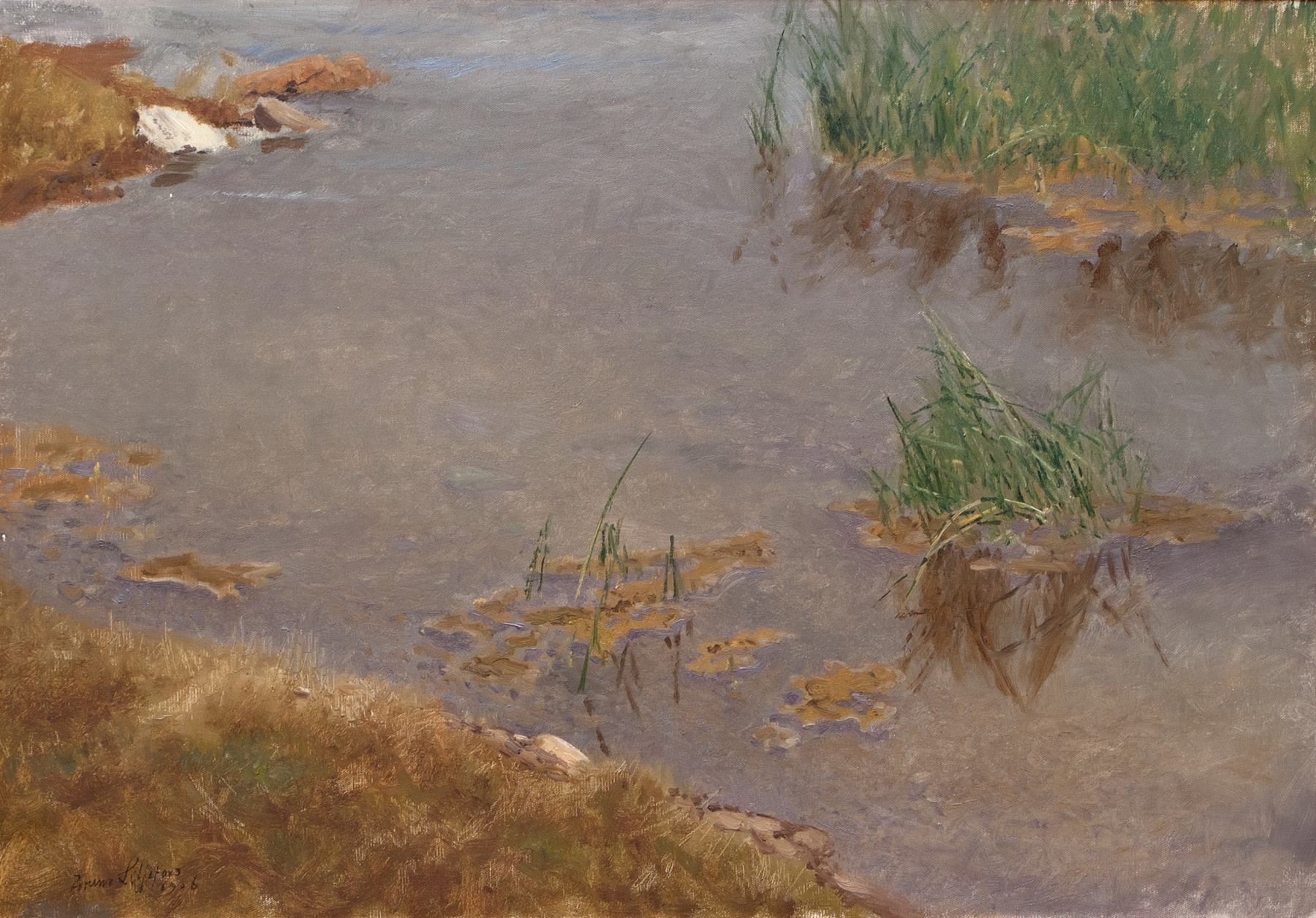
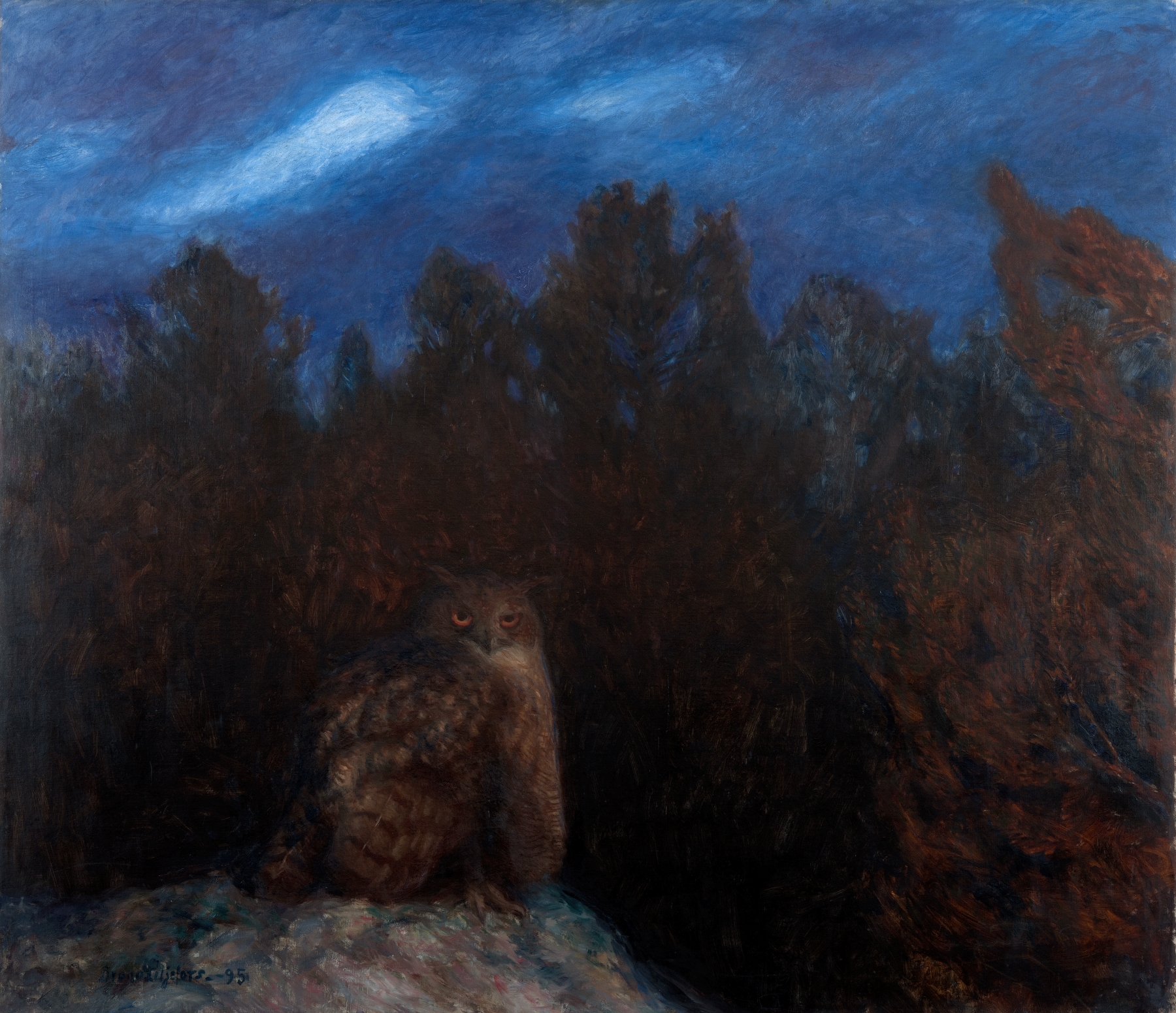
Each brushstroke captures the essence of a moment that will soon fade, evoking nostalgia and a yearning to hold onto joy as it slips away. The children’s faces, lit with delight, serve as a reminder of innocence, while the encroaching shadows suggest the inevitable passage of time. Bruno Liljefors painted Sledging in 1882, during a period when he was gaining recognition in Sweden for his ability to capture the essence of nature and human interaction within it. His work was influenced by the naturalist movement, which emphasized realism and a deep observation of life, reflecting a broader trend in European art that sought to portray the world with genuine emotion and accuracy.