Mount St Michael, Cornwall — History & Analysis
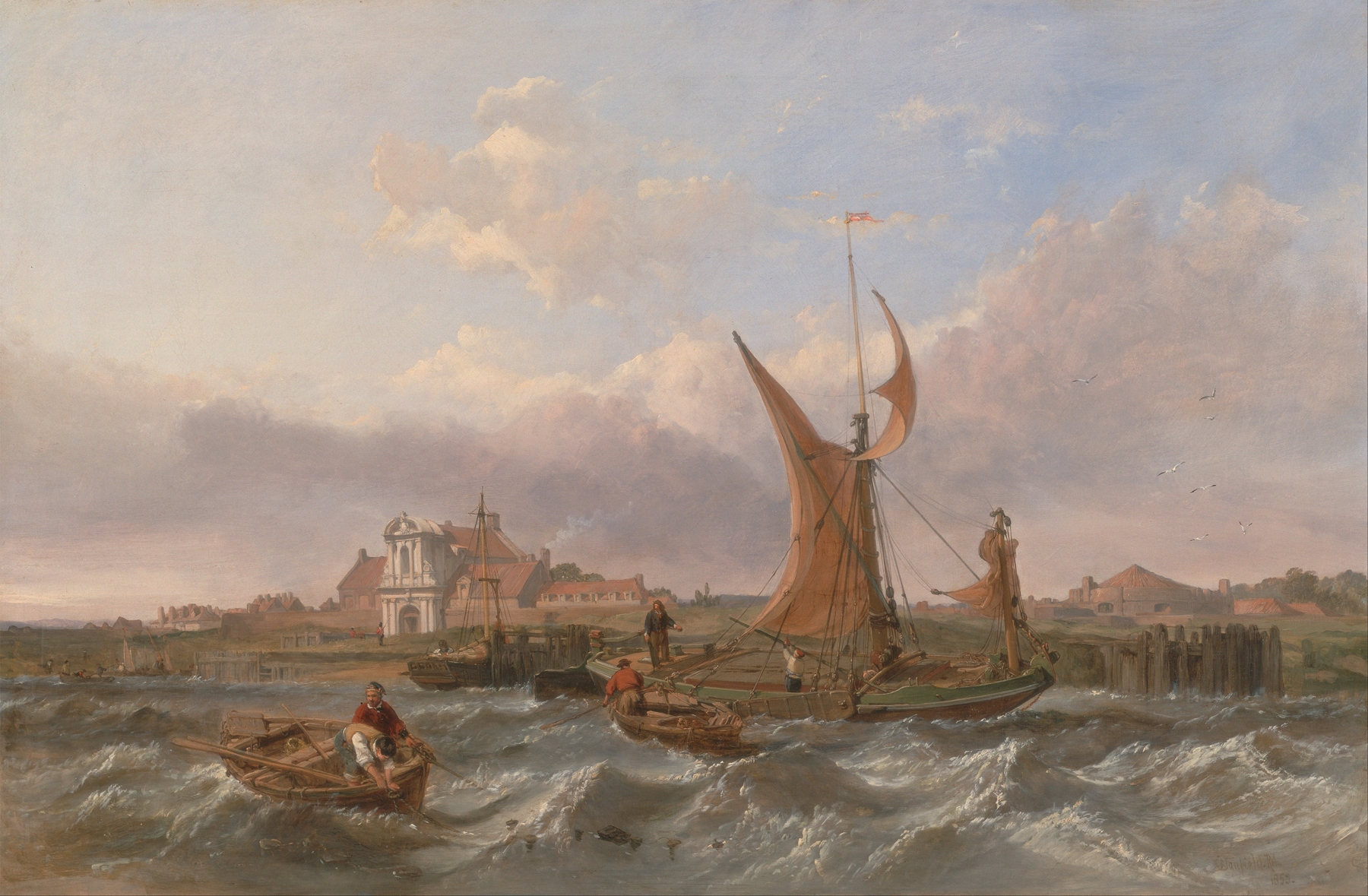
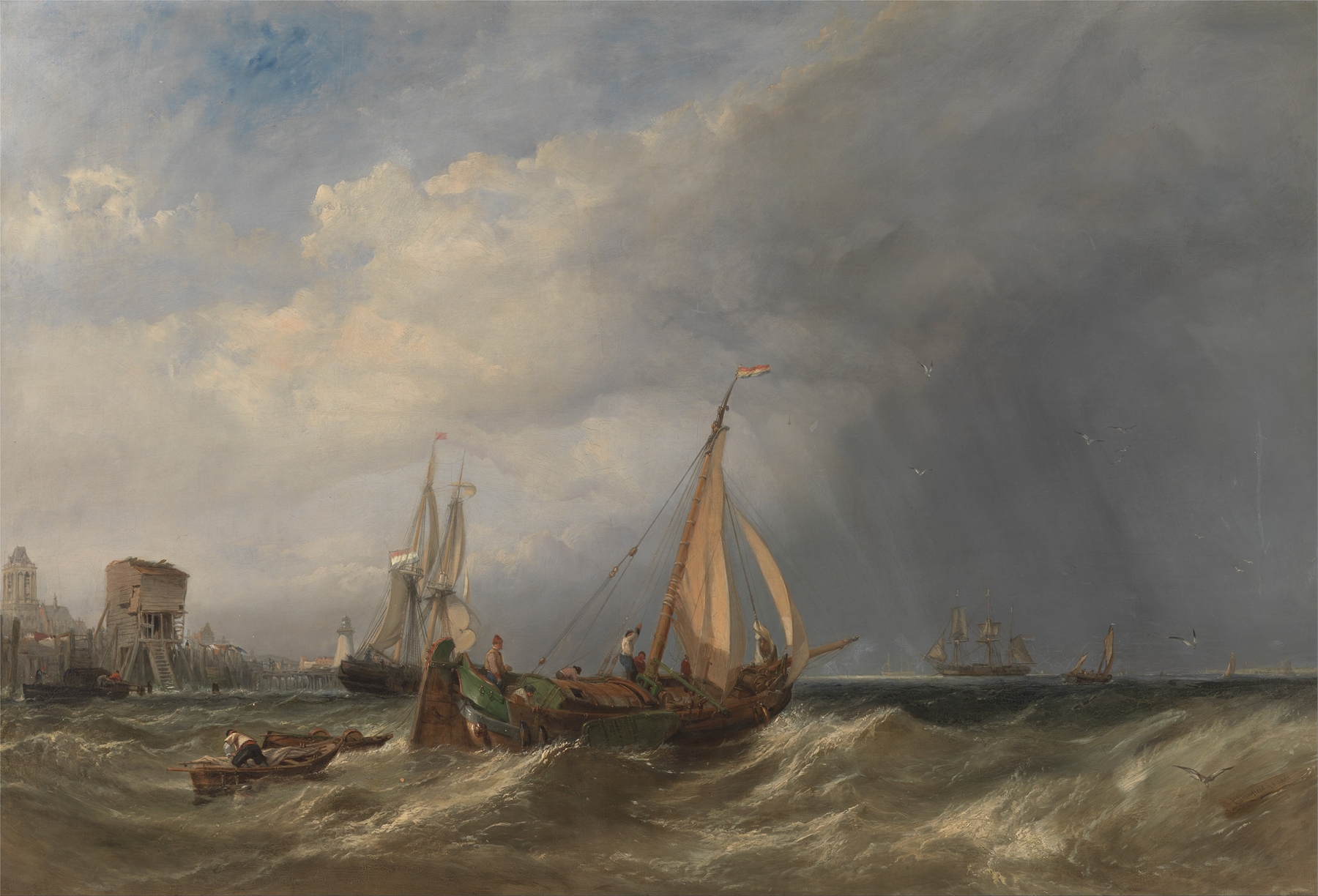
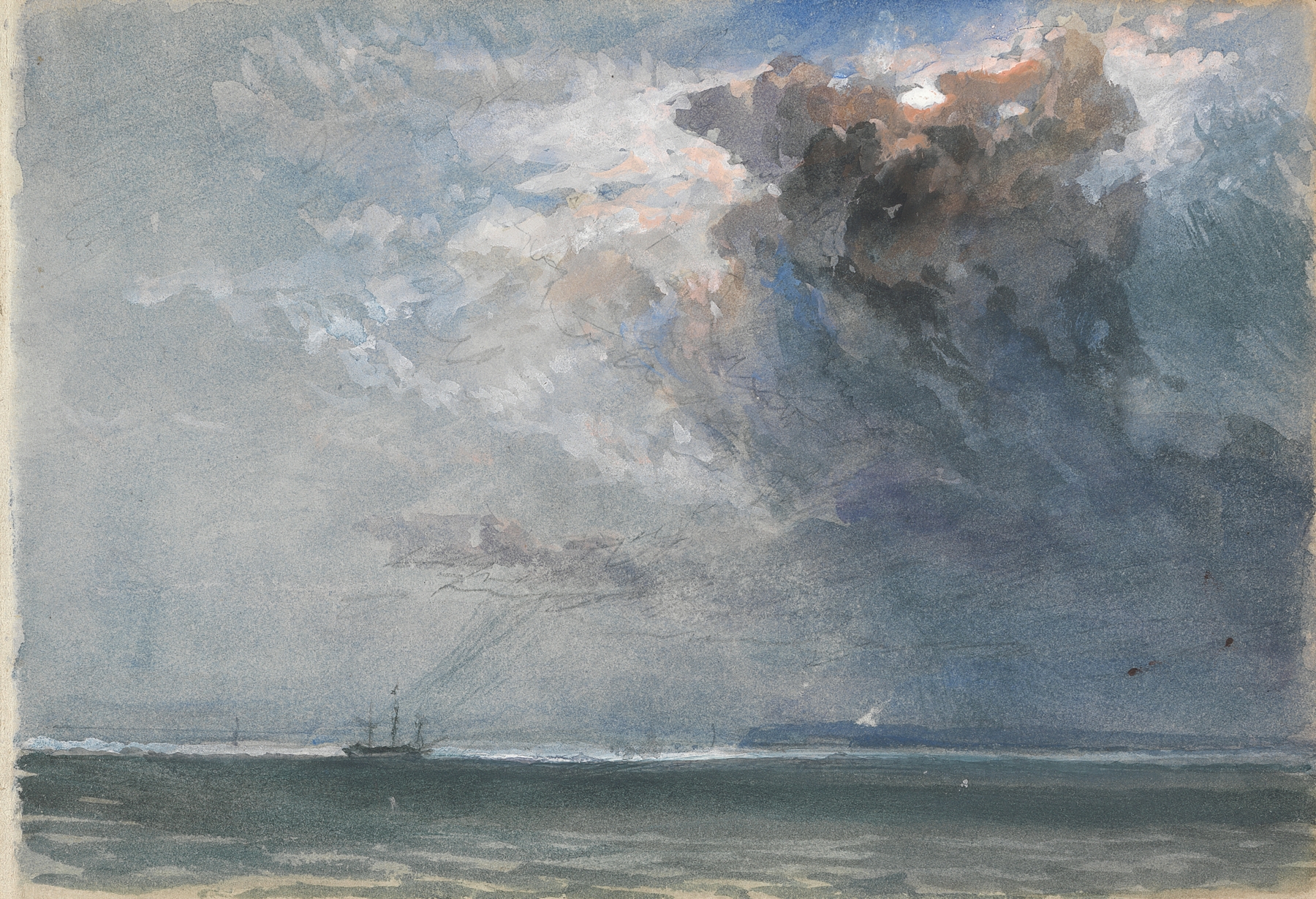
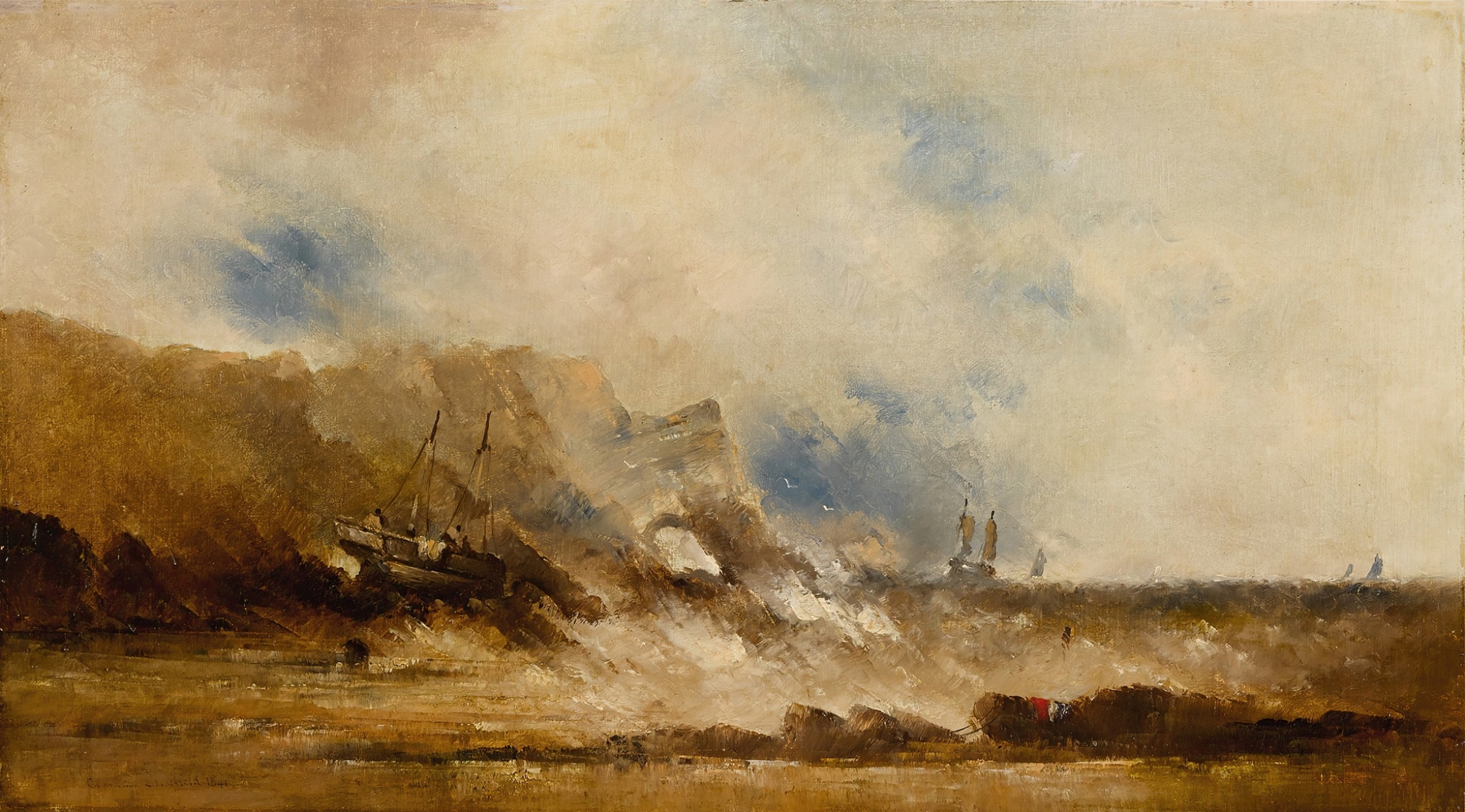
Is this a mirror — or a memory? The sublime beauty of nature can evoke ecstasy, leaving us suspended between reality and reverie. The interplay of land and sea invites us to lose ourselves in its depths. Focus on the luminous sky, where vibrant blues blend with soft pastels, creating an ethereal backdrop for the rugged cliffs of Mount St. Michael.
Notice how the waves crash against the shore, their froth capturing the sunlight like scattered diamonds. The careful layers of paint showcase the artist's mastery, as glimmers of light dance across the surface, infusing life into the scene. The composition draws your eye from the dramatic rock formations upwards, suggesting a journey from the earthly to the divine. In this piece, the juxtaposition of the steadfast mountain against the ever-changing sea speaks to the tension between permanence and transience. The undulating waves symbolize time's relentless march, while the mountain stands as a beacon of stability.
This contrast evokes a sense of longing and nostalgia, hinting at moments of bliss forever out of reach, encapsulating the bittersweet nature of human experience. Created during the early 19th century, the artwork reflects Clarkson Stanfield's engagement with Romantic ideals in England, where dramatic landscapes were celebrated. Stanfield painted this piece amidst a growing interest in nature's sublime beauty, as the Industrial Revolution began to alter the very fabric of society. It was a time of exploration and reflection, both in art and in life, as artists sought to capture the essence of the sublime in a rapidly changing world.