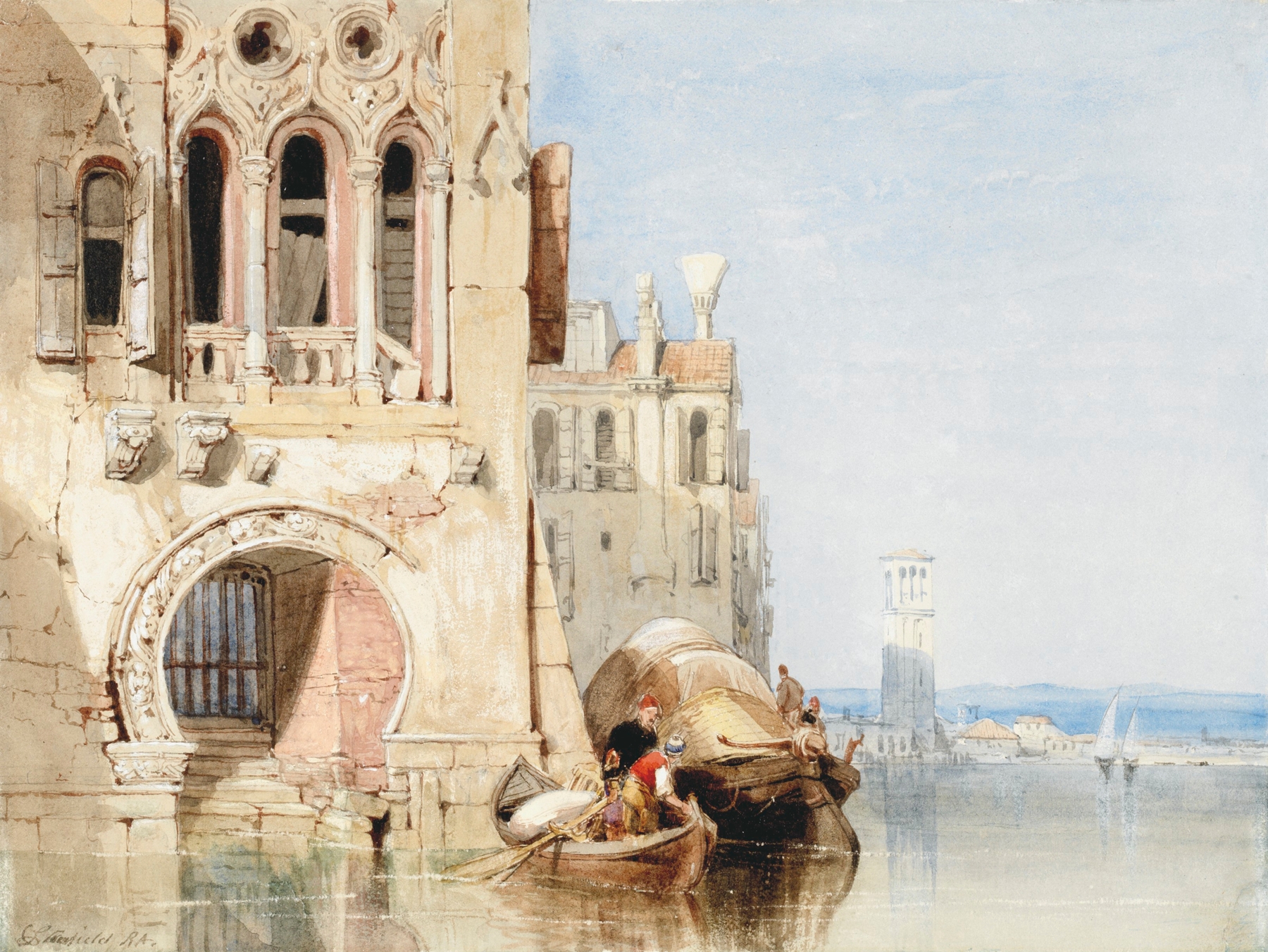
A capriccio scene, Venice — History & Analysis
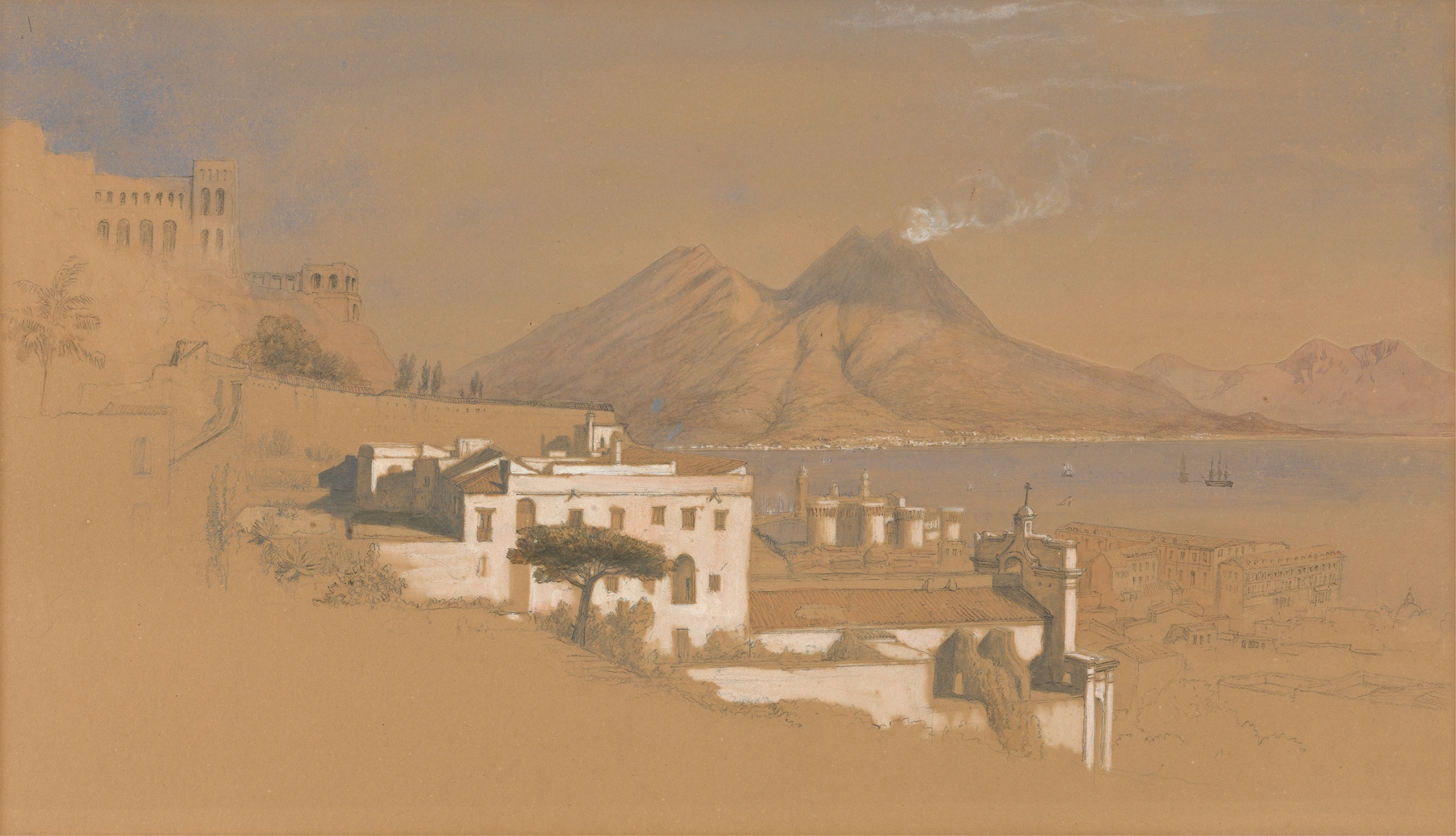
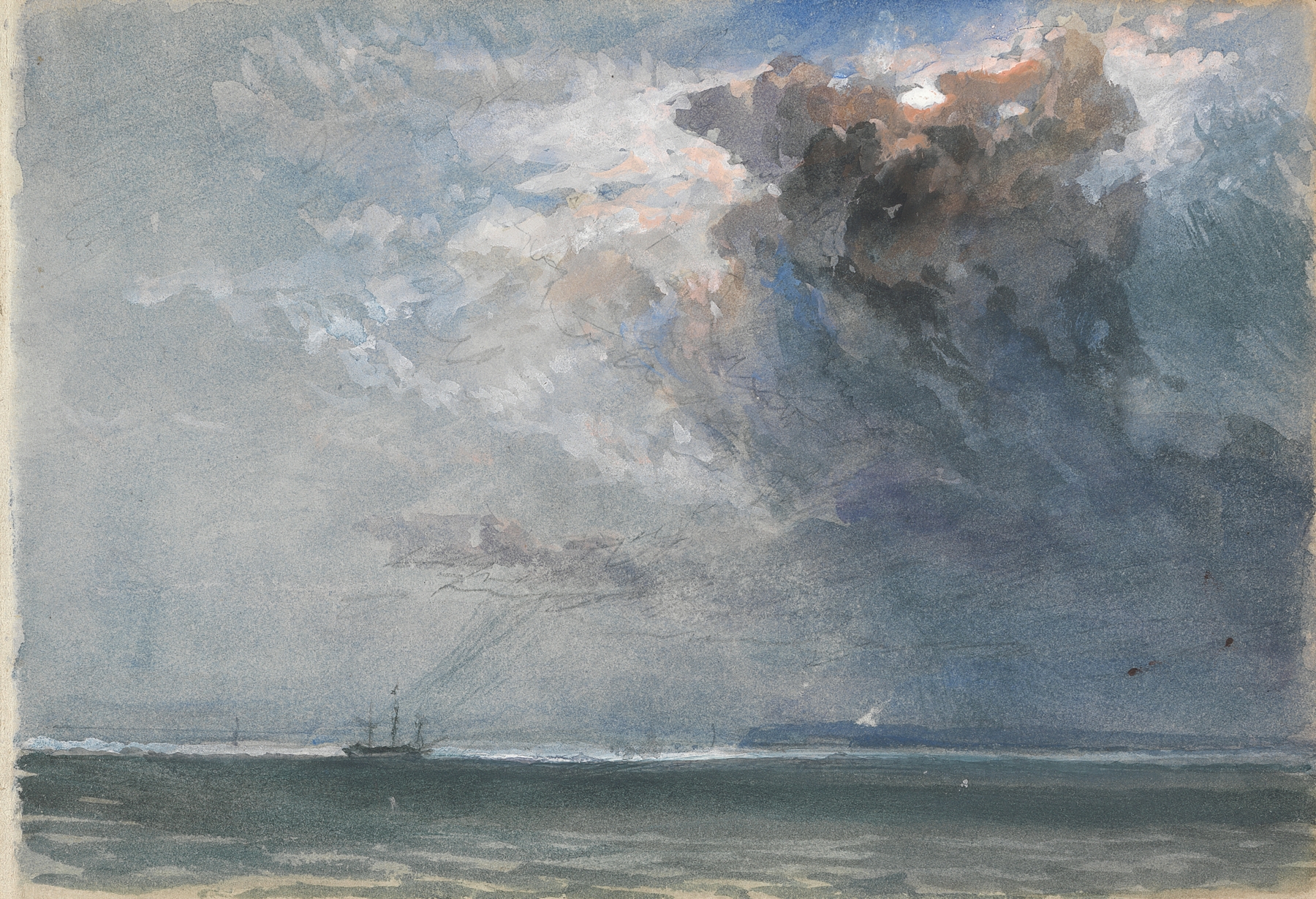
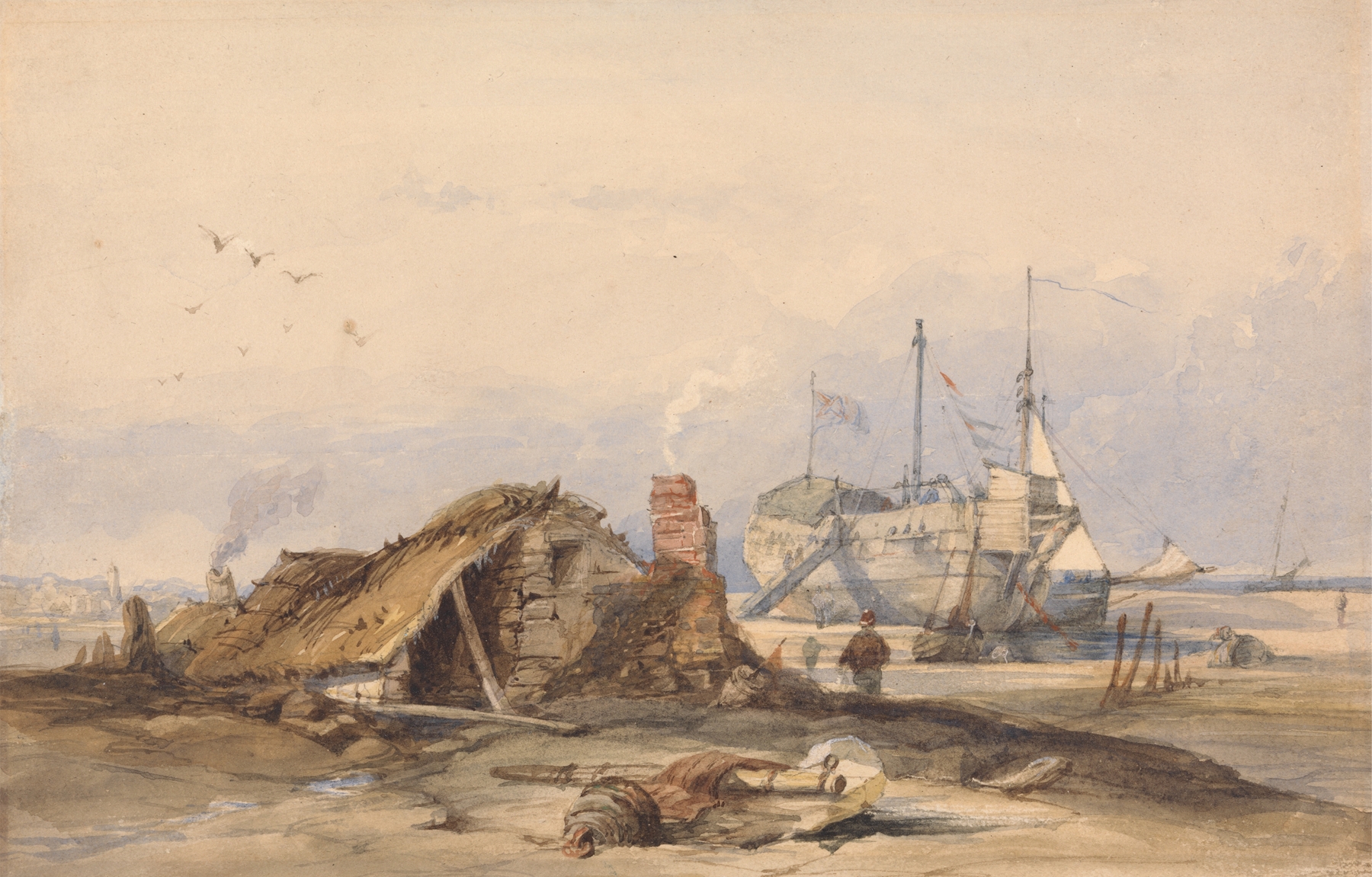
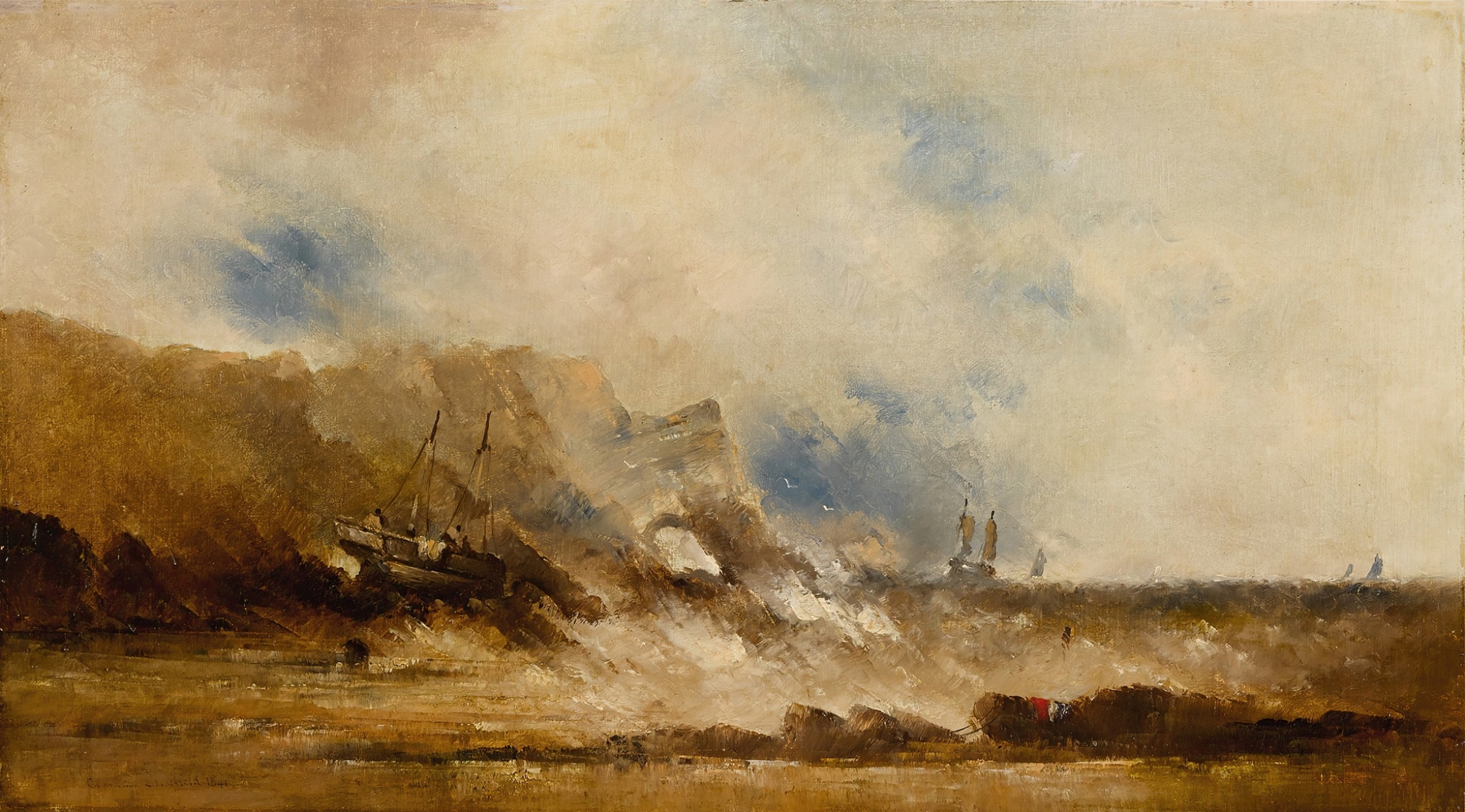
Where does light end, and longing begin? In the realm of A capriccio scene, Venice, the question lingers like a whisper carried by a soft breeze across the water. This masterwork invites the viewer to tread the fine line between reality and imagination, capturing a moment suspended in time, infused with melancholy. Look to the left where the golden light spills onto the Venetian canals, painting reflections that shimmer with a sense of yearning.
The boats, gently rocking, create soft ripples that dance along the water's surface, while the architectural lines of the buildings rise majestically, yet seem to bow under the weight of history. The palette is imbued with muted blues and warm ochres, evoking a sense of nostalgia that envelops the scene, revealing the artist’s deep connection to this enchanting city. Amidst the tranquil water and elegant facades, subtle emotional tensions emerge. The solitary figures scattered along the banks appear lost in thought, suggesting a yearning for connection or perhaps a reverie of the past.
The juxtaposition of lively boats against the stillness of the landscape accentuates a poignant contrast between movement and stagnation, compelling viewers to reflect on their own moments of longing. Each brushstroke breathes life into the canvas, while simultaneously hinting at the inevitable passage of time. Created during a period when the artist explored Romanticism's embrace of landscapes and architecture, this piece likely emerged in the mid-19th century, a time of significant artistic evolution. Stanfield, known for his seascapes and depictions of atmospheric effects, captures Venice not merely as a city but as a vessel of nostalgia and reflection, imbuing his work with layers of meaning that resonate deeply with the viewer.