Ships At Sea — History & Analysis
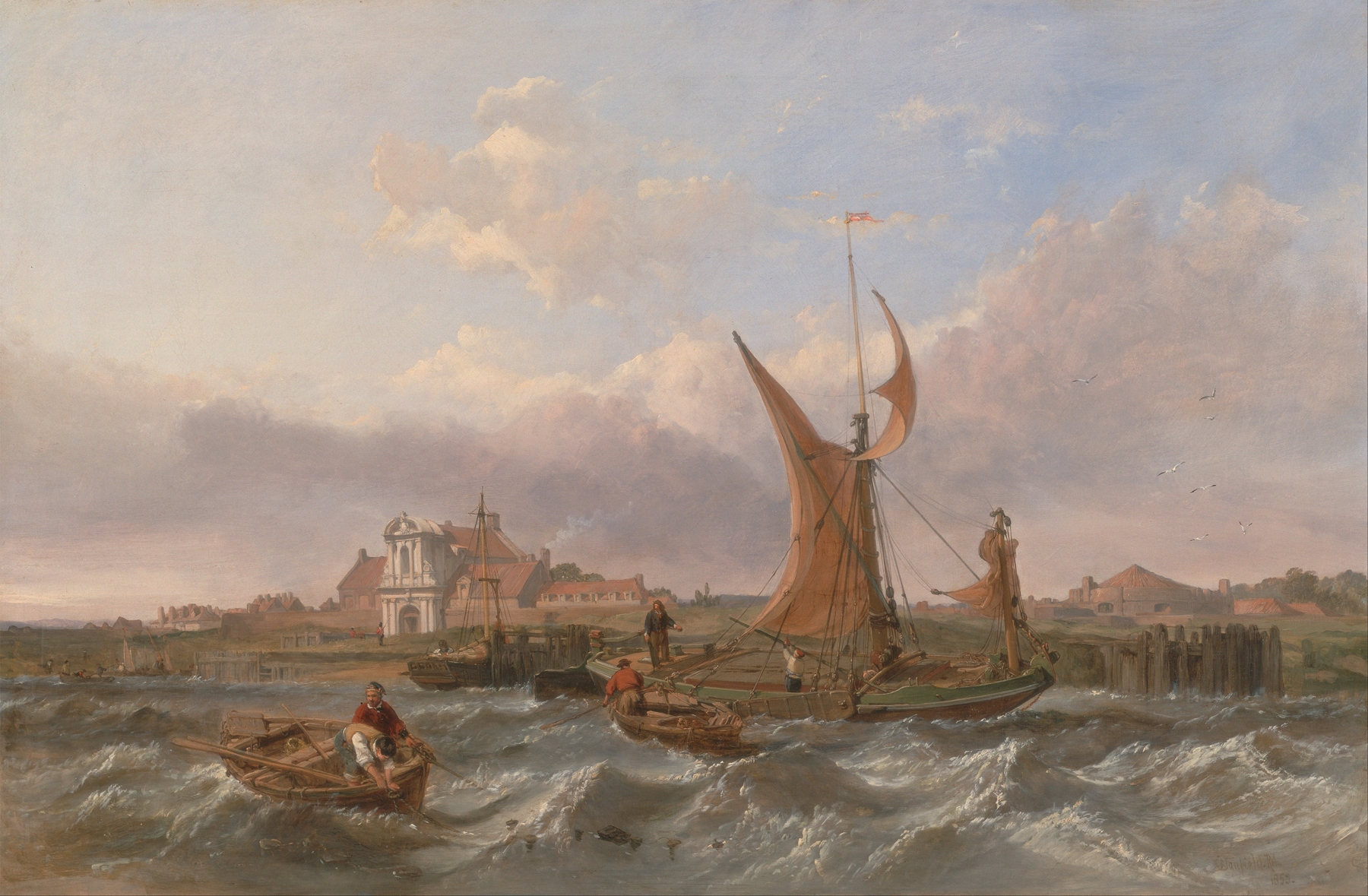
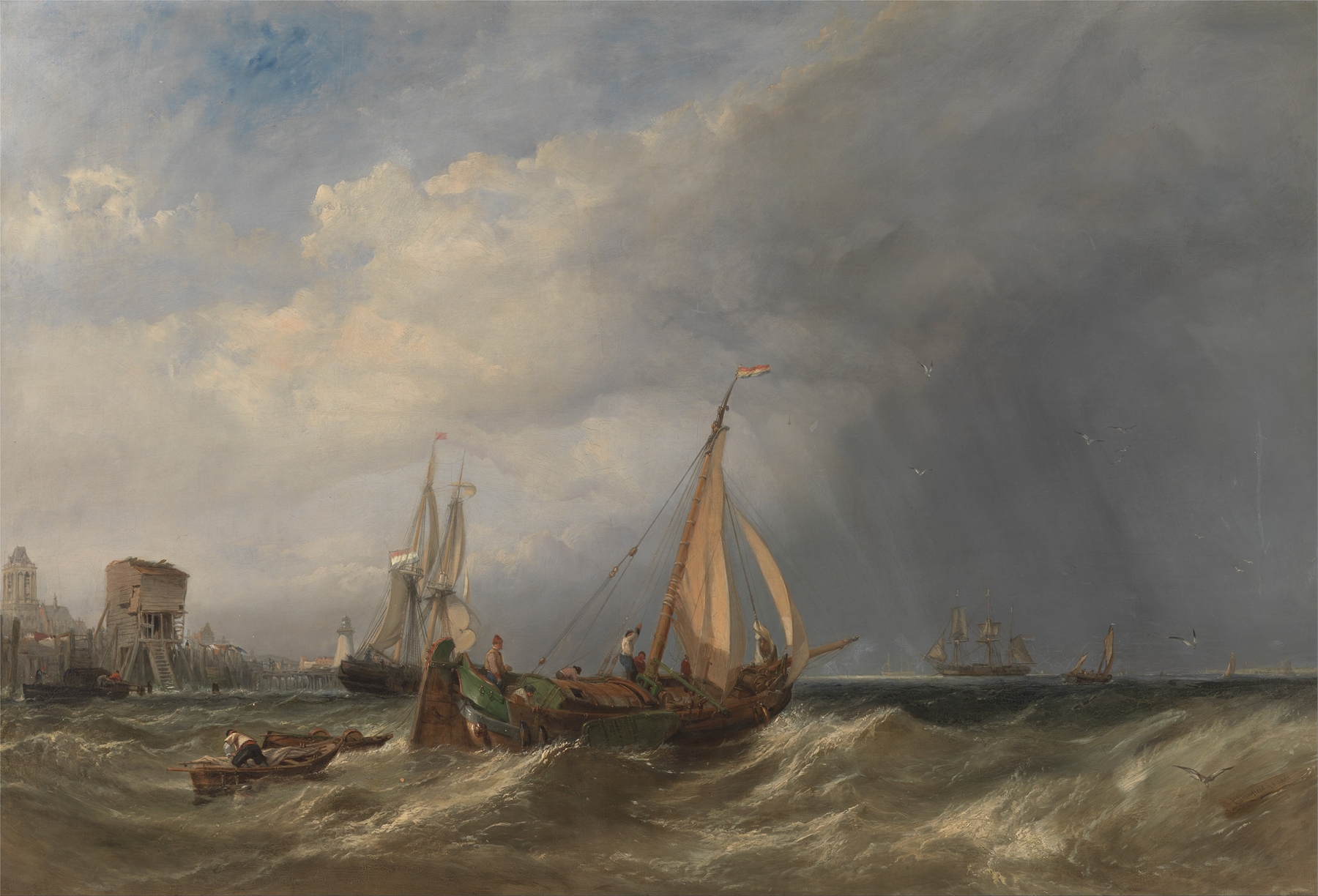
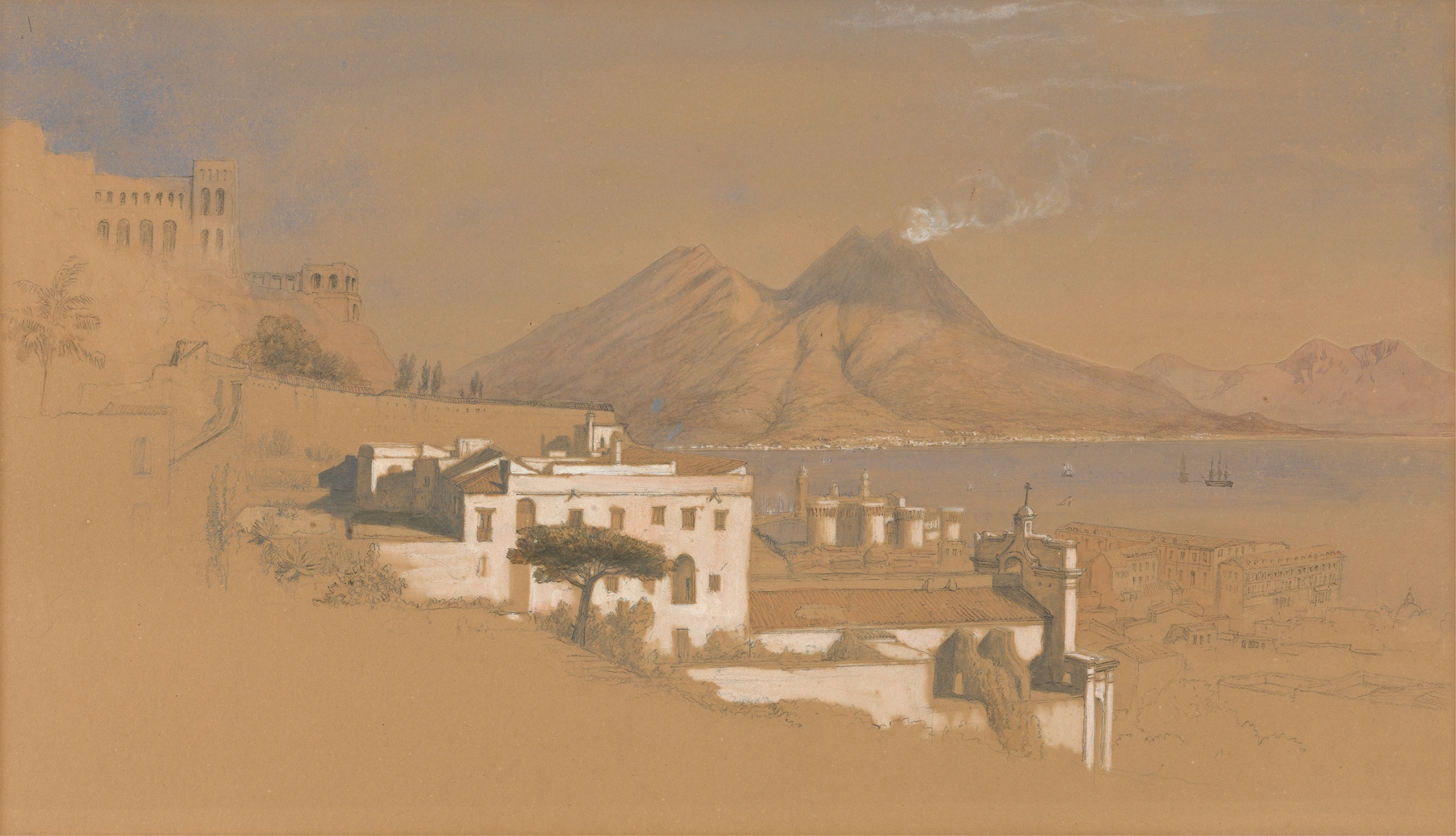
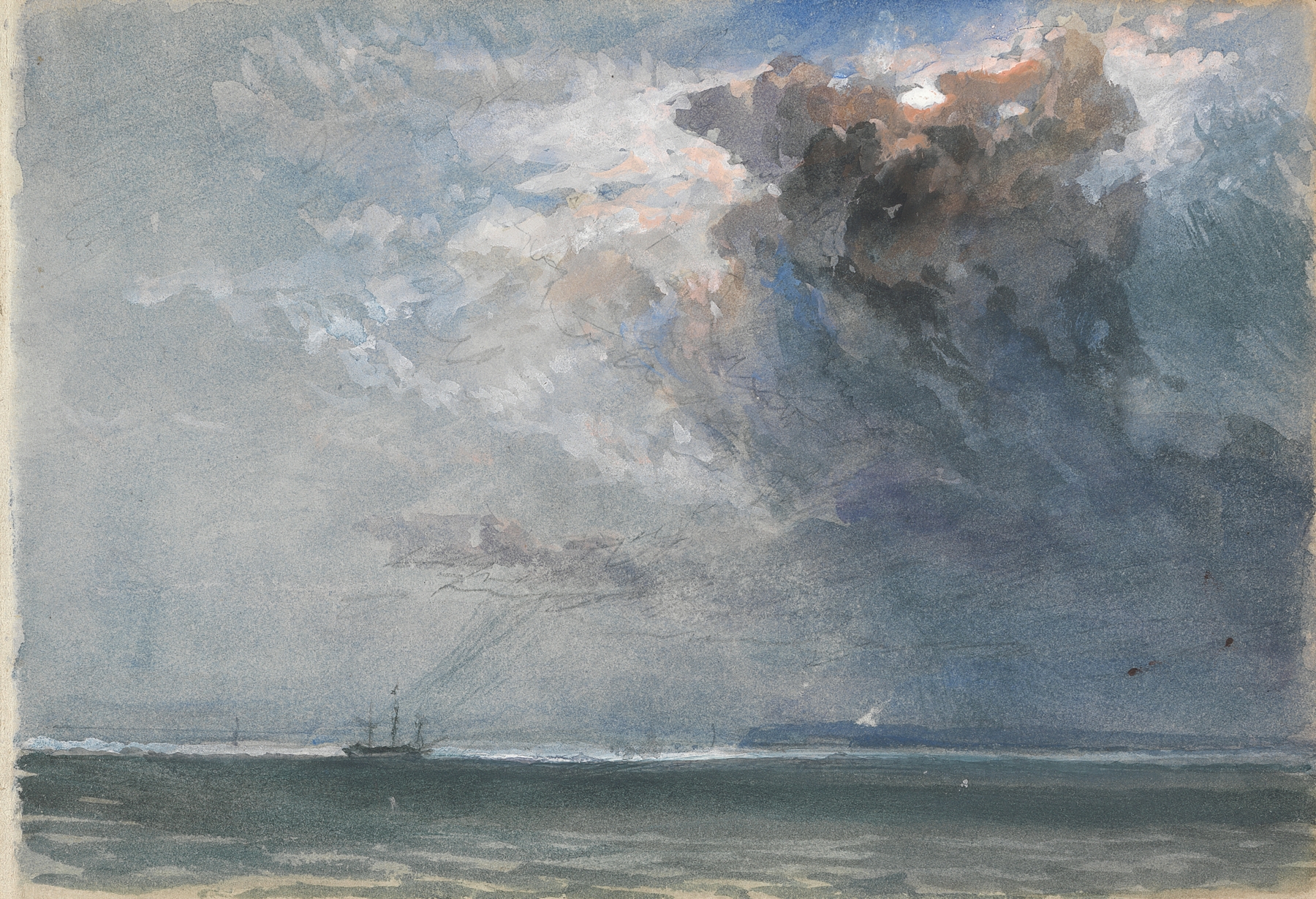
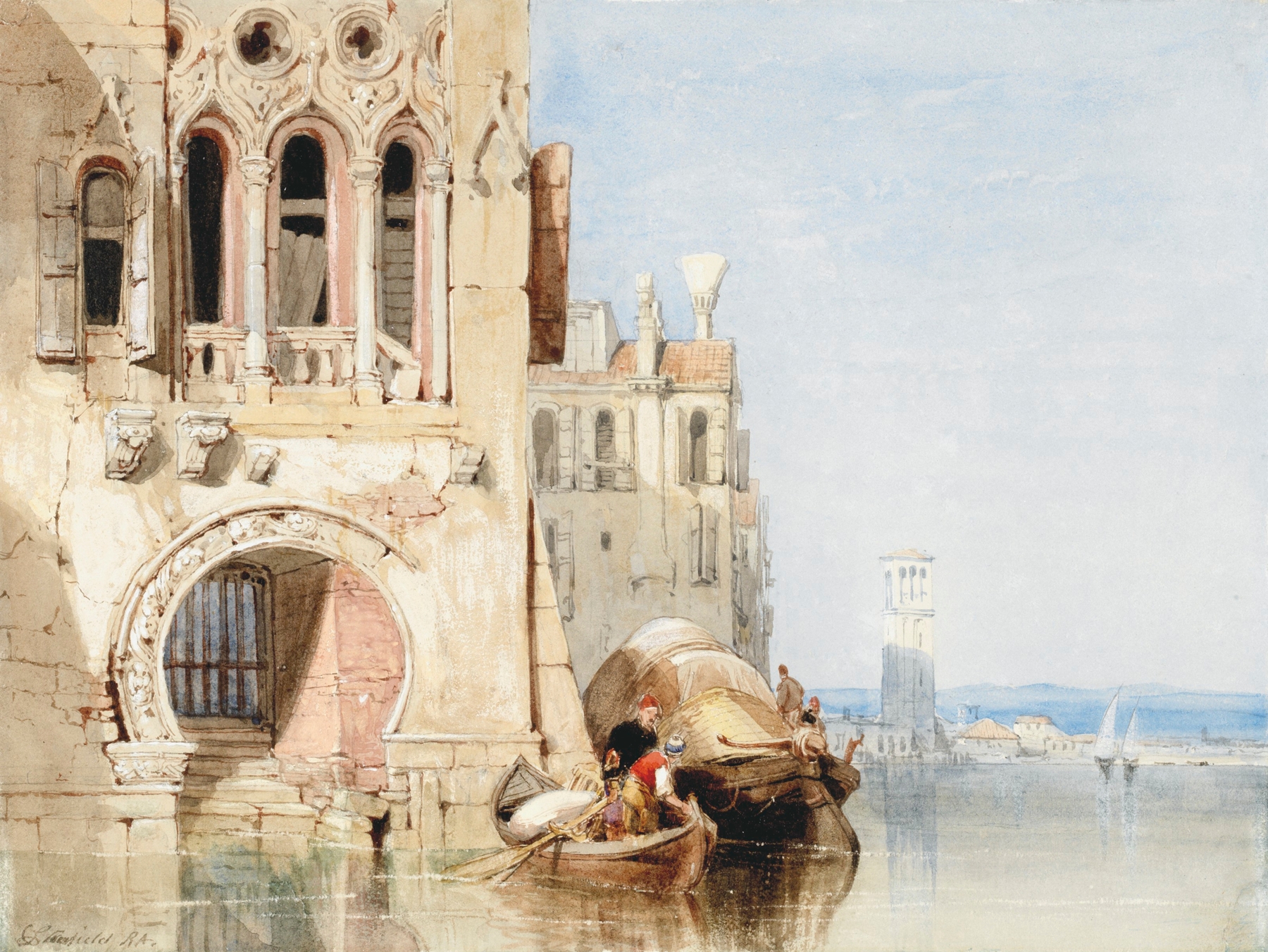
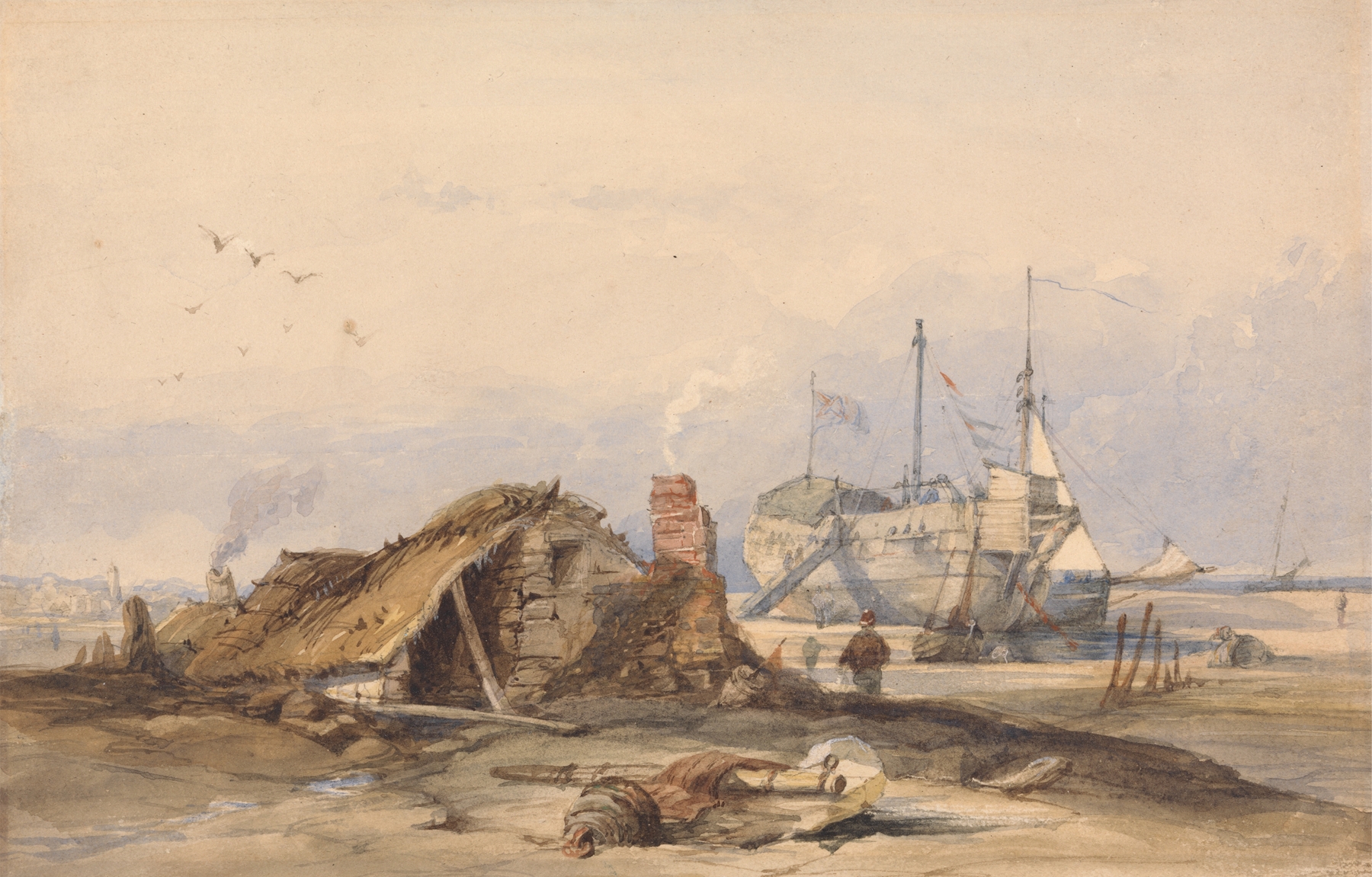
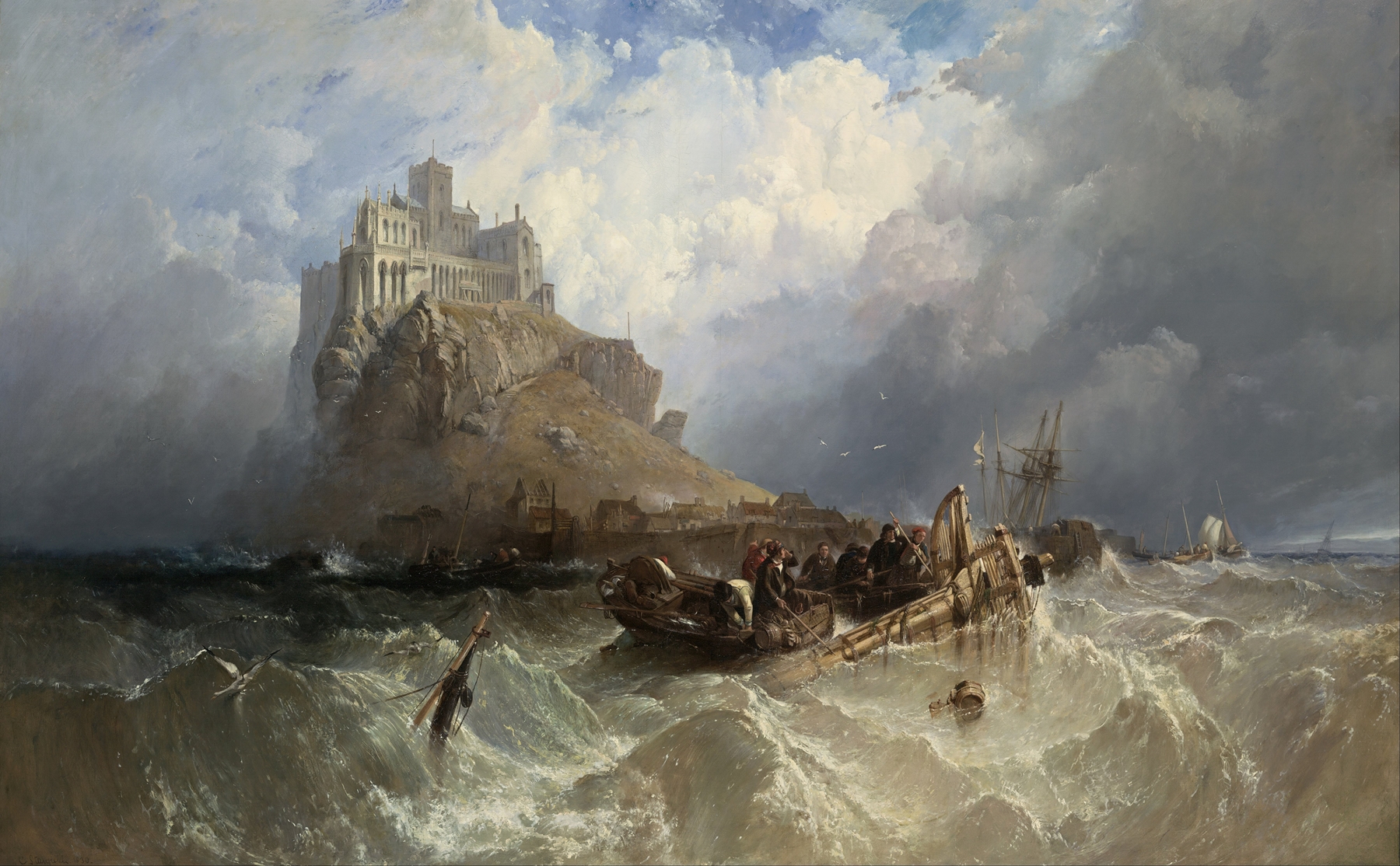
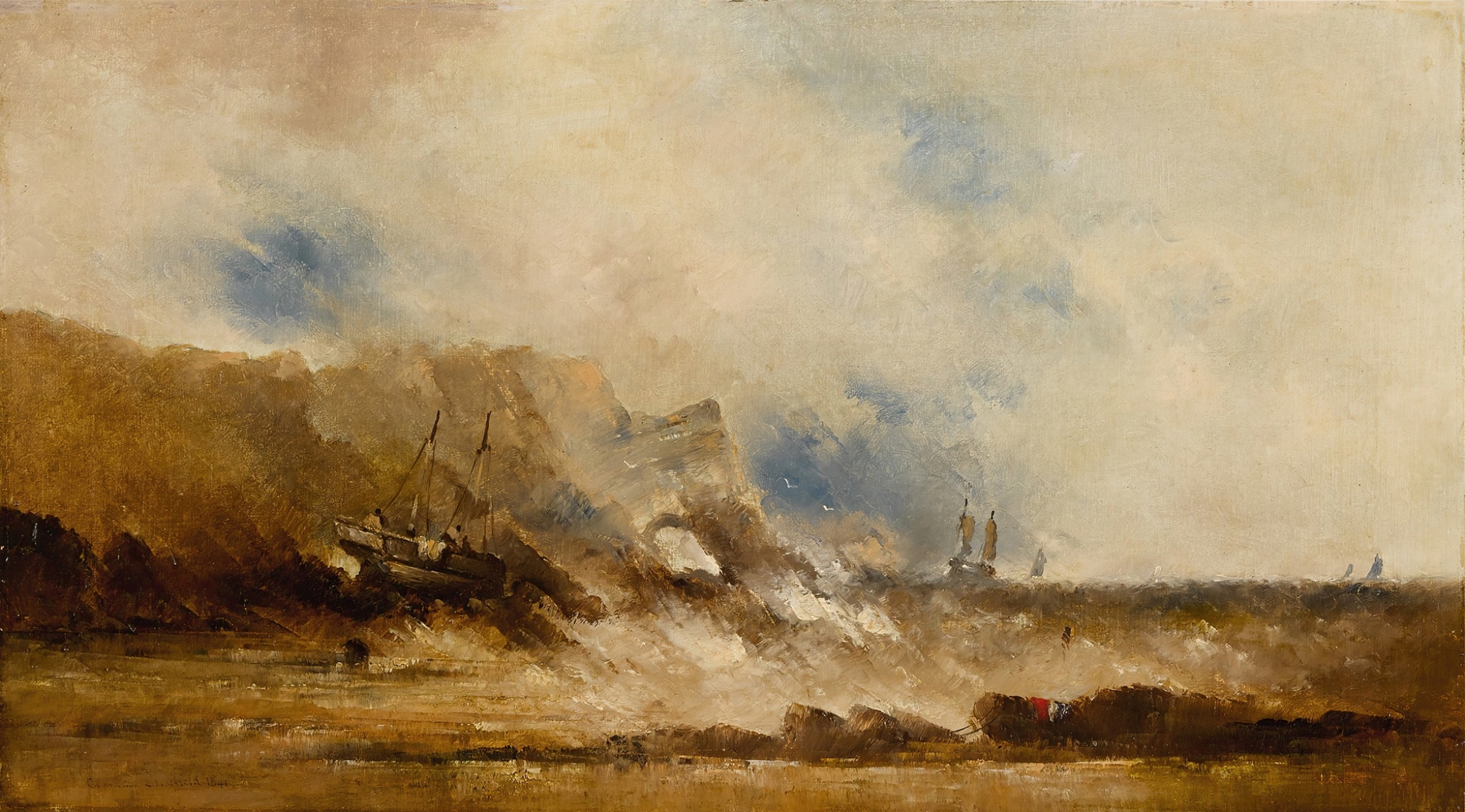
“Art reveals the soul when the world turns away.” In the quiet embrace of a stormy sea, destiny unfurls its sail. Clarkson Stanfield’s Ships At Sea embodies the tumultuous journey of life, where every wave carries a whisper of hope amidst uncertainty. Look to the horizon where the ships emerge from the deep blue, their sails taut against the gusting winds. The contrasting colors—dramatic grays of the sky, vibrant whites of the sails—forge a dialogue between struggle and triumph.
Notice how the play of light dances across the water, illuminating the crests of the waves, inviting you to witness the relentless march of vessels against nature’s fury. In this work, the ships symbolize resilience, navigating through the unpredictable waters that mirror life’s challenges. The tension between the calm and chaos of the sea hints at the inner battles we all face, while the distant light breaking through the clouds evokes a glimmer of hope. Each brushstroke captures not just the physical journey but also the emotional weight of those aboard, navigating the currents of their fate.
Created in 1841, during a period of rapid change in the maritime industry, Stanfield painted this scene at a pivotal time in his own career. He was gaining recognition for his mastery of seascapes, reflecting a burgeoning fascination with the power of nature. As artists embraced Romantic ideals, he found inspiration in the interplay of light and water, illustrating both the awe and peril of life at sea.