Vesuvius in Eruption — History & Analysis
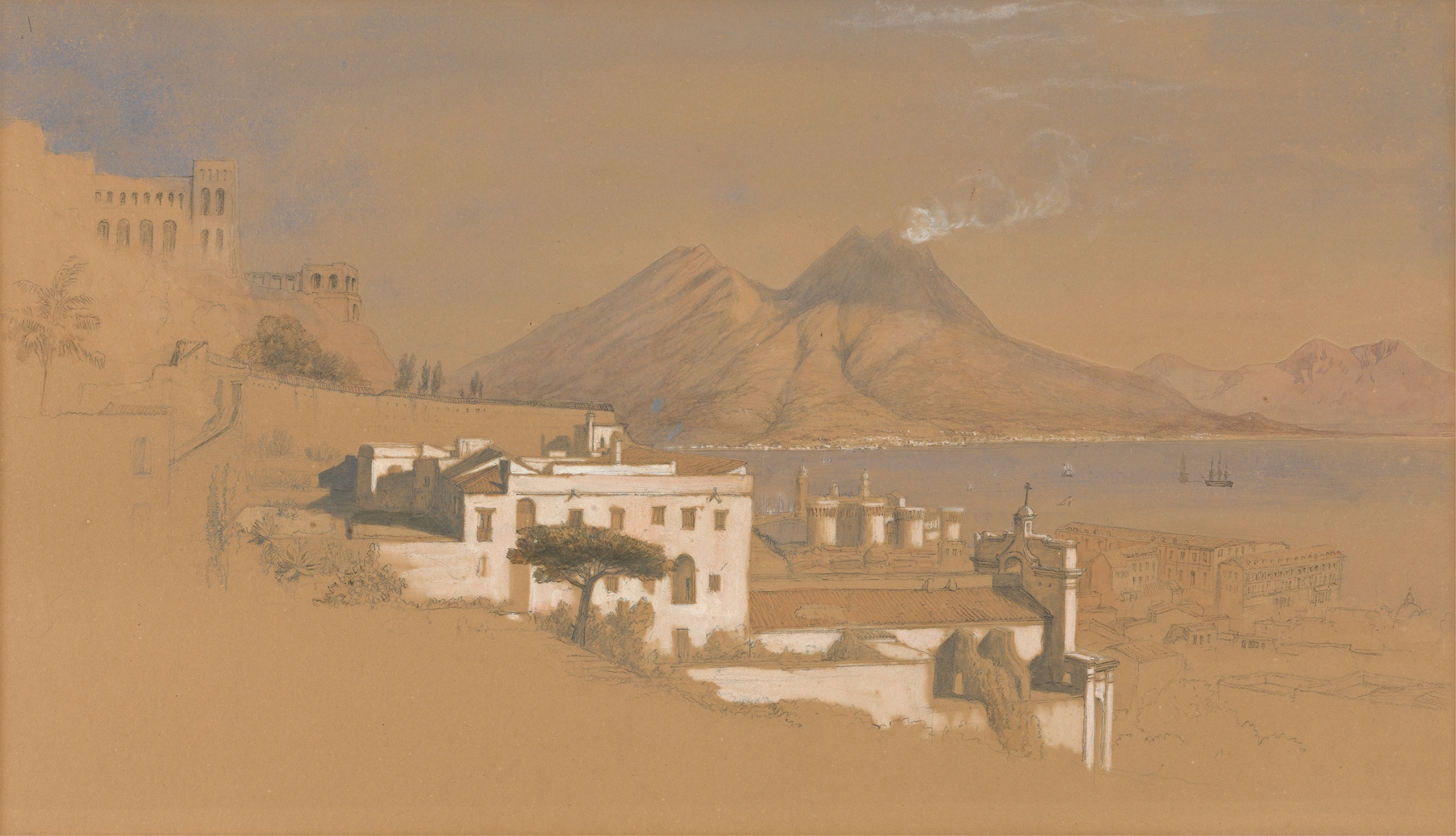
Could beauty survive in a century of chaos? In an age defined by turmoil and uncertainty, the question lingers, much like the dark clouds swirling around the majestic peak of the volcano in this artwork. Look to the vibrant reds and oranges that dominate the foreground, as the molten lava cascades down the slopes of the mountain. Notice how the light flickers off the surface, creating an almost ethereal glow that contrasts with the surrounding dark smoke.
The composition draws your eye towards the chaotic eruption, yet the calmness of the distant landscape and the serene sunset hints at the resilience of nature amidst destruction. This juxtaposition of violent eruption and tranquil beauty echoes deeper themes of faith and endurance. The eruption, a symbol of chaos, can be seen as a metaphor for the volcanic energies of human emotions, while the distant horizon shines with hope. The painting captures the paradox of destruction that simultaneously gives birth to new life, urging viewers to find solace within the storms of existence.
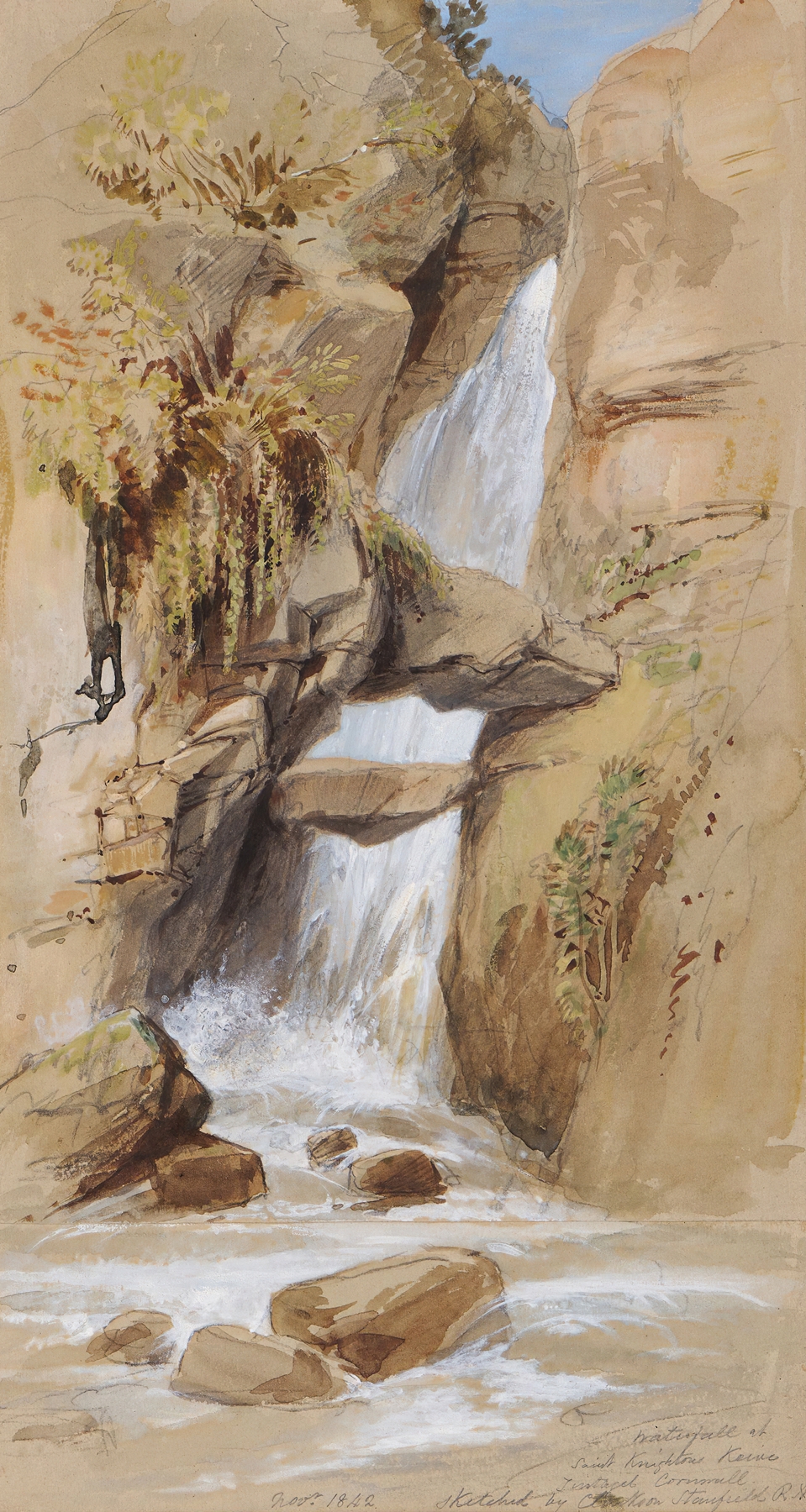
Clarkson Stanfield painted this dramatic scene during a time when the Romantic movement was flourishing, emphasizing nature’s power and beauty. In the mid-19th century, as industrialization began transforming society, artists sought to represent the sublime in nature, confronting both its magnificence and terror. This piece reflects his engagement with these ideas, channeling a turbulent world through the lens of awe-inspiring natural phenomena.