Mountain Landscape — History & Analysis
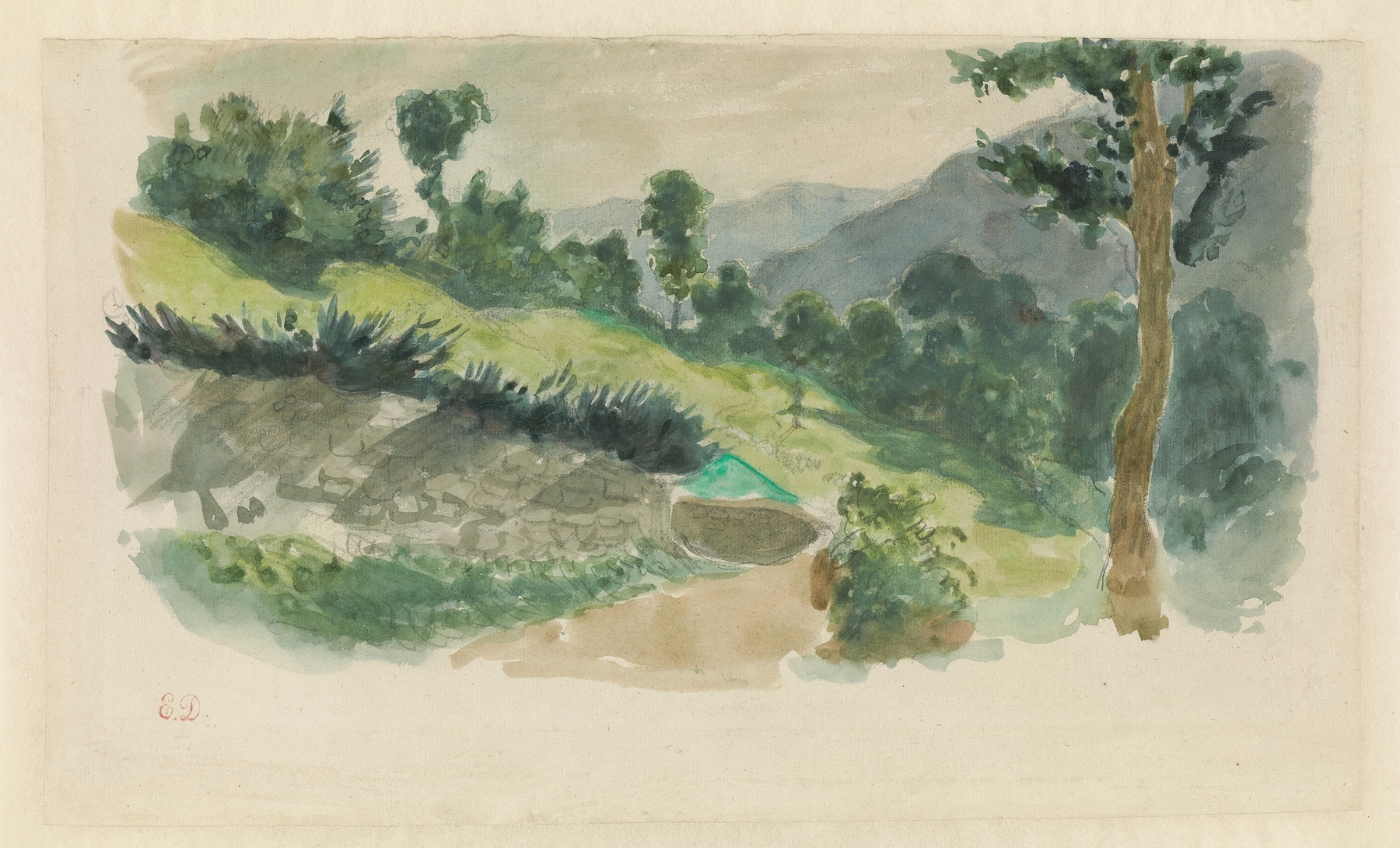
Could beauty survive in a century of chaos? In a world laden with turmoil and unrest, the sublime landscapes of nature often offer a sanctuary, a void filled with tranquillity. Look to the horizon where rugged peaks rise majestically against a sky splashed with vibrant hues of orange and blue. The sweeping brushstrokes create a dynamic interplay between light and shadow, inviting the viewer to traverse the rocky terrain and lose themselves in the vastness of the composition.
Notice how the gentle gradation of colors in the sky mirrors the tumultuous emotions that lie beneath, while the textured strokes evoke both grandeur and intimacy in this mountainous refuge. The painting encapsulates the tension between chaos and calm, with the starkness of the mountains symbolizing resilience amid a world in flux. Each rugged ridge and crevice tells a story, whispering of nature's indifference to human strife. The absence of human figures amplifies this sense of isolation, suggesting that beauty exists in solitude, undisturbed by the noise of civilization.
Eugène Delacroix created this work between 1840 and 1850, during a period when Romanticism was reaching its peak. He was grappling with shifting artistic ideals and political upheavals across Europe. As he navigated the complexities of his own life and the turbulent landscape of art, Mountain Landscape emerged as a testament to the enduring power of nature, capturing both the artist's internal struggles and the universal quest for serenity amidst chaos.