Mountain Landscape with Bridge — History & Analysis
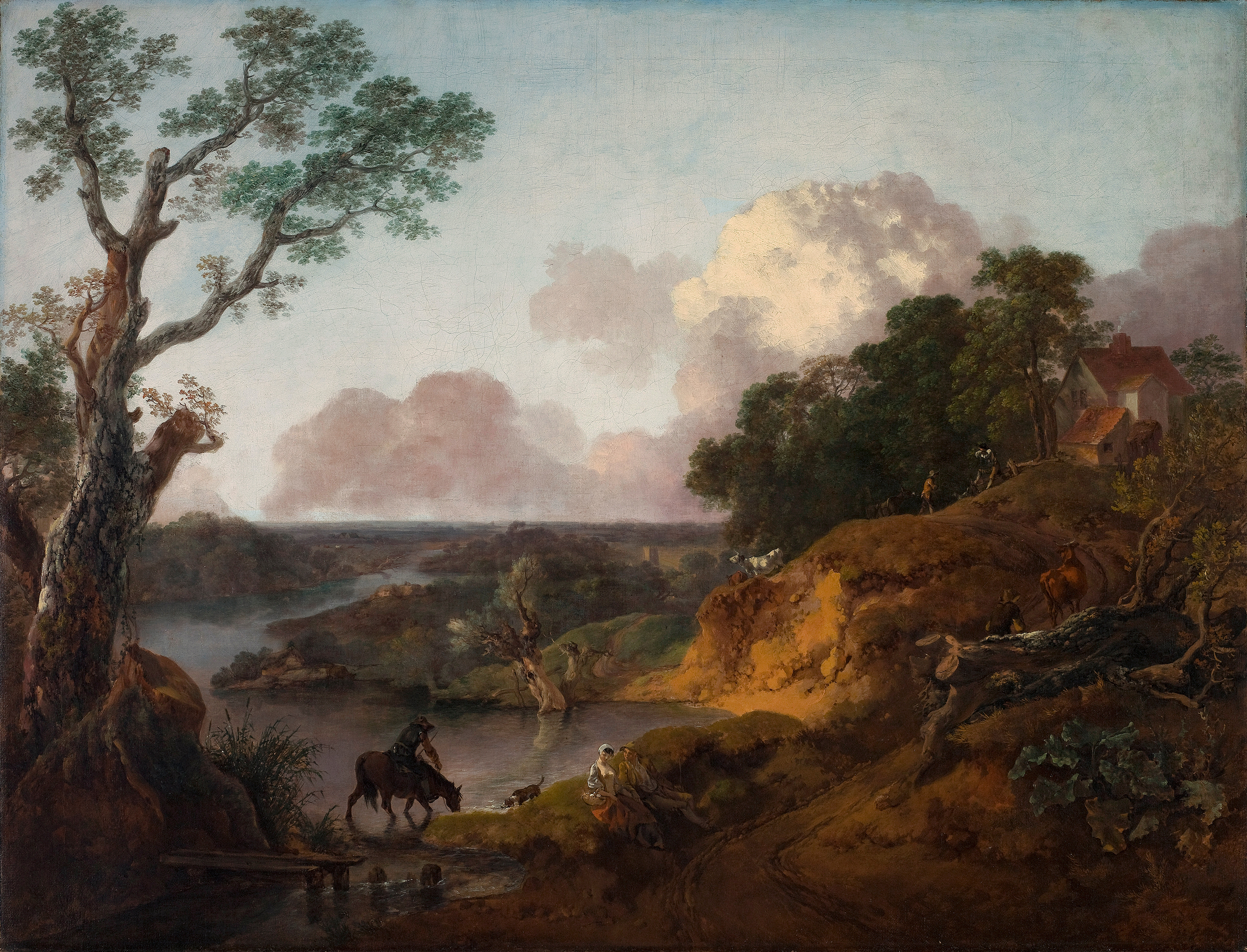
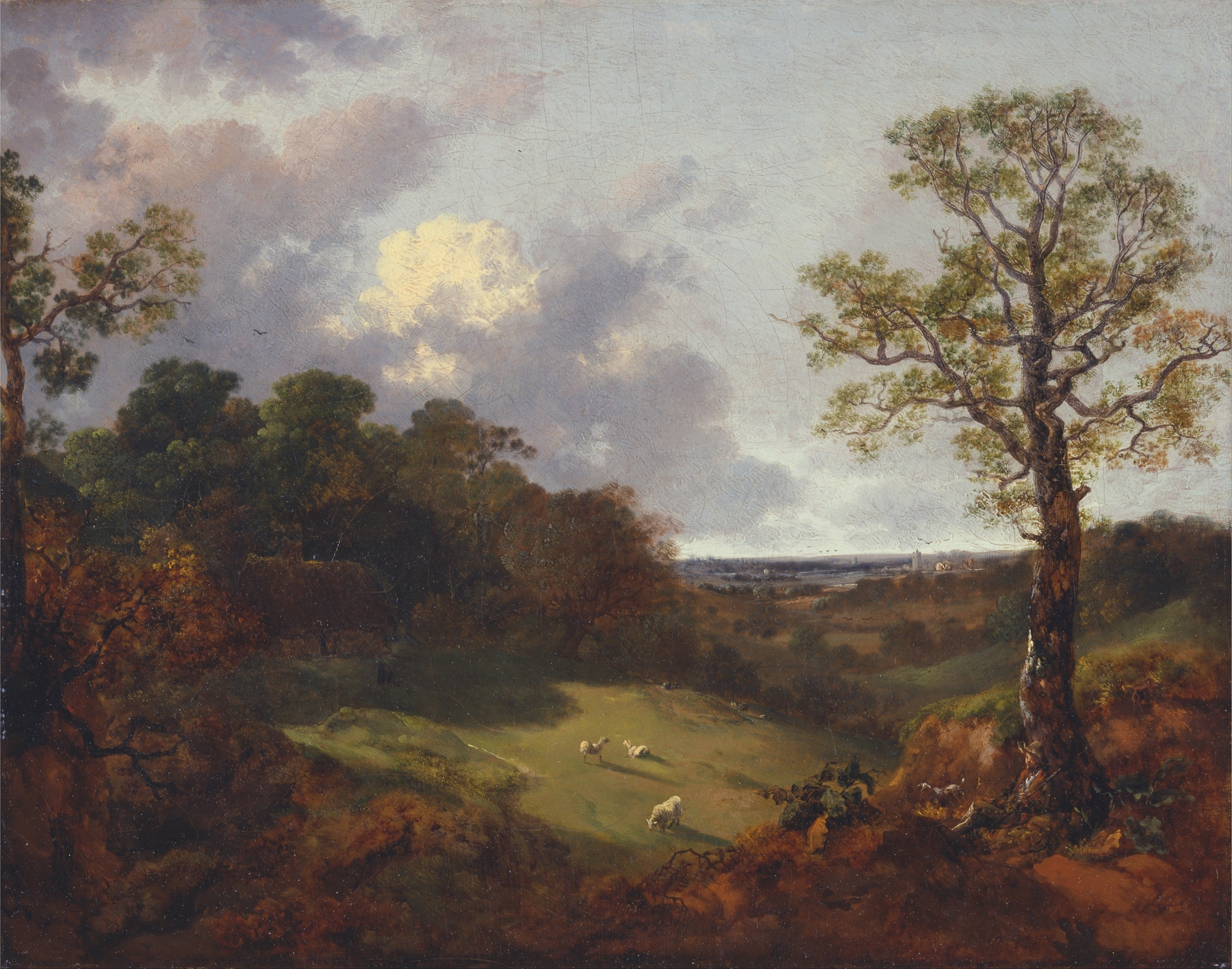
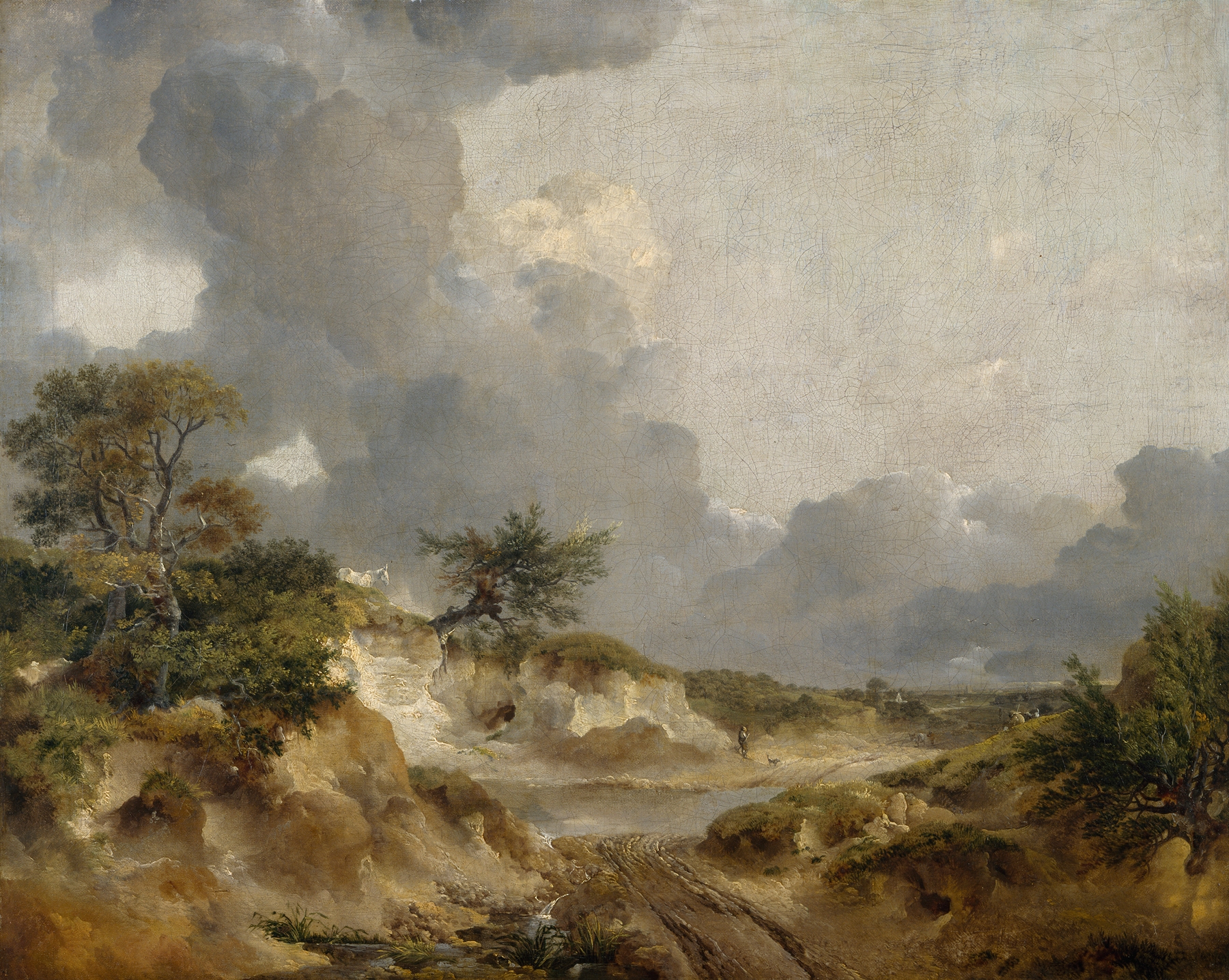
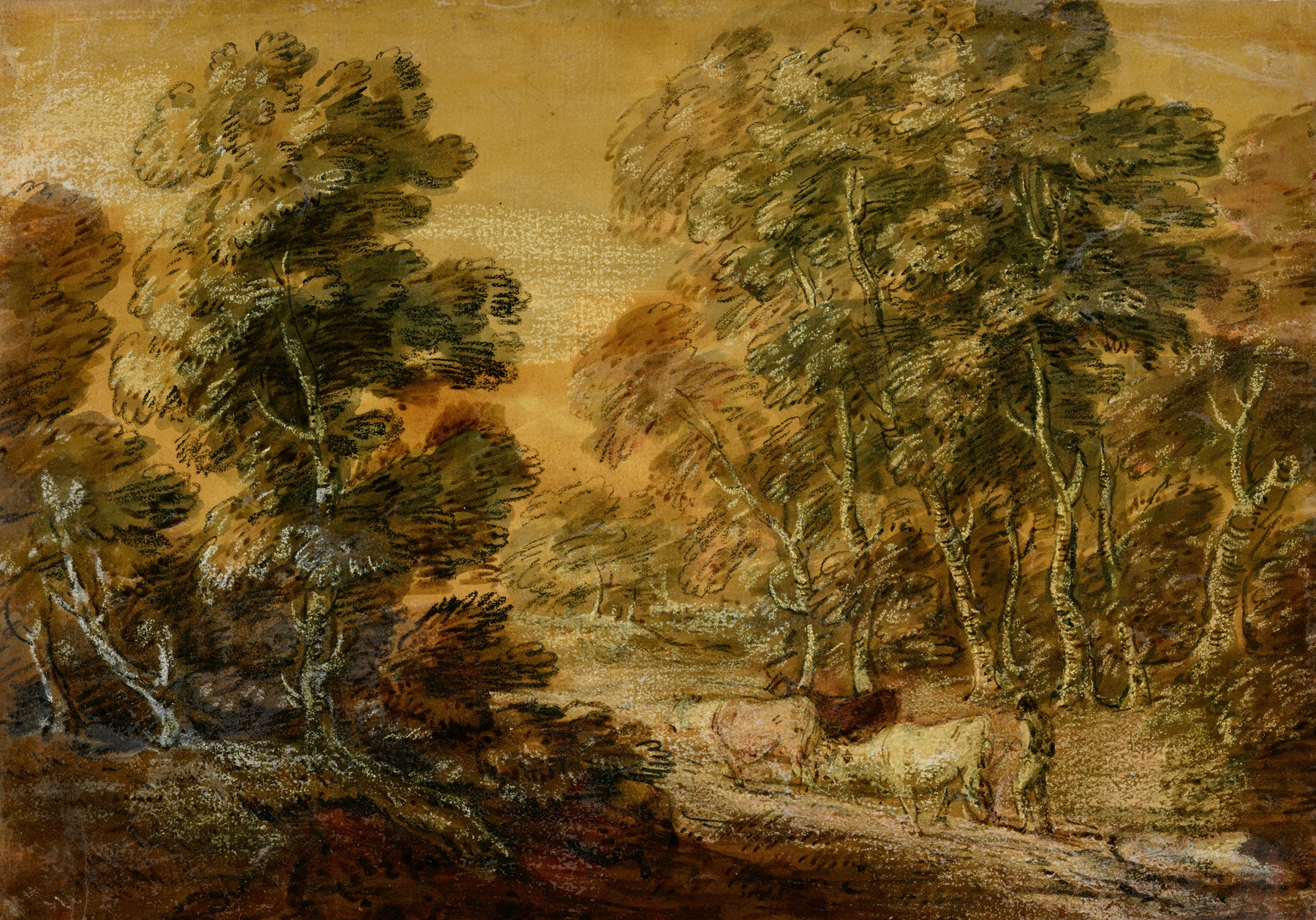
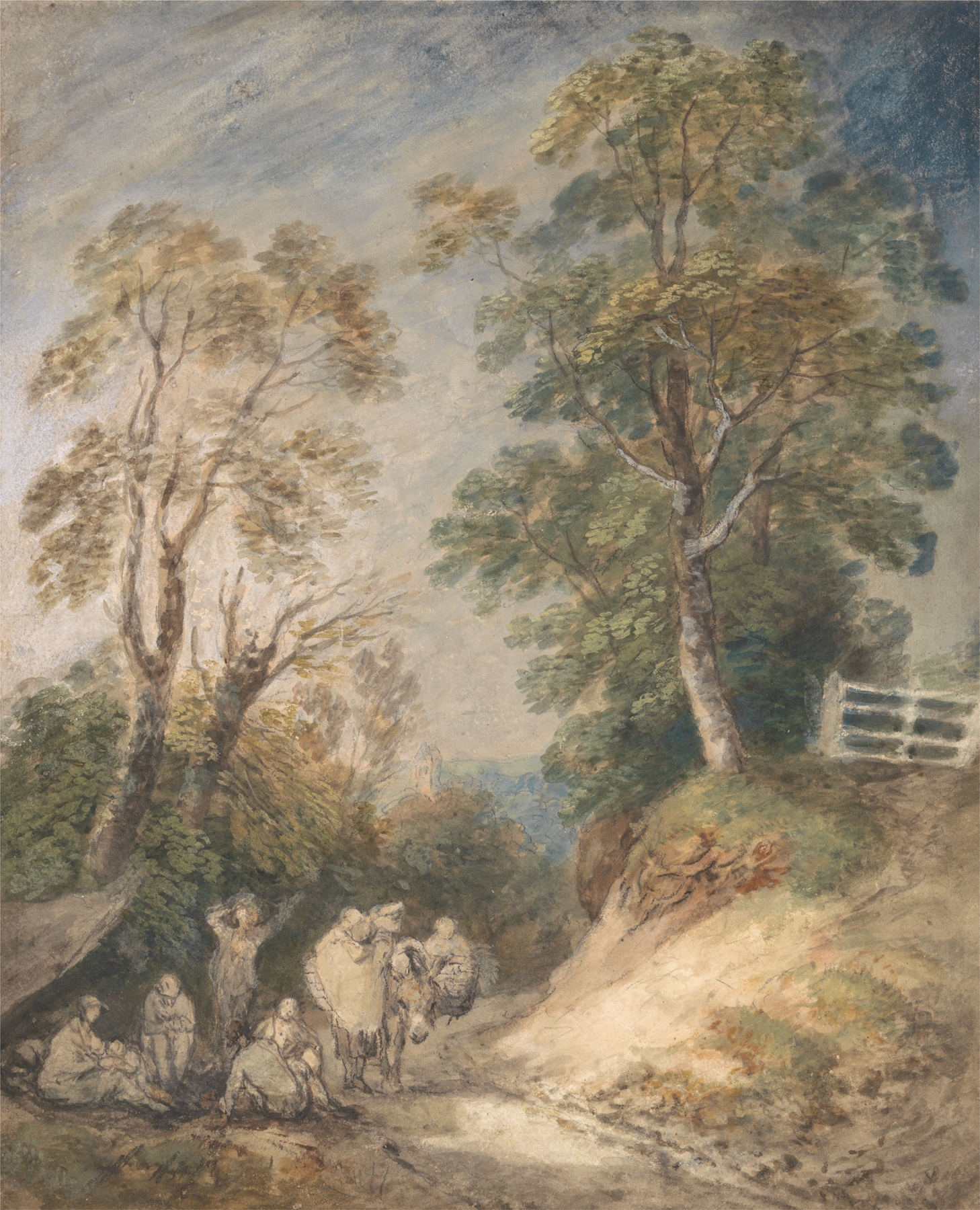
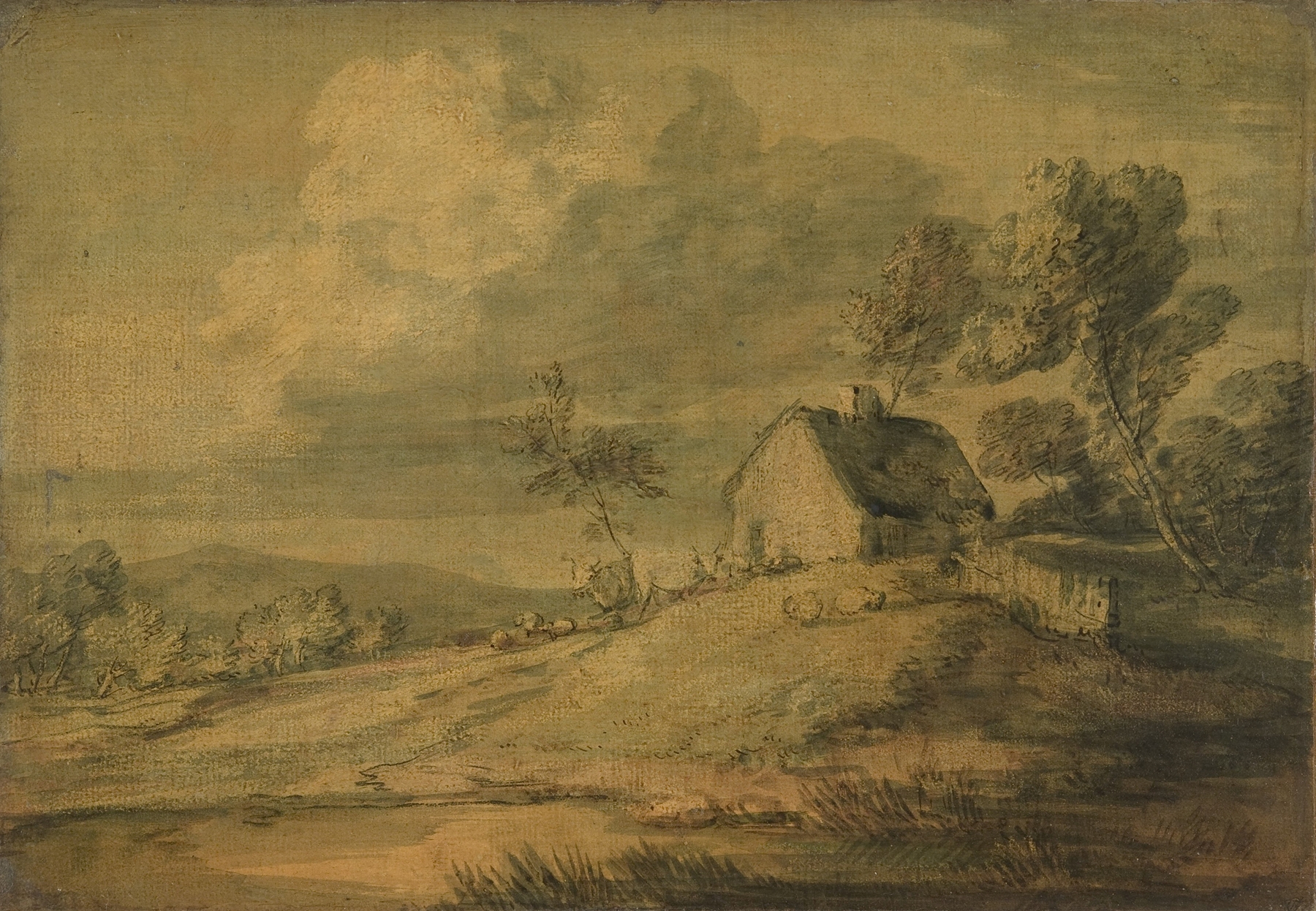
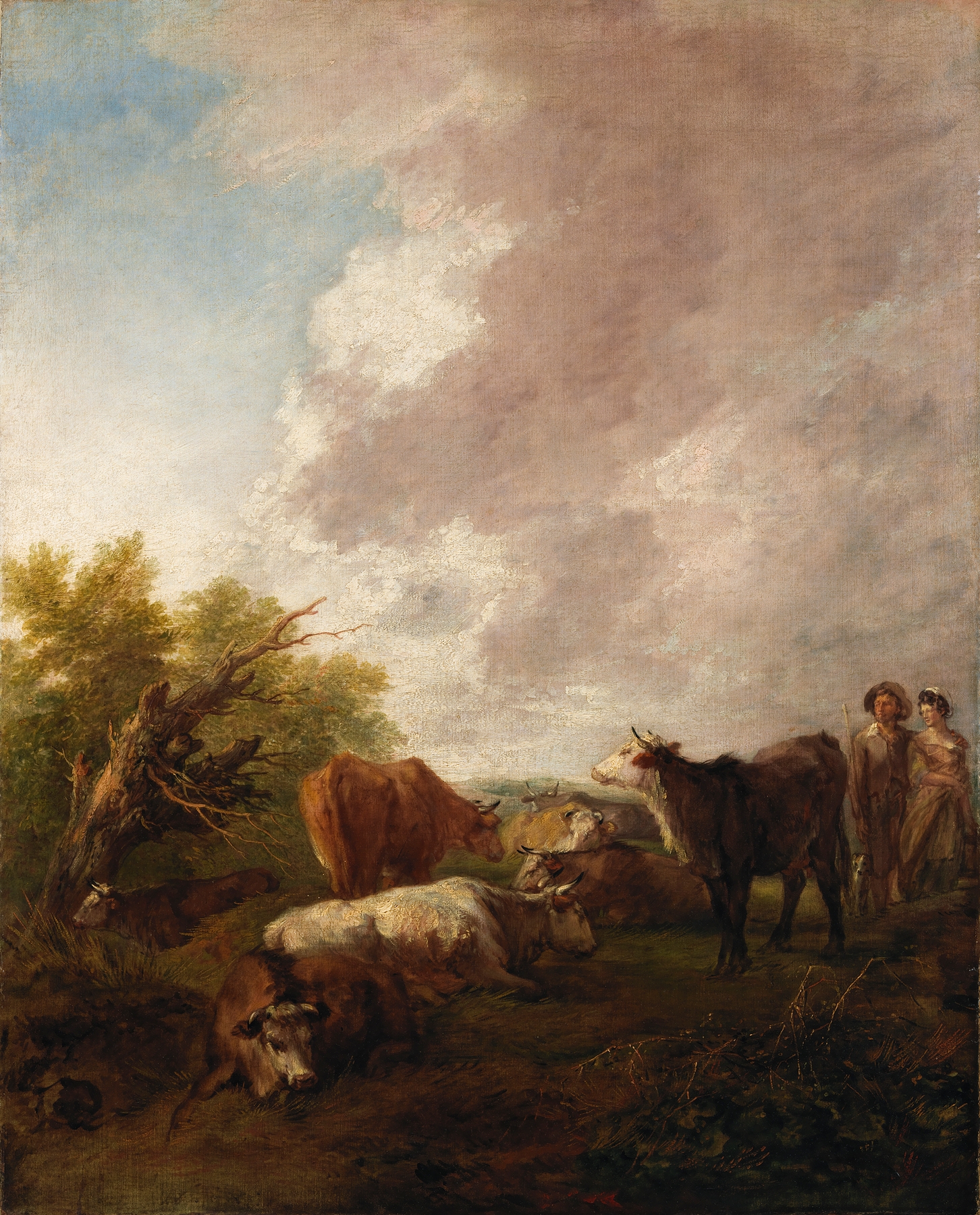
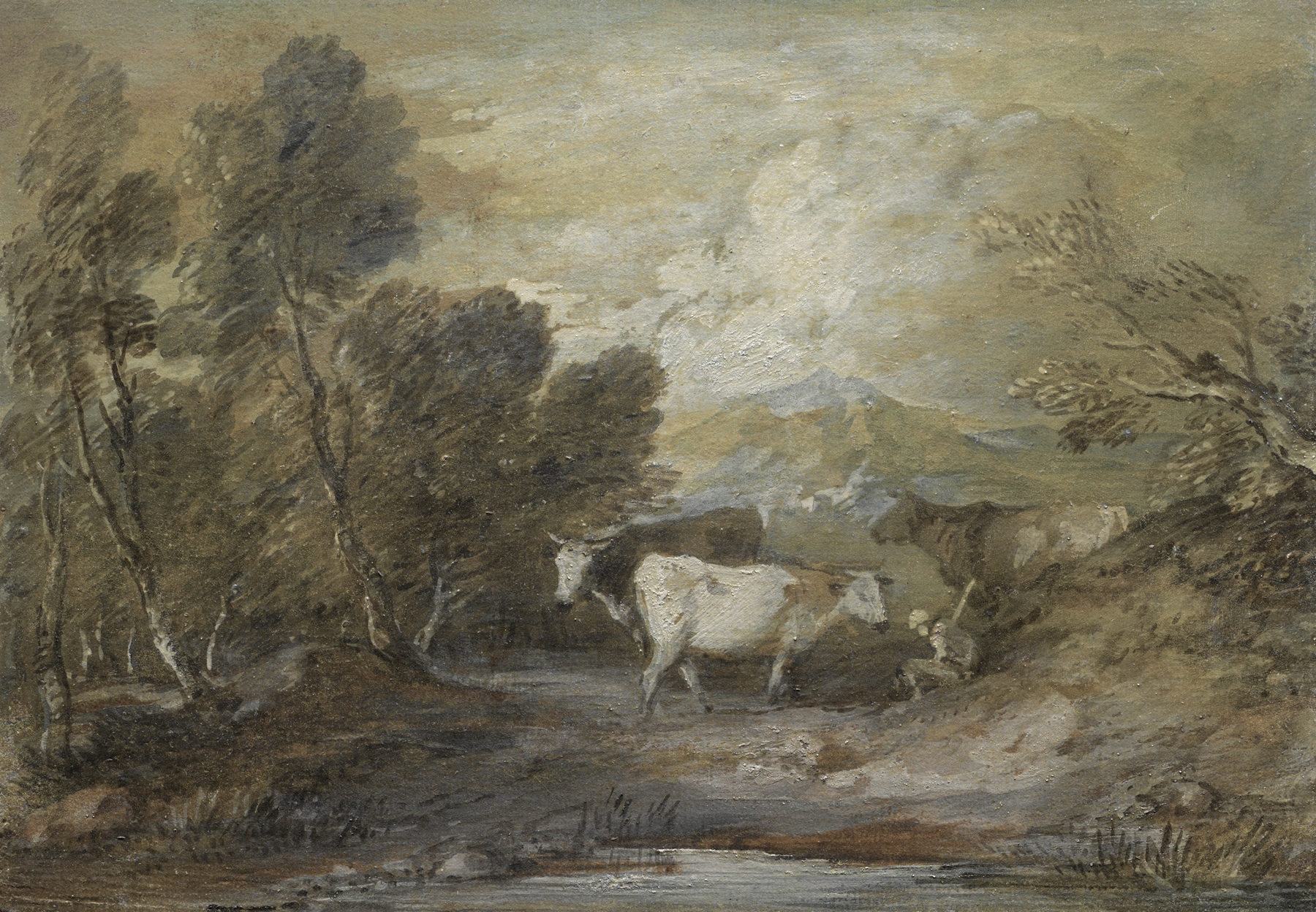
“Art reveals the soul when the world turns away.” In the stillness of a moment captured on canvas, the intricate interplay between memory and nature unfolds, inviting us to explore the depths of human experience amidst the vastness of the landscape. Look to the foreground, where a weathered stone bridge arcs gracefully over a gentle stream, its surface glinting with shimmering reflections. The lush greenery envelops the scene, with verdant trees swaying softly in the breeze, their leaves flickering in patches of sunlight. Gainsborough’s masterful brushwork creates a lively texture, pulling the viewer into the serene yet dynamic ambiance of the countryside, where tranquility reigns yet life abounds.
Beneath the surface of this picturesque landscape lie contrasts of permanence and transience. The solidity of the bridge stands as a testament to human endeavor, yet the flowing water beneath it symbolizes the passage of time and fading memories. The quietude of the scene invites introspection, suggesting a moment of pause where one can contemplate the cyclical nature of life and the fragments of memory that reside within us all. Each stroke conveys a sense of nostalgia for both the past and the enduring beauty of nature.
Created around 1783-1784, this work emerged from Gainsborough's deepening interest in landscape painting, a genre in which he sought to convey emotional resonance. During this period, he was living in Bath, England, an artistic hub with a vibrant community, where the appreciation for landscape art was burgeoning. Gainsborough’s focus on the relationship between nature and human experience positioned him as a pivotal figure in the transition towards Romanticism in art.