Mountainous landscape — History & Analysis
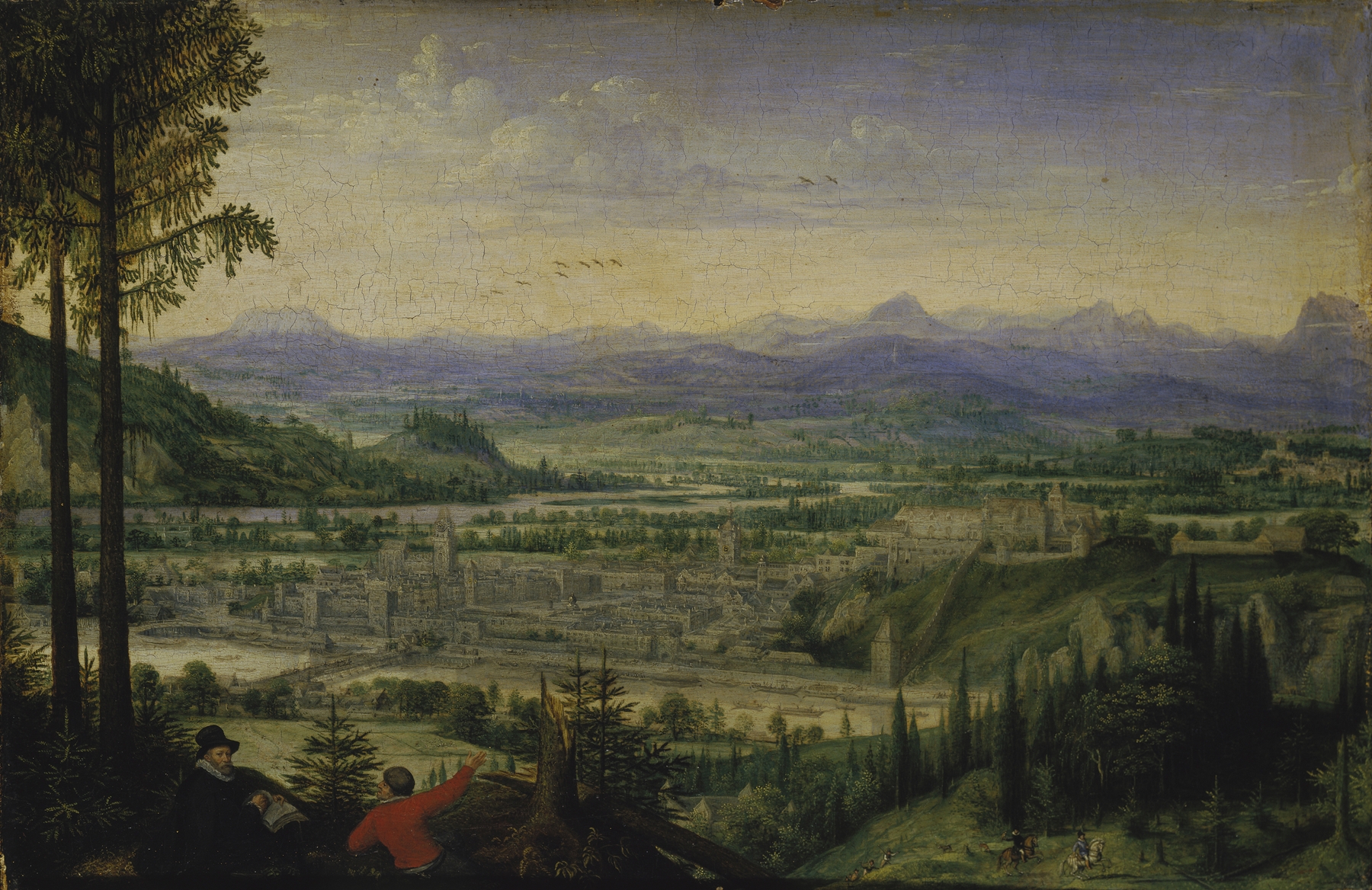
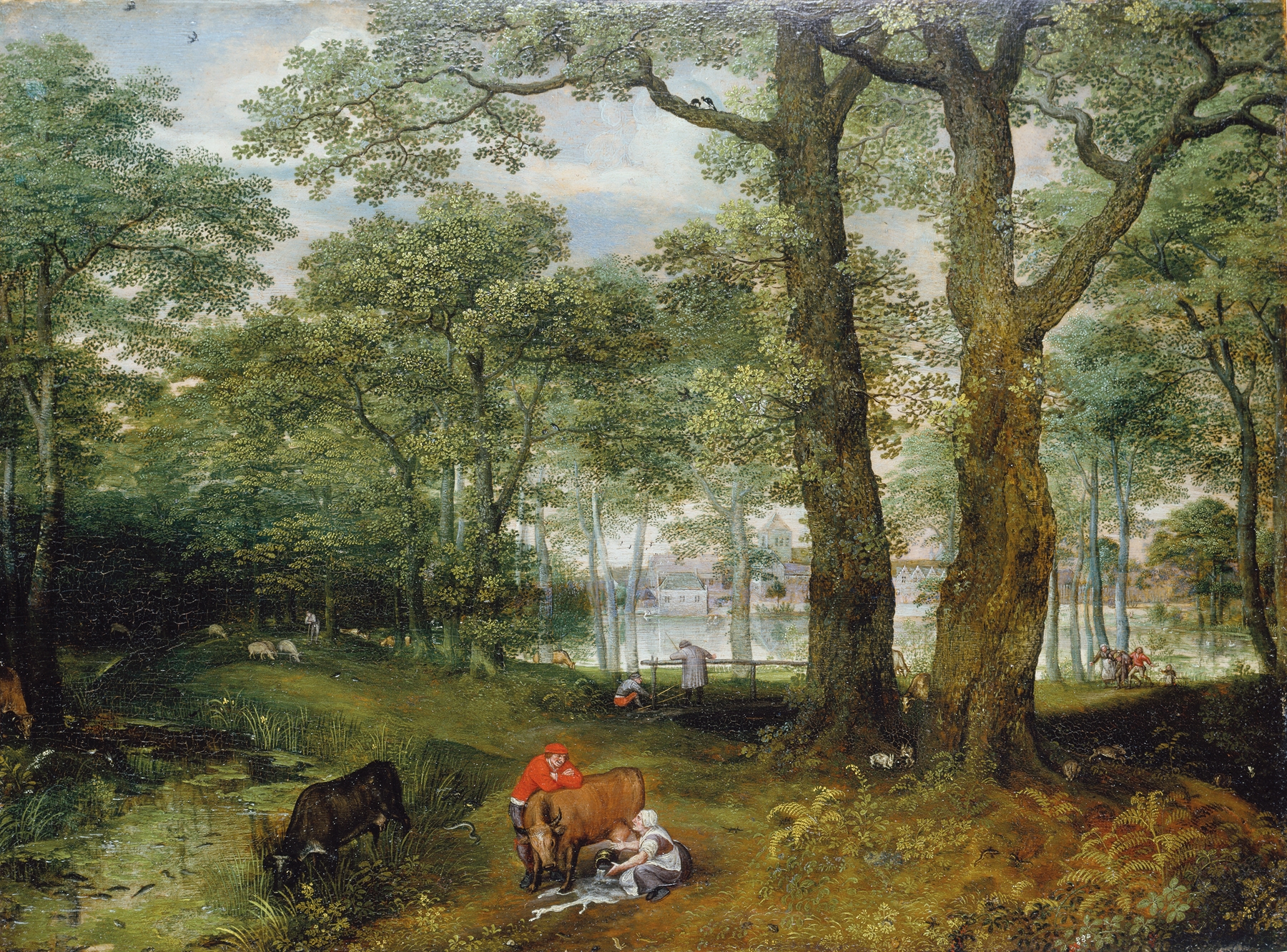
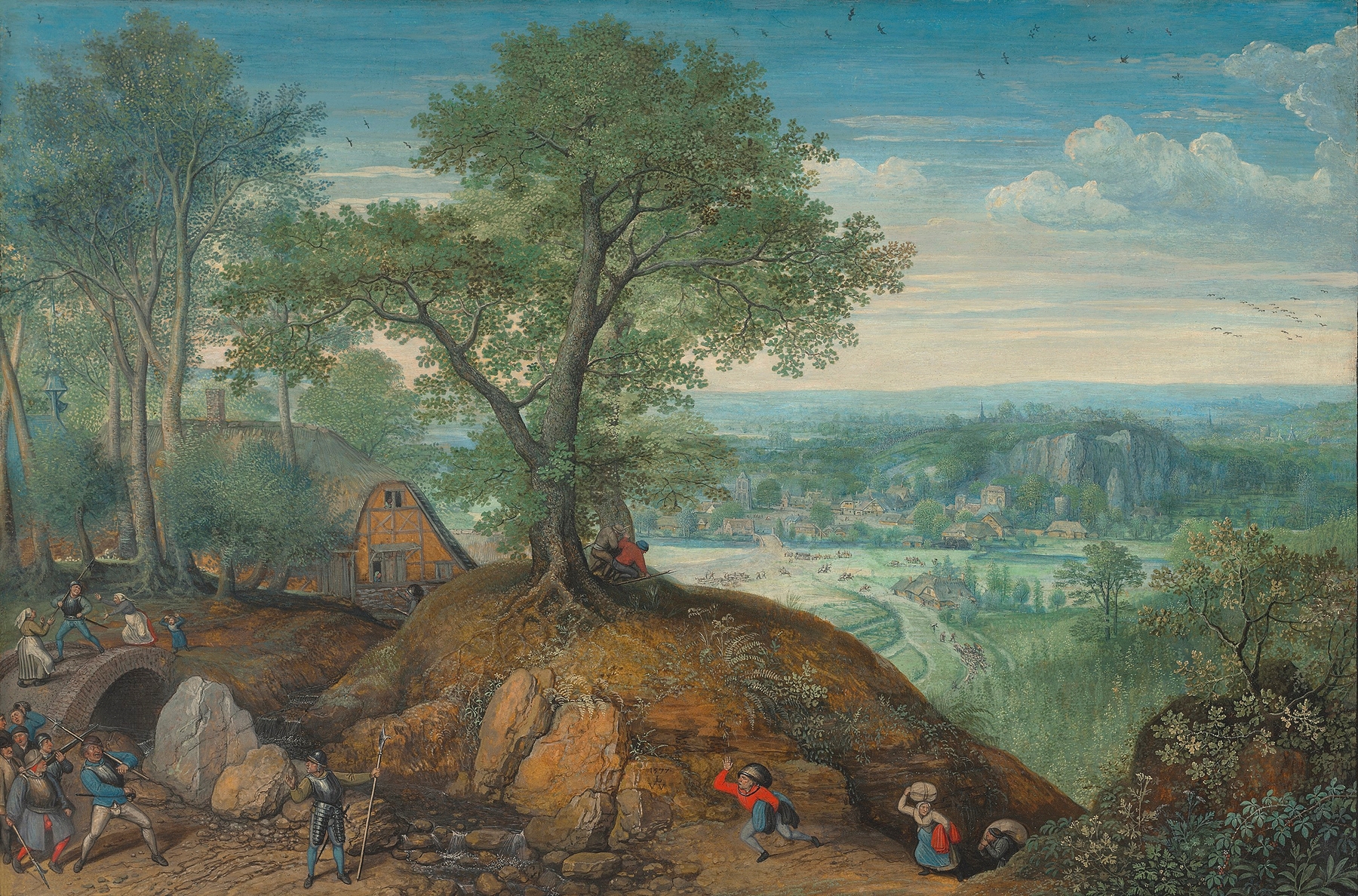
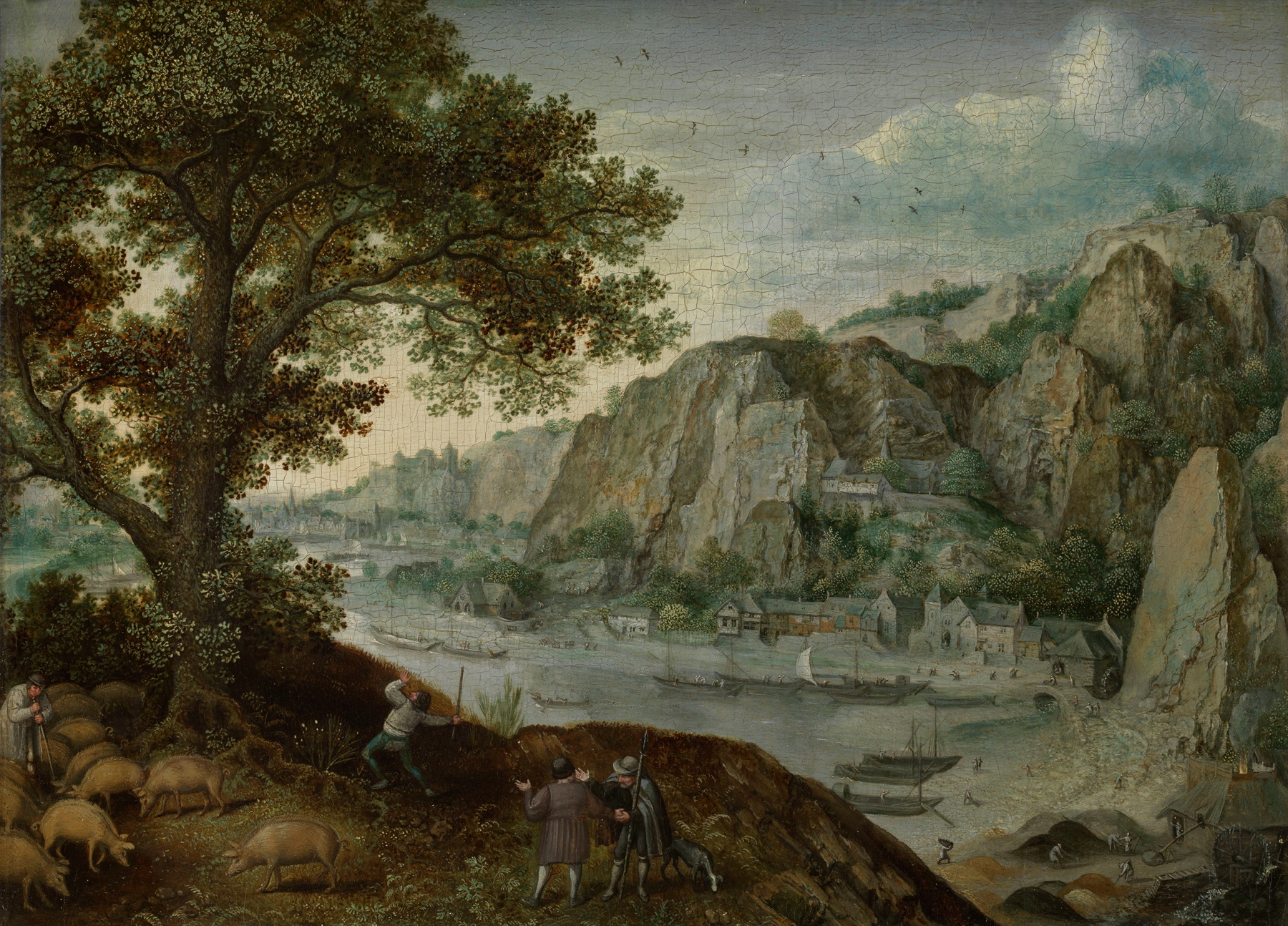
What secret hides in the quiet of the canvas? In a world where nature reigns supreme, yearning for connection and understanding echoes through every brushstroke. Focus on the sweeping expanse of mountains that stretches across the horizon, where peaks touch the sky. Notice how the cool blues and greys meld with accents of warm earth tones, creating a delicate balance between serenity and grandeur. The careful layering of clouds suggests an impending storm, beckoning the viewer to contemplate the tension between stillness and turbulence.
Your gaze should linger on the valleys below, where lush greens cradle hints of human presence, yet remain delightfully untouched. The interplay of light and shadow evokes both a sense of peace and a whisper of longing. Small figures traverse the landscape, illustrating humanity's insignificance against the monumental backdrop. This contrast amplifies the emotional weight of solitude and ambition; the mountains stand as symbols of challenges, while the figures embody the relentless desire to conquer or at least commune with nature.
Each detail, from the density of foliage to the distant reflections in a tranquil stream, contributes to an overarching narrative of human aspiration amidst the vastness of existence. In 1582, Lucas van Valckenborch painted this work during a time of significant transition in the art world, as the Northern Renaissance began to flourish. Living in Flanders, he was influenced by the emerging trends of landscape painting that emphasized natural beauty and emotional resonance. The socio-political climate of the period, rife with exploration and discovery, fueled his artistic expression, allowing him to capture the duality of human experience in relation to the sublime power of nature.