Animals Grazing beneath Trees — History & Analysis
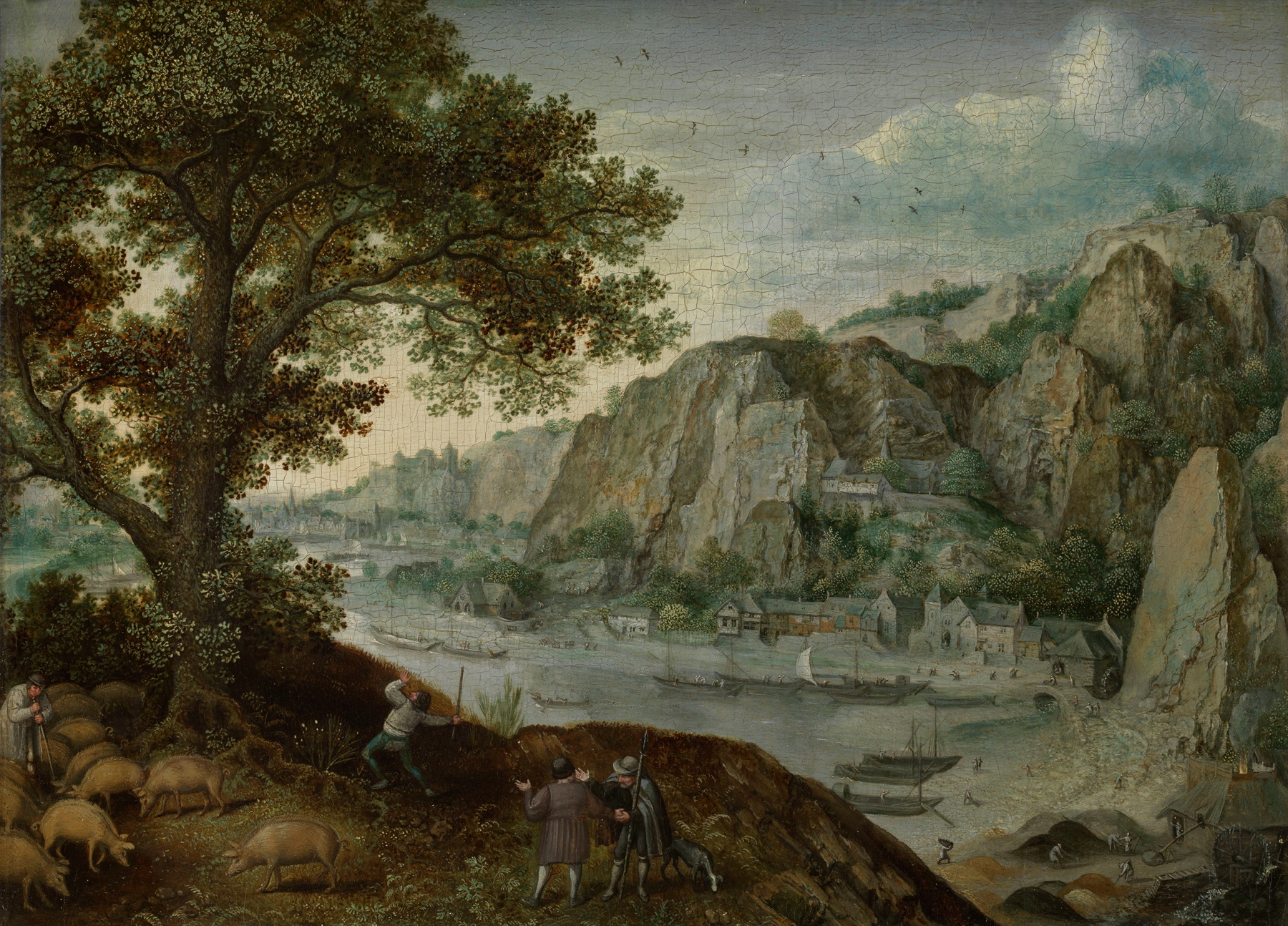
“Sometimes beauty is just pain, disguised in gold.” In a world where desire sways the heart, the harmony of nature often conceals a deeper longing. It is within this duality that we find ourselves drawn to the tranquil yet poignant scene before us. Look to the left, where lush, verdant trees arch gracefully over grazing animals, their forms softly illuminated by warm, dappled light. The rich greens of the foliage contrast beautifully with the earthy browns of the animals, enhancing the sense of natural abundance. Notice the careful arrangement of the composition, leading your eye across the serene landscape, a testament to the artist’s skill in balancing detail with tranquility.
Each brushstroke whispers of a moment suspended in time, inviting contemplation. Yet, as calm as it appears, the work resonates with a subtle disquiet. The animals, while seemingly at peace, hint at vulnerability, their existence tethered to the whims of nature. The trees, towering sentinels, cast shadows that suggest both protection and entrapment, embodying the tension between desire for freedom and the instinct to conform.
In this scene, the lushness of life stands in stark contrast to the fragility underlying nature’s beauty. In 1573, during a time when the Northern Renaissance was flourishing, Lucas van Valckenborch painted this work in his native Flanders. As the art world blossomed with realism and attention to detail, he embraced these trends, reflecting the vibrant natural world around him. The period was marked by rising interest in landscapes and the human experience within them, positioning his work as both a celebration and a meditation on the complexities of desire and existence.