Huy viewed from Ahin — History & Analysis
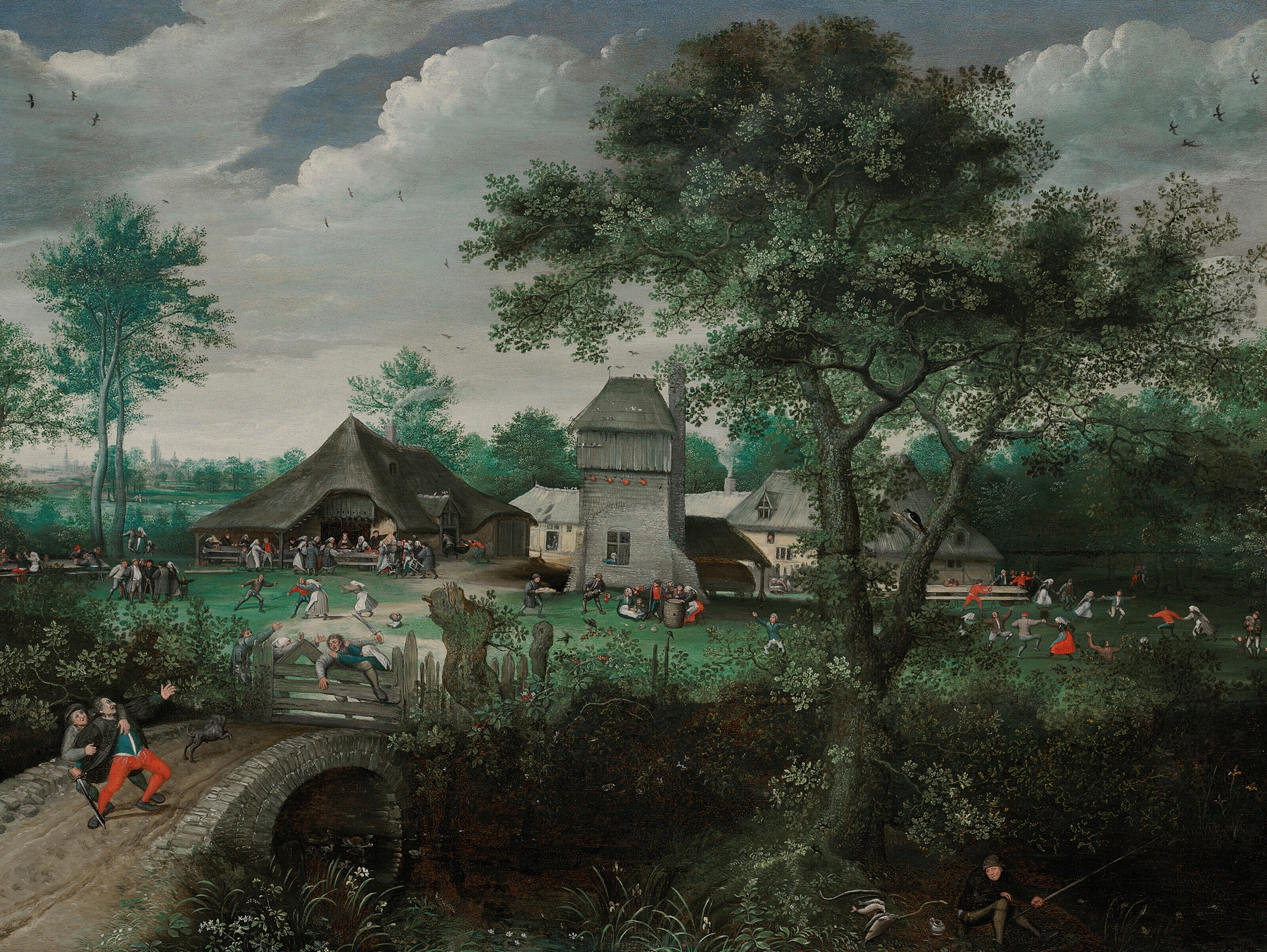
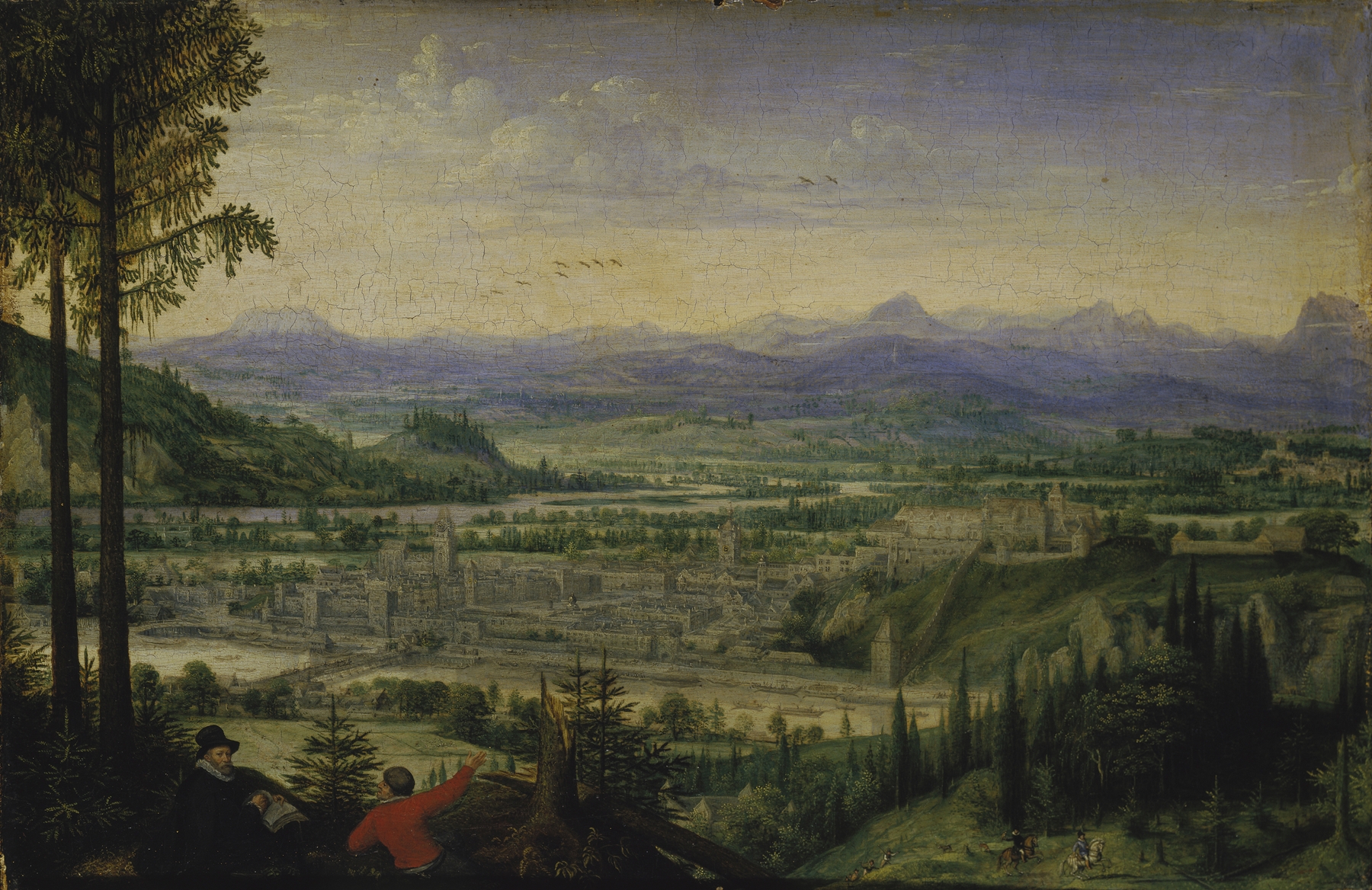
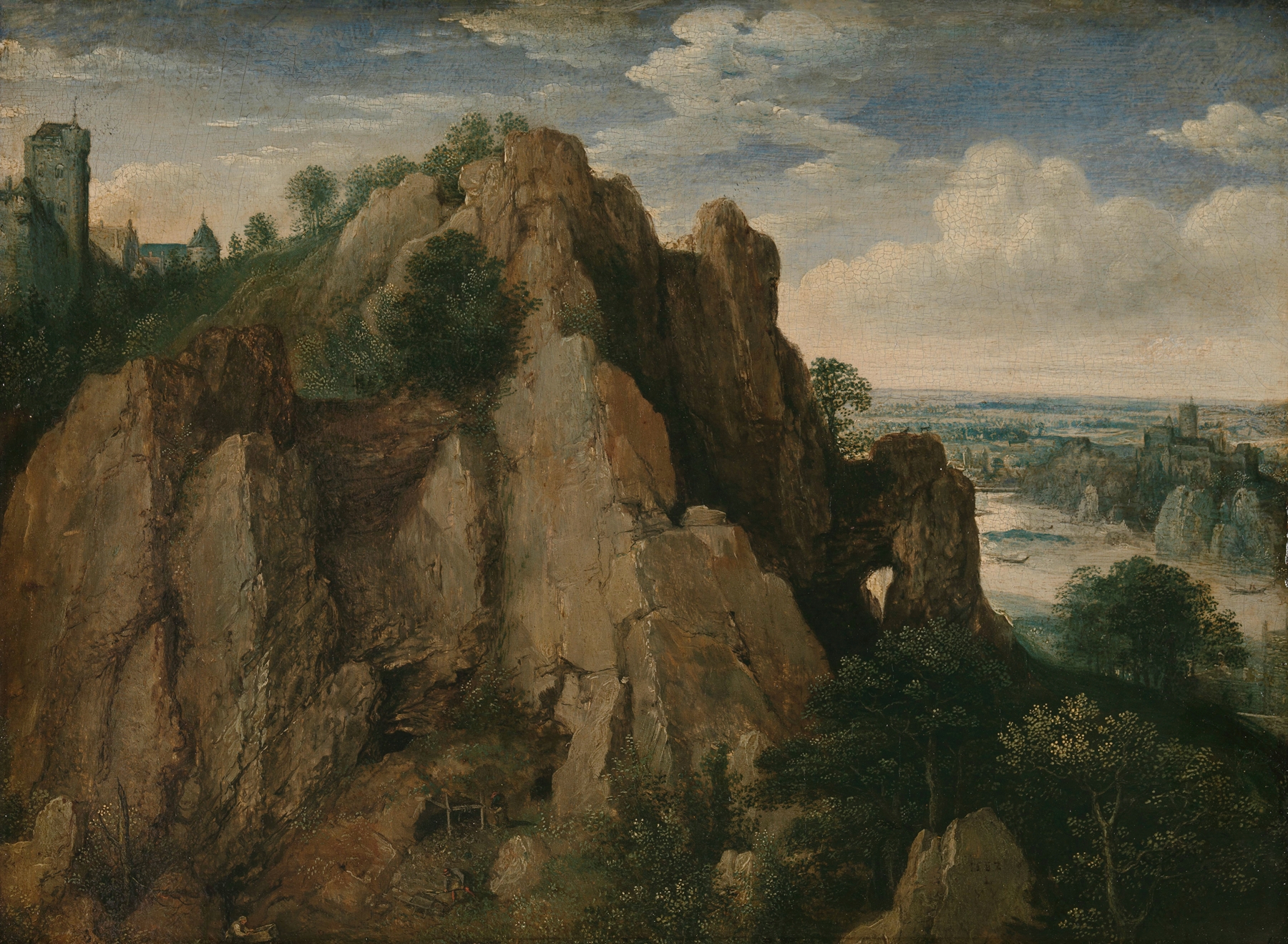
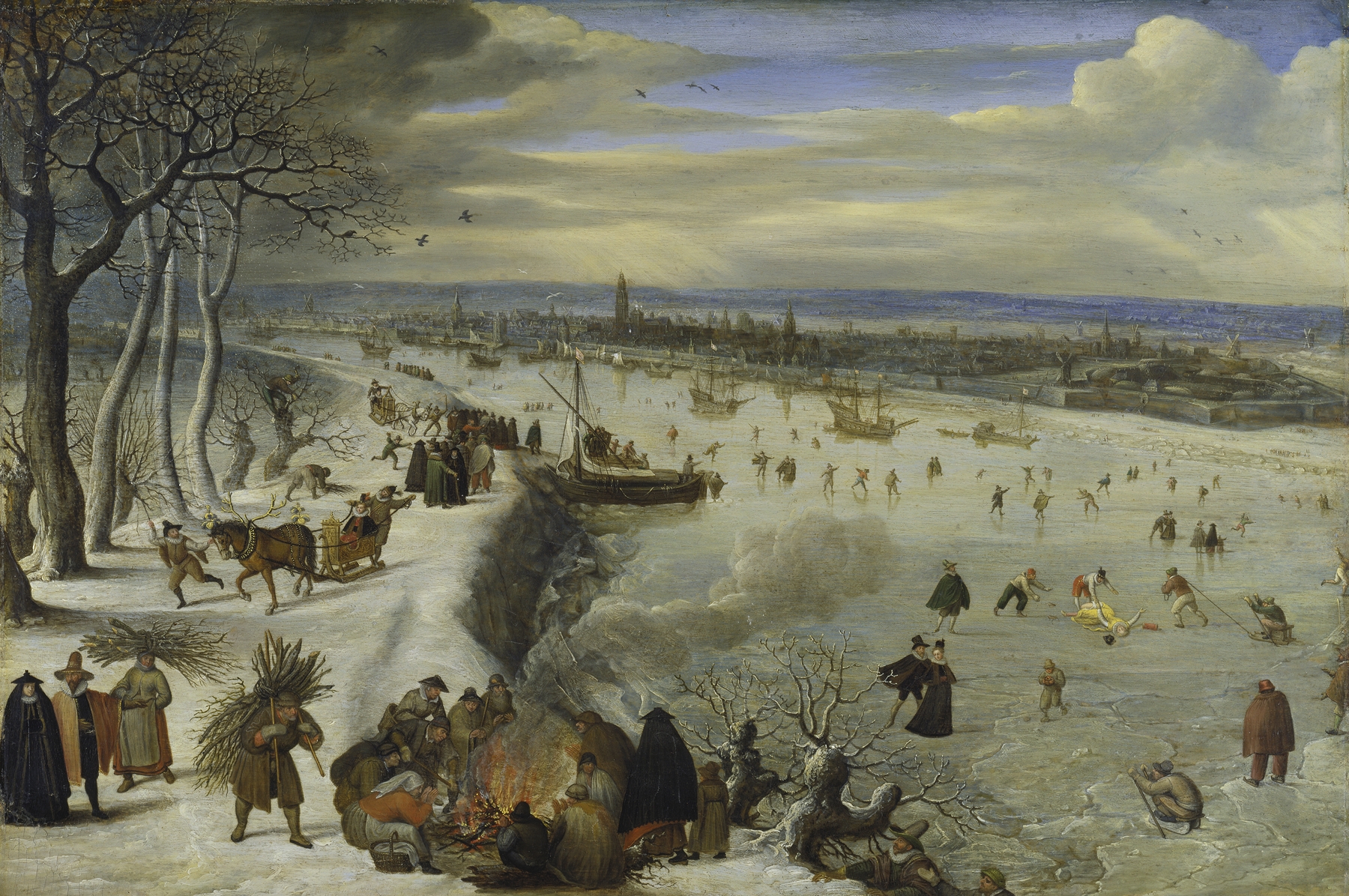
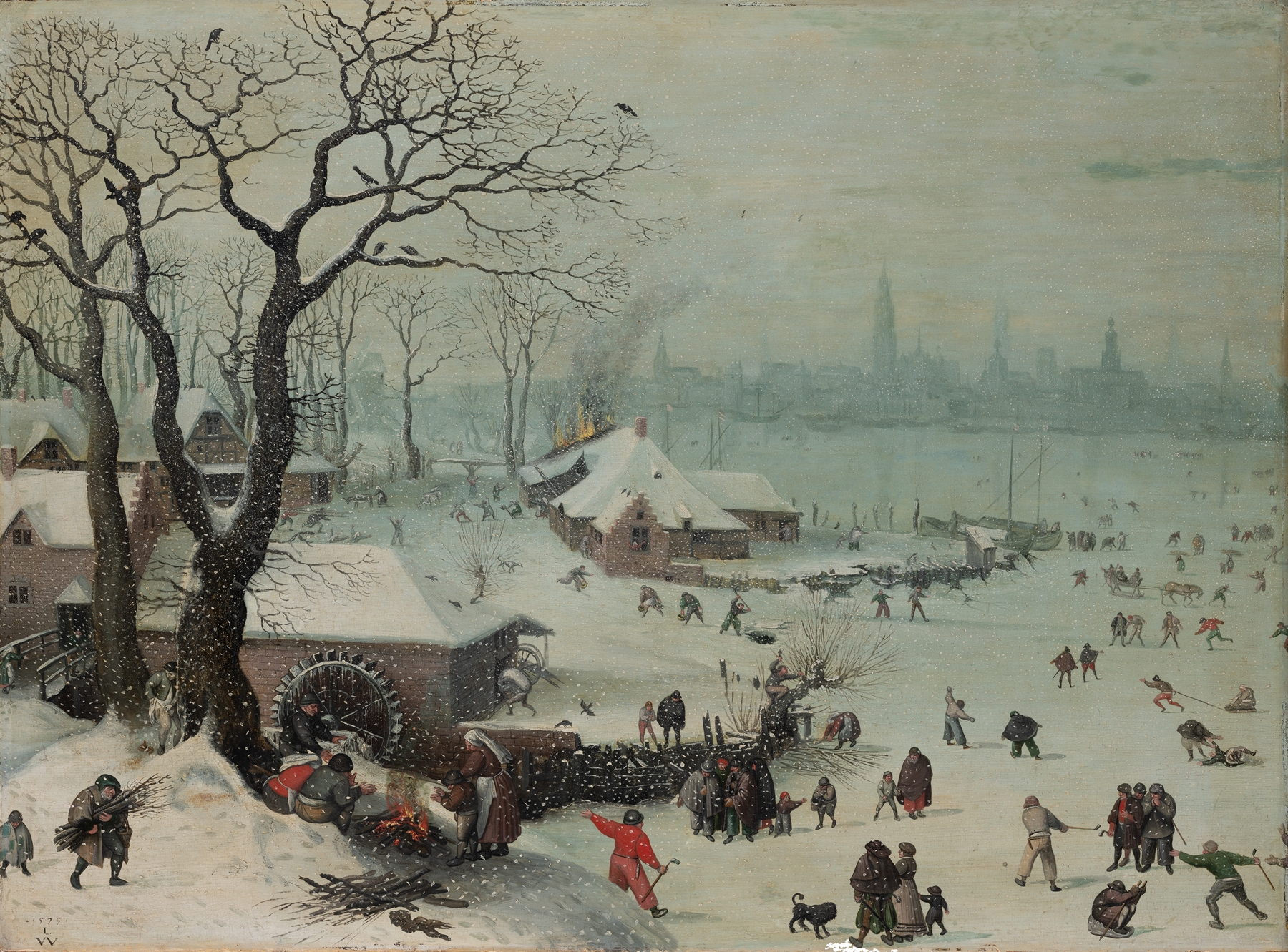
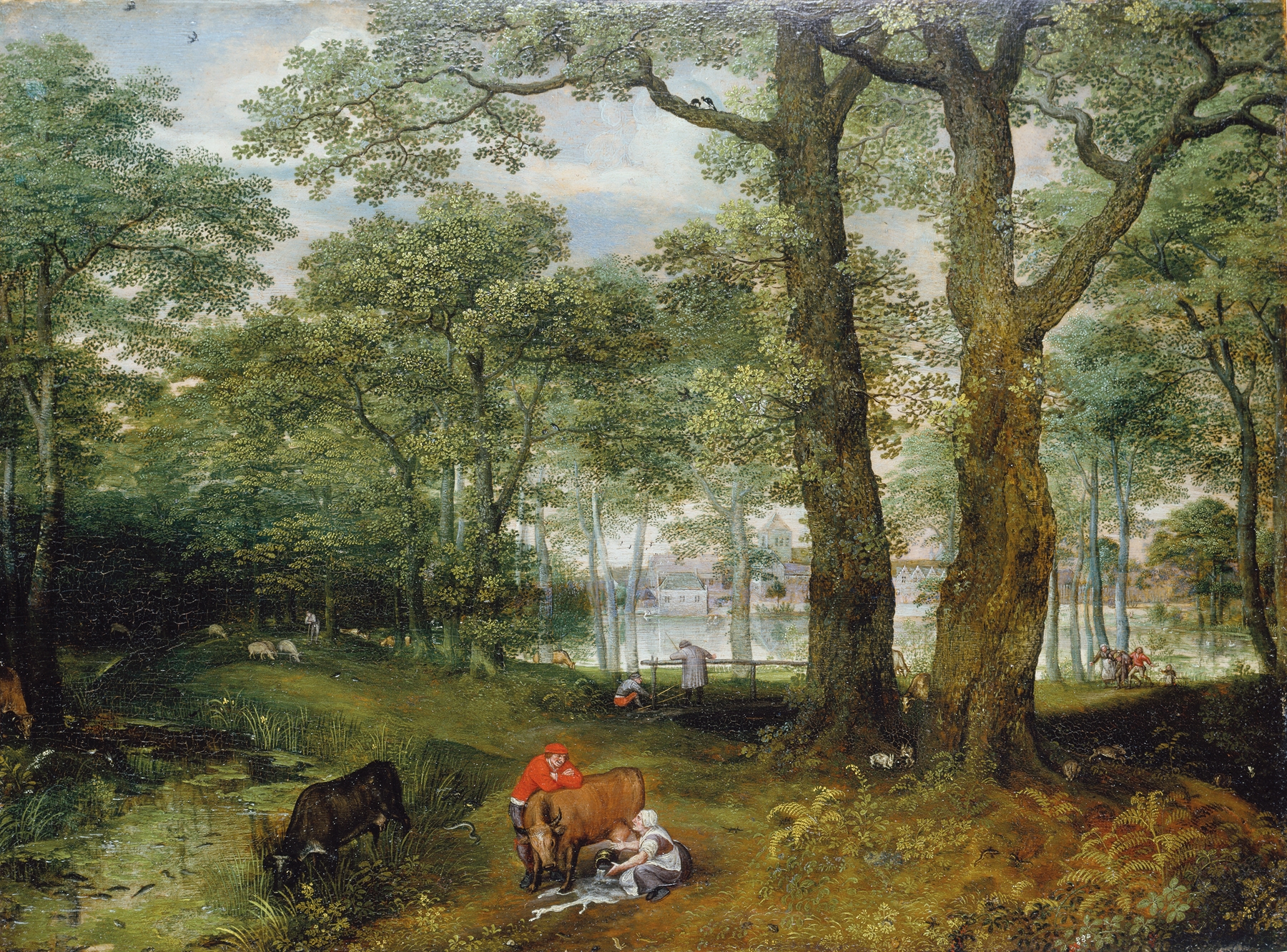
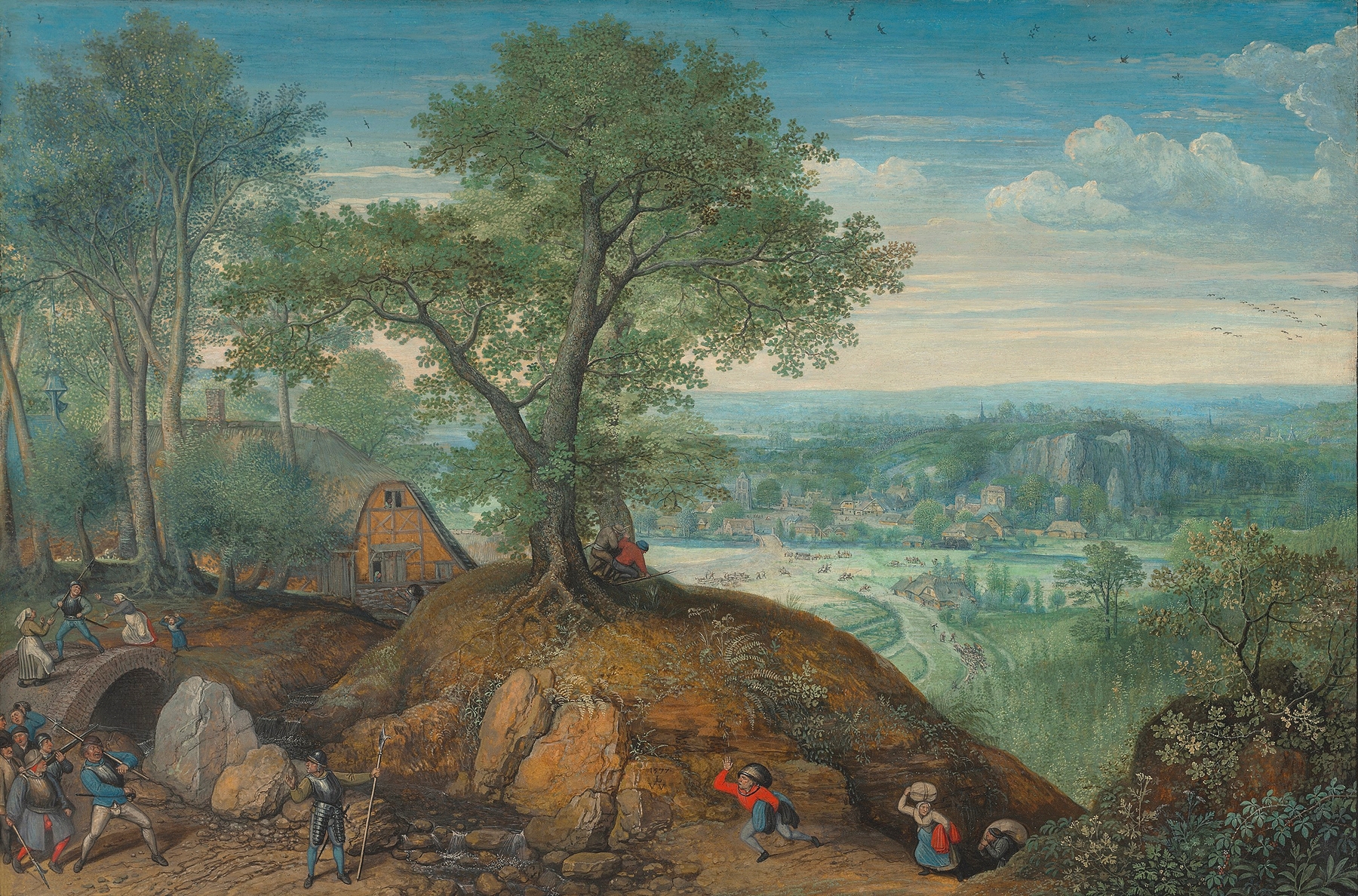
“Art reveals the soul when the world turns away.” In the quiet embrace of a landscape, a scene unfolds, drawing the viewer into a sanctuary of calm and beauty. Focus on the expansive horizon, where gentle hills cradle a tranquil river. The pastel hues of dawn wash over the canvas, infusing life into the sprawling fields and distant mountains. The artist’s delicate brushwork captures the furtive movement of the water, reflecting the soft light that glimmers like whispers across the surface.
Each layer of color invites the eye to wander, inviting contemplation of the serene world that lies beyond. Hidden within this landscape are contrasts that speak volumes of our inner lives. The juxtaposition of the placid river against the distant mountains suggests a journey both physical and emotional—a passage through peacefulness and the unknown. The contemplative nature of the piece invites reflection on solitude and the serenity found in nature, evoking a sense of connection that transcends mere observation.
Lucas van Valckenborch created this work during a period of artistic transition in the late Renaissance. While the exact date remains uncertain, it is clear that this era was marked by a growing interest in landscapes as a genre, emphasizing the beauty of the natural world. Valckenborch's focus on serenity and the harmonious relationship between humanity and nature reflects not only his personal vision but also the broader artistic movements of his time, where nature began to be celebrated as a source of inspiration and introspection.