View of Linz with Artist Drawing in the Foreground — History & Analysis
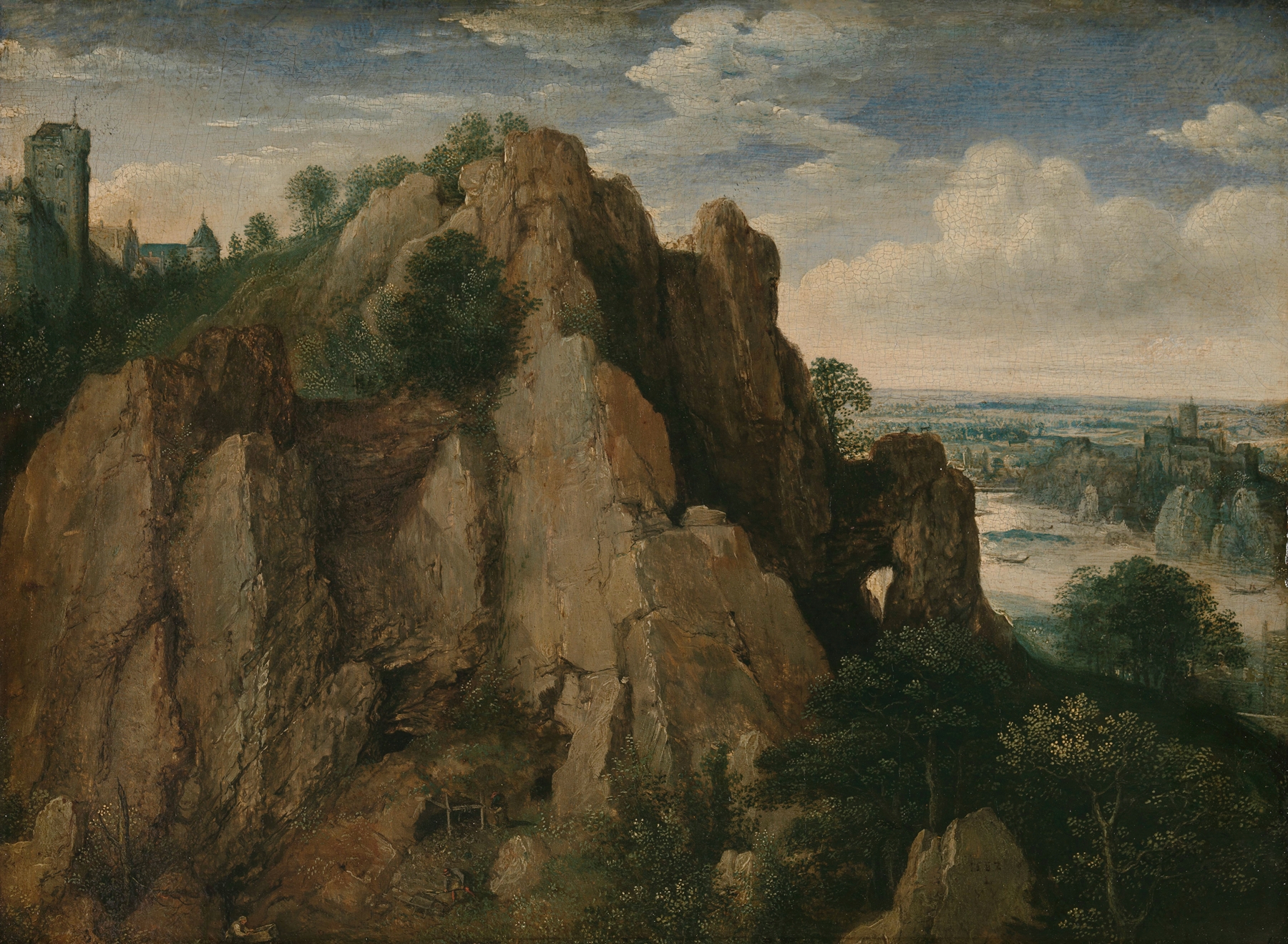
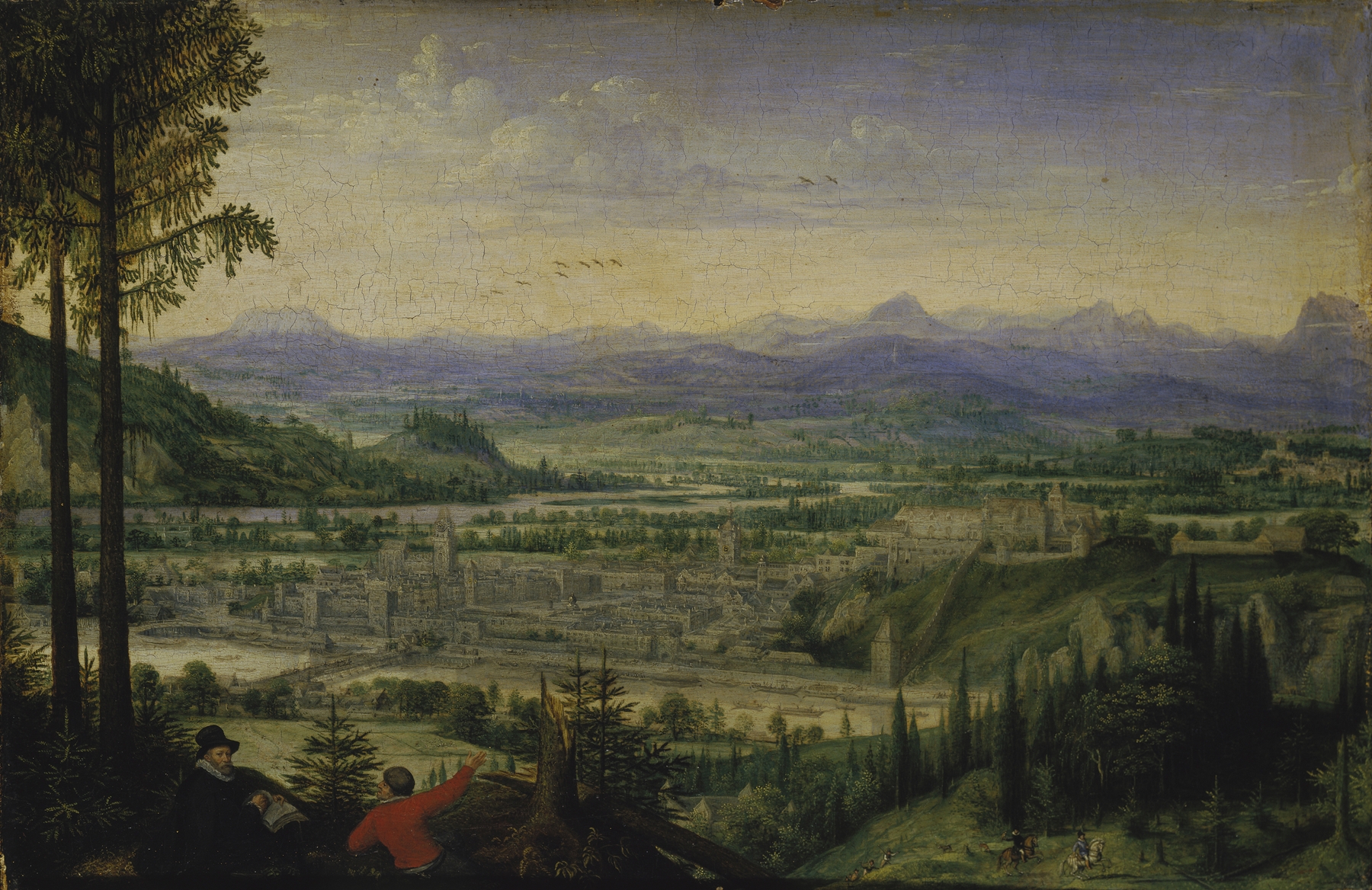
What if silence could speak through light? In View of Linz with Artist Drawing in the Foreground, the interplay of illumination and shadow invites us into a world teetering on the edge of madness, where the artist's focus contrasts with the chaotic beauty around him. Look to the left at the artist, absorbed in his drawing, a delicate figure framed against a vast backdrop of the town of Linz. The meticulous detail captures each stroke of his quill, while the ethereal light softly bathes his face.
Notice how the rolling hills in the background are painted in a vibrant green, receding into a dimming sky, juxtaposing the lively yet solitary act of creation with the sprawling, almost overwhelming panorama of civilization. The colors shift from warm earth tones near the foreground to cooler blues and grays in the distance, evoking a feeling of both intimacy and isolation. Amidst the tranquil scene, there lies a tension: the artist’s gaze is transfixed on capturing the landscape, yet what emerges is a reflection of the madness inherent in the struggle for artistic truth. The connection between the creator and the world around him raises questions about perception, reality, and the artist’s place within it.
The blurred line between observation and obsession looms large, suggesting an unsteady balance between inspiration and madness. Painted in 1593, this work emerged during a time when artists were grappling with the transformation of the world around them as the Renaissance ideals began to falter. Van Valckenborch, working in Antwerp, was keenly aware of the shifts in both art and society, as the intricate interplay of nature and man became a focal point. This piece encapsulates his response to those changes, grounding the chaotic fervor of the age within the intimate act of creation.