A landscape with a peasant wedding and a village festival, Antwerp beyond — History & Analysis
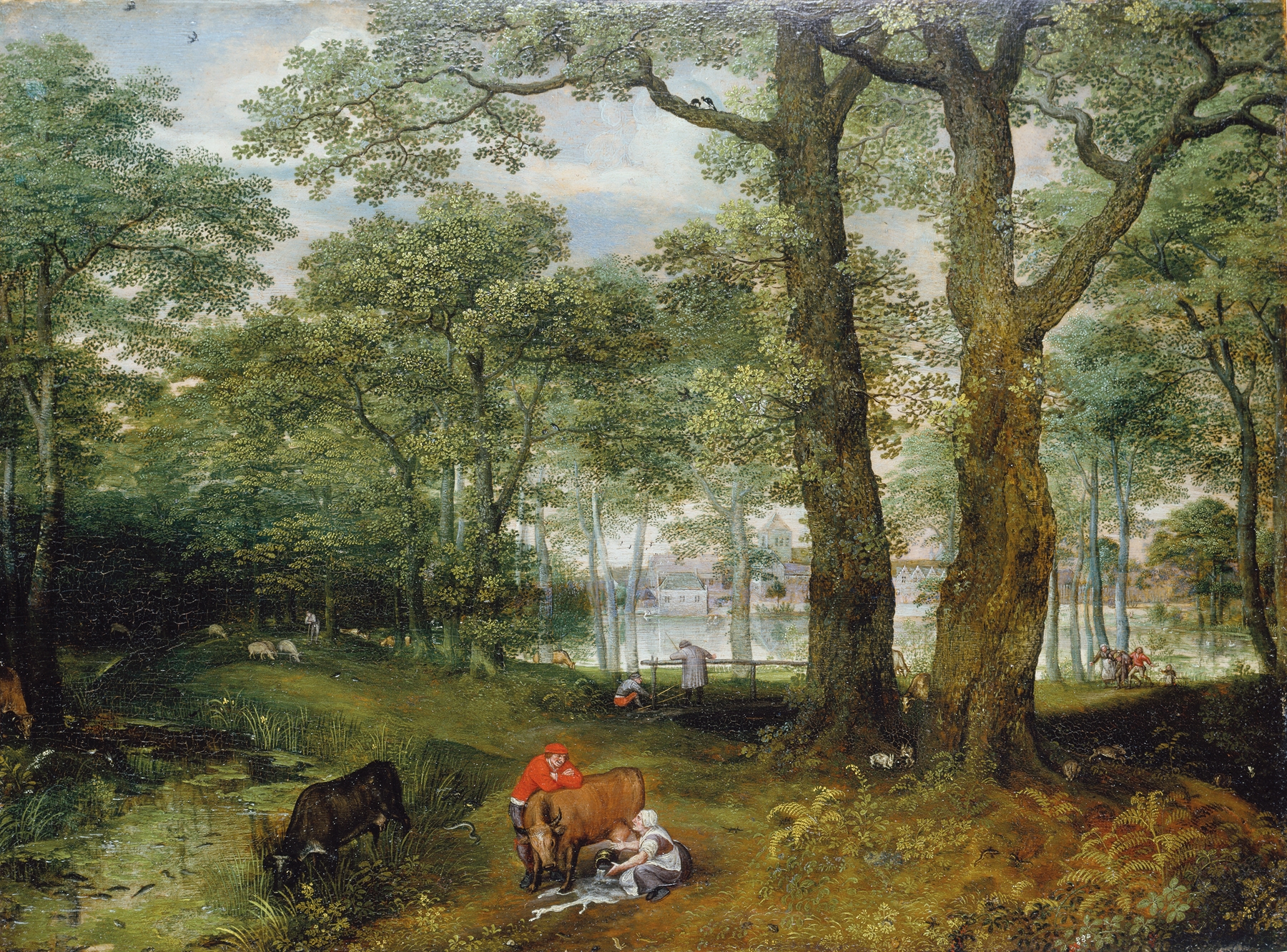
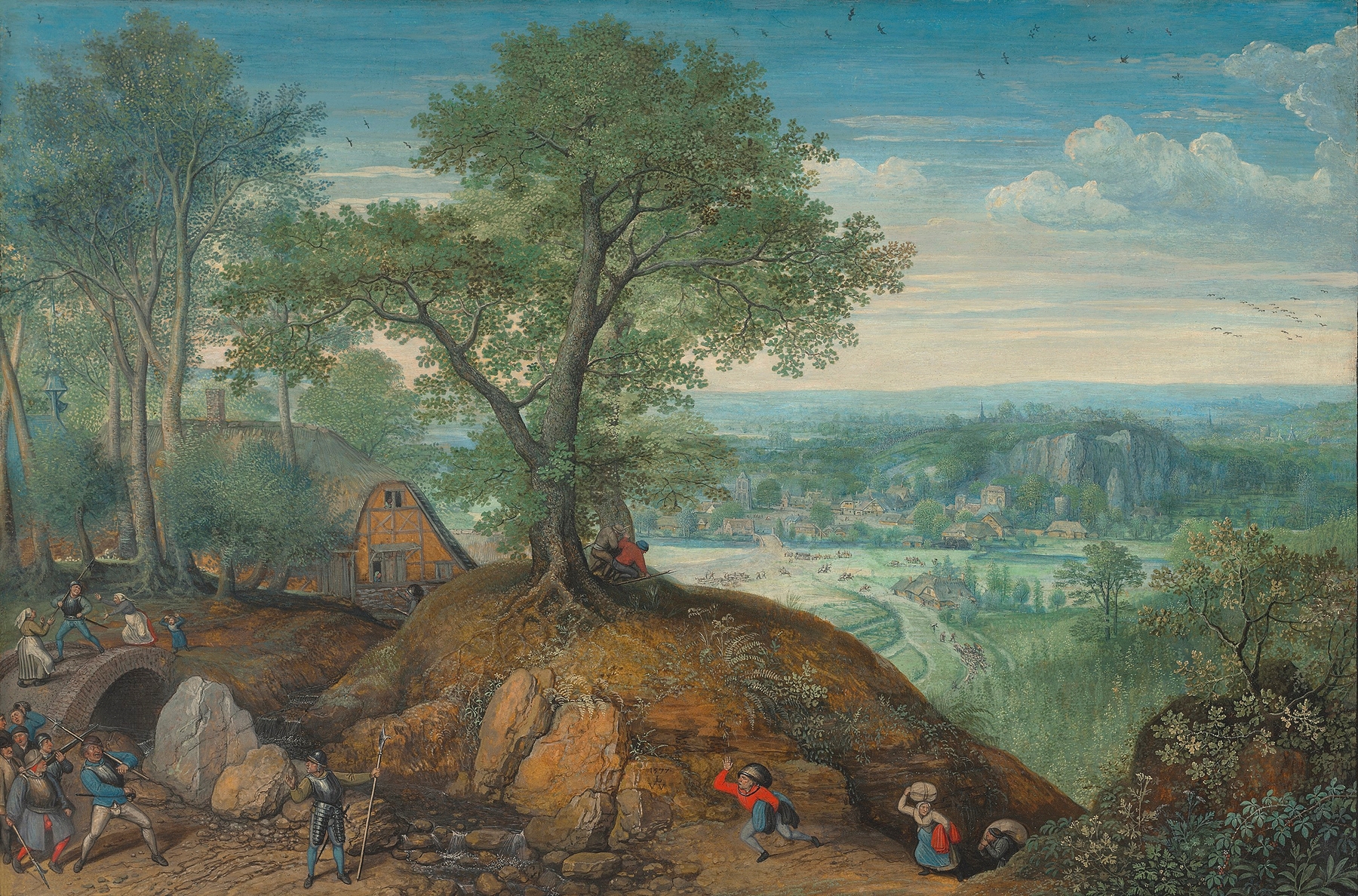
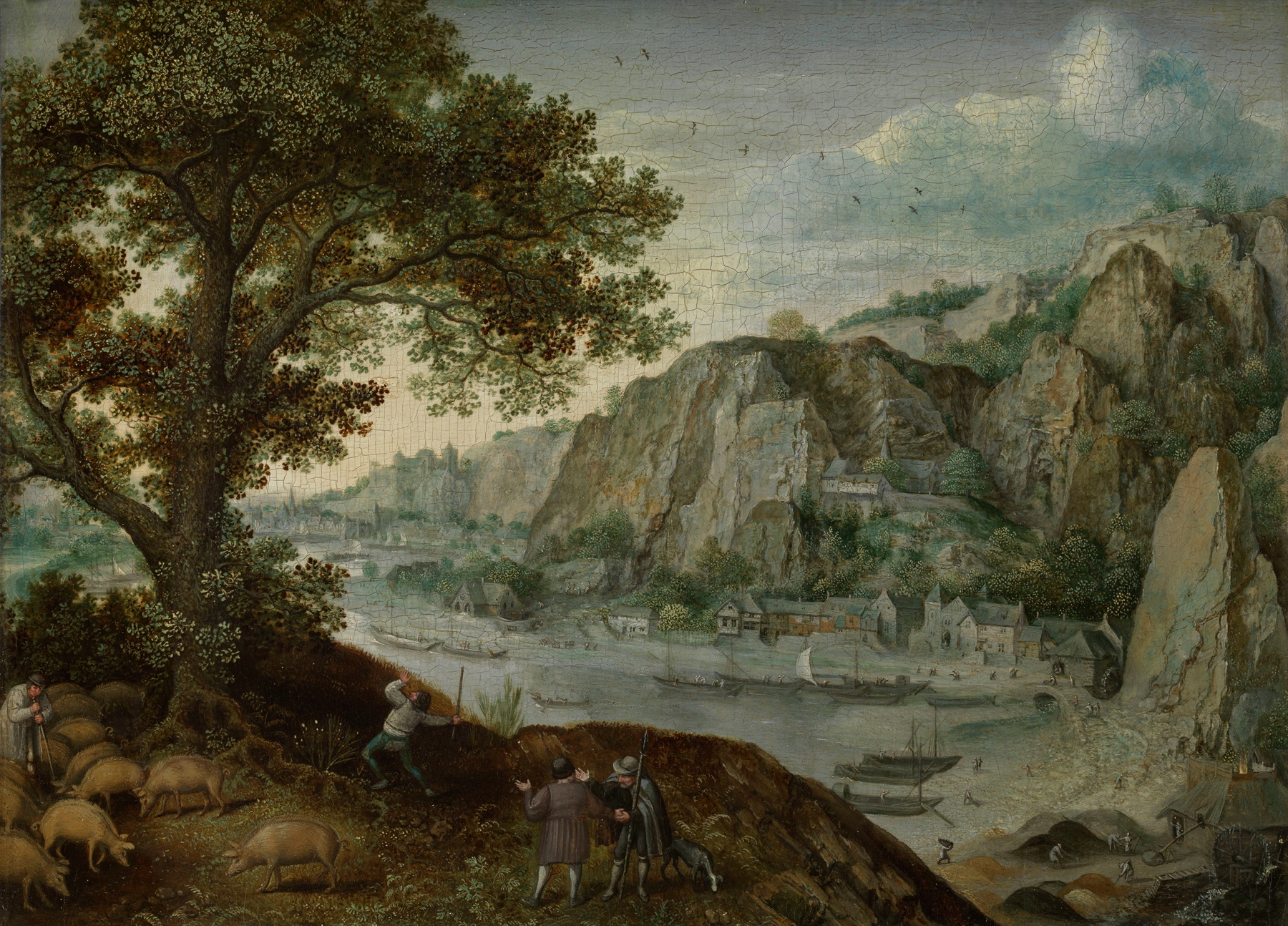
In the bustle of a vibrant village festival, laughter dances through the air as peasant couples twirl in joyous abandon. The sun bathes the scene in a warm, golden light, piercing through the thick greenery that encircles the gathering. Yet, amidst the revelry, an undercurrent of tension swells, hinting at untold stories and hidden struggles just beyond the laughter. Look to the center of the painting where the wedding ceremony unfolds, framed by towering trees that sway gently in the breeze. The vivid colors of the attendees’ garments—deep reds, bright yellows, and earthy browns—contrast beautifully against the azure sky.
Notice how the artist employs soft brush strokes to convey the movement of the skirts, while crisp details in the faces of the onlookers create a palpable sense of connection among the community. The impressive backdrop of Antwerp looms large, its architectural elegance elevating the festive scene while simultaneously grounding it in a historical context. Yet, as we feast our eyes upon this cheerful gathering, the festive atmosphere belies a darker narrative. The overflowing joy is juxtaposed with an underlying tension; perhaps the very act of celebration is a response to the struggles and violence that plague their lives. The distant silhouettes of menacing clouds on the horizon suggest that this idyllic moment may not last long, a reminder of the fragility of happiness in a world rife with conflict.
Each joyous gesture carries with it the weight of survival, hinting at the resilience of the human spirit. Created in 1574, this piece emerged from van Valckenborch’s life in the vibrant Antwerp art scene, where he was influenced by the interplay of joy and strife during a period marked by political turbulence in the Low Countries. As the artist painted, the region faced the rising tensions of the Eighty Years' War, which would forever change the landscape of both its society and art. His work captures not only the celebrations of the peasantry but also serves as a poignant commentary on the complexities of life amidst turmoil.