Mountains — History & Analysis
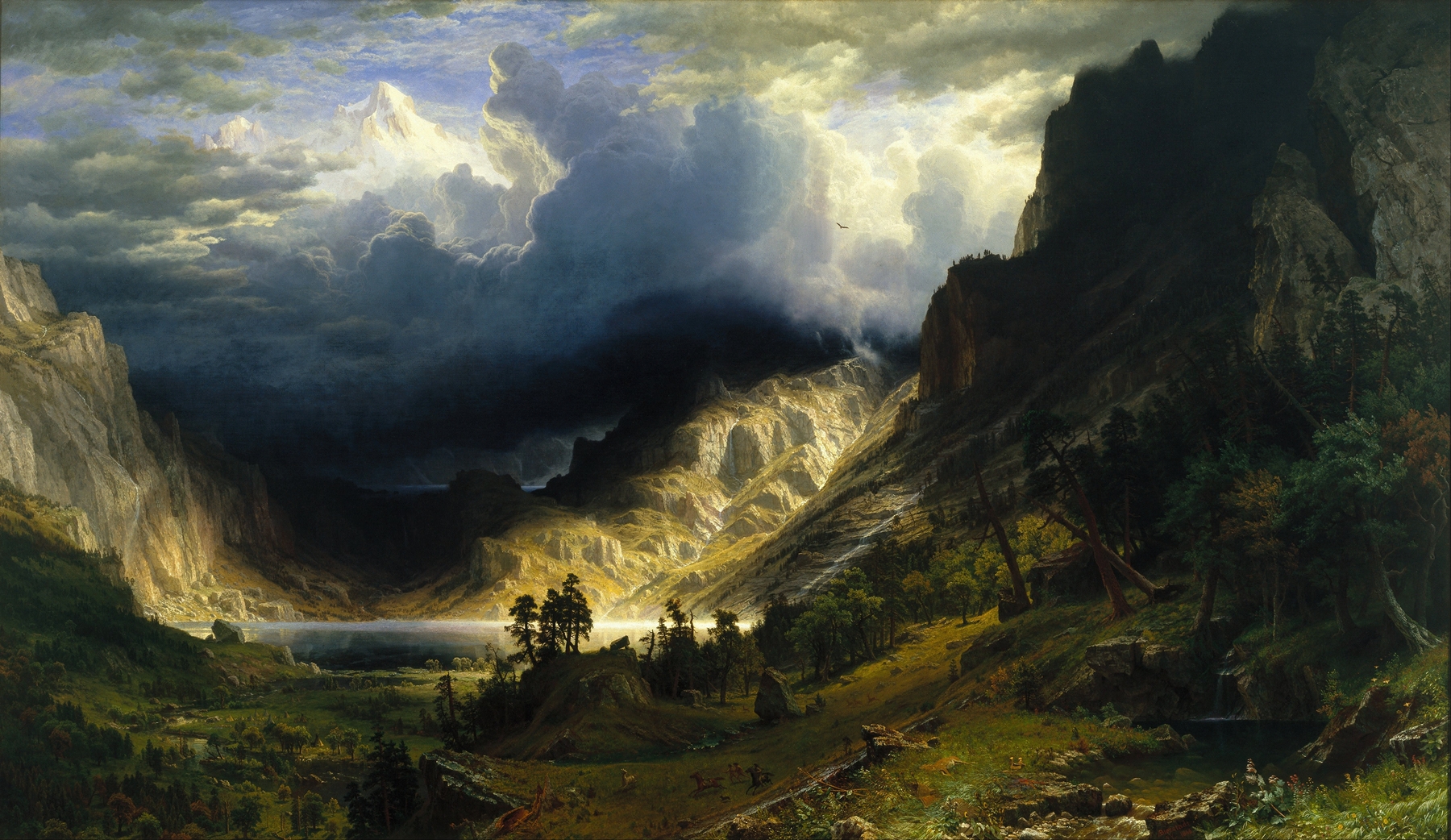
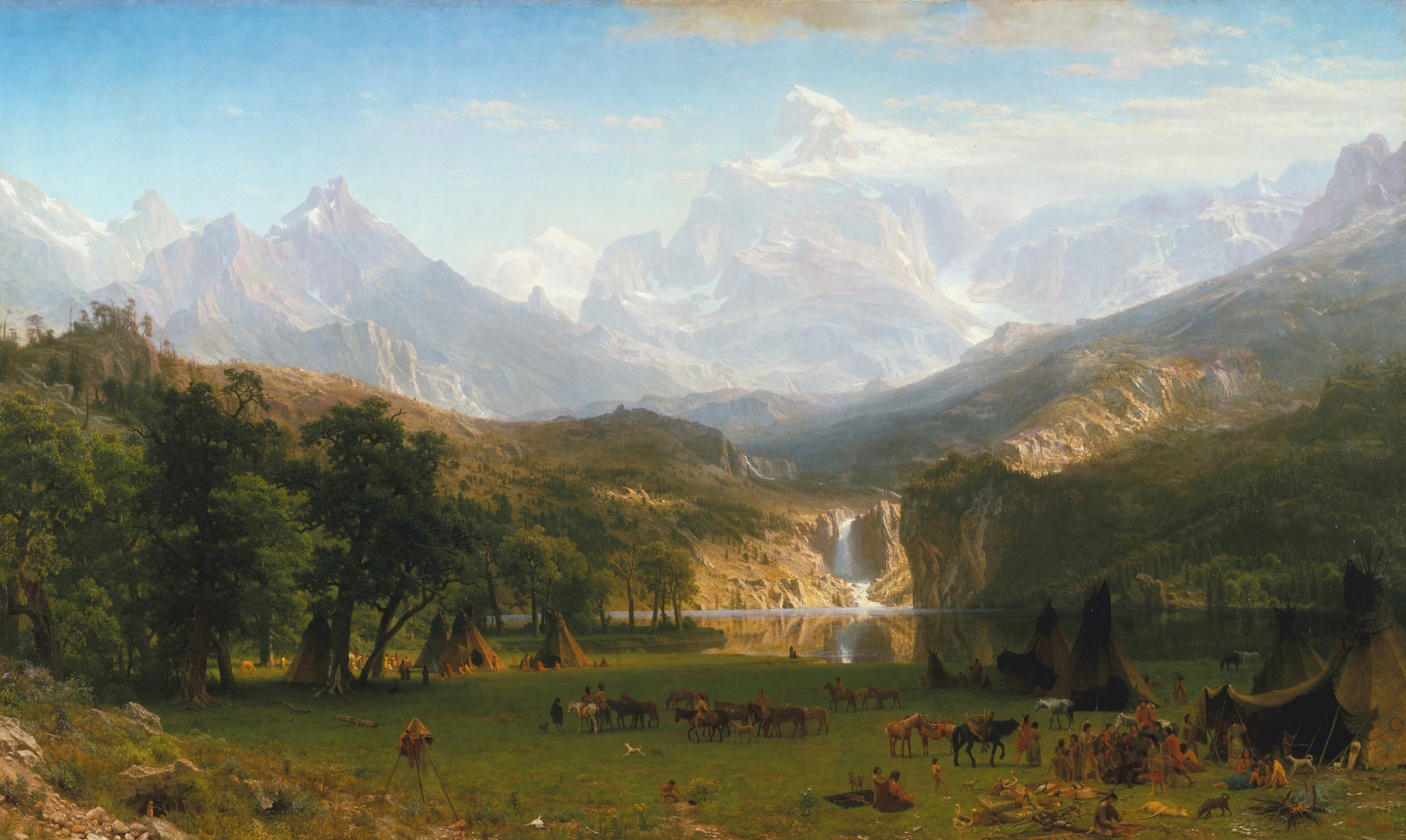
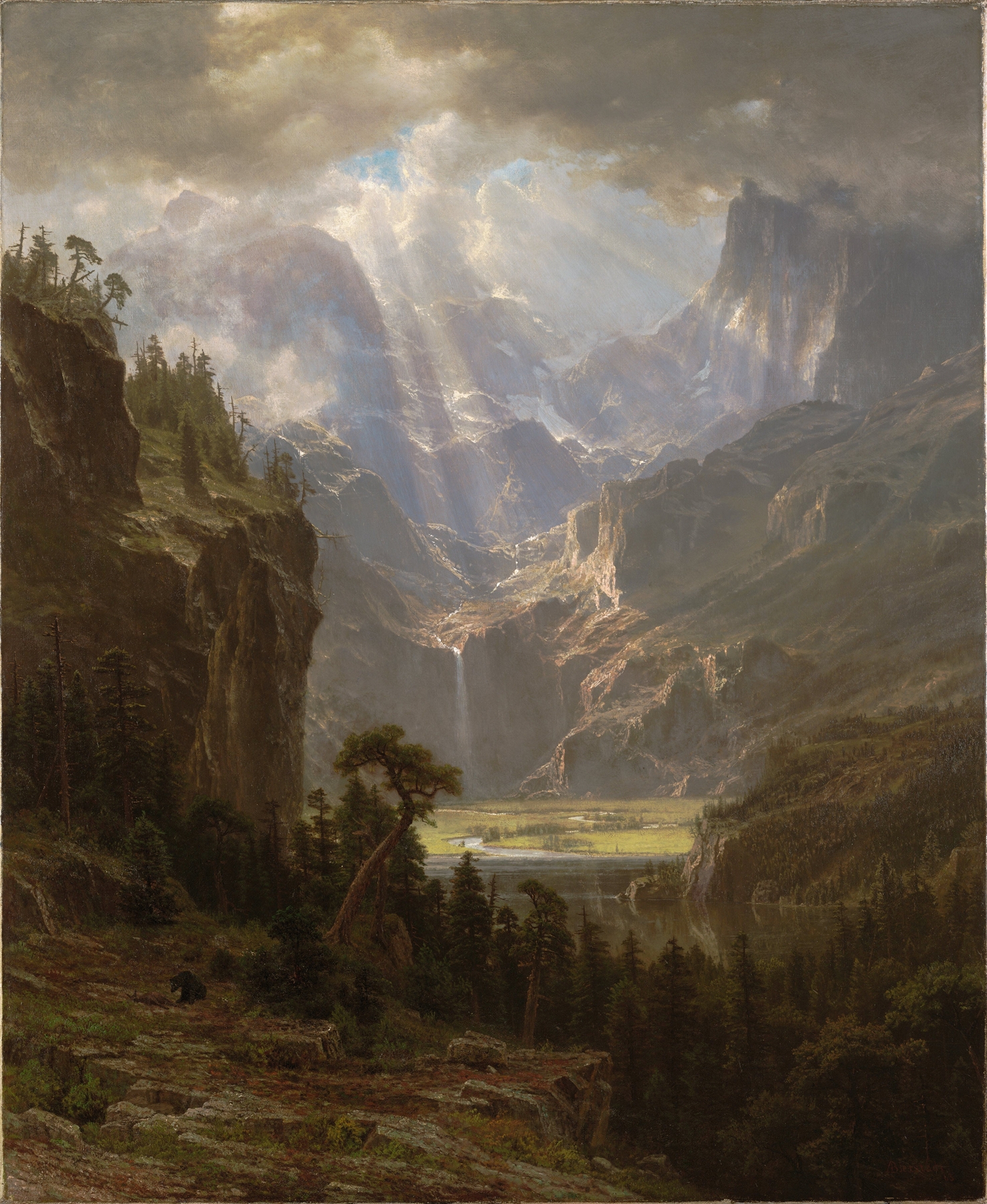
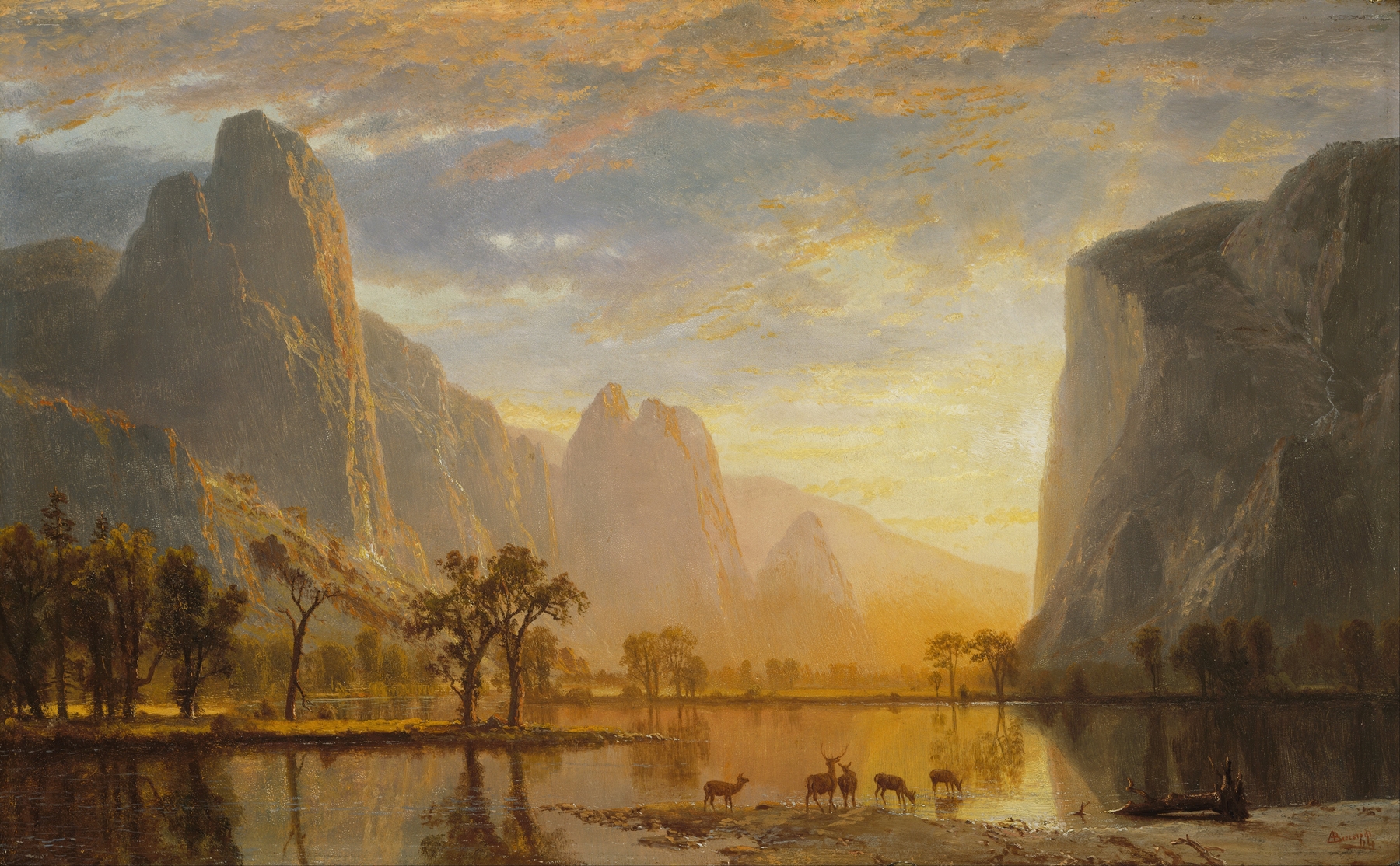
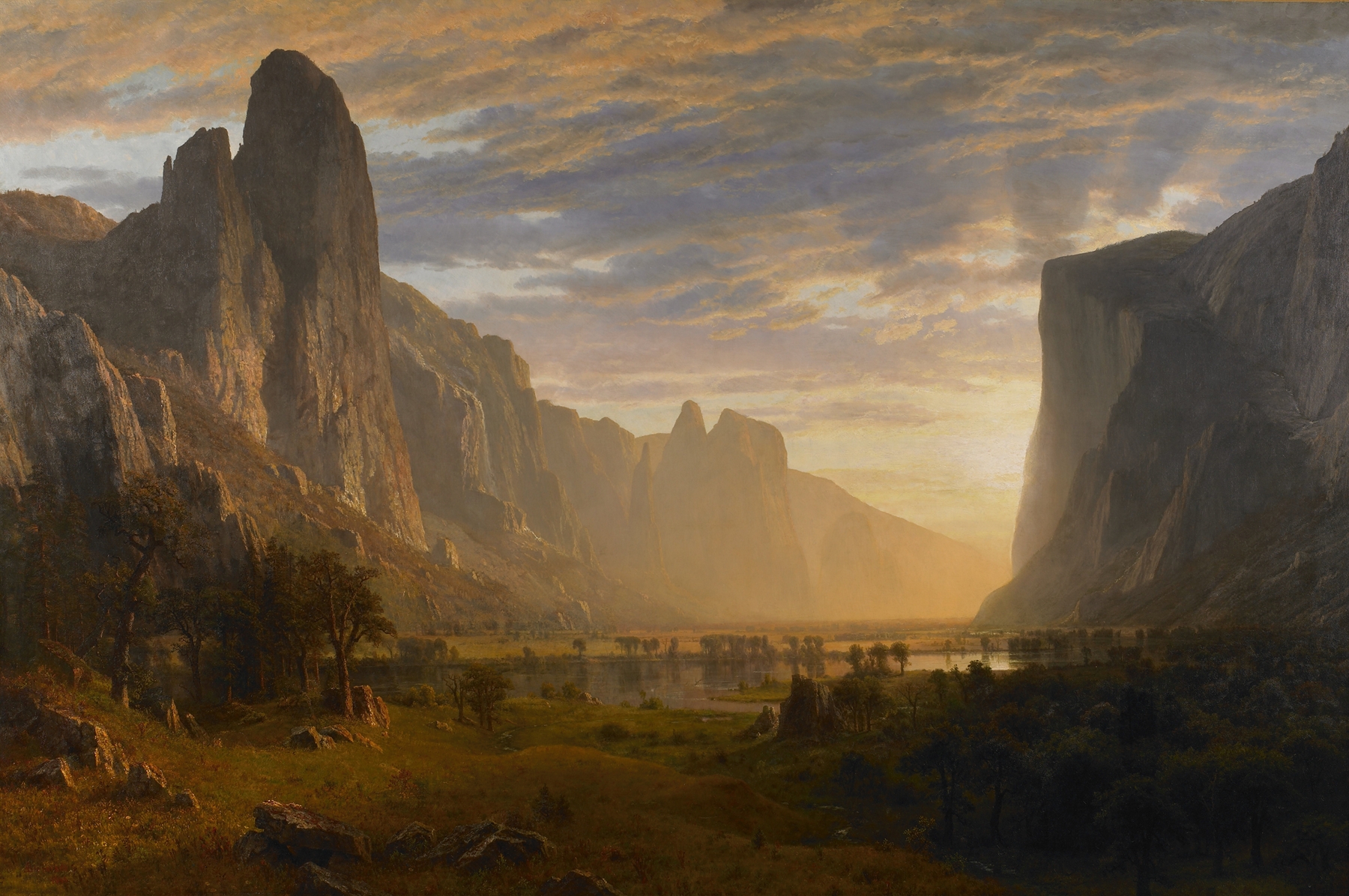
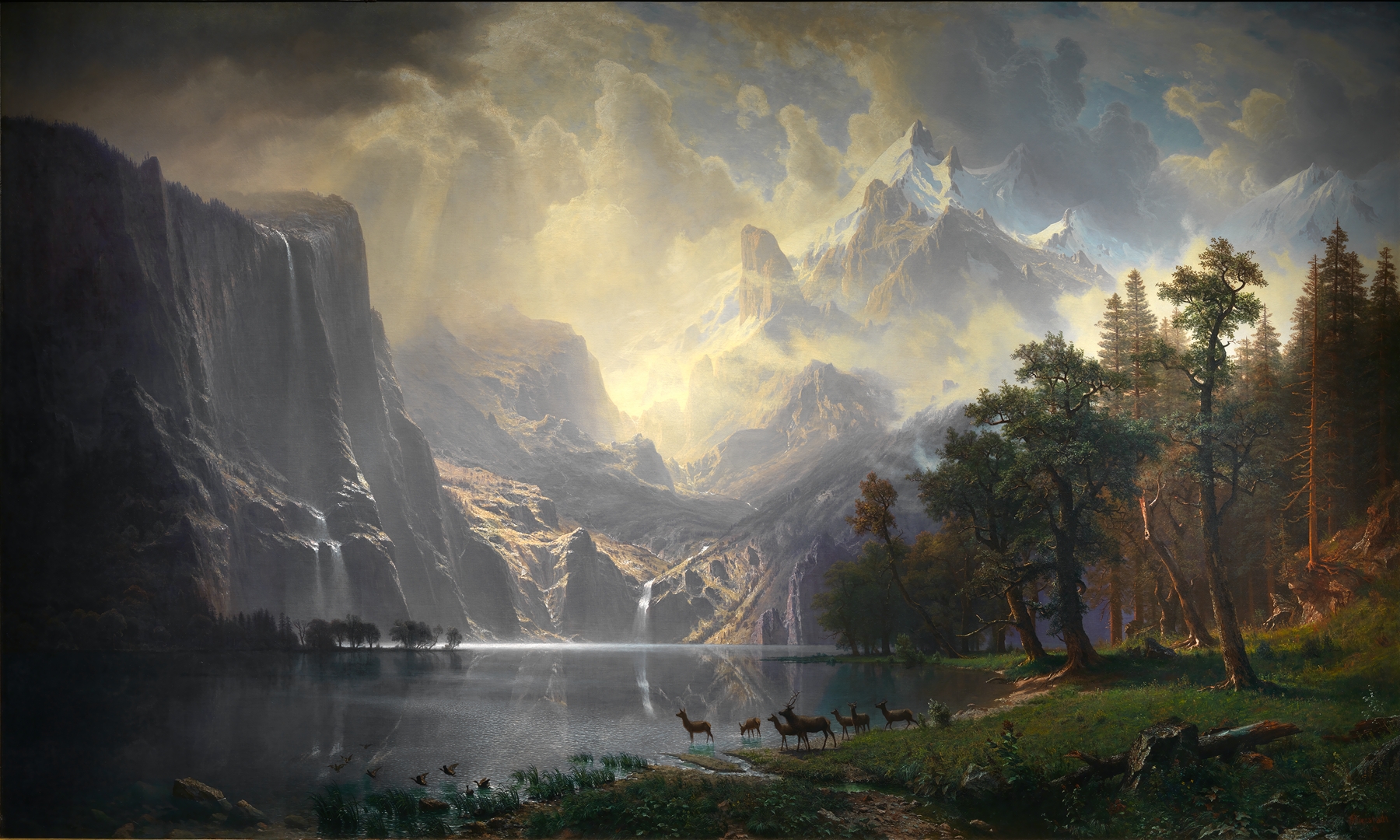
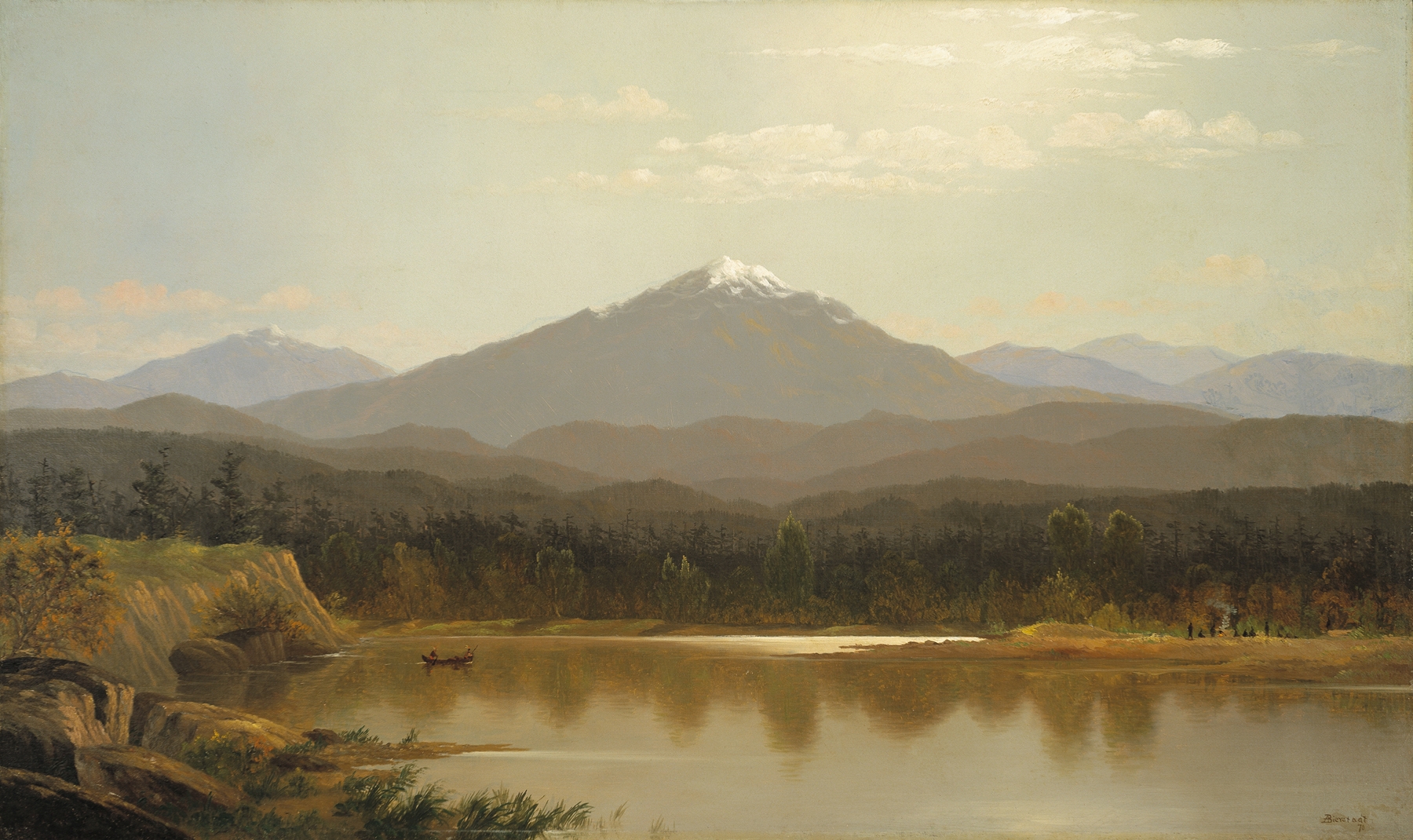
What if beauty was never meant to be finished? The fleeting nature of innocence lingers in the vastness of a mountain landscape, capturing a moment before time etches its complexities. Look to the horizon where the peaks dominate the canvas, their majestic forms rising sharply against a cerulean sky. The artist employs a palette rich with deep greens and soft whites, rendering the mountains with both grandeur and intimacy.
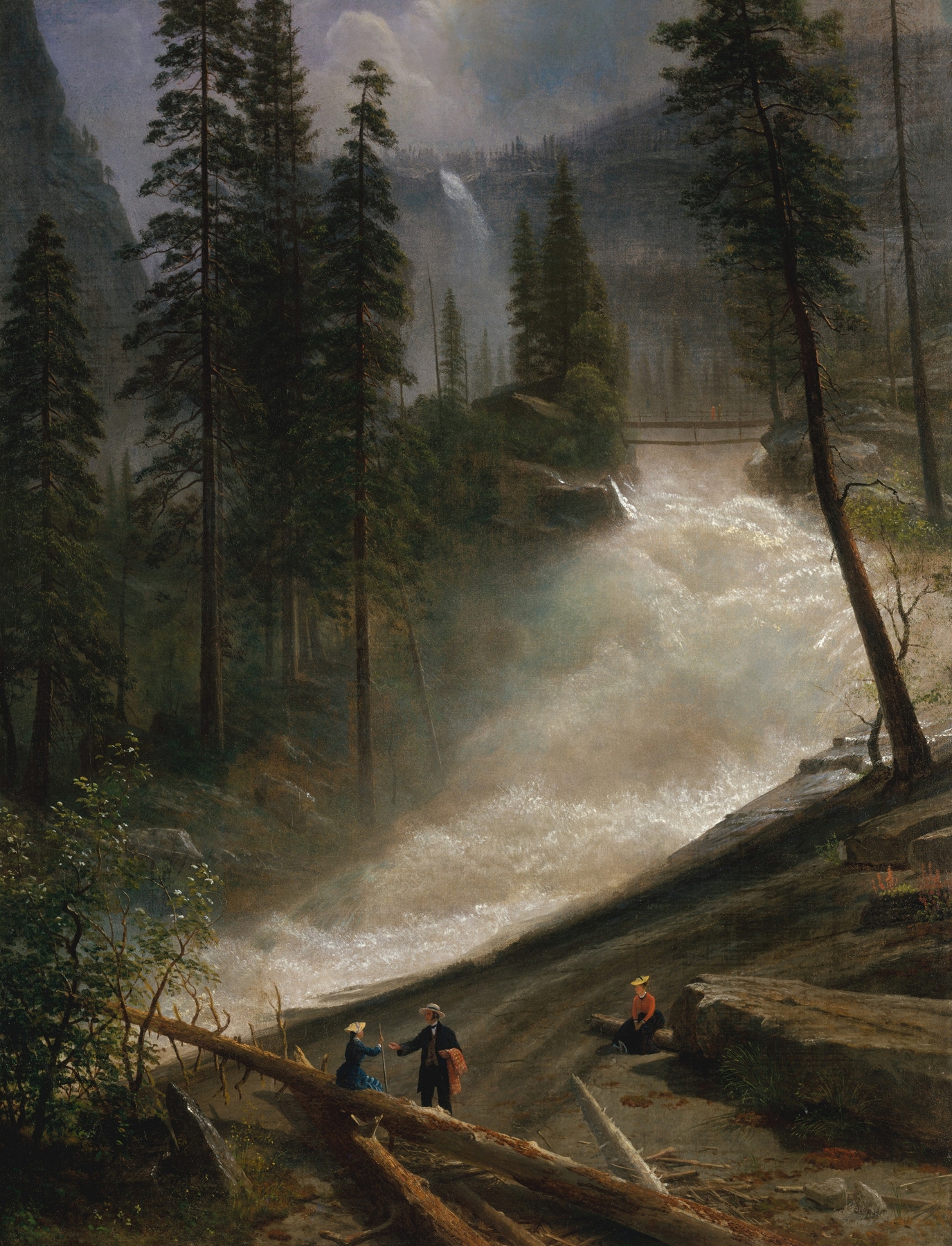
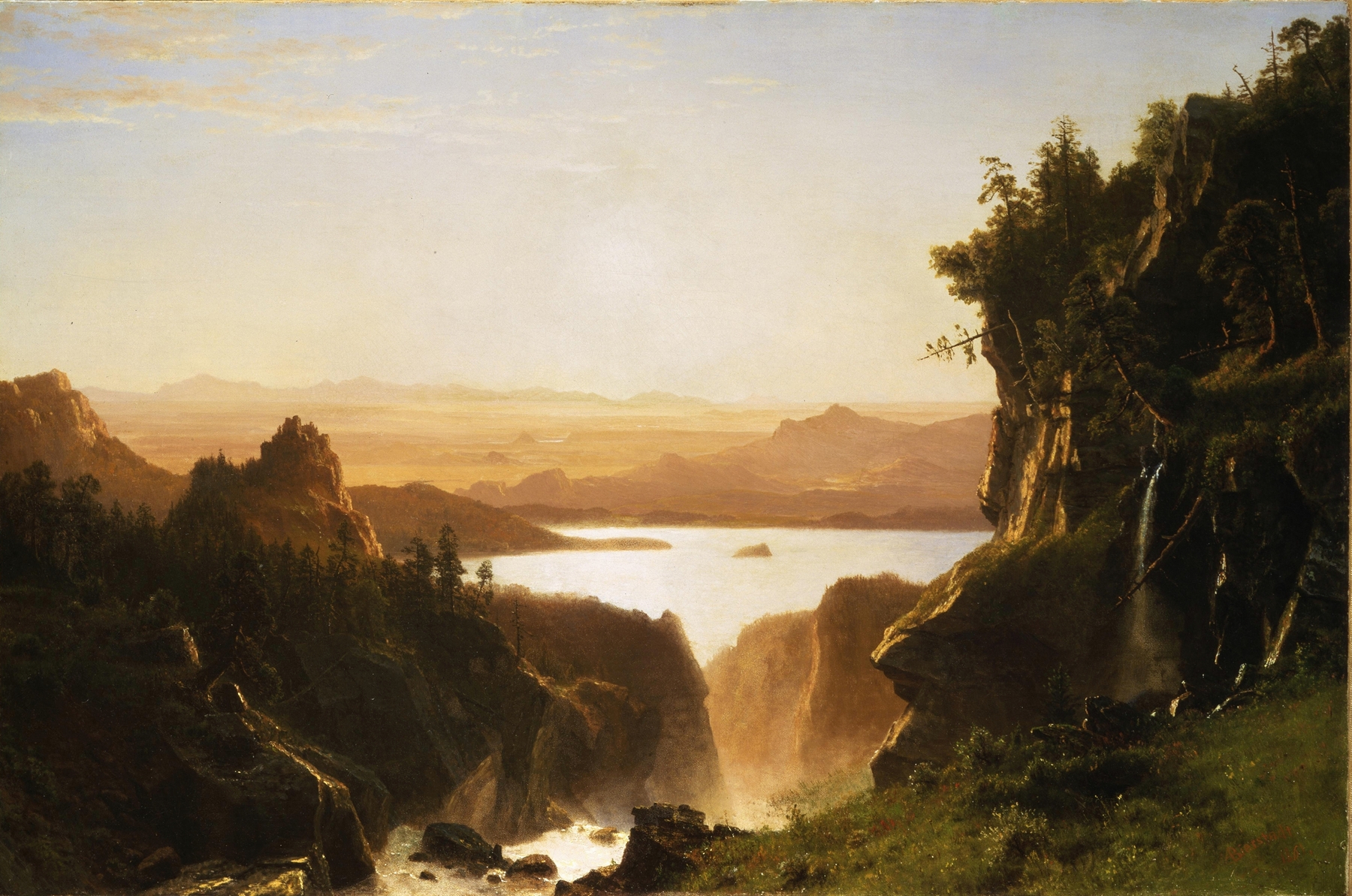
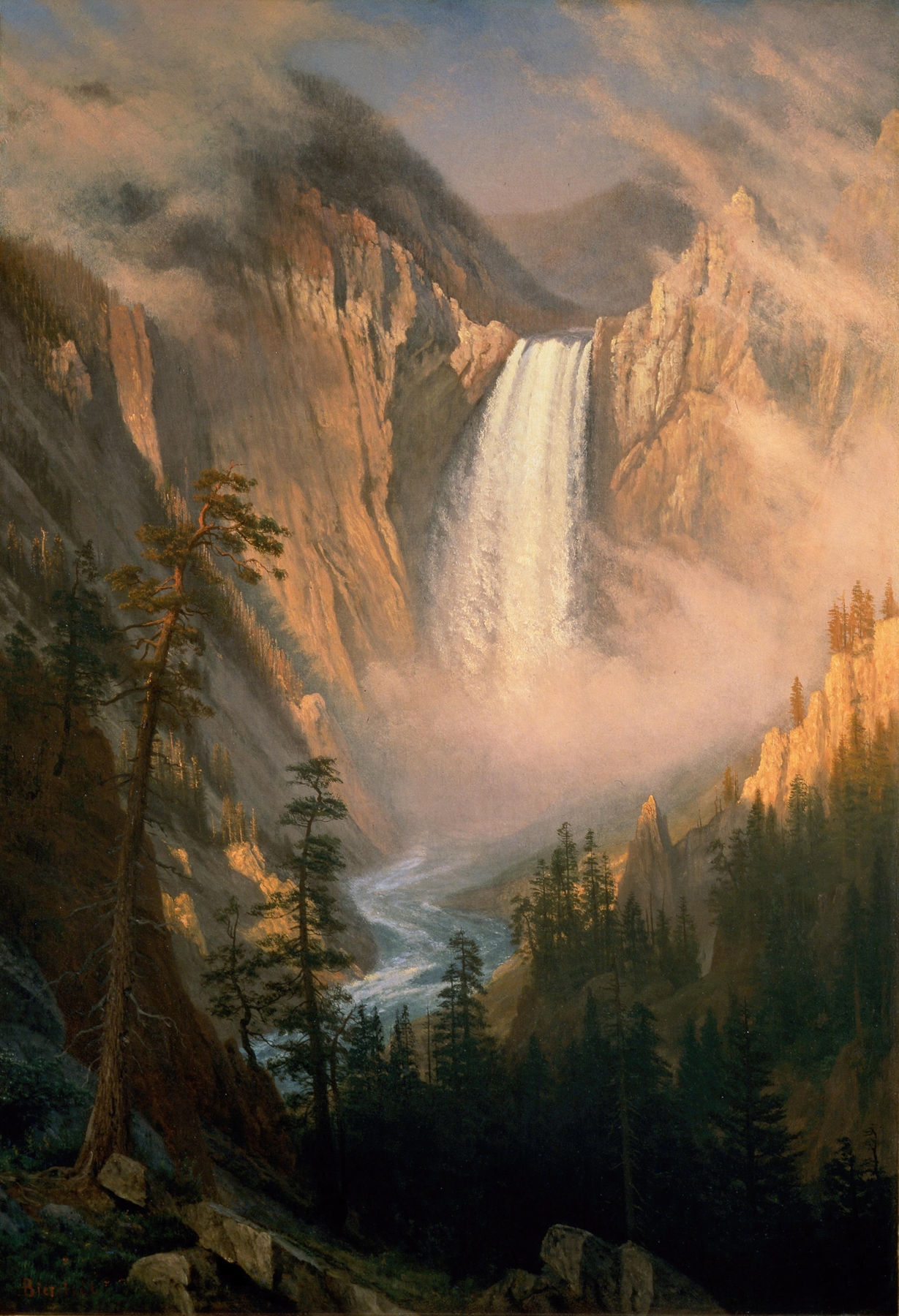
Notice how the light bathes the rugged terrain, illuminating the contours and shadows, inviting you to explore every crag and crevice as if they hold the mysteries of life itself. Hidden within the dramatic contrasts of light and dark lies an emotional tension—an interplay between nature’s beauty and humanity's transience. The lush foreground teems with vibrant flora, symbolizing the innocence untouched by the passage of time, while the towering mountains stand as timeless witnesses to fleeting moments. This dichotomy not only evokes awe but also reminds us of our own vulnerability in the face of such eternal splendor.
During the mid-19th century, Bierstadt painted this work amidst the American Romantic movement, a time when landscapes served as a canvas for both exploration and national identity. Immersed in the beauty of the American West, he sought to convey the sublime experience of nature, reflecting a world on the brink of industrial change. It was in this era, filled with discovery and uncertainty, that he found both inspiration and a deep connection to the innocence that nature embodies.