Mucius Scaevola steekt rechterhand in het vuur — History & Analysis
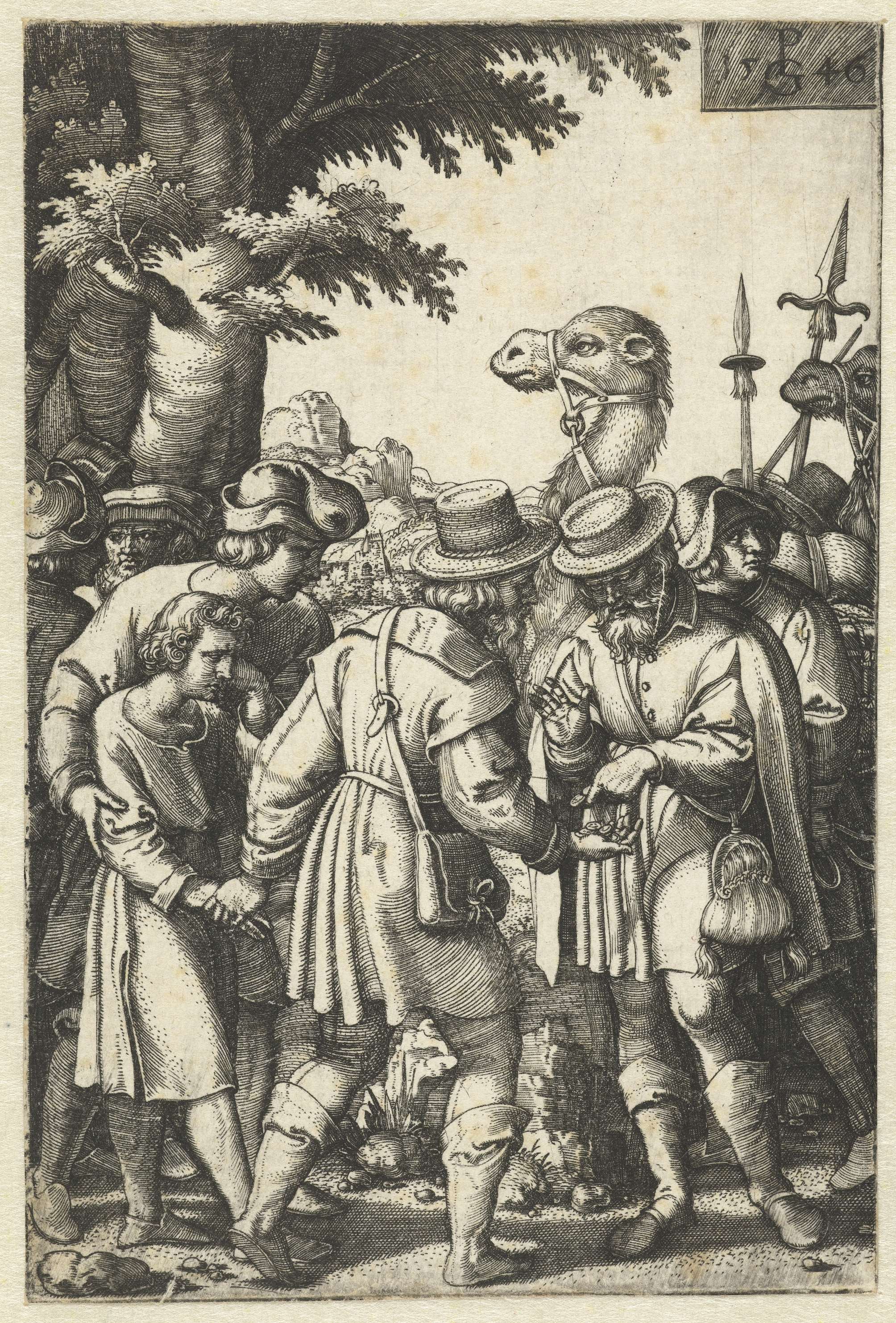
“Every silence here is a confession.” In a world where valor is intertwined with sacrifice, how does one measure the weight of courage? The stillness captured on canvas evokes awe, as if time itself pauses to reflect on the profound nature of commitment. Focus first on the figure, Mucius Scaevola, cast in a striking light that highlights the determination etched on his face. Notice the contrast between his calm demeanor and the fiery inferno that engulfs his right hand. The meticulous brushwork enhances the raw textures of the flames, creating an almost tactile sensation that draws the viewer in.
Vivid hues of red and orange clash with somber tones in the background, emphasizing the duality of pain and honor within this moment. Beneath the surface, the painting speaks to broader themes of sacrifice and the cost of loyalty. The poised stance of Mucius suggests a battle between fear and resolve, as he willingly endures torment for the sake of his country. The subtle presence of spectators in the shadows suggests a silent judgment, reminding us that acts of bravery are often viewed through the lens of societal expectations.
Each detail adds layers to the narrative, transforming a singular act into a universal testament to human resilience. Georg Pencz created this work in 1535 during a period of significant artistic evolution in Nuremberg, where the Renaissance began influencing Northern Europe. While grappling with personal struggles, including the loss of his wife, Pencz also navigated the rise of humanist ideals that permeated art, blending classical themes with a newfound emotional depth. This painting serves as a striking anchor in his oeuvre, reflecting both his mastery and the complexity of the human experience.